
Kampala city comes alive after brief election-induced slumber
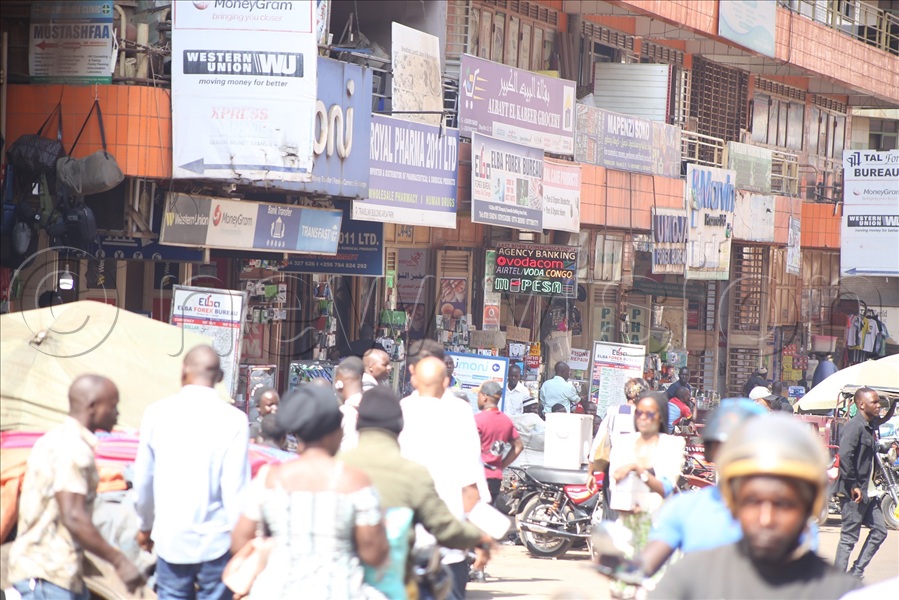
The silence that defined the streets for the last five days, is being replaced by the familiar heavy traffic on Kampala road and all roads leading to and out of the city, pedestrians heavily concentrated downtown and arcades reopening for businesses.
Kampala is busy again, getting back to its usual pace, and showing that it is a strong and lively city. (Credit: Alfred Ochwo)
KAMPALA - After days of unusual quiet, Kampala today, Monday, January 19, 2026, is quickly coming alive following the General Election period that saw the election of the country's president and Members of Parliament.
This is according to an observation by New Vision Online on selected areas around the city.
The Thursday, January 14, 2026, election exercise left the city subdued and nearly empty.
The silence that defined the streets for the last five days, is being replaced by the familiar heavy traffic on Kampala road and all roads leading to and out of the city, pedestrians heavily concentrated downtown and arcades reopening for businesses.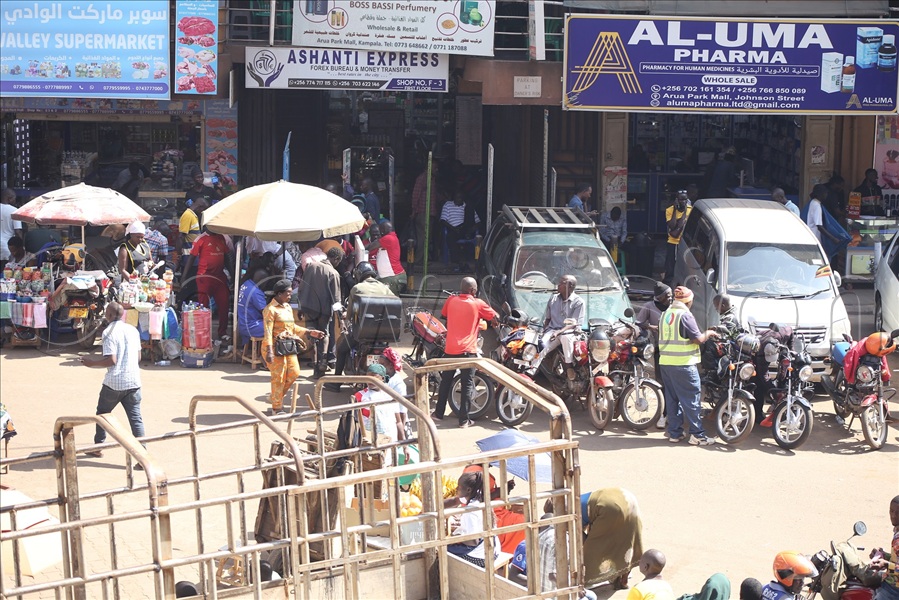
Today, the city is gradually regaining its normal routine. (All Photos by Alfred Ochwo)
In the days leading up to and during the elections, Kampala appeared frozen in time.
Roads that are normally congested were unusually clear, with only two or three vehicles passing at a time. Traffic jams disappeared, and major streets remained open and quiet for hours.
The calm was not a sign of ease, but rather of uncertainty, as most of the people left the city for their villages to vote or chose to stay indoors over fear and tension surrounding the elections.
Business activity across the city suffered greatly during this period. Markets recorded low customer turnout, shops closed early or remained shut, and service-based businesses experienced little to no activity.
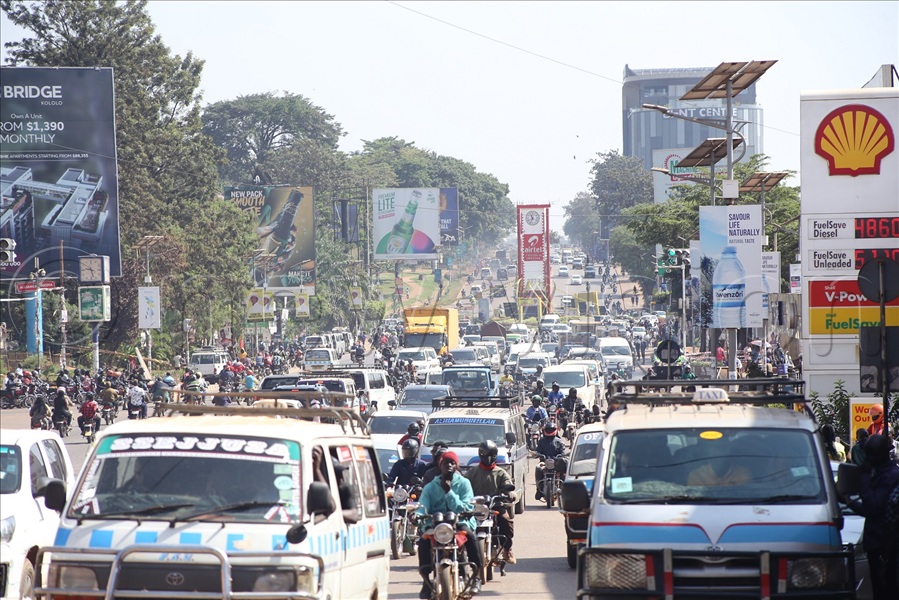
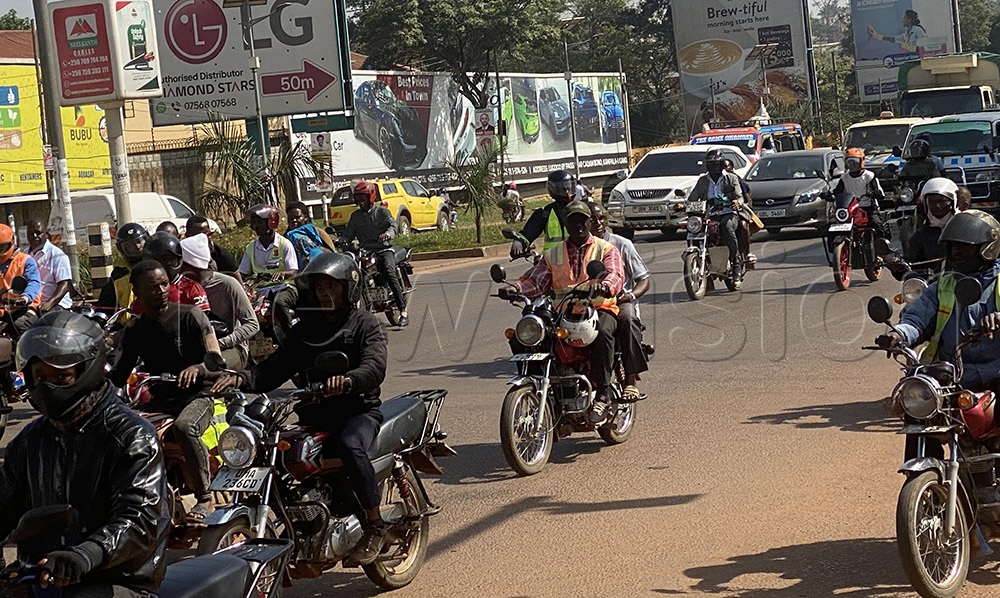
As the city comes back to life after the quiet of the elections, business owners and workers feel hopeful. (Credit: Annabel Oyera)
The temporary suspension of public Internet access further slowed operations, especially for enterprises that rely on digital communication, online transactions, and internet-based services.
Commercial areas reflected the broader situation across Kampala. Where daily business and movement usually begin early in the morning, there was instead prolonged stillness.
With fewer people in the city and limited communication, many businesses struggled to operate, resulting in significant losses.
Today, the city is gradually regaining its normal routine.
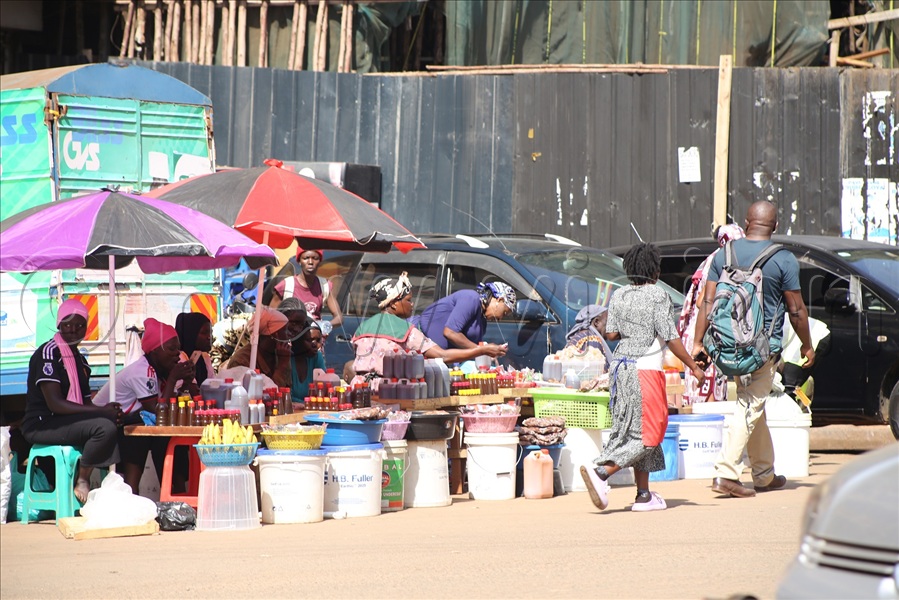
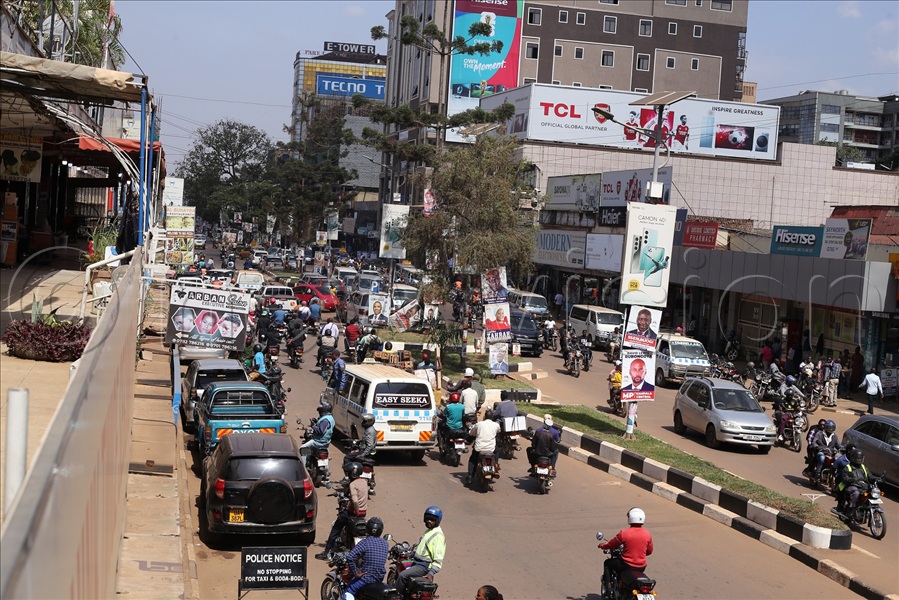
Vehicles are once again filling the roads, pedestrians are returning to trading centres, markets are becoming active, and shops that closed during the election period are reopening as residents return from the villages and resume their normal routines.
The return of activity shows how much Kampala’s economy depends on people moving around, talking to each other and feeling confident.
The election period showed how quickly uncertainty can affect jobs and businesses, even those not related to politics.
As the city comes back to life after the quiet of the elections, business owners and workers feel hopeful.
Kampala is busy again, getting back to its usual pace, and showing that it is a strong and lively city.