
Uganda showcases culture, tourism potential at Australia multicultural festival
“When Ugandans participate in Australia’s multicultural life, they strengthen social cohesion here while keeping our cultural identity alive. This is how relationships between nations are sustained through people,” Hyuha said in a statement.
Uganda’s High Commissioner to Australia, Dorothy Samali Hyuha, said participation in multicultural events helps build social cohesion while maintaining cultural identity among Ugandans living abroad.
CANBERRA - Uganda used the Multicultural Festival in Canberra, Australia, to showcase its culture, strengthen diaspora ties and promote tourism, with officials saying cultural engagement plays a growing role in diplomacy, social cohesion and people-to-people relations.
The annual festival, which attracts thousands of Australians from diverse backgrounds, provided a platform for Ugandan communities to present traditional music, dance, food and storytelling, offering visitors an insight into the country beyond common stereotypes.
Uganda’s High Commissioner to Australia, Dorothy Samali Hyuha, said participation in multicultural events helps build social cohesion while maintaining cultural identity among Ugandans living abroad.
“When Ugandans participate in Australia’s multicultural life, they strengthen social cohesion here while keeping our cultural identity alive. This is how relationships between nations are sustained through people,” Hyuha said in a statement.
Australia is one of the world’s most multicultural societies, with more than half of its population either born overseas or having at least one parent born abroad.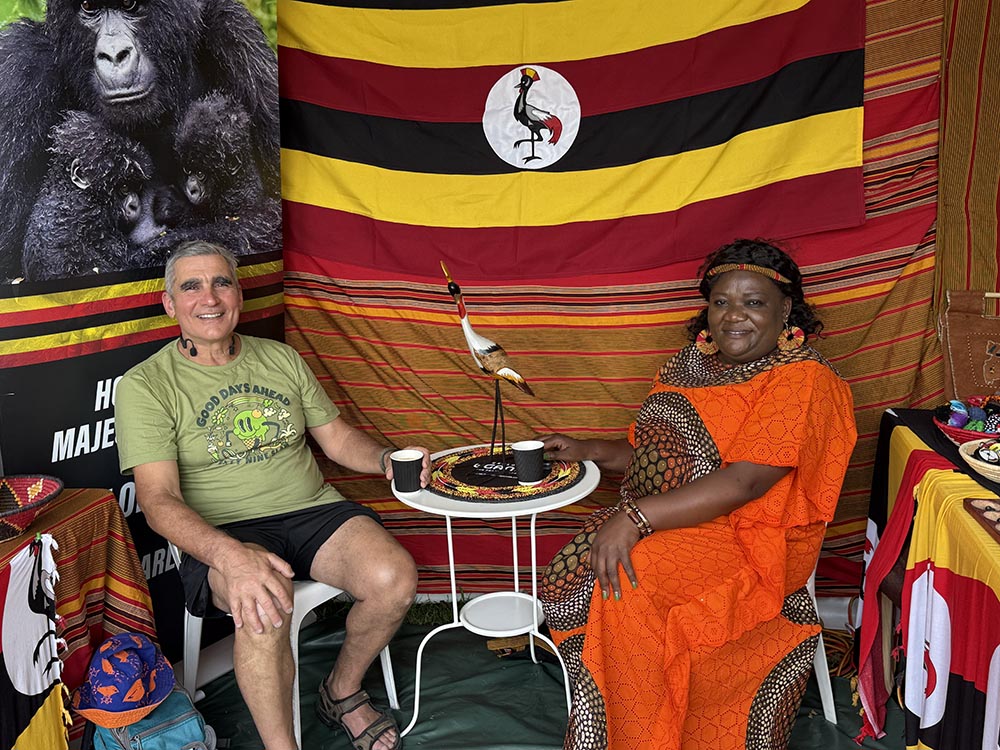
For members of Uganda’s diaspora, the festival offered a space for cultural expression and visibility.
However, recent surveys indicate that migrants from non-English-speaking backgrounds continue to experience discrimination and social exclusion, making cultural festivals an important avenue for inclusion.
For members of Uganda’s diaspora, the festival offered a space for cultural expression and visibility.
Ugandan Australians used the event to pass on traditions to younger generations born in Australia while engaging the wider community through food, music and conversation.
One Ugandan-Australian parent said the festival allowed children to experience a sense of belonging without having to explain their background.
“For one day, my children don’t have to explain where they come from. They can just be,” the parent said.
Beyond cultural exchange, tourism promotion featured prominently at the event.
Tiisa Mugwanya Susan, the had of tourism at the Uganda mission, said such festivals often serve as an entry point for Australians who later choose to visit Uganda.
“Many Australians who visit Uganda say their interest began with a cultural encounter like this. Hospitality is our first export,” Mugwanya said.
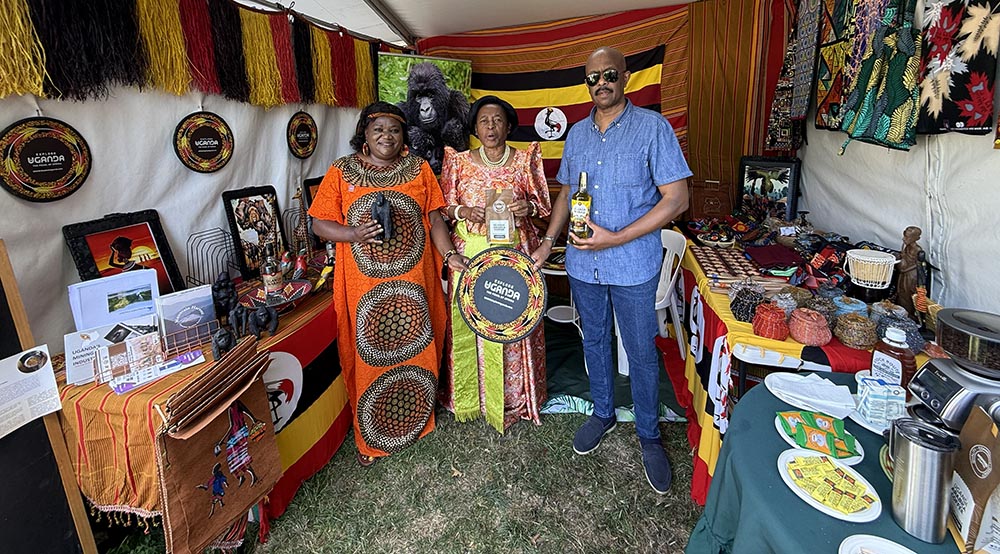
Uganda’s participation also highlighted the economic role of cultural festivals, particularly for diaspora-led businesses.
Before the Covid-19 pandemic, Uganda received more than 1.3 million international tourists annually, according to the Uganda Tourism Board, with nature-based and cultural tourism among the fastest-growing segments.
Australia remains an emerging source market for Ugandan tourism.
Uganda’s participation also highlighted the economic role of cultural festivals, particularly for diaspora-led businesses.
Ugandan entrepreneurs at the festival sold food, crafts and fashion products, using the platform to build networks and attract new customers.
Diplomats say diaspora communities play an increasingly important role as informal ambassadors, linking Uganda and Australia socially, culturally and economically.
As Australia continues to emphasise multiculturalism as a national value, Ugandan officials say sustained cultural engagement helps reinforce mutual understanding while promoting trade, tourism, education and investment ties between the two countries.
Uganda brands itself as a destination “where Africa’s future meets its soul,” a message officials say resonates most when conveyed directly through people and shared experiences rather than formal campaigns.