
Uganda marks first Jane Goodall Day with call to protect nature
Speaking at the event, the executive director of the Jane Goodall Institute Uganda, James Byamukama, described the occasion as a turning point in strengthening environmental consciousness.
The event honoured the legacy of Jane Goodall while rallying communities, especially young people, to take practical steps in protecting the environment. (Courtesy photo)
________________
Uganda has joined the rest of the world in celebrating the inaugural Jane Goodall Day, with lively commemorations held at Kigungu Primary School in Entebbe.
The event honoured the legacy of Jane Goodall while rallying communities, especially young people, to take practical steps in protecting the environment.
Observed annually on April 3, the day of Goodall’s birth, has been designated as a global moment to inspire action towards conservation and sustainable living. At Kigungu, pupils, teachers, conservationists, and residents came together for a colourful celebration rooted in environmental awareness and community action.
Strengthening environmental consciousness
Speaking at the event, the executive director of the Jane Goodall Institute Uganda, James Byamukama, described the occasion as a turning point in strengthening environmental consciousness.
“Think about what you want your family, community or country to remember you for. This day reminds us of the interconnectedness of nature and the urgent need for collective action to safeguard our ecosystems,” he said.
Hands-on community activities
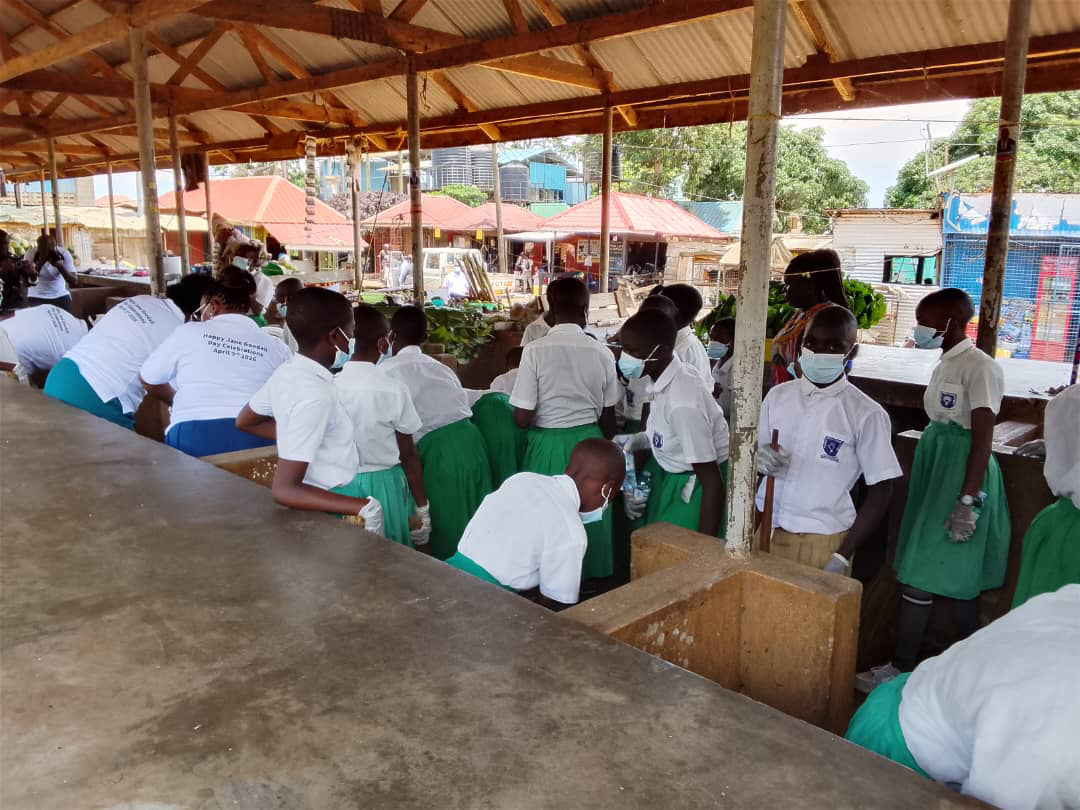
The celebrations featured hands-on activities, including a clean-up exercise at Kigungu Market, tree planting, and awareness campaigns on conservation. Learners, especially members of the Roots & Shoots club, took centre stage with music, dance, and drama performances carrying strong environmental messages.
The global Roots & Shoots programme, founded by Goodall, empowers young people to lead projects that benefit people, animals, and the environment.
As part of its ongoing efforts, the institute announced plans to plant and nurture more than 1.3 million trees this year across communities, households, and protected areas, building on earlier milestones, including 35,000 trees planted as the programme marks 35 years.
Inspector of Schools Rose Mary Namulumba urged communities to embrace tree planting, even in small spaces.
“If you don’t own land, seek permission to plant fruit or shade trees. The benefits range from improved diets to environmental protection and income,” she said.
Sustainable livelihoods and eco-friendly practices
Roots & Shoots patron Martin Aryaruha highlighted how members are transforming small-scale farming into sustainable livelihoods. Using improvised gardens, often in recycled plastic containers, families grow vegetables such as sukuma wiki, tomatoes, and onions. Surplus produce is sold to meet other household needs.
For pupils like Jane Akidi, a Primary Five learner, the initiative is already changing lives. She has started a kitchen garden alongside rearing rabbits and chickens, creating a small ecosystem where each activity supports the other.
What was once seen as a chore is now becoming a passion. Learners are gaining skills in vegetable growing, poultry keeping, fish farming, and tree planting—activities that improve nutrition, generate income, and promote environmental balance.
Addressing local environmental pressures
The campaign also addresses local environmental pressures. Lake Victoria shoreline communities face rising water levels, illegal land reclamation, and declining fish stocks due to overfishing and destructive practices. Through awareness drives, club members are discouraging the use of poison and illegal fishing gear.
Jane Goodall Day encourages simple but impactful actions—planting trees, joining clean-ups, adopting sustainable diets, and advocating for wildlife protection. Social media engagement under #JaneGoodallDay is further amplifying the message.
Globally, Goodall’s work is transforming the understanding of wildlife, particularly chimpanzees. In Uganda, the institute plays a key role in implementing conservation strategies and promoting eco-tourism in destinations such as Kibale National Park and Ngamba Island, while restoring forest corridors in the Albertine Rift.
Uganda is home to one of the largest populations of chimpanzees, with about 5,000 in Kibale National Park alone—an asset that supports tourism through tracking permits and research activities.
However, growing competition for land and natural resources continues to strain the balance between people and wildlife. Deforestation, charcoal burning, and wetland encroachment remain major challenges.
Supporting communities and livelihoods
Beyond conservation, the institute is also supporting livelihoods through sustainable practices such as beekeeping, coffee farming, and agroforestry. Education and gender-focused programmes are helping reduce school dropout rates and empowering young women to take on leadership roles.
The successful debut of Jane Goodall Day in Uganda signals a deepening national commitment to environmental stewardship. As the annual celebration takes root, organisers hope it will continue to inspire individuals and communities to build a more sustainable and harmonious future.