
Diplomats take lead in Uganda's tourism marketing drive
Uganda's Ambassador to Turkey, Nusura Tiperu, said the role of diplomats has evolved from ceremonial functions to actively promoting the country's economic interests abroad.
Karamoja homesteads are a reminder of where humanity was not so long ago. (Photos by Titus Kakembo)
________________
Uganda's diplomats are increasingly stepping beyond traditional political engagement to become frontline marketers of Destination Uganda's tourism, trade and investment opportunities.
That message came through strongly during the Pearl of Africa Tourism Expo (POATE) 2026 at Speke Resort Munyonyo, where tourism leaders, diplomats and private sector players outlined a new strategy aimed at positioning the country as a competitive global destination.
Uganda's Ambassador to Turkey, Nusura Tiperu, said the role of diplomats has evolved from ceremonial functions to actively promoting the country's economic interests abroad.
"We have ceased being mere cocktail guests clinking wine glasses. Today's diplomacy is about marketing Uganda's tourism attractions, trade and investment opportunities," Tiperu told the audience.
The shift comes as Uganda seeks to attract more visitors and investors from emerging markets such as Turkey, China and other parts of Africa. According to Tiperu, the Ugandan Embassy in Ankara has intensified familiarisation trips that expose Turkish tour operators and investors to Uganda's tourism products and business potential.
Turkey's strategic location between Europe and Asia makes it an important gateway for tourism and commerce, creating opportunities for Uganda to tap into new markets.
Tourism diplomacy takes centre stage
The energetic Larakaraka dance thrilled POATE 2026 guests. 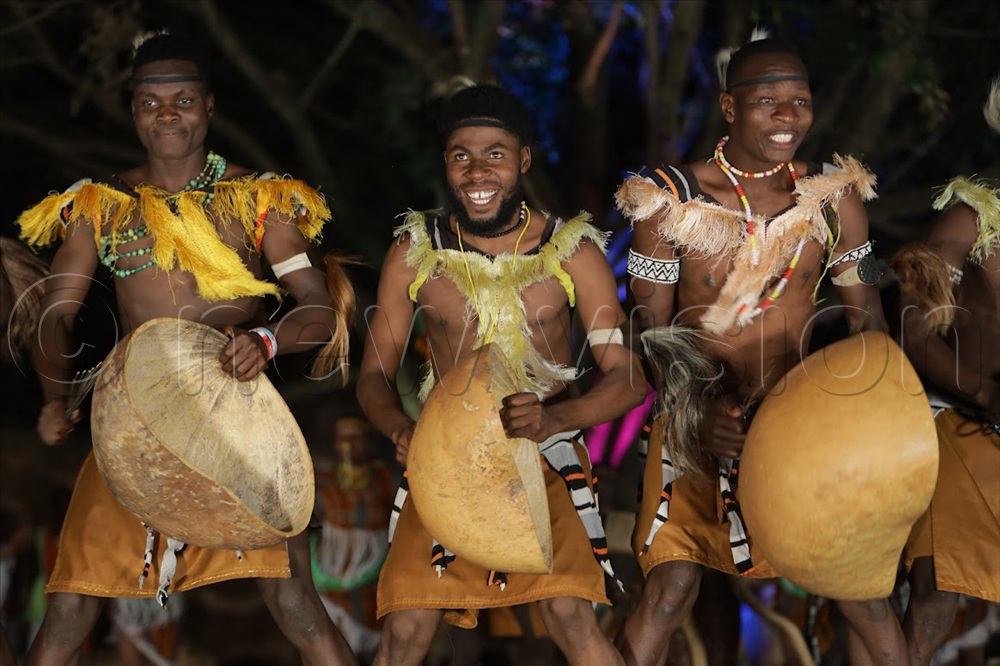
Jean Byamukama, Chief Executive Officer of the Uganda Hotel Owners Association, said Uganda's accommodation sector has matured significantly.
"From luxury hotels to budget accommodation, Uganda caters for all categories of travellers. There are more than 6000 rooms in place," she said.
Tour operators attending the expo observed that today's tourists are increasingly seeking authentic and immersive experiences rather than conventional package holidays. Visitors want meaningful connections with local communities, culture, cuisine and heritage.
That trend is creating fresh opportunities in China, one of the world's largest outbound tourism markets. Judyth Nsababera, Consul General of the Republic of Uganda in Guangzhou, China, said the country is repositioning itself to attract Chinese travellers looking for personalised experiences.
Authenticity as Uganda's selling point
Tourism marketers are now promoting experiences such as coffee tourism, where visitors participate in the journey from coffee farm to cup, alongside cultural encounters, culinary tourism and community-based experiences.
Stakeholders argued that Uganda's greatest strength lies in its authenticity. Rather than competing directly with larger tourism destinations, the country is leveraging its unique blend of culture, food, music, storytelling and warm hospitality.
The upcoming 2027 Africa Cup of Nations (AFCON), which Uganda will co-host, is also expected to boost international visibility and attract sports tourists eager to combine football with wildlife, adventure and cultural experiences.
Beyond major events, Uganda continues to market its diverse attractions, including mountain gorilla trekking in Bwindi, wildlife safaris, birdwatching, adventure tourism on the Nile and vibrant cultural experiences across the country.
While challenges such as expensive air travel, limited direct flights, infrastructure gaps and the need for stronger digital marketing remain, tourism officials are optimistic that economic diplomacy will help unlock new markets across Europe, Asia, Africa and the Middle East.
For ordinary Ugandans, increased tourist arrivals could translate into more jobs for tour guides, hotel workers, transport operators, entertainers, artisans and farmers supplying the hospitality sector.
As global competition for tourists intensifies, Uganda is banking on authenticity, culture and strategic diplomacy to position the Pearl of Africa as a destination worth discovering.