
Uganda Paralympic Committee steps up talent search for LA 2028
This year’s exercise takes a more targeted approach, focusing on athletes with specific and often underrepresented impairments.
Uganda Paralympic Committee steps up talent search for LA 2028
With just two years until the 2028 Los Angeles Paralympic Games, Uganda’s National Paralympic Committee has intensified its talent identification drive, rolling out regional trials to strengthen the national para-athletics team.
This year’s exercise takes a more targeted approach, focusing on athletes with specific and often underrepresented impairments.
During the opening trials held over the weekend in Masaka City, more than 40 participants from the greater Masaka region and nearby districts took part.
Irene Nabisenke, Sports Development Officer, said the renewed grassroots campaign aims to reach categories of athletes that are rarely identified. The committee is prioritizing individuals with intellectual impairments and certain physical conditions, such as dwarfism, citing their strong potential for international success.
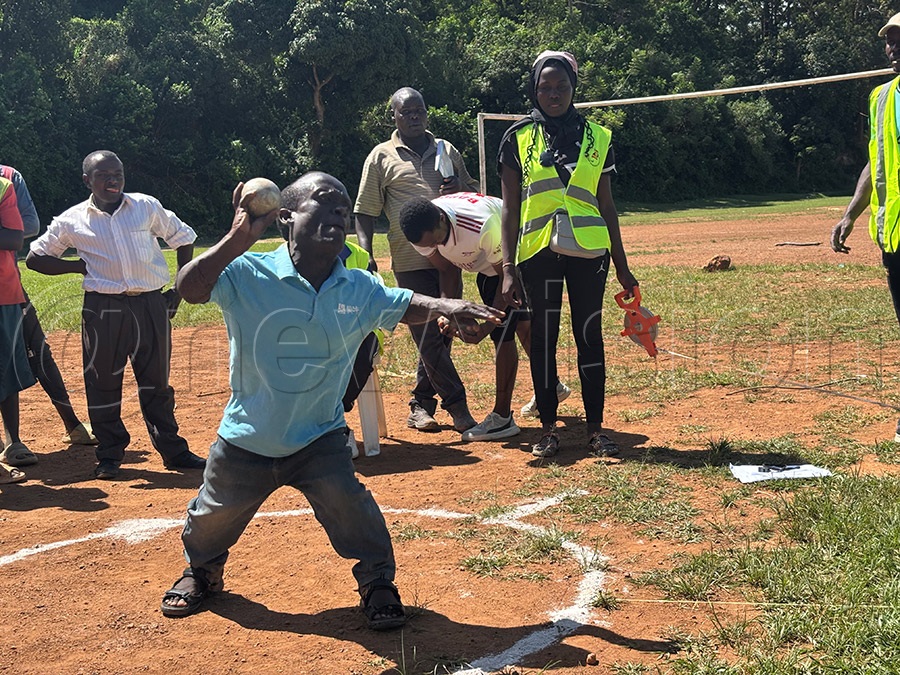
Nabisenke attributed low numbers in these categories to limited community awareness, noting that many potential athletes remain outside the sports system. While some individuals, particularly little people, are often seen in entertainment spaces, efforts are now being made to transition them into competitive sports.
The committee also plans to expand its search to schools, where many individuals with intellectual impairments can be found. However, identifying such athletes remains a challenge, as many are hidden, neglected, or lack proper documentation. Intellectual impairment is typically defined by an IQ below 70, and confirming eligibility requires thorough assessments.
Progress has been slowed by a shortage of certified health professionals and classifiers accredited by the International Paralympic Committee, making it difficult to formally identify and prepare athletes for competition.
Currently, Muzam Chebet, a 1500m runner, is Uganda’s only notable athlete with an intellectual impairment. She continues to undergo evaluation and monitoring by international authorities. The committee believes expanding this category could significantly boost Uganda’s medal prospects, noting that countries fielding such athletes often perform strongly due to limited global participation in these classifications.
Unlike physically and visually impaired athletes who compete across a wide range of disciplines, intellectually impaired athletes are limited to selected events such as the 100m, 400m, 1500m, some field events, and swimming.
In Masaka, participants competed in athletics, shot put, and discus under the guidance of national coach Vincent Mutagubya. The talent search will now move to other regions, with upcoming trials scheduled in Gulu City for the northern region and Soroti District in the east.
Despite the ambitious nationwide plan, the committee acknowledges that financial constraints remain a major obstacle, limiting their ability to cover all regions and fully realize their talent identification goals.