
One year to go: Brazil gears up to host FIFA Women's World Cup 2027
For the first time in history, South America will play host to the pinnacle of women’s international football: the FIFA Women’s World Cup 2027.
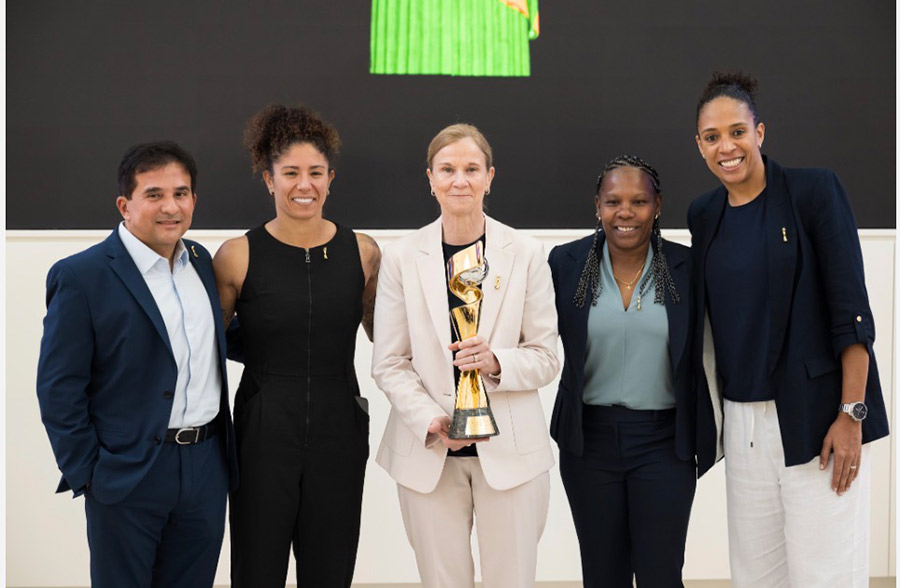
FIFA president Infatino and delegates with the women’s trophy in Miami Gardens before the match between Brazil and Scotland
The countdown has officially begun. Exactly 365 days from today, the global football landscape will witness a tectonic shift as the beautiful game heads to the spiritual home of joga bonito.
For the first time in history, South America will play host to the pinnacle of women’s international football: the FIFA Women’s World Cup 2027.
Running from June 24 to July 25, 2027, the month-long extravaganza promises to be more than just a tournament, it is a cultural and sporting awakening for a continent where women's football has long fought for the visibility and institutional backing it deserves.
To mark the one-year-to-go milestone, Brazil did what it does best, it fused art, passion, and its deepest cultural symbols to announce its readiness to the world.
On the eve of the countdown, Rio de Janeiro’s iconic Christ the Redeemer statue was illuminated in the vibrant, official colors of the FIFA Women’s World Cup 2027, casting a symbolic glow over the city and beaming a message of welcome to the international community.
But the celebrations were not confined to the skies of Rio.
Down on the ground, vibrant street-art murals were simultaneously unveiled across all eight designated Host Cities, Belo Horizonte, Brasília, Fortaleza, Porto Alegre, Recife, Rio de Janeiro, Salvador, and São Paulo. These public canvases capture the rhythmic soul of Brazilian football, transforming urban spaces into community hubs of celebration.
In the capital city of Brasília, the local organizing committees focused on the future, hosting special documentary screenings for children detailing the arduous, inspiring journey of the Brazilian pioneers of the women’s game.
Internationally, the anticipation was equally palpable. The FIFA Women’s World Cup 2027 (FIFA27) executive team, currently observing operations at the ongoing 2026 FIFA Men's World Cup in North America, gathered at the FIFA Museum in Miami for a media networking event.
"Today marks one year until the first-ever FIFA Women’s World Cup in South America kicks off," noted FIFA Chief Football Officer Jill Ellis.
“In just 12 months time, all eyes will turn on Brazil as we deliver the greatest Women’s World Cup in history,” Ellis remarked.
When the action eventually kicks off next June, an expanded field of 32 teams will battle for the ultimate crown across 64 matches.
The qualification campaigns are already heating up globally. As of today, 14 countries, including the host nation Brazil, have already locked in their places at the global showpiece.
The remaining berths will be fiercely contested over the coming months before the highly anticipated final draw, scheduled for later this year, maps out the group-stage battles.
For football fans in Uganda and across the African continent, eyes will be firmly fixed on the CAF qualifiers, hoping to see the continent's top seeds join the party in South America.
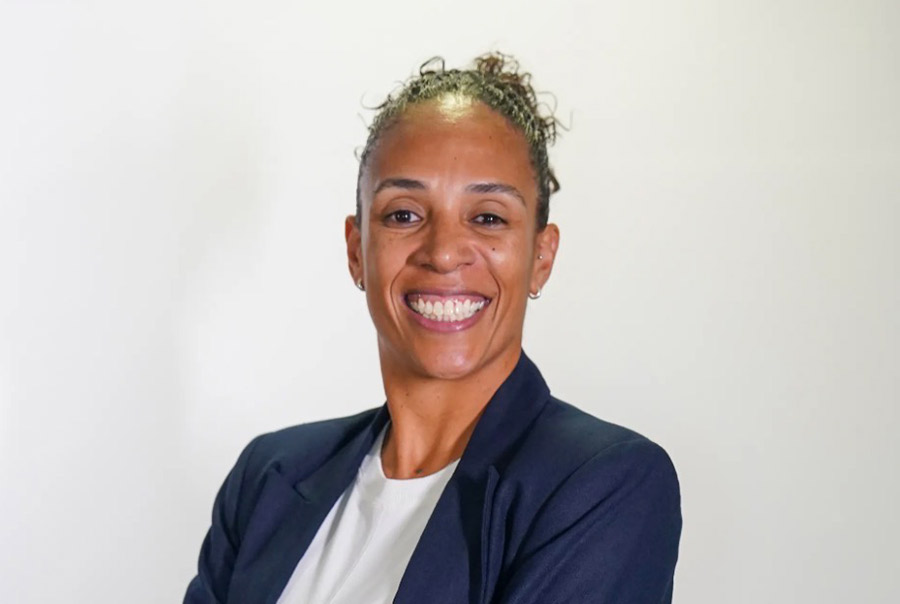
Aline Pellegrino, the FIFA27 Executive Director of Legacy and Stakeholder Affairs, emphasized that the choice of Brazil as host is a deliberate effort to solidify the sport’s global footprint.
“It promises to be an event of exceptional quality, with a mission to further elevate women’s football in the country and leave a true legacy across the continent," Pellegrino stated.
“Women’s football is no longer a niche, it has become a global movement,”
The last dance for the Queen of Football
While the structural and economic legacy of the tournament remains a major talking point, the emotional heartbeat of the 2027 World Cup undeniably belongs to one individual, Marta Vieira da Silva.
Affectionately known worldwide simply as Marta, the 40-year-old icon is preparing for what will likely be her final, and most poetic, international chapter. Despite a glittering career stacked with individual accolades including being named FIFA World Player of the Year six times, a World Cup trophy has historically eluded her. Hunting for her first major international tournament triumph on home soil, the stakes could not be higher.
Marta's legendary status was recently brought back into the global spotlight during the ongoing 2026 FIFA Men’s World Cup in North America.
For years, Marta stood alone as the most prolific goalscorer in World Cup history, holding the absolute record of 18 goals scored across tournament editions.
That historic milestone remained untouched by any footballer, male or female, until just days ago, when Argentinian maestro Lionel Messi equaled her 18-goal record during his brilliant performance against Australia in North America.
For Marta, however, the home tournament is less about personal records and more about fulfilling a collective dream.
"When you step into the stadium and the anthem plays, that is the pinnacle," Marta shared in a moving video message from the countdown celebrations.
“It is what we have always dreamed about to see women’s football in Brazil and the stadiums full. I hope we continue to see that support and that the Brazilian people come with us on this journey,” the legend shared reflecting on her illustrious career.
Inspiring a new generation
The sentiment is shared by those who paved the way. Former Brazilian internationals Formiga and Cristiane joined the chorus of excitement, highlighting the immense socio-cultural transformation the tournament represents.
"To see the FIFA Women’s World Cup in Brazil is something players have dreamed about for many years," Cristiane remarked.
It’s an opportunity to inspire and help our sport grow and become firmly established in our country,” She further mentioned.
Brazilian Minister of Sport, Paulo Henrique Cordeiro, reaffirmed the government’s commitment to ensuring the event transcends sports.
“This is a moment of pride for Brazil and a unique opportunity to strengthen women’s football across the country," Cordeiro said.
“We are committed to ensuring that this tournament leaves a lasting legacy,” he added.