
Can Uganda, Kenya and Tanzania emulate Morocco?
It may be just a few games into the tournament, but such has been the quality of organisation, infrastructure and hospitality of the 2025 AFCON, many are rating it over 9 on a scale of 10.
Supporters arrive for the Africa Cup of Nations Group A football match between Morocco and Mali at Prince Moulay Abdellah Stadium in Rabat on December 26, 2025. (AFP)
_________________
Hosting the Africa Cup of Nations presents unique challenges due to the immense scale and anticipation surrounding the event.
In the aftermath of the 2025 edition in Morocco, the bar will have been set so high that subsequent hosts Uganda, Kenya and Tanzania will basically need prayers. Practically, the joint hosts of the 2027 edition will have to navigate a slew of political, economic, and logistical hurdles to come anywhere close to emulating Morocco’s success.
It may be just a few games into the tournament, but such has been the quality of organisation, infrastructure and hospitality of the 2025 AFCON, many are rating it over 9 on a scale of 10.
In fact, while commending Morocco for its overall organisation, Senegal football star Idrissa Gana Gueye challenged the AFCON 2027 hosts, Uganda, Kenya and Tanzania to emulate Morocco’s example.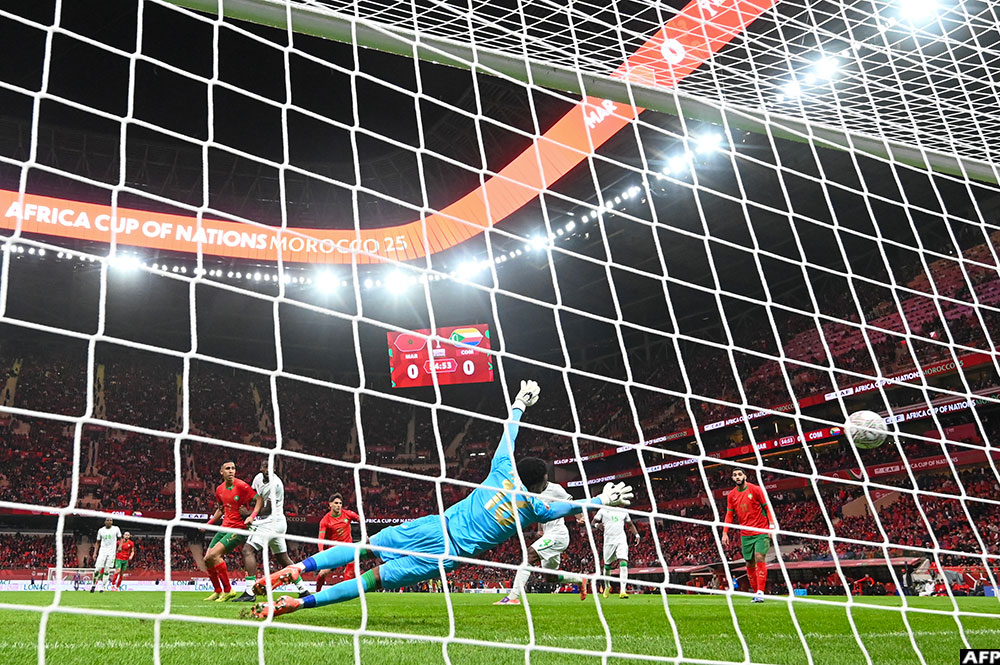
“We must congratulate Morocco for this organisation. The infrastructure is very good, and the stadium pitches are excellent,” Gueye, who turns out for Premier League side Everton, pointed.
He added that the good standards allow teams to play ‘beautiful football’.
“Naturally, these aspects raise the level of the tournament. This is what we expect from other countries that will host the African Cup in the future,” he said.
Zambia head coach Moses Sishoni feels the atmosphere surrounding the competition is reminiscent of Europe. “Morocco has offered stadiums and organisation of a high standard; we feel as if we are in Europe, and it is a model that other African countries should emulate.”
Besides Gueye and Sishoni, international media have all commended Morocco’s infrastructure across its six host cities: Rabat, Casablanca, Marrakech, Agadir, Fez, and Tangier. Nine stadiums are being used in six host cities, with four venues.
Prince Moulay Abdellah Stadium (capacity 69,500), Complexe Sportif Prince Moulay Abdellah Olympic Stadium (capacity 21,000), Complexe Sportif Prince Heritier Moulay El Hassan (capacity 22,000) and Stade El Barid (capacity 18,000) in the capital Rabat.
The others are Grande Stade d’Agadir in Agadir (capacity 45,480), Complexe Sportif de Fes in Fes (capacity 45,000), Grande Stade de Marrakesh in Marrakesh (capacity 45,240), Stade Mohammed V in Casablanca (capacity 67,000) and Grande Stade de Tangier in Tangier (capacity 68,000).
The stadiums have risen to the challenge, offering modern amenities, nearby training grounds, and high-quality hybrid pitches that have weathered on despite the heavy rains that have pounded the Kingdom since the tournament started on December 21.
When a legend in the mold of former Egypt captain Ahmed Hassan speaks, the discussion is simply put to rest.
Hassan, a four-time AFCON champion, currently in Morocco as one of CAF’s official Ambassadors, told CAFOnline that: “The organisation has been excellent. Our Moroccan brothers have done a fantastic job. From a technical perspective, the level of play is increasing with every match, and you can see teams growing stronger on the pitch. Overall, everything has been going very well.”
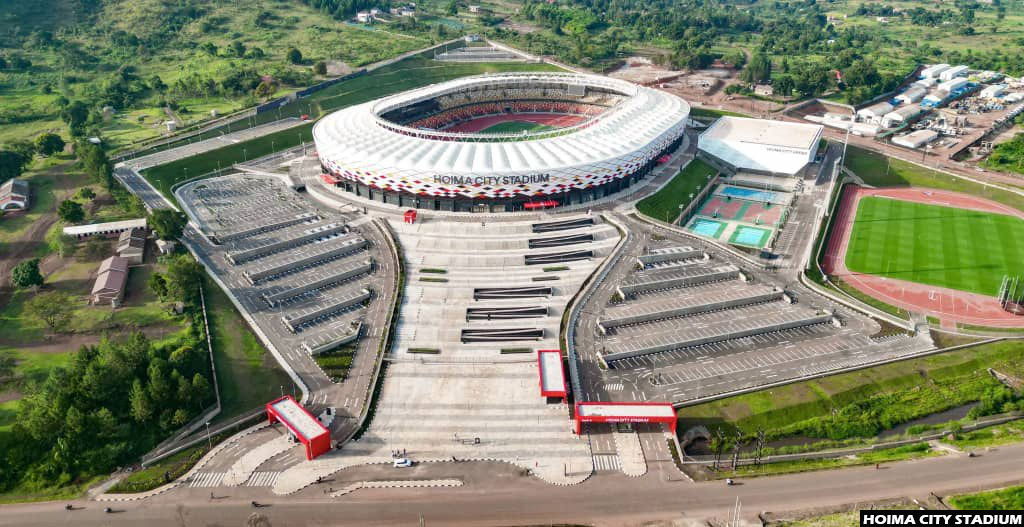
Uganda's Hoima City Stadium will be one of the venues for the AFCON 2027 to be co-hosted by Uganda, Kenya and Tanzania
Widely regarded as one of the greatest players in African football history, Hassan was a central figure in Egypt’s unprecedented AFCON hat-trick in 2006, 2008 and 2010.
From media, medical, conference facilities to accommodation and logistics, the overall organisation has been praised as a clear demonstration of the Kingdom’s readiness to host the 2030 FIFA World Cup.
But one man who never doubted Morocco’s capacity to host a successful event was Patrice Motsepe, President of the Confederation of African Football (CAF).
“The Africa Cup of Nations in Morocco will be the best in history. Morocco is special. The quality of football continues to improve, supported by massive investments from the government and the Moroccan people,” Motsepe said before the tournament.
When the curtains come down on the AFCON on January 18, 2026, the baton will be passed to the East African trio. Africa will watch and wait. Will Pamoja deliver?