
UCC cautions individuals using VPN to access Facebook
Facebook has been officially blocked in Uganda since January 2021, following a standoff between the government and the social media platform after it removed several accounts linked to government officials for alleged “coordinated inauthentic behaviour”.
On the panel (L-R): Julius Mucunguzi, spokesperson of the EC, Dr Abudu-Sallam Waiswa, Head of litigation, prosecution and legal advisory UCC, CP Dinah Kyasiimire, Ag. Director Human Rights and Legal Services, Uganda Police Force and Sheikh Ali Waiswa, representing the Mufti of Uganda. (Credit: Mpalanyi Ssentongo)
_________________
The Uganda Communications Commission (UCC) has warned individuals who use virtual private networks (VPNs) to access Facebook that they are not beyond the reach of the law.
“We know you are using VPN to access Facebook, but that does not mean you are immune to legal action. We see everything, and when the time comes, we can identify who posted what,” said Dr Waiswa Abudu, director of legal affairs at UCC, during a joint press briefing on Thursday (December 4) for key stakeholders managing the 2026 General Elections at Sheraton Hotel.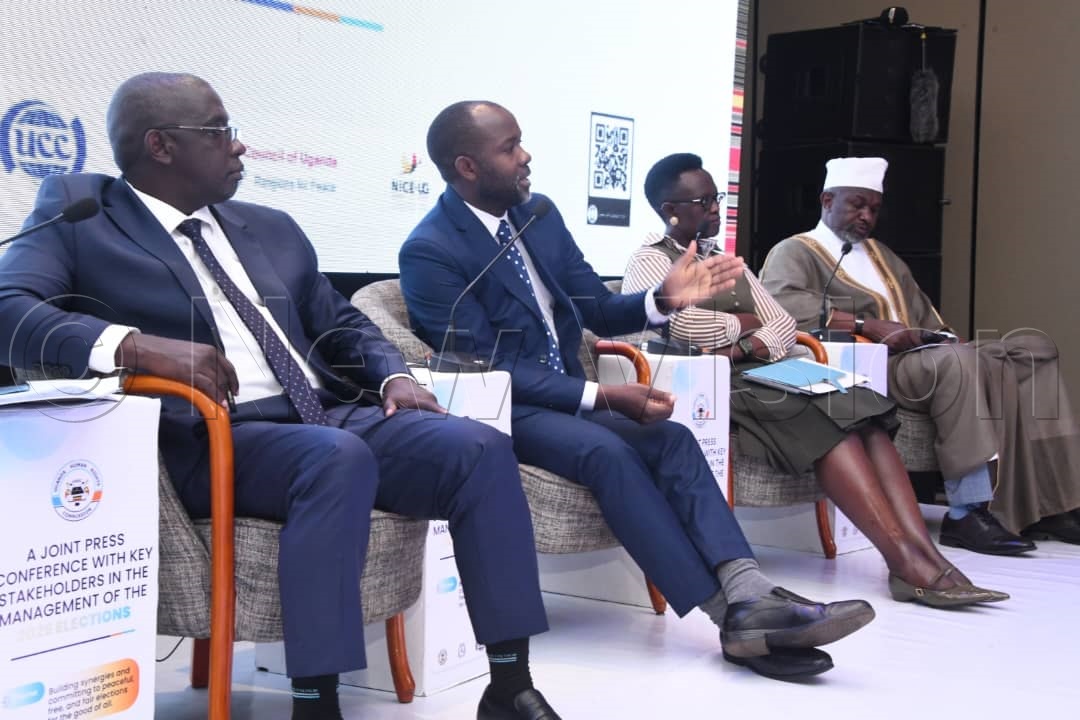
Panelists (L-R): Julius Mucunguzi, spokesperson of the EC, Dr Abudu-Sallam Waiswa, Head of litigation, prosecution and legal advisory UCC, CP Dinah Kyasiimire, Ag. Director Human Rights and Legal Services, Uganda Police Force and Sheikh Ali Waiswa, representing the Mufti of Uganda. (Credit: Mpalanyi Ssentongo)
Facebook has been officially blocked in Uganda since January 2021, following a standoff between the government and the social media platform after it removed several accounts linked to government officials for alleged “coordinated inauthentic behaviour”.
Authorities responded by shutting down Facebook entirely, insisting the platform had acted unfairly and interfered with national processes ahead of the general elections.
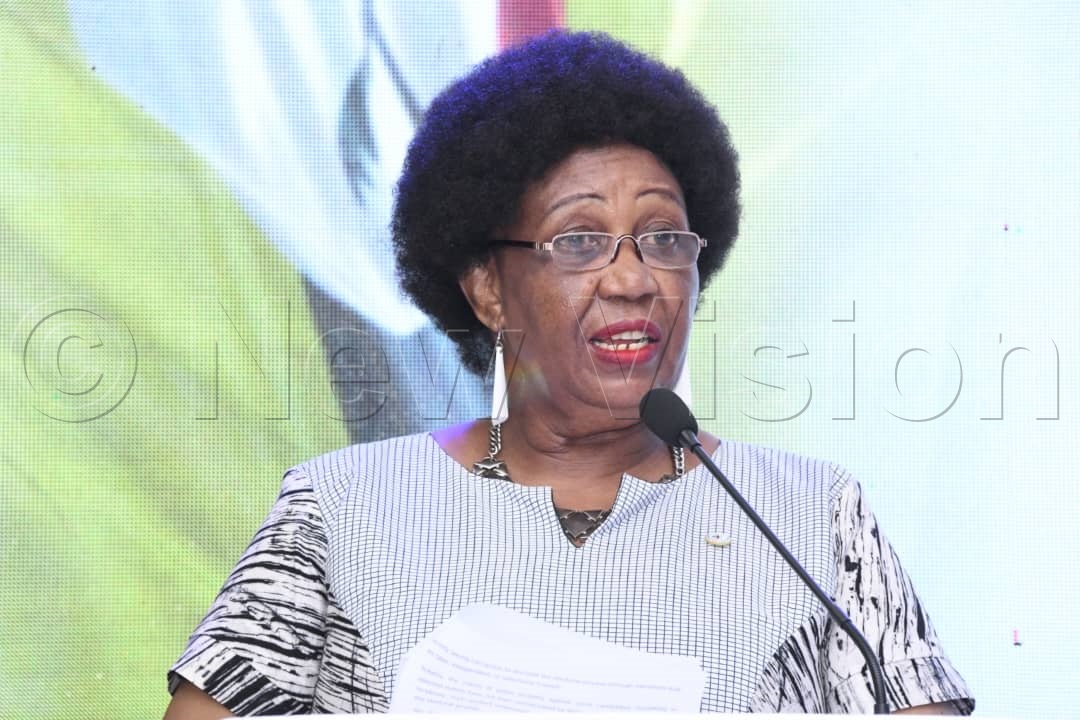
Mariam Wangadya, Chairperson, Uganda Human Rights Commission Chairperson making her opening remarks. (Credit: Mpalanyi Ssentongo)
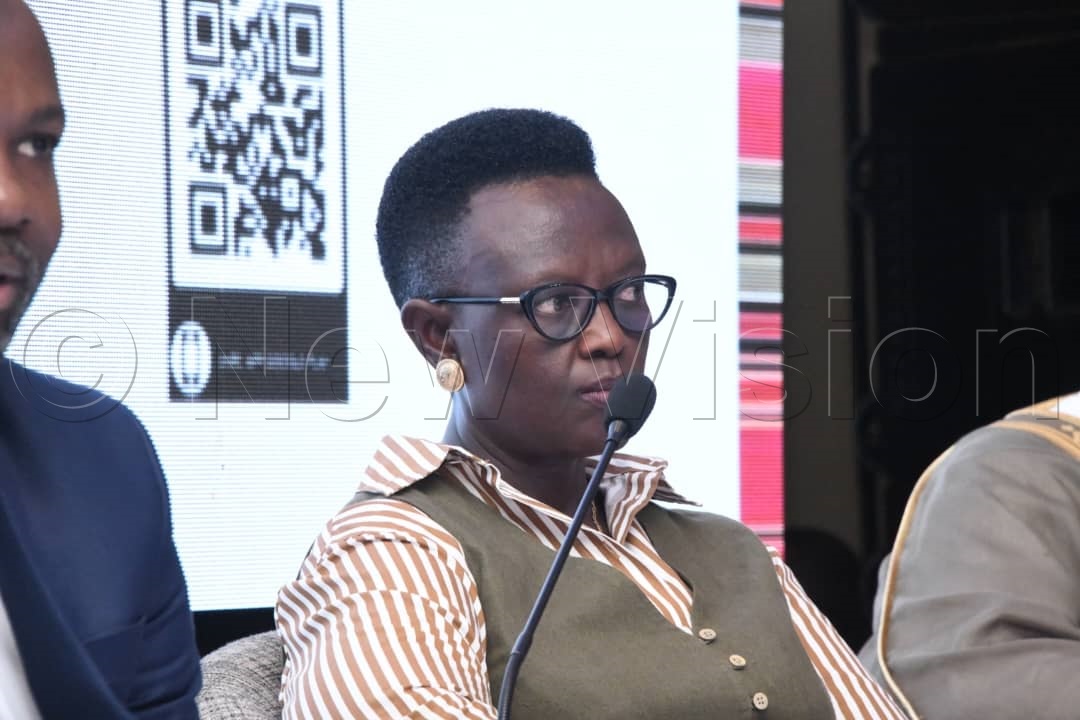
CP. Dinah Kyasiimire. (Credit: Mpalanyi Ssentongo)
The ban forced millions of Ugandans, including ordinary users, business owners, influencers and media houses, into a sudden digital blackout. Small businesses that relied on Facebook Marketplace lost customers overnight. Online vendors struggled to rebuild their presence on alternative platforms. Advertising agencies recorded reduced revenue as clients scaled back. For many young people who depended on content monetisation, the shutdown resulted in immediate loss of income.
To adapt, Ugandans turned to VPNs, creating an underground digital ecosystem where the platform remained accessible but concealed behind virtual routing. VPN downloads increased sharply, and Facebook usage in Uganda continues largely in the shadows, remaining unofficial, unregulated and in defiance of the ban.
The new warning appears intended to remind users that anonymity cannot be guaranteed. According to Dr Waiswa, the commission has the technical capacity to detect VPN activity and link online posts to individual users. Although no prosecutions have been publicly announced, the caution comes at a sensitive time as the country moves into another election season, a period when online activity typically intensifies.
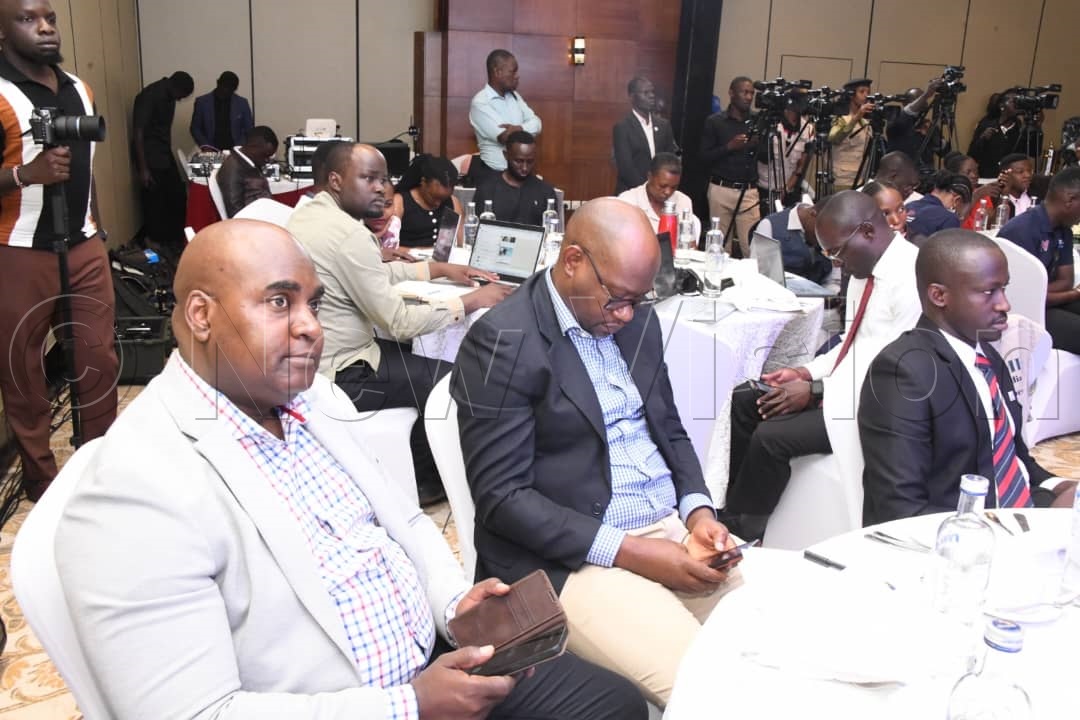
Guests at the event. (Credit: Mpalanyi Ssentongo)
Before Facebook was blocked, the platform had 1.8 million users in Uganda. Dr Waiswa said that 1.5 million people continue to access it through VPN.
At the same briefing, government communication experts and security officials urged political actors to respect electoral guidelines to prevent unnecessary confrontations.
“Many of the confrontations we see today could be prevented if electoral laws and guidelines were consistently respected. We urge all presidential, parliamentary and local candidates to take the lead in upholding these rules,” said Julius Mucunguzi, the spokesperson of the Electoral Commission.
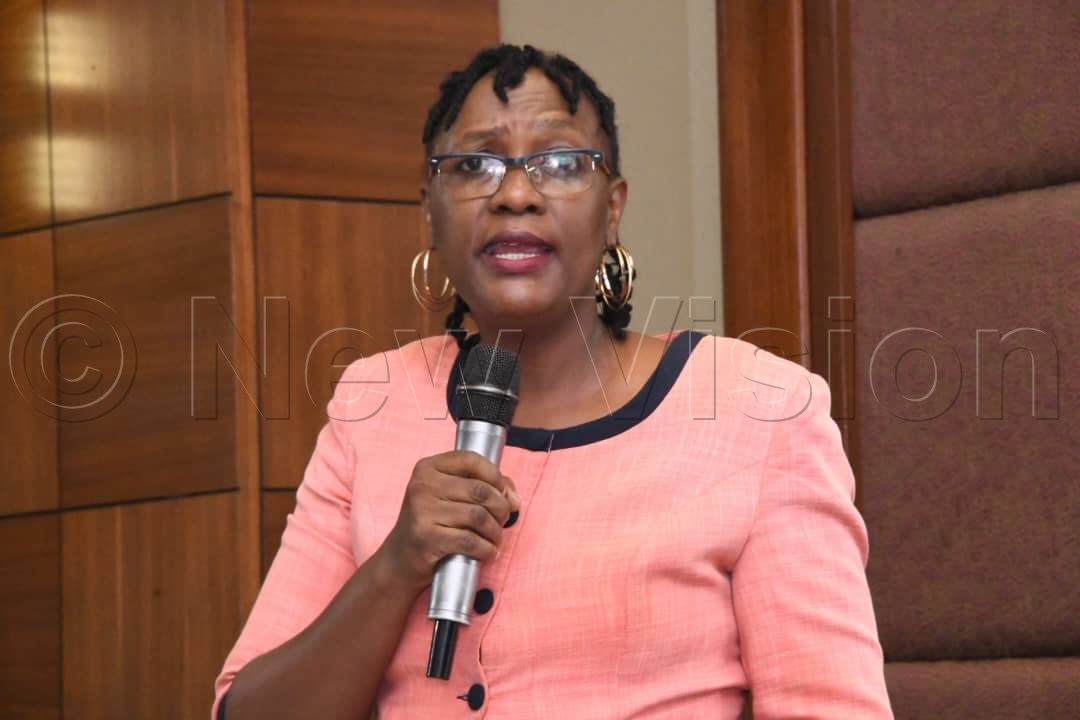
Charity Ahimbisibwe, ED, Electoral Laws Institute, Uganda. (Credit: Mpalanyi Ssentongo)
The Uganda Police also reaffirmed their mandate to maintain safety as campaigns and online engagements increase.
“Our role is to protect life and property, prevent crimes, and ensure that candidates, voters and electoral venues are secure,” said Commissioner of Police Kyasiimire Dina, the acting director for legal and human rights services.