
Gaming emerges as new frontier in Uganda’s innovation drive
Uganda’s STI initiatives are opening pathways for youth in gaming, innovation and digital careers
The Code Chaos team created the winning project focused on the protection of endangered species through interactive gaming.
Uganda’s efforts to grow its science, technology and innovation (STI) sector are beginning to unlock new opportunities in the creative economy, with game development emerging as a viable career path for young people.
The recently concluded Game Jam 2026, a 24-hour hackathon held from Saturday, March 21 to Sunday, March 22, 2026, brought together developers, creatives and innovators to design games based on real-world themes, highlighting how government-backed initiatives are translating policy into practical outcomes.
The event, supported under the STI framework through the Engineering Development and Innovation Centre, focused on building skills, encouraging innovation and connecting participants to mentorship and industry networks.
From innovation policy to practical impact
For years, Uganda’s STI agenda has prioritised engineering, research and emerging technologies. Initiatives such as the Game Jam are now extending this focus into creative technology sectors, including gaming.
David Gonahasa, team lead of Industry 4.0+, said government is committed to creating more pathways for young innovators through structured programmes.
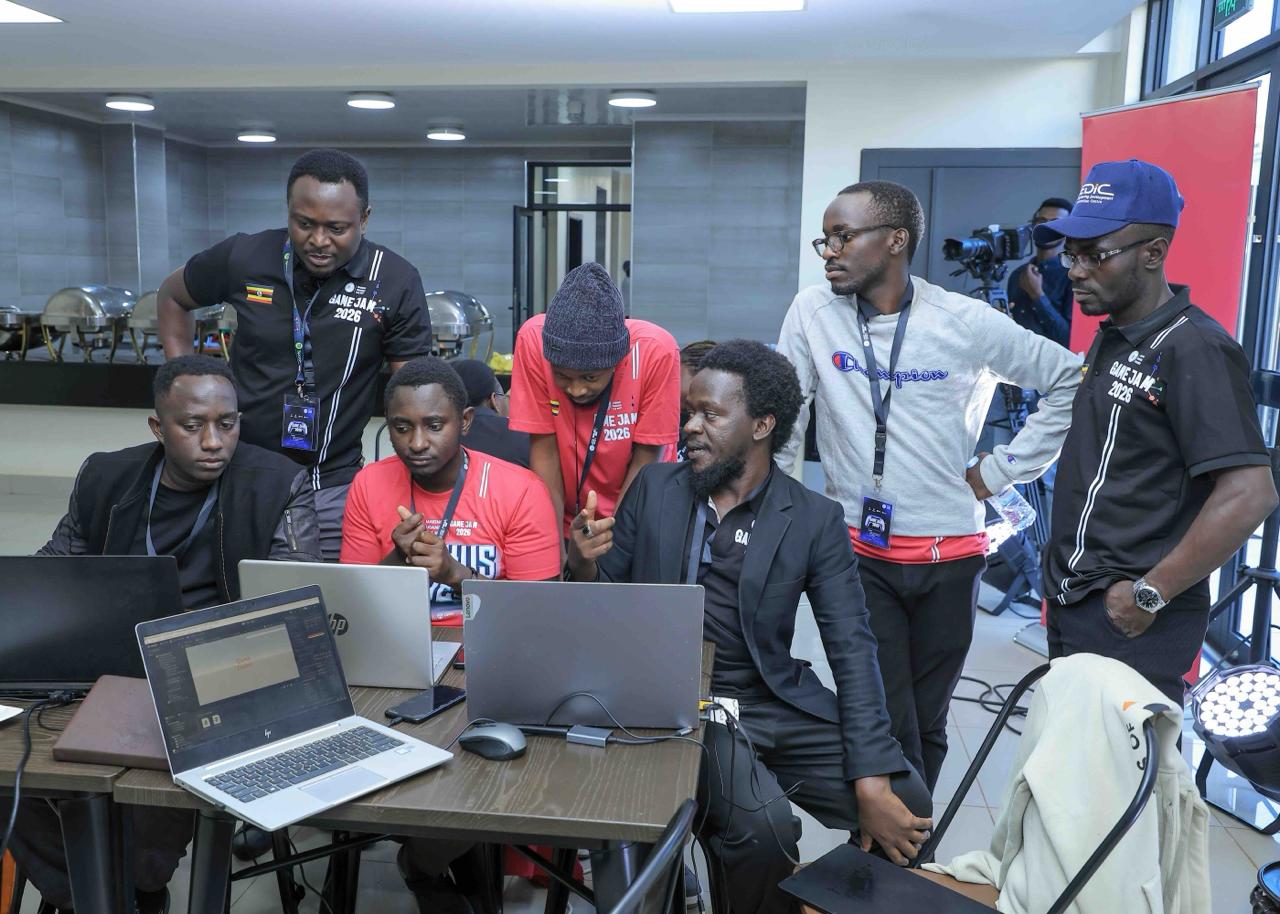
Participants polish their ideas during the two-day hackathon.
He noted that platforms like the Game Jam are helping identify talent, nurture ideas and link developers to support systems that can enable long-term growth.
Gaming gains ground in the digital economy
Participants developed games based on themes closely linked to everyday realities, including conservation, food culture, transportation and heritage.
The winning project, Endangered by Code Chaos, focused on the protection of endangered species through interactive puzzle gameplay. Nyanya Mbisi by Loop Studio drew inspiration from Uganda’s street food culture, recreating the fast-paced experience of preparing and delivering the popular Rolex. Last Hope by Night Owls took third place with a conservation-based survival concept.
The projects demonstrated how gaming can be used as a tool to communicate ideas, raise awareness and engage audiences, particularly young people.
Cross-sector relevance
Experts say game development cuts across multiple fields, including software engineering, storytelling, education and design.
This makes it applicable beyond entertainment, with potential use in areas such as environmental awareness, urban planning and learning.

Yasmina Boubnider Kazitani pledged to expand opportunities for industry players, including women in technology.
As a result, gaming is increasingly being viewed as both a career path and a platform for delivering information in an interactive format.
International engagement and opportunity
The event also attracted international participation, including Yasmina Boubnider Kazitani, a global expert in blockchain and gaming, who attended as a keynote speaker and judge following an invitation from the Government of Uganda.
Drawing on her global experience, she emphasised the importance of building products rooted in local realities while meeting international standards.
She expressed confidence in Uganda’s potential and pledged to support industry players by opening up opportunities, including for women in technology.
Building a community and support system
Participants will continue to receive mentorship and technical support through Tech Anatomy, aimed at refining their concepts into viable products.
Event coordinator Danze Edwin said the initiative is part of a broader effort to build a sustainable gaming ecosystem in Uganda.

Code Chaos presenting their winning project Endangered.
He noted that the Game Jam is not only about creating games but also about fostering collaboration and enabling developers to grow within a structured environment.
Edwin, who has been active in the local gaming community since 2014 and internationally since 2020, said continued support and collaboration will be key to the sector’s growth.
Partnerships driving innovation
The Game Jam was organised through collaboration between several institutions, including the Engineering Development and Innovation Centre, Tech Anatomy and Arudem, with additional input from industry players such as Melvin Kiyimba and Tobias Fluck.
Observers say such partnerships are critical in building a strong innovation ecosystem that connects government, private sector and creative industries.
Looking ahead
Game Jam 2026 reflects a broader shift in Uganda’s innovation landscape, where practical platforms are increasingly being used to develop skills and unlock new industries.
With continued investment and support, stakeholders believe game development could contribute to job creation, digital skills development and the growth of Uganda’s creative economy.