
How multi-billion project became Mbarara city's nightmare
Managing garbage dumping sites is a challenge not only for Mbarara city but for all cities and urban areas. It requires collective effort from everyone involved—from homes and businesses where garbage is generated, to transporters, and finally to those who handle the dumping.
An abandoned water source. (Courtesy)
_____________
“After my parents failed to raise my school fees, I started working to earn a living at age 11,” Olivias Nyeturize, now 27 years old, says. The mother of two scavenges at Mbarara city’s garbage site in Kenkombe to support her family.
Nyeturize, who hails from Kiruhura district's Nyabushozi, is among many people, especially women, who depend on scavenging from garbage collected from Mbarara city.
“For the past 11 years, I’ve survived by looking for plastics in the garbage brought to Kenkombe. This is how I raise money to care for my two children and shelter them,” she says.
Monica Turyahebwa, 44, from Ntungamo district, has drawn her livelihood from garbage at Kenkombe for over 10 years to support her four children.
“After a month of collecting plastics, you can earn shillings 300,000, but my house rent is 50,000 shillings,” she says.
Health, security, and disputes
However, despite the benefits of being able to earn a living from the garbage, Nyeturize says they face numerous dangers, including cuts from broken glass and sometimes finding foetuses or dogs while sorting through garbage for items to sell.
“We have no protective gear because we can’t afford it,” she says. “Plastic bottles sell for 200 shillings, and soft polythene and sacks each go for 100 shillings.”
Besides Mbarara, the project was also carried out in Kabale, Kasese, Fort Portal, Mukono, Jinja, Mbale, Soroti, Lira, and Kampala city.
Then Mbarara municipality mayor Wilson Tumwine says the project provided municipalities with garbage skips, collection trucks, and shelters for composting garbage into manure.
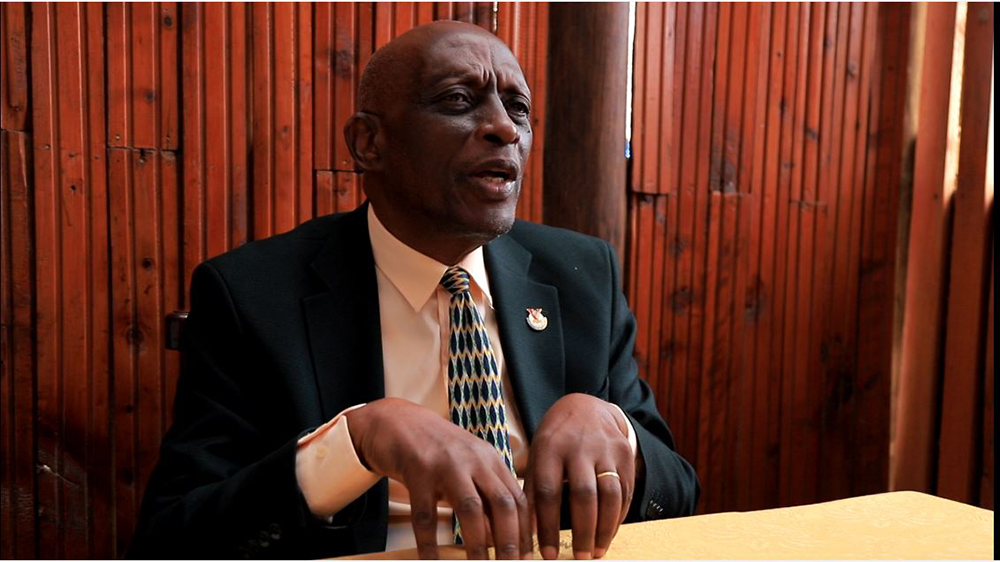
Former Mayor, Wilson Tumwine.
“Mbarara municipality received 10 garbage skips and one tipper truck. At that point, the leadership saw garbage collection and management as key to reducing waste in the city and maintaining hygiene and sanitation,” he says.
The former mayor explains that the Kenkombe compost site was divided into sections: One for sorted biodegradable waste used to make manure, another as a landfill for non-biodegradable and non-recyclable waste, and an abattoir for safe livestock slaughter. The largest area was fenced off to create a demonstration garden for growing both short- and long-term crops using manure from the site.
“The demonstration garden would be very beneficial for locals interested in modern backyard gardening,” he says.
Tumwine says the municipality managed to keep the town clean while running the dumping site.
“We were able to make manure from biodegradable waste and put non-biodegradable waste in a pit. People started coming to buy plastics, and we hired a manager to collect glass bottles and return them to beverage companies for recycling and reuse,” he explains.
Benon Mugume, who was chairperson of Kakiika sub-county when Mbarara municipality secured the landfill site, says they welcomed the project. They hoped it would improve agriculture and provide jobs for locals.
“We expected to get manure from the compost site to boost our agriculture, create jobs, and have a nearby garbage disposal site,” he says.
👉 Video: https://youtu.be/gDRmQblzCfU
The moment of collapse
Mbarara municipality received $300,000 (about shillings one billion in current exchange figures) from the World Bank over seven years for the Municipal Solid Waste Composting (MSWC) for Clean Development Mechanism (COM) project.
Bright Muhumuza, the director of Kafunjo Investments Ltd, says his company was hired by the municipal council to manage the compost site under the World Bank project.
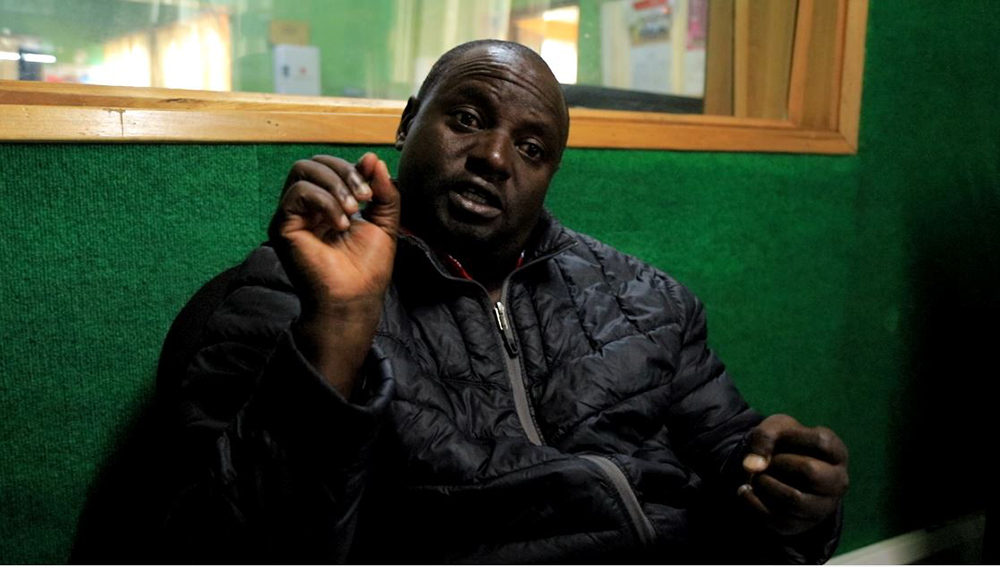
Bright Muhumuza, Director Kafunjo Investments limited.
“We were well trained and equipped by the World Bank to manage the site,” he says.
They received a grader, wheel loader, a large office at the site, and other equipment like wheelbarrows, rakes, and protective gear.
Muhumuza adds that the project included a leachate tank and plans to produce electricity, as they had been trained to do.
The company also produced 40 tonnes of organic fertiliser daily.
“This was going to become a serious income-generating project for the municipal council,” he says.
A city drowning in its own waste
Today, in 2026, the Kenkombe garbage compost site is a shadow of the once multi-billion-dollar project.
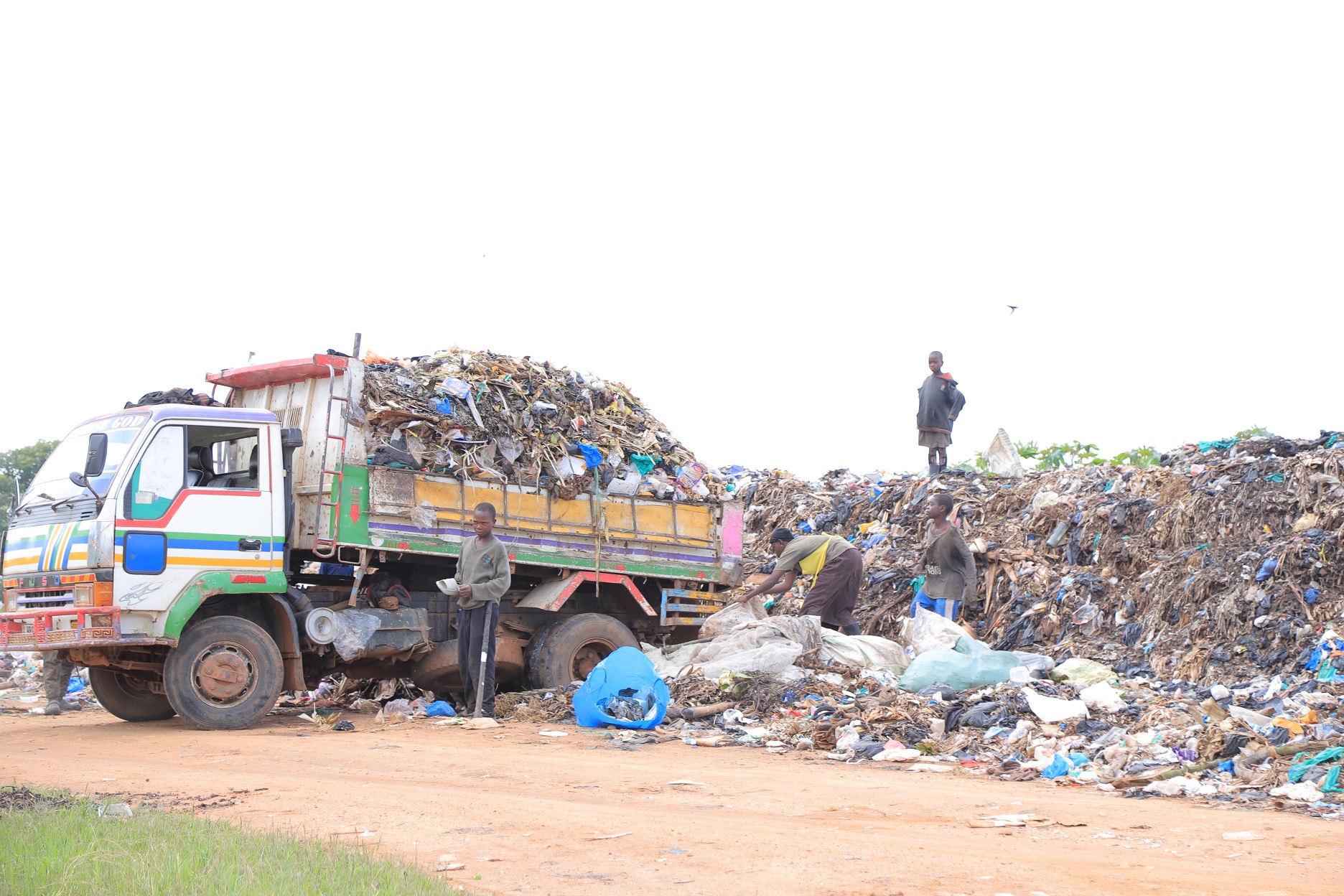
A garbage truck tips off garbage by the roadside in Kenkombe.
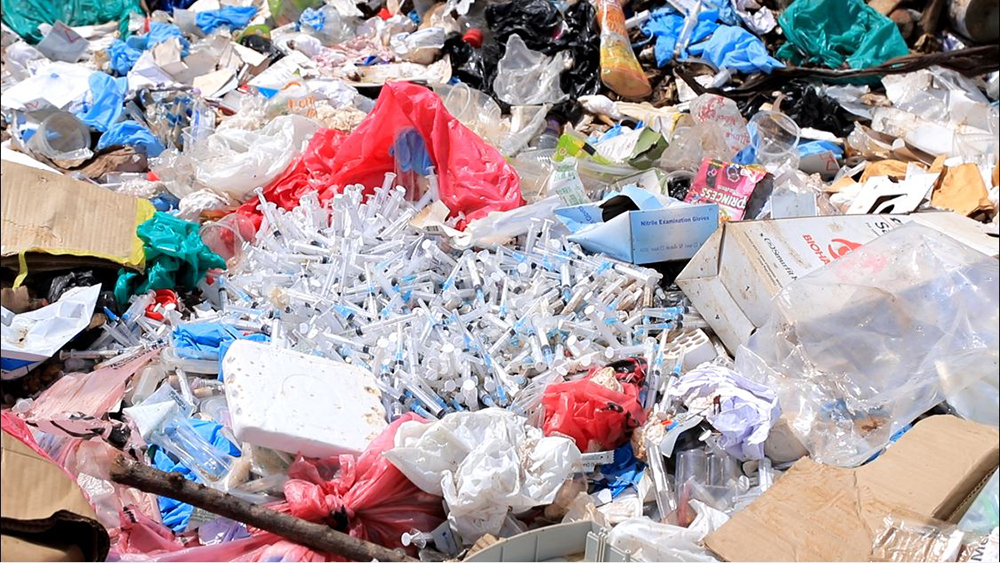
Medical waste openly dumped at the site posing a danger to the garbage scavengers.
Garbage is scattered along the roads, a foul smell can be noticed from kilometres away, and swarms of flies surround anyone who comes near the site.
Kenkombe cell chairperson Steven Guma says the garbage site has made life unbearable for residents.
“We can no longer sit in our compounds. The stench is too much, and the swarms of flies make you uncomfortable,” he says.
Nalongo Evas Tumuramye, a resident of Kenkombe cell, says garbage collectors dumping waste near homes and along roads is putting the lives of their school-going children at risk.
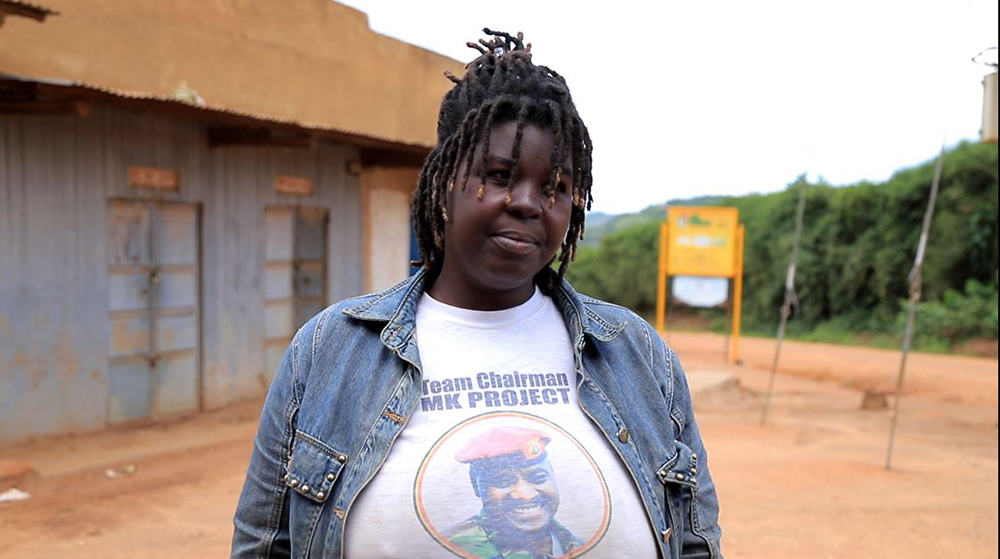
Nalongo Evas Tumuramye, a resident in Kenkombe cell. (Courtesy)
Simon Gumisiriza, who moved to Kenkombe in 2018, says they were told the garbage site would be relocated soon.
“It’s been almost 19 years, and garbage is still being dumped here. The situation is getting worse. Before, they controlled it and dumped it within the site, but now it’s even outside the site, near our homes and along the roads,” he says.
Muhumuza, who worked at the compost site for three years, says things changed after the World Bank left.
“We were paid by the World Bank and NEMA. After they left, the council said we were too expensive to keep, so they let us go and took over management of the garbage site,” he says.
On July 1, 2020, Mbarara municipality became a city.
Incumbent mayor Robert Mugabe Kakyekezi was in office during this transition and when the World Bank ended its funding for the garbage project.
“After the World Bank pulled out, the project had no management or manpower, and it deteriorated,” he says.
Guma says some locals considered boycotting local government elections.
“The mayors and our councillors have become useless to us. We asked them for clean and safe water after garbage covered our shallow wells, but nothing has been done. We also asked the city council to compensate us by extending power to our area for hosting the garbage, but they have not responded,” he says.
Legal Battles and Land Grabs
On October 15, 2025, Mbarara City Council and Ankole Diocese reached a consent agreement in Mbarara High Court to end a legal dispute between St Luke Kaburangire parish and the city council.
The church, which also hosts St Luke Church of Uganda Primary School on its land, had petitioned the Mbarara High Court over the city council’s management of the garbage site.
Rev. Boaz Tunanukye of St Luke Kaburangire says the garbage site is both a health and security threat to the community.
“The stench of dead animals, mainly dogs, is unbearable. Learners in our school often fall sick because of it. Wild dogs come to scavenge from the garbage and sometimes attack locals,” he says.
He adds that some boys who pick plastics from the garbage are also criminals.
“They attack people in the evening, snatching bags and phones. Some people have lost their lives in these attacks,” he says.
Daniel Tumusiime, a teacher at St Luke Church of Uganda Primary School, says the school population is affected by the smell from the garbage site.
“Many learners are leaving the school because the stench is too much. The flies are also irritating—imagine eating lunch with swarms of flies around you,” he says.
He adds that city authorities have promised several times to remove the garbage, but nothing has been done. Tumusiime also says that upper primary learners who come to school early in the morning are at risk of being attacked by criminals hiding in the garbage dumping site.
Samson Baguma, the head of the laity at St Luke Kaburangire parish, says since the consent judgment, Mbarara City Council has done nothing to implement it, even though they were given only 30 days.
“Court ordered the city council to move the dumping 300 metres away from the road, fumigate the garbage, plant trees in the 300-metre buffer zone, and remove garbage dumped in the buffer zone,” he says.
Unfinished business
City clerk Justine Barekye said the council is still mobilising funds to effect the consent judgment, but in the meantime, 'we have dug a big trench on the part of the site neighbouring the Church so that the garbage trucks stop accessing the dumping site from there and in the process dump garbage near the church'.
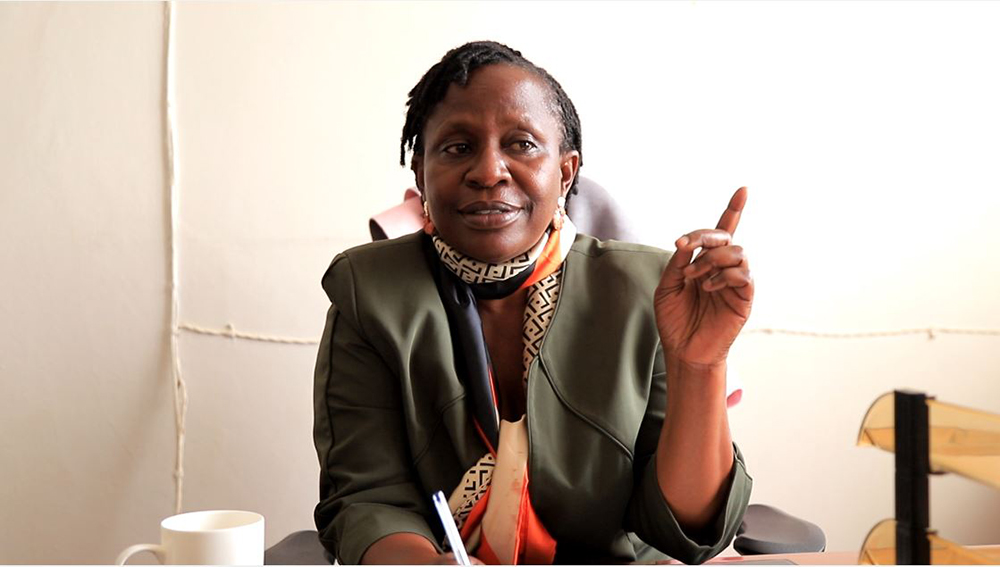
Mbarara City Clerk, Justine Barekye.
Mbarara City Council is struggling to manage the city’s garbage dumping site, but a bigger problem has emerged. Some people now claim ownership of nearly half the land used for the garbage site.
Former Mayor Tumwine says, “I don’t know how someone grabs titled land.”
Mohammed Byansi, a city councillor, says the alleged land grabber has a title.
“He got the land title in 2012. Council hasn’t done enough to follow up on this issue. I am afraid we might lose this land,” he says.
City clerk Barekye says they have hired land surveyors to mark the site’s boundaries.
“We have a land title for this place. Some people just want to take advantage and steal government land, but we won’t allow them,” she says.
Although the World Bank project ended abruptly, several stakeholders in Mbarara city believe the Kenkombe compost site is still valuable and financially viable, with plans underway to revive it.
Former mayor Tumwine suggests that as the population around the garbage site grows, the city council should consider finding an alternative site for garbage disposal.
Benon Mugume says the land used for the garbage site is too large. He says using just a quarter of it would be enough to manage the city’s garbage, and the rest could be used for income-generating projects.
The city clerk says the council is working on partnerships with organisations, especially those interested in plastics.
“People must start sorting garbage at home so they can easily sell it to interested buyers,” she says. She adds that the council is now focused on managing the Kenkombe garbage site as a business.
“Someone is planning to produce tiles from plastics, and the council is looking to provide him with operational space. If we get people to recycle the non-biodegradable waste, then the biodegradable waste can be turned into manure,” says Barekye.
Mbarara city delivers 250 tons of garbage daily to the Kenkombe site, but city clerk Barekye says this may be only half of what the city generates each day. She notes that much of the garbage ends up in drainage channels, swamps, highways, and other areas.

Mayor Robert Mugabe Kakyebezi.
Mbarara City Mayor Robert Kakyebezi says some companies are interested in setting up plants at Kenkombe to recycle non-biodegradable waste and turn biodegradable waste into manure. “Experts told us that the garbage we have is too little for their projects. The littered garbage at Kenkombe will all be used up, and the plants might even run short of garbage to recycle,” he says.
Managing garbage dumping sites is a challenge not only for Mbarara city but for all cities and urban areas. It requires collective effort from everyone involved—from homes and businesses where garbage is generated, to transporters, and finally to those who handle the dumping.