
Tayebwa rallies African MPs to resist EU ‘Interference’ in internal affairs
Tayebwa, who also serves as co-president of the joint OACPS–EU Parliamentary Assembly, criticised the European Parliament for passing resolutions against Uganda’s January general elections and for summoning Uganda’s ambassador despite earlier assessments by European Union observers that described the polls as free and fair.
Speaking during a meeting of the Eastern Africa Regional Parliamentary Group in the Ezulwini Valley in Eswatini, Tayebwa said such actions undermine sovereignty and mutual respect.
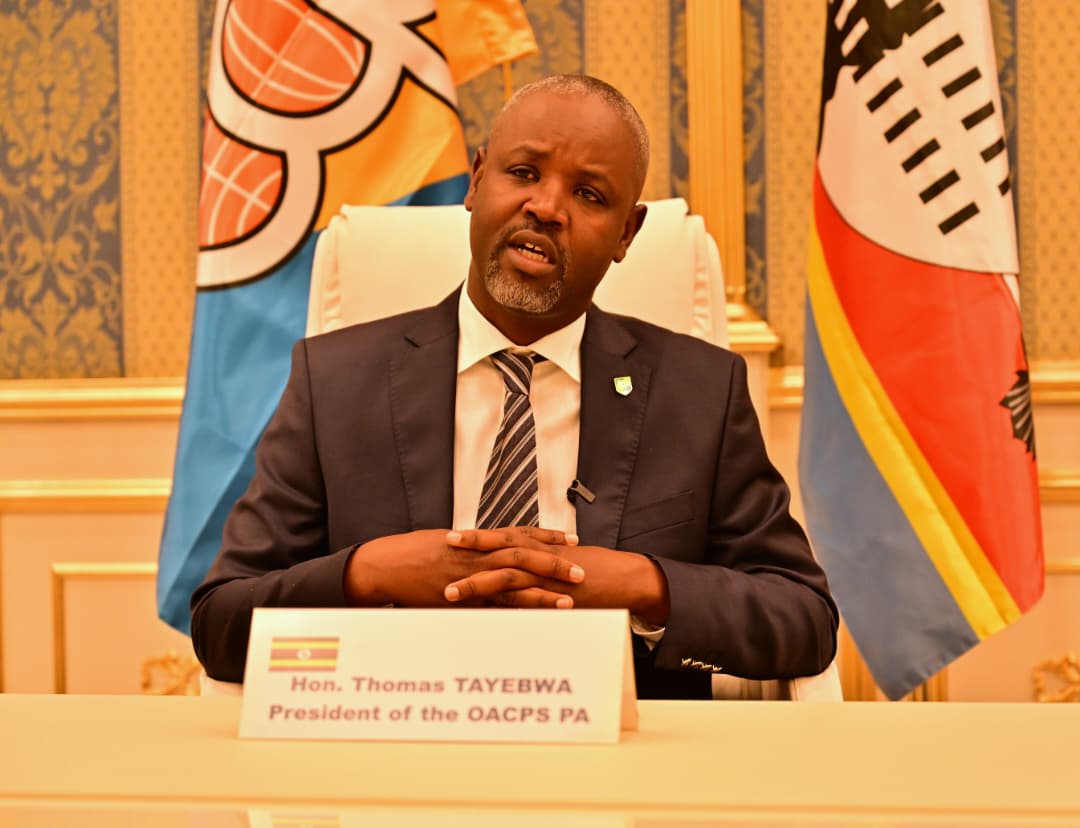
ESWATINI - Deputy Speaker of Parliament Thomas Tayebwa has called on African legislators to stand firm against what he described as the European Parliament's growing interference in the internal affairs of African countries.
Speaking during a meeting of the Eastern Africa Regional Parliamentary Group in the Ezulwini Valley in Eswatini, Tayebwa said such actions undermine sovereignty and mutual respect.
He urged members of the Organisation of African, Caribbean and Pacific States (OACPS) to push back collectively whenever African nations are unfairly targeted by foreign political institutions.
Tayebwa, who also serves as co-president of the joint OACPS–EU Parliamentary Assembly, criticised the European Parliament for passing resolutions against Uganda’s January general elections and for summoning Uganda’s ambassador despite earlier assessments by European Union observers that described the polls as free and fair.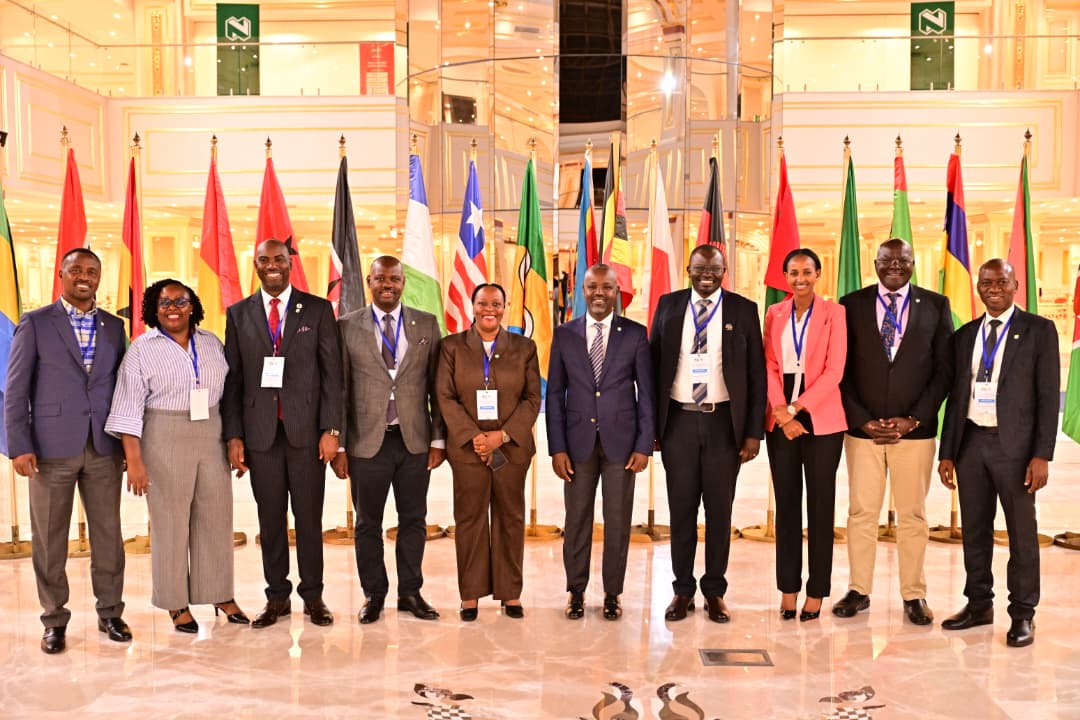
Deputy Speaker Tayebwa urged members of the Organisation of African, Caribbean and Pacific States (OACPS) to push back collectively whenever African nations are unfairly targeted by foreign political institutions.
“I think we need to caution our colleagues from the European Parliament to reduce interference in the matters of our countries,” Tayebwa said.
“We have not interfered in how they are doing their things with Russia. They should leave our countries alone.”
The Deputy Speaker said the move against Uganda was not isolated, noting that Tanzania had also faced similar diplomatic pressure after its elections when its ambassador was reportedly summoned.
According to Tayebwa, such actions contradict the spirit of the Samoa Agreement, which emphasises mutual respect, sovereignty and non-interference among partner states.
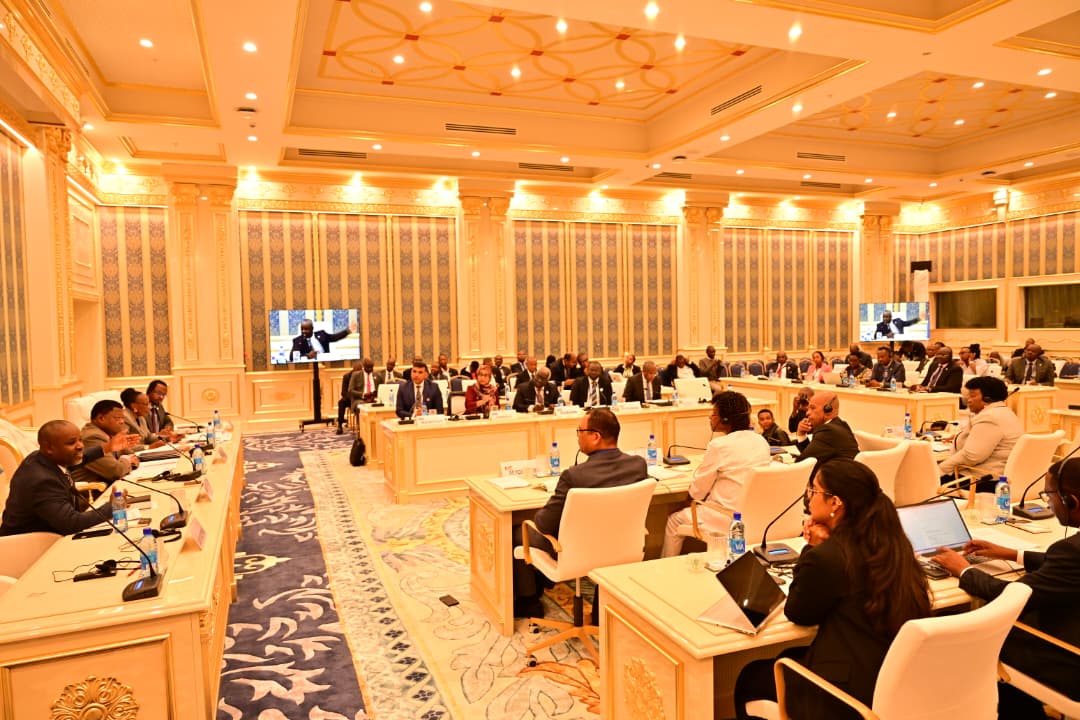
He further cited the European Parliament’s 2022 resolution seeking to halt the construction of the East African Crude Oil Pipeline as another example of external pressure on African development priorities.
“That resolution was later opposed and rescinded during our meeting in Maputo,” Tayebwa said. “It showed that when we stand together and reject what is not right, we can defend our interests.”
The remarks triggered strong reactions from Ugandan legislators attending the regional meeting, many of whom questioned whether partnerships with Europe can remain credible if African sovereignty is repeatedly challenged.
Maurice Kibaalya said the continued actions by the European Parliament cast doubt on the trust underpinning agreements between African states and Europe.
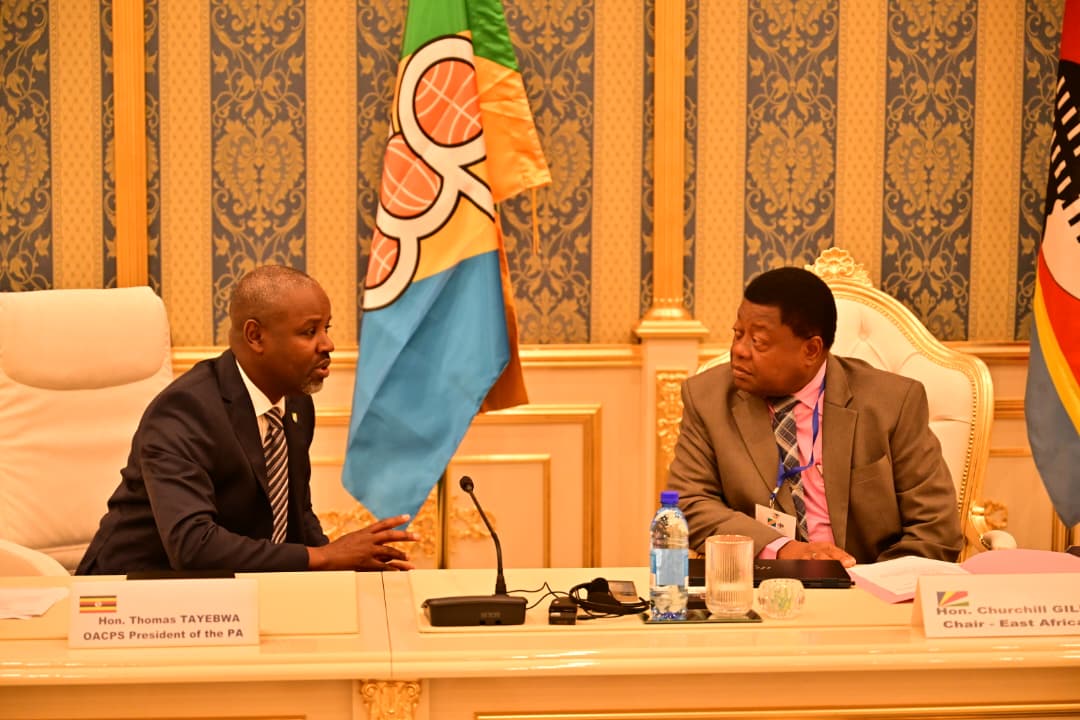
“How can we trust the agreements we are signing? Uganda ratified the Samoa Agreement in good faith, yet a parliament of another bloc is interfering in the affairs of an independent country,” Kibalya said.
He warned that unilateral actions against African governments risk discouraging states from entering future international agreements.
Amos Kankunda condemned what he termed external meddling in domestic governance.
“We really condemn in the highest terms possible the idea of mingling in our internal politics. We should be allowed to manage our own internal affairs as independent states,” he said.
Dickson Kateshumbwa also insisted that sovereignty must remain central in all international partnerships.
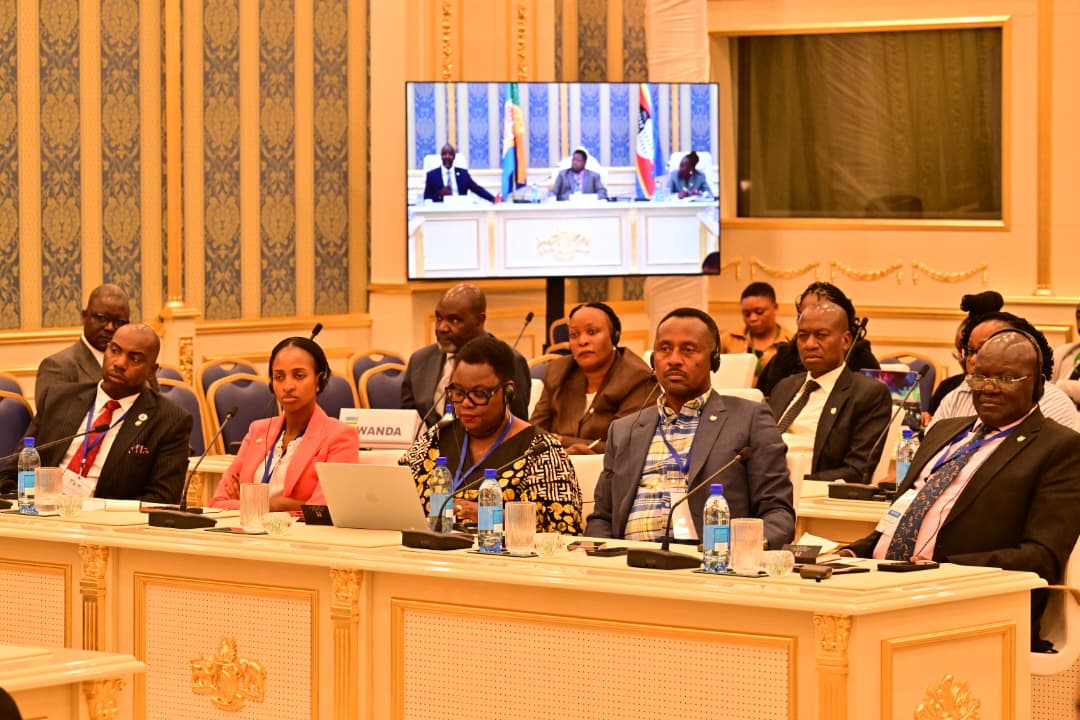
“The independence that comes with ratifying agreements like the Samoa Agreement must be respected,” he said. “We condemn in the strongest terms any interference in our internal political processes.”
Beyond the political disagreements, Tayebwa used the meeting to urge African legislators to strengthen continental unity and sharpen their negotiation strategy in engagements with external partners.
“We must get one or two clear riding points that bring us together as Africa,” he said, arguing that African countries often approach negotiations without a unified agenda, unlike other regional blocs such as the Caribbean states that rally around common priorities like climate change.
Economic concerns also dominated the discussions, particularly the need for African countries to maximise opportunities under the African Continental Free Trade Area (AfCFTA).
Tayebwa described AfCFTA as potentially the world’s largest trading bloc but lamented that African countries were yet to fully benefit from it.
“We would benefit much more from the African Continental Free Trade Area than many of these external agreements,” he said.
Lawmakers further complained about persistent non-tariff barriers that continue to restrict African exports such as coffee, tea and fish from accessing European markets, while European products continue entering African economies with fewer restrictions.
Climate financing also emerged as a contentious issue, with legislators questioning why billions pledged at global climate conferences have not translated into meaningful support for African farmers and vulnerable communities.
“They go to COP meetings and make commitments, but where is the money. How is it helping our farmers?” Tayebwa asked.