
No nepotism in my government, says Nandala
“Every mother and father is crying about taxes,” he said. “Which taxes? They are stealing sh0 trillion every year. Businesses are collapsing daily because of high taxes and the high cost of money.”
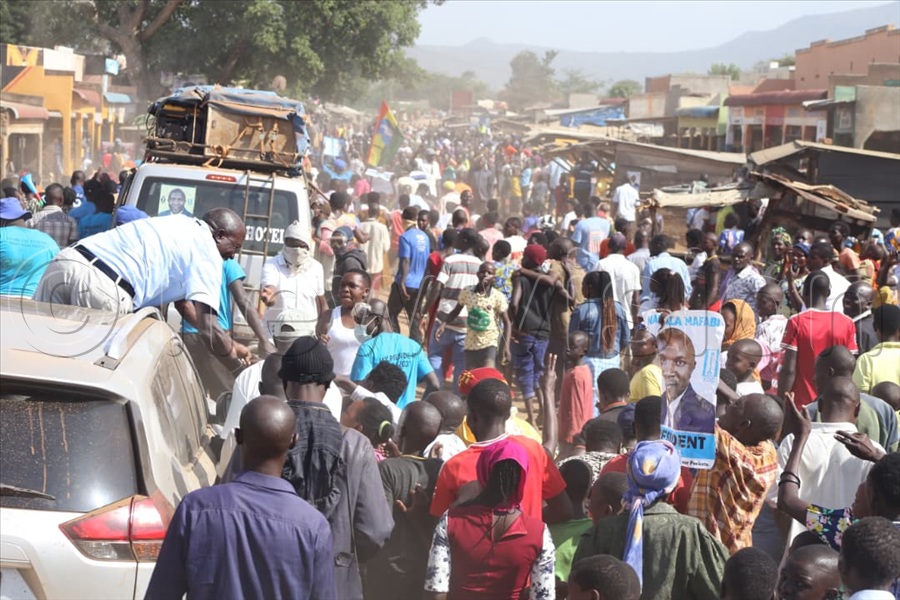
Nandala also criticised the absence of strong cooperatives, saying farmers in Mukono and Kayunga were producing coffee and other agricultural goods but earning little due to weak systems that expose them to exploitation by middlemen. (Credit: Alfred Ochwo)
AMUDAT - Forum for Democratic Change (FDC) presidential candidate James Nathan Nandala Mafabi has promised to end nepotism and discrimination in government, arguing that favouritism lies at the centre of Uganda’s poor service delivery, collapsing businesses and deepening poverty.
The promise was re-echoed in Amudat district Friday, December 26th, after he had made the same vow in Mukono and Kayunga districts on December 23, where the FDC presidential hopeful noted that most of the poor service delivery is due to discrimination in the allocation of government jobs
Addressing rallies and later speaking to journalists, Nandala said the challenges facing Mukono and Kayunga mirrored those affecting the rest of the country.
He pointed to deteriorating infrastructure, heavy taxation, costly money-lending and weak accountability as signs of a system captured by a few elites at the expense of ordinary citizens.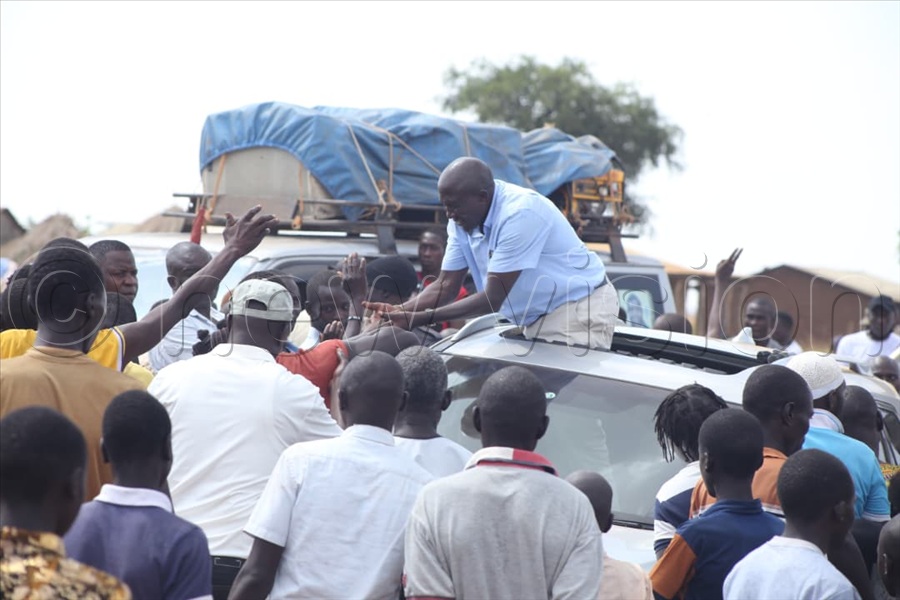
Addressing rallies and later speaking to journalists, Nandala said the challenges facing Mukono and Kayunga mirrored those affecting the rest of the country. (All Photos by Alfred Ochwo)
“In Mukono, there are no very unique issues. The problems are national. The infrastructure is bad. You have seen the roads. Poverty is everywhere. Our mothers in markets and fathers everywhere are suffering because of money-lenders. These money-lenders are a creation of government because government failed to establish banks that can support the people.” Nandala said.
He accused the state of squeezing taxpayers while corruption went unchecked.
“Every mother and father is crying about taxes,” he said. “Which taxes? They are stealing sh0 trillion every year. Businesses are collapsing daily because of high taxes and the high cost of money.”
Nandala also criticised the absence of strong cooperatives, saying farmers in Mukono and Kayunga were producing coffee and other agricultural goods but earning little due to weak systems that expose them to exploitation by middlemen.
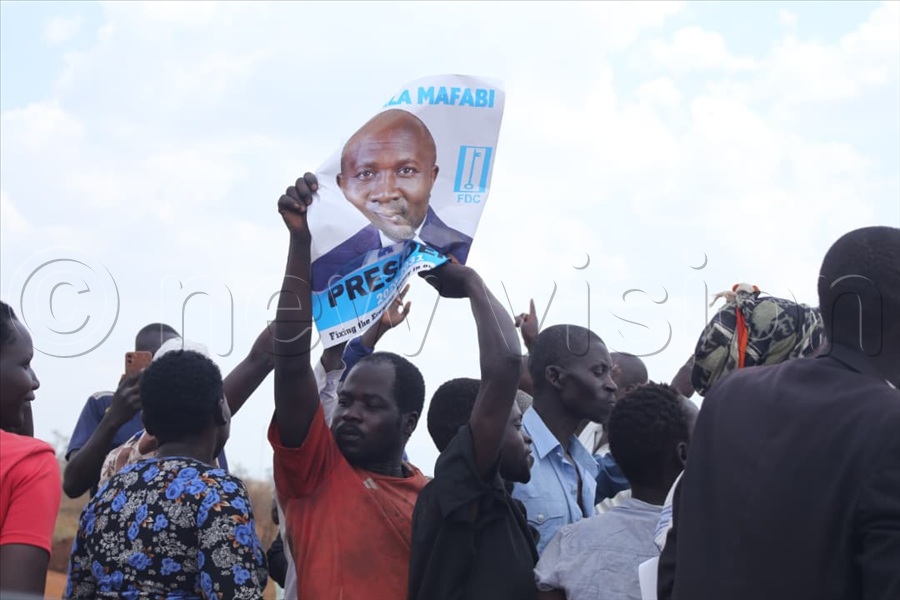
As his convoy moved through Mukono municipality, residents raised concerns about poor roads and weak health services, saying these had persisted for years despite repeated political promises.
“We hear big promises every election, but our roads remain impassable,” said Sarah Namirembe, a trader along Ggaba Road in Mukono.
“When it rains, you cannot move. Transport costs go up, and customers stop coming. We only have one main route to Kampala, and it is always jammed. You can spend three hours on a journey that should take less than 30 minutes.”
In Kayunga, frustration was directed at the health sector. James Kato, a boda boda rider from Kangulumira, said government health facilities were understaffed and poorly equipped.
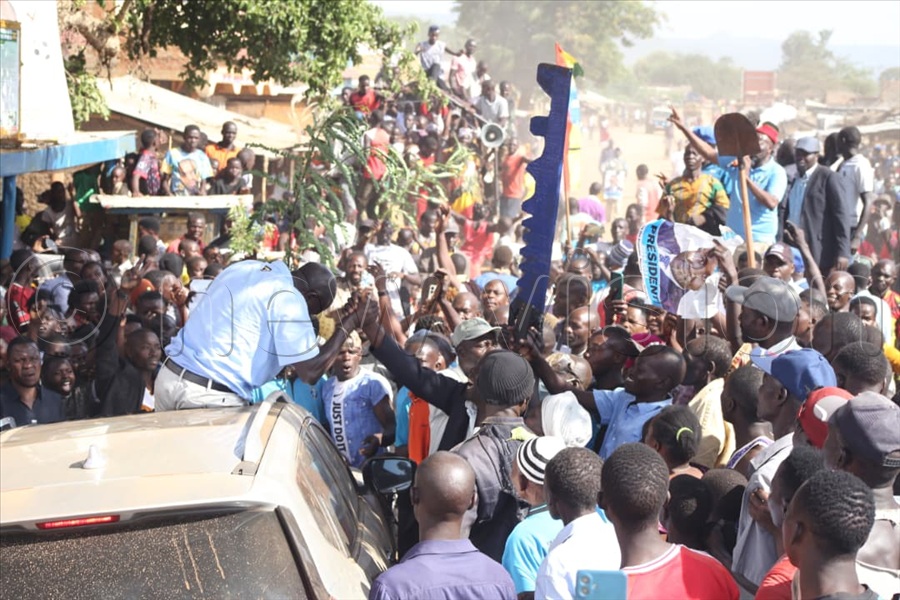
“You reach a health centre, and there are no drugs, no doctors,” he said. “They tell you to buy medicine outside, yet we are poor. Sometimes people die on the way to bigger hospitals because the local ones cannot help.”
It was against this background that Nandala returned to one of his central campaign themes: nepotism. Responding to a question about favouritism in public appointments, he said the practice had become widespread and dangerous.
“They are right to raise it,” Nandala said. “Nepotism is very common in the current government. You go to offices, and almost everyone speaks one language. Recently, when children were sent to study oil-related courses, we discovered they were coming from one area.”
He argued that the concentration of wealth in certain regions was also reflected in the spread of money-lenders.
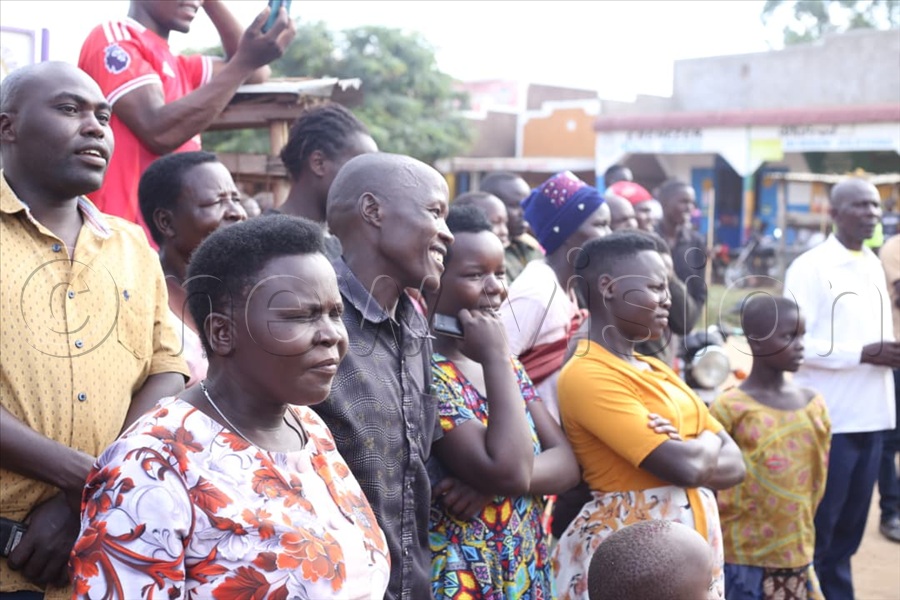
“Even the money-lenders here are from one region. What does that tell you? Money is concentrated in one region. This is money stolen from government and cleaned through such processes,” he said.
“The dangers are clear: inefficiency, corruption and abuse of office. You leave a better engineer and bring someone who is not qualified because of connections. You bring a doctor who is not a doctor. That is why performance in this country is very poor,” he added.
He also criticised how policies meant to promote fairness, such as district service commissions, had been distorted into what he described as zero grazing, where opportunities were restricted in ways that undermined merit and national unity. “That is dangerous,” he warned.
Seeking to distinguish himself from the system he criticised, Nandala cited his own record in public service, saying he had consistently worked with people from different regions.
“My secretary was from West Nile, my driver was a Muganda. Later, my driver was from Ankole, my secretary from Kabale, my office messenger from Busoga. This is public knowledge. I do not practise nepotism, and if entrusted with leadership, that will stop,” he said.
Nandala promised that an FDC government would prioritise infrastructure and social services, starting with roads and health care.
He said better roads in Mukono and Kayunga would cut transport costs, ease congestion and boost trade, while increased investment in public health facilities would save lives.