📷 Nandala pledges cotton revival as Kasese farmers decry low prices
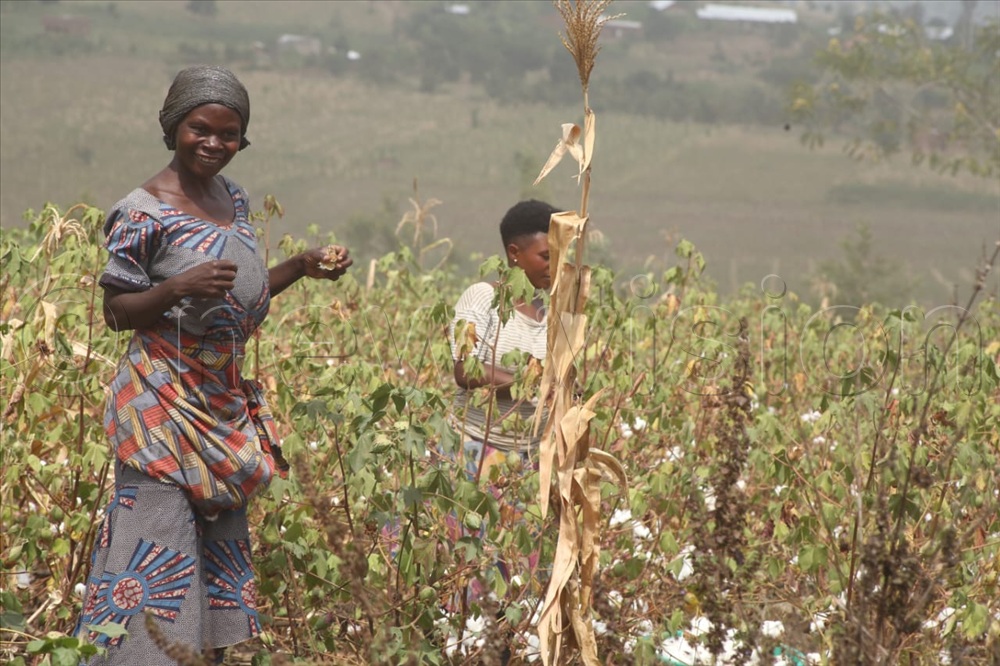
“We are growing cotton at a loss. The price they give us cannot even pay for spraying and labour. Sometimes you harvest and realise you have worked for nothing,” said Joseph Kule, a cotton farmer in Busongora South.
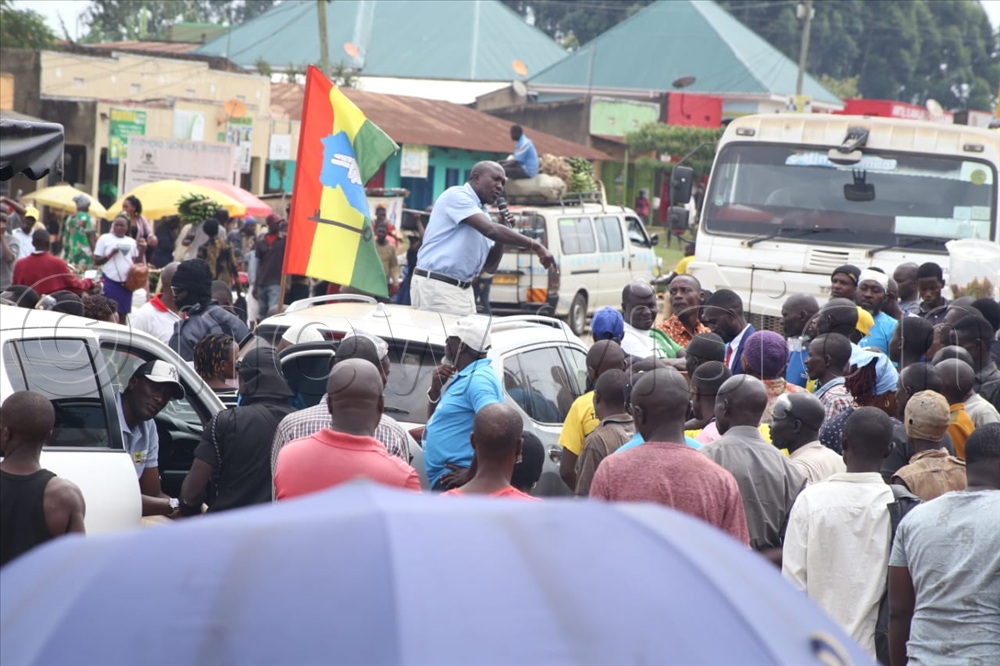
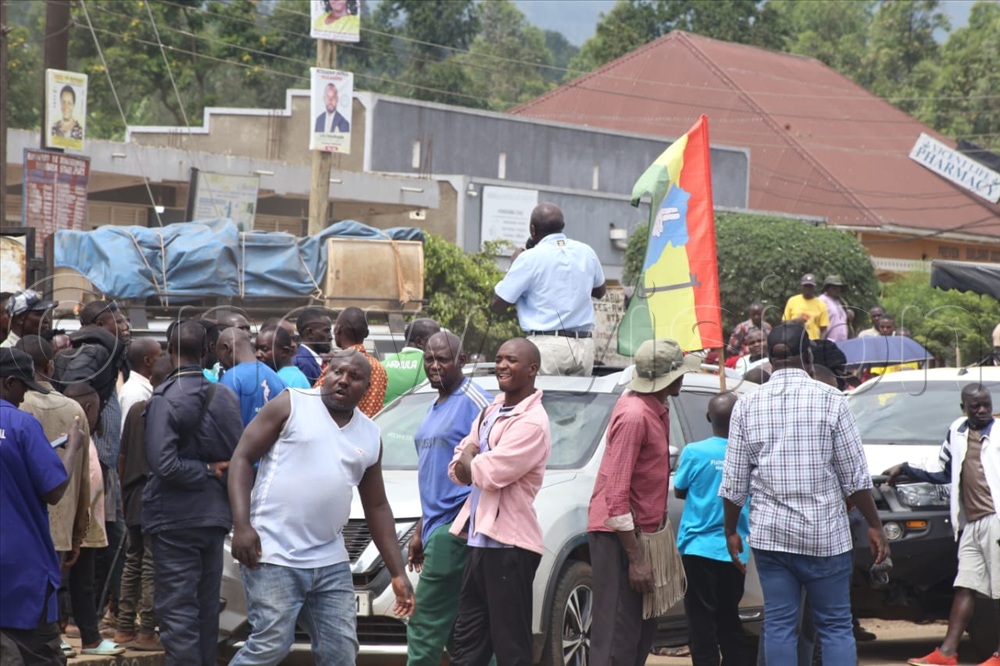
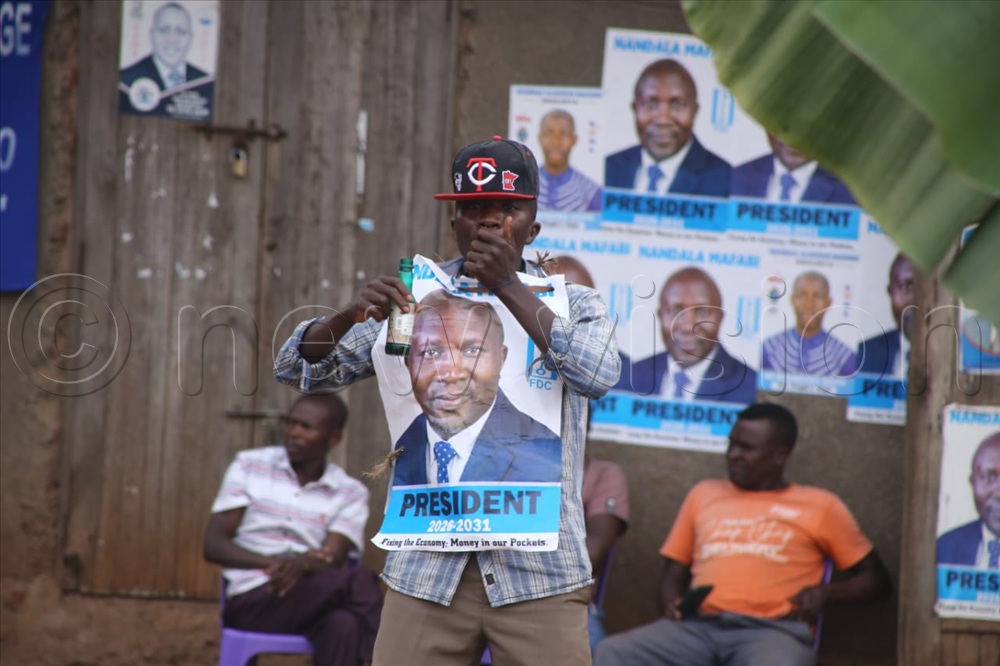
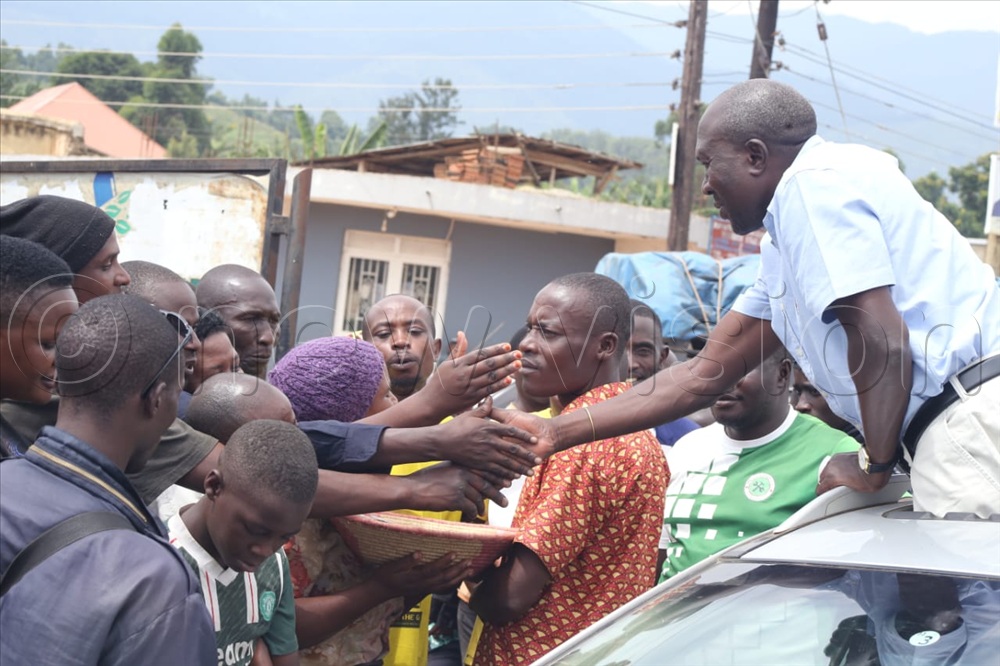
Forum for Democratic Change (FDC) presidential candidate James Nathan Nandala Mafabi addressing his supporters in Kaseseat Bwera Market ground in Busongora South County. (Photos by Alfred Ochwo)
________________
Forum for Democratic Change (FDC) presidential candidate James Nathan Nandala Mafabi has pledged to revive cotton growing in Kasese District, promising better prices, restored cooperatives and stronger government support to farmers if elected president.
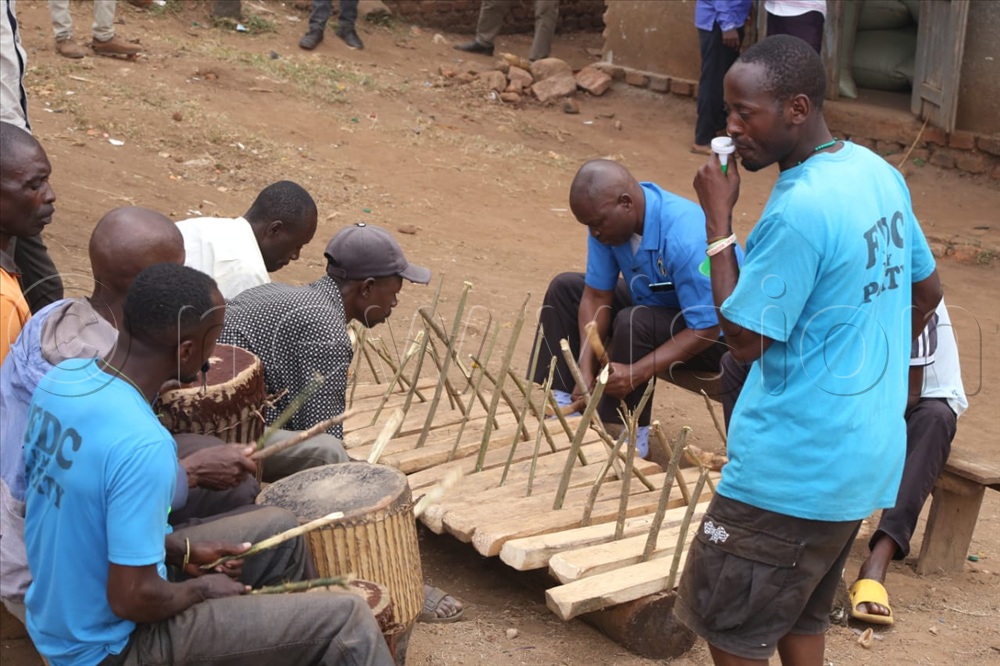
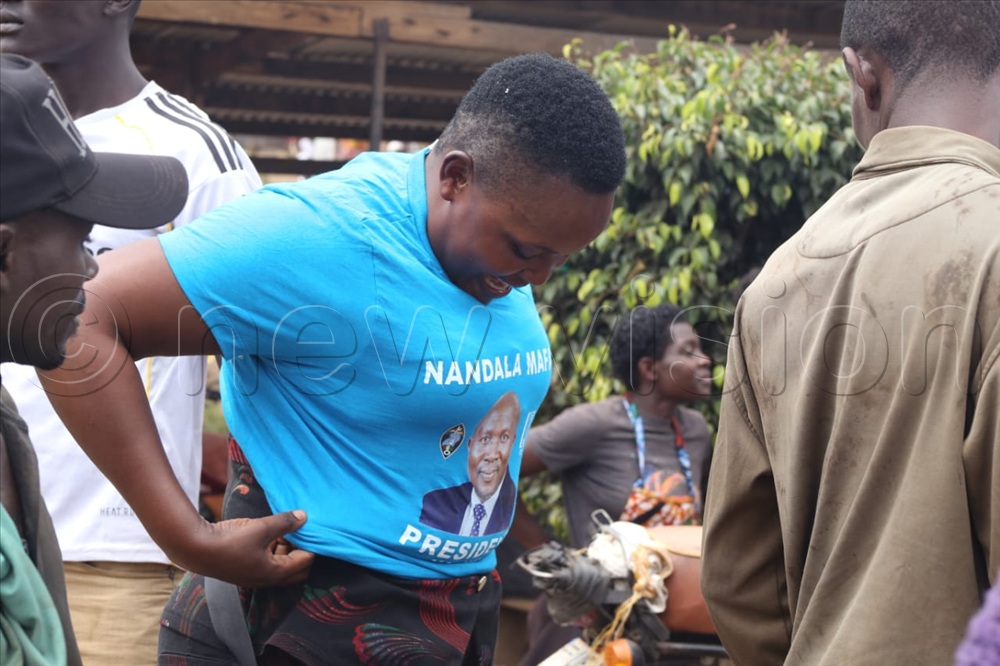
This was Nandala’s second campaign visit to Kasese, where he was received with jubilation, song and dance by supporters at a main rally held at Bwera Market ground in Busongora South County.
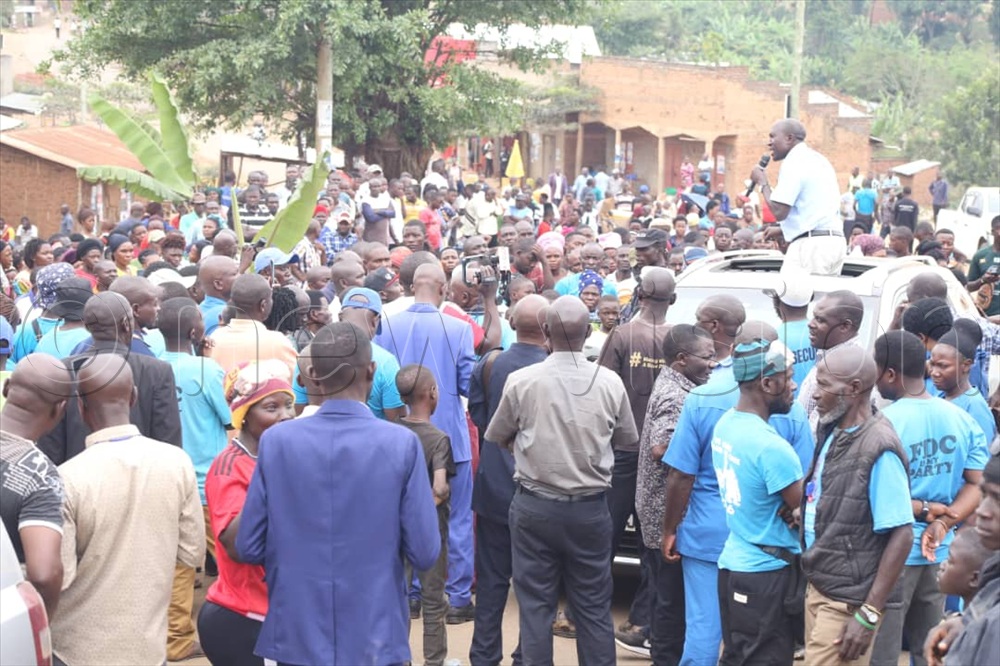
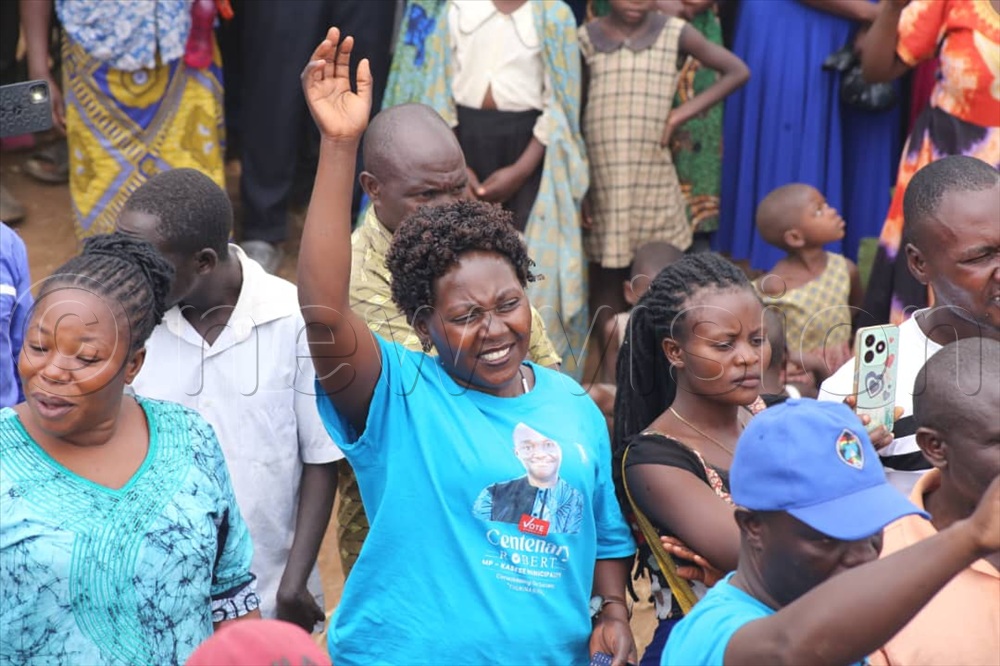
He was welcomed by FDC supporters led by party candidates and regional leaders as he addressed large crowds amid growing anticipation ahead of Uganda’s general election.
With just 11 days left for Ugandans to choose their next five-year government, Nandala’s Kasese campaign focused largely on the revival of cotton growing, a crop that once formed the backbone of household incomes in the Rwenzori sub-region. Kasese remains Uganda’s largest cotton-producing district and one of the few areas where the crop is still widely grown.
“We are growing cotton at a loss. The price they give us cannot even pay for spraying and labour. Sometimes you harvest and realise you have worked for nothing,” said Joseph Kule, a cotton farmer in Busongora South.
“The weather changes completely every now and then. One season there is drought, the next there is too much rain. Last year, my harvest dropped by almost half because the rains destroyed the crop,” said Margaret Biira, a smallholder cotton farmer.
Campaigning across six rallies held on January 3, 2026, Nandala expressed disappointment that cotton farmers continue to earn extremely low returns despite rising production costs and favourable global prices.
“If you read our manifesto, by now farmers should be getting sh7,100 per kilogram. That is the current price on the market. But our farmers are being given sh1,500. That tells you the government is not there for our people,” Nandala told journalists.
He blamed the poor earnings on weak government involvement in pricing and marketing, arguing that farmers have been left at the mercy of exploitative middlemen. Nandala said an FDC government would directly intervene to guarantee fair prices and restore confidence in cotton farming.
“Our plan is the sure one. We must continue growing cotton. Government will market cotton for our farmers at a price not less than sh7,100 per kilogram. We shall also bring back cooperatives so that farmers can sell collectively and earn better,” he said.
Nandala’s proposals resonated strongly in Kasese, where cotton production has declined sharply in recent years due to low profitability, climate-related shocks and high production costs. Many farmers say the current market price of between sh2,000 and sh2,200 per kilogram does not cover the cost of seeds, pesticides, labour and transport.
Beyond cotton, the FDC flag bearer criticised the poor state of roads in Kasese, describing the district as a strategic border area and trade hub that has been neglected for decades.
He said improving road infrastructure would not only boost trade but also lower production costs for farmers in the mountainous terrain.
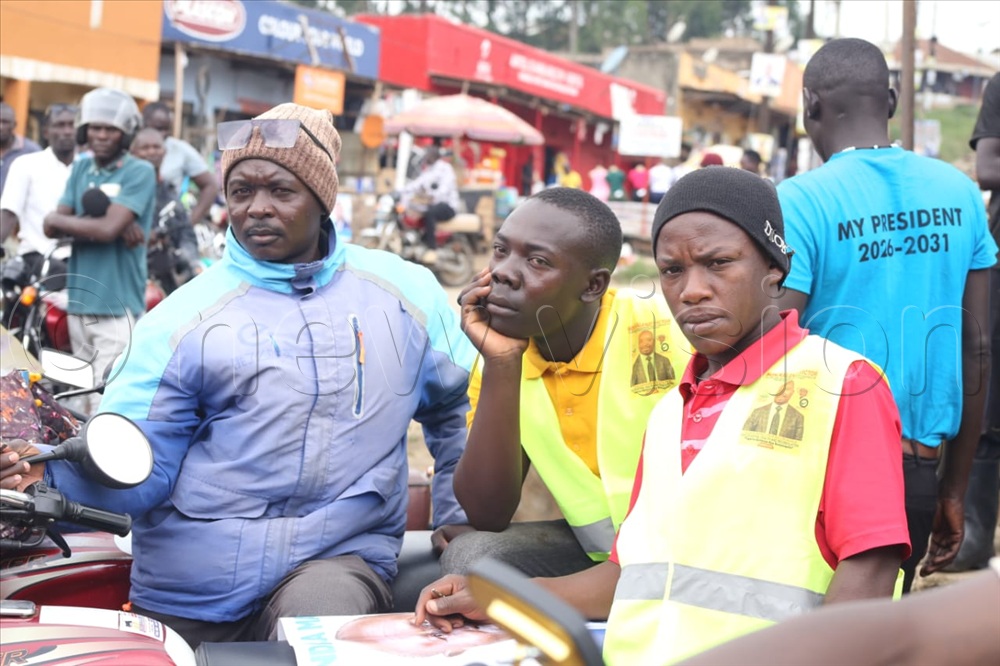
“If you work on these roads, you have helped the farmers and eased transportation. This area is mountainous, and people suffer in all seasons. Our plan includes low-cost sealing of community access roads in 50 districts covering 200 kilometres, 120 kilometres of ferry access roads, and rehabilitation of nine paved roads totalling nearly 1,000 kilometres,” Nandala told journalists.
Nandala also addressed farmer demands for stronger government support, including subsidies for inputs, climate-resilient seeds and guaranteed pricing similar to past irrigation and agricultural support programmes.
He noted that irrigation schemes, such as the mini-irrigation project in Katholu, could help farmers reduce reliance on increasingly unpredictable rainfall.
While some farmers and officials have called for a shift away from cotton, Nandala argued that the crop remains viable if supported properly.
He pointed to initiatives such as the Rwenzori Sustainable Trade Centre, which promotes ethical cotton production through training and access to fair markets, as evidence that cotton can still drive local economic growth.
“Seeds, chemicals and labour are very expensive now. Without government support or guaranteed prices, many farmers are abandoning cotton even though it once educated our children. Even when you acquire pesticides, they don’t want us to use them, and your cotton will not be bought, but if you don’t use it, you will not make good harvests,” said Abdul Masereka, a farmer from Kisinga.
Kasese’s vulnerability to natural disasters also featured prominently in Nandala’s campaign message. The district is frequently affected by floods linked to the Nyamwamba River, which often destroy crops, homes and infrastructure.
Nandala said an FDC government would invest in disaster management while also turning the river into an economic asset through tourism development.
“The Nyamwamba River is a good tourist attraction. With proper protection, we can attract many visitors and make money from tourism, and it stops becoming a problem, but then it becomes an income-generating venture. Kasese has national parks, lakes and salt mining. Tourism here can employ many people if we invest properly,” he said.
Before the main rally, the FDC presidential candidate also addressed supporters at Mithibiri and Kasika trading centres, where he was again welcomed amid cheers.
He described the border area as vital for regional trade and pledged to improve infrastructure to support cross-border commerce.
Nandala is expected to continue his campaign across the Rwenzori sub-region as he seeks to consolidate support in western Uganda ahead of polling day.