
Politics
Nandala pledges agriculture-led revival for food-insecure Budaka, Pallisa
Mafabi, who is flying the Forum for Democratic Change (FDC) flag, says Budaka is grappling with deepening food insecurity and that once voted into power, his government would prioritise farming as the backbone of economic recovery if elected.
Nandala pledges agriculture-led revival for food-insecure Budaka, Pallisa
By: John Musenze, Journalist @New Vision
__________________
2026 General Election presidential candidate James Nathan Nandala Mafabi has promised an agriculture-led revival for Budaka district.
Mafabi, who is flying the Forum for Democratic Change (FDC) flag, says Budaka is grappling with deepening food insecurity and that once voted into power, his government would prioritise farming as the backbone of economic recovery if elected.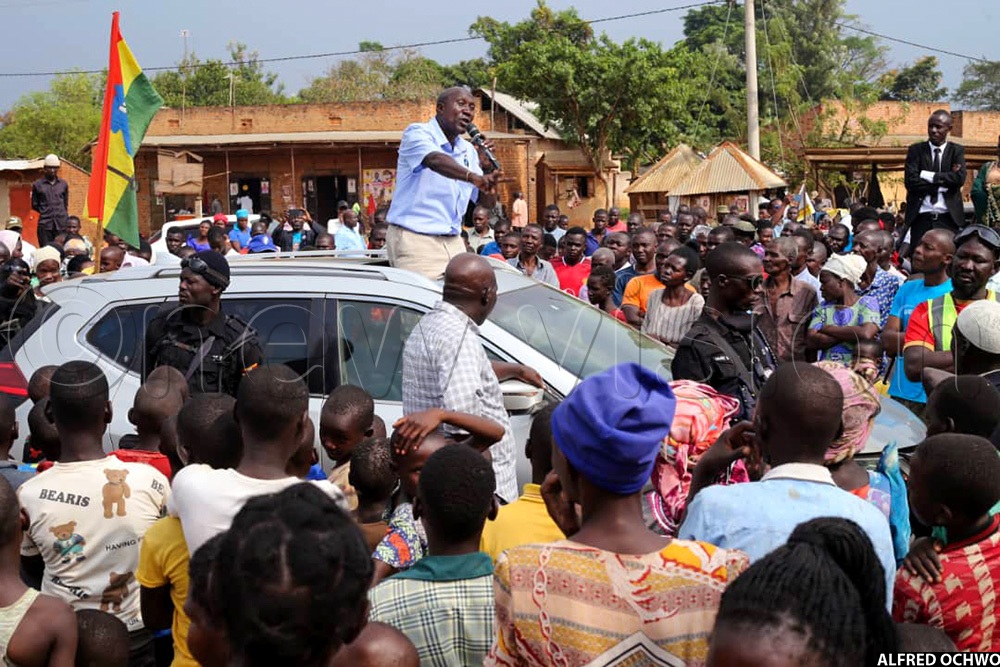
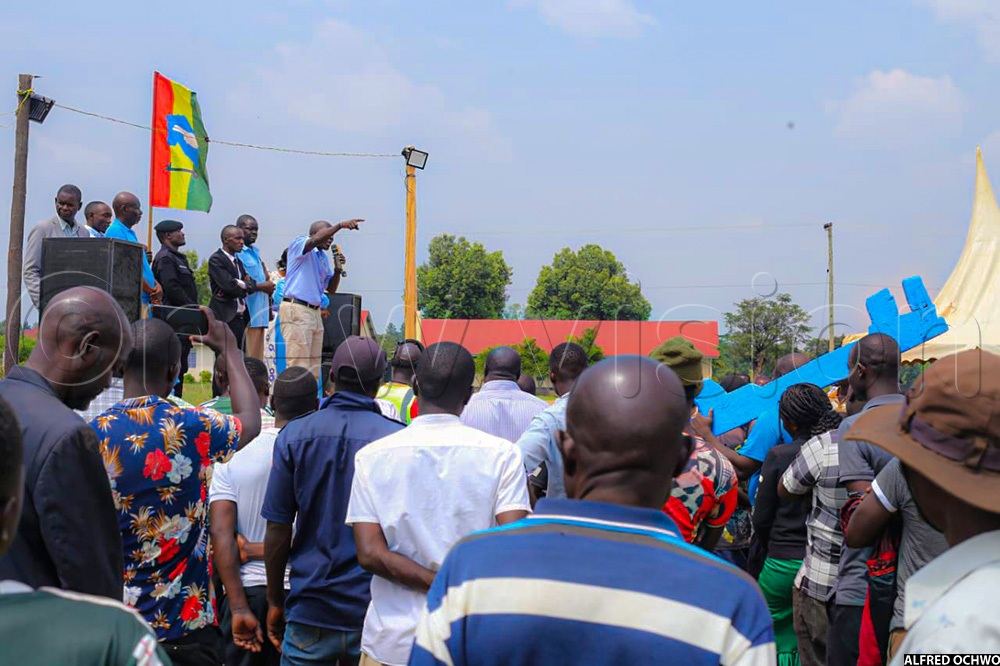
Budaka has in recent years experienced persistent food shortages, with nearly 67% of households facing food scarcity as of early 2025. Addressing rallies in Budaka and neighbouring Pallisa district, Nandala said the crisis was not a result of lack of land or labour, but policy failure and neglect of agriculture.
He pledged that an FDC-led government would allocate at least 10% of the national budget to agriculture, in line with continental commitments, to boost food production and household incomes. The funds, he said, would be directed towards the supply of quality seedlings, fertilisers, farmer support programmes and the construction of storage silos to reduce post-harvest losses.
“Budaka has land, and the people here are farmers,” Nandala told supporters.
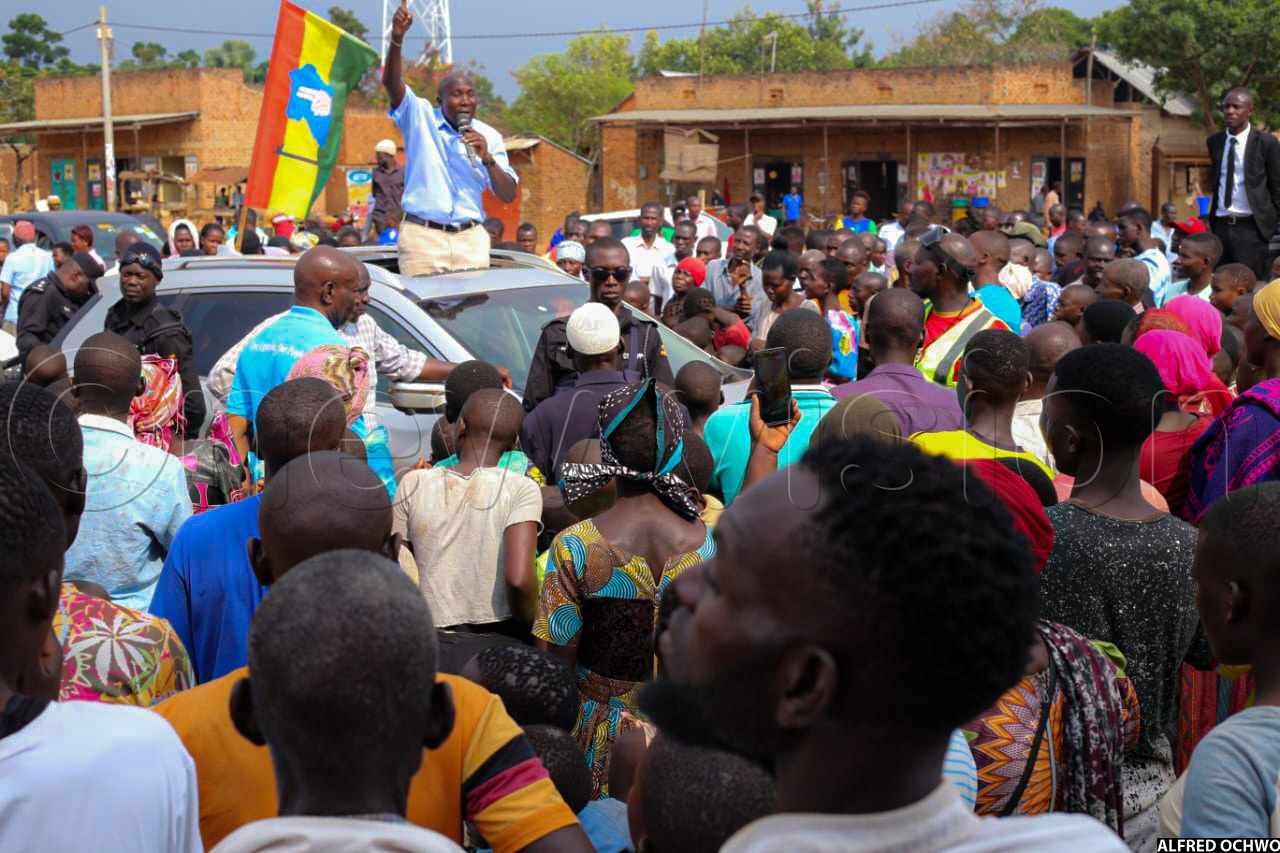
“What they need is a little push like fertilisers, seedlings for crops that do well in this region, and access to affordable credit. We are going to introduce an agricultural bank and a cooperative bank to support farmers. We cannot have food scarcity when we have a clear master plan for farming.”
As part of the agriculture revival plan, Nandala promised to revive cotton growing in the region and establish cotton value addition factories to ensure farmers have reliable markets and earn more from their harvests. He said the collapse of traditional cash crops had left many households vulnerable and stripped the region of a dependable source of income.
Addressing crowds in Budaka town and Pallisa, Nandala said his decision to run for president was driven by what he described as the government’s failure to deliver basic services despite decades in power.
“Our people go to hospitals and find no drugs. Teachers are always on strike, yet these are government institutions,” he said. “We used to grow cotton here. Where did it go? Why should Budaka suffer food insecurity when it has fertile land and hardworking people?”
Rising standard of living
At Naboa trading centre in Budaka, Nandala directly appealed to voters, arguing that Uganda could not continue its current path. He criticised heavy taxation, rising living costs and growing inequality, saying that 40 years of National Resistance Movement (NRM) rule had produced diminishing returns for ordinary citizens.
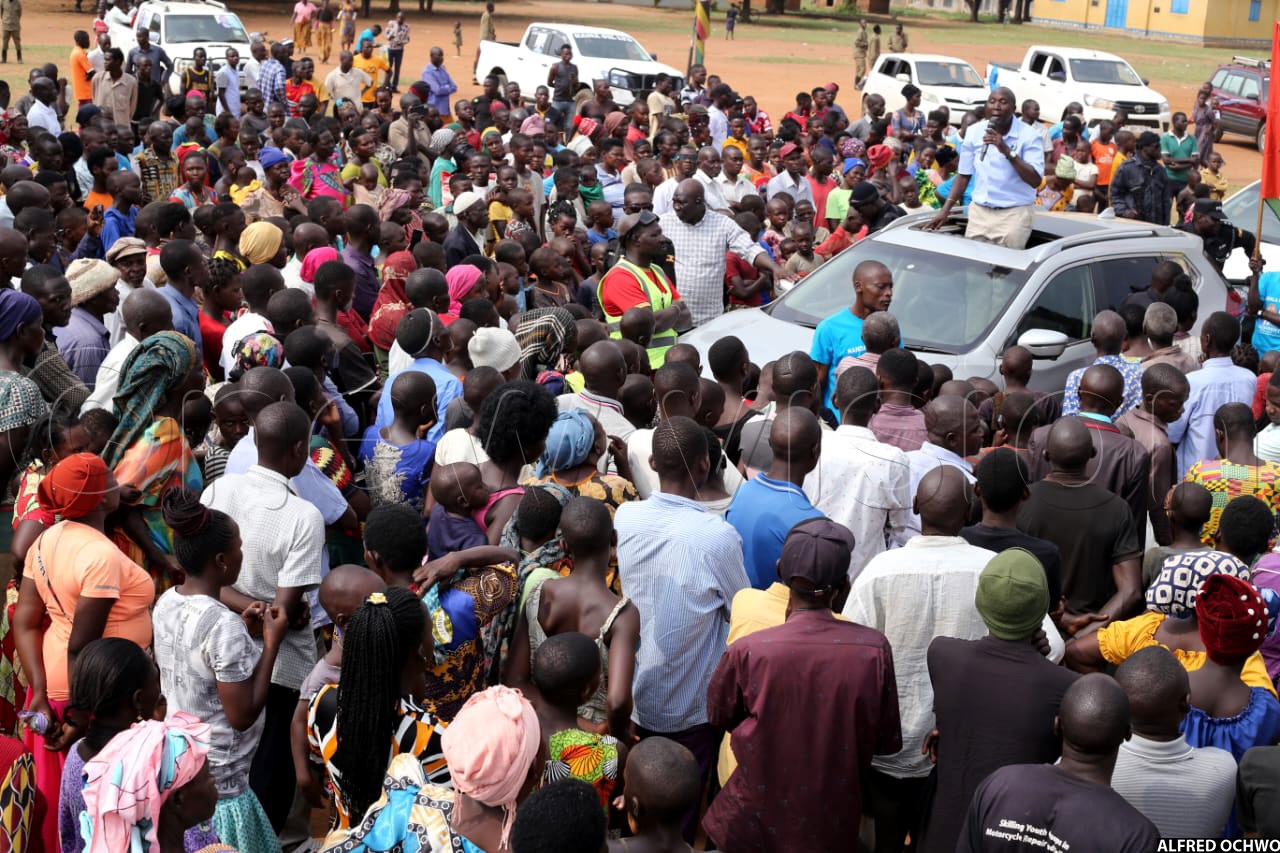
“I am asking for a job from you so that I can work for the whole of Uganda,” Nandala said. “Give me the opportunity, and I will ensure teachers and doctors are paid well, housed by government, and that their children study for free. Uganda belongs to all of us, and we must all enjoy it.”
Welcomes government decision
While campaigning in eastern Uganda, Nandala also commented on the Government’s recent decision to dissolve the army from lake landing sites and release more than Shs80 billion for cattle restocking in northern and eastern regions. He welcomed the moves but said they had come far too late for communities that had suffered years of losses.
He argued that although the measures were a step in the right direction, they neither addressed the full scale of damage nor restored the dignity of the affected communities.
NRM is implementing FDC proposals
In an exclusive interview with New Vision Online, Nandala said the NRM government was belatedly implementing key proposals long contained in the FDC manifesto after years of resistance and denial. He noted that the withdrawal of soldiers from lakes and compensation for lost cattle had been central demands of opposition parties and affected communities in regions such as Teso, Lango and Acholi.
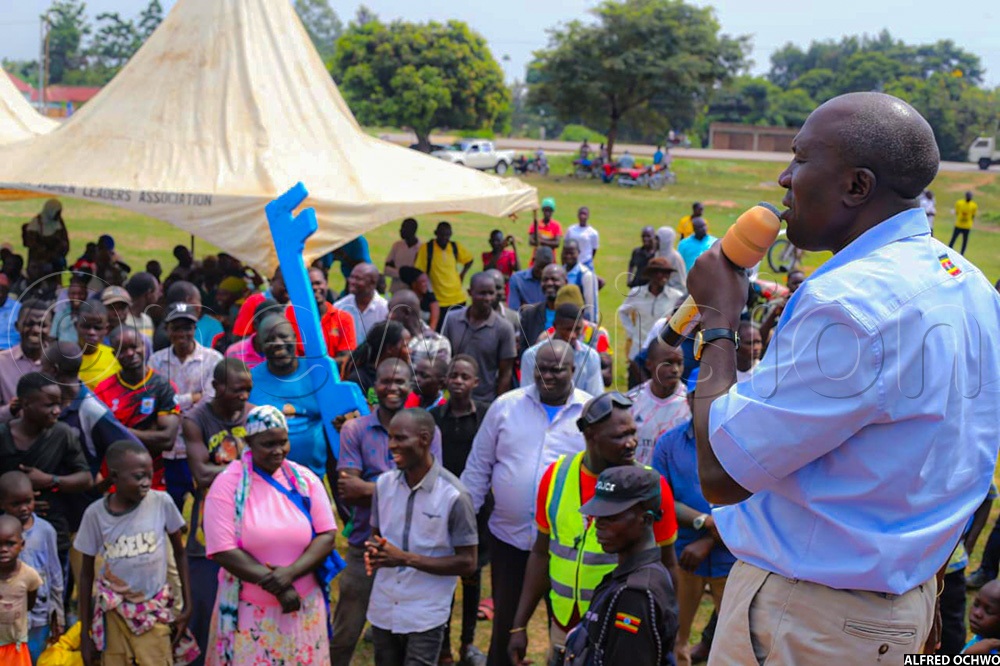
“The Government is now enforcing what we have been saying for years,” Nandala said.
“These were clear commitments in the FDC manifesto to fishing communities and to people who lost their cattle. It is the right thing, yes, but it is very late, and we do not think those who are meant to benefit will fully do so.”
He questioned whether the Shs80 billion released could meet earlier government promises, including commitments made by President Museveni that each affected family would receive five cows.
“There is a court ruling that people should be compensated for what they lost, including interest,” Nandala said. “Today, one cow costs about Shs1.5 million. So how does Shs80 billion meet that promise? We do not want symbolic restocking; we want proper compensation. People who lost their livelihoods must be part of the process, not spectators.”
His remarks followed the release of shillings 76 billion for cattle restocking in regions affected by past insurgencies and the president’s directive to immediately dissolve the army from all landing site committees after sustained public pressure from fishing communities and opposition leaders.
Nandala further accused the NRM of repeatedly adopting FDC policy proposals and presenting them as government initiatives. He cited the Parish Development Model (PDM), noting that after the FDC proposed allocating Shs100 million per village, the government later announced plans to increase PDM funding from Shs100 million to Shs200 million per parish. He also pointed to recent policy shifts on lakes, cattle compensation and graduate seed capital as evidence of reactionary governance.
“It is late, it is overdue. After 40 years in power, these things should have been done long ago,” he said.
The interview took place as Nandala campaigned across Budaka, Kibuku and Pallisa districts, where he promised sweeping reforms in education, agriculture and service delivery. In Budaka, he pledged to construct schools at sub-county level to reduce long distances that contribute to school dropouts, particularly in rural areas.
Local leaders echoed concerns about underdevelopment and poor public services. FDC Budaka woman MP flag bearer Racheal Kamiiza urged residents to trust Nandala, saying he offered a path out of poverty.
“Our roads are in a poor state, we do not have a municipality, and our health services are inadequate, especially the absence of a Health Centre IV,” Kamiiza said. “Poverty remains very high among the Basoga and Bagwere communities.”
Residents also raised concerns about land evictions. Rafael Munuuma told New Vision that many families had been displaced after being told they were occupying wetlands, worsening hunger and poverty.
“We used to grow rice and earn a living,” Munuuma said. “Now we face famine and poverty. We ask Nandala to give us back our land and bring services closer, like hospitals and schools.”
Nandala is expected to take his presidential caravan to Bugiri and Buikwe districts on Tuesday, December 30, with just 16 days remaining before Ugandans head to the polls to choose the next electoral government.