
Politics
📸 Museveni closes NRM MPs’ retreat in Kyankwanzi, urges leaders to fight corruption
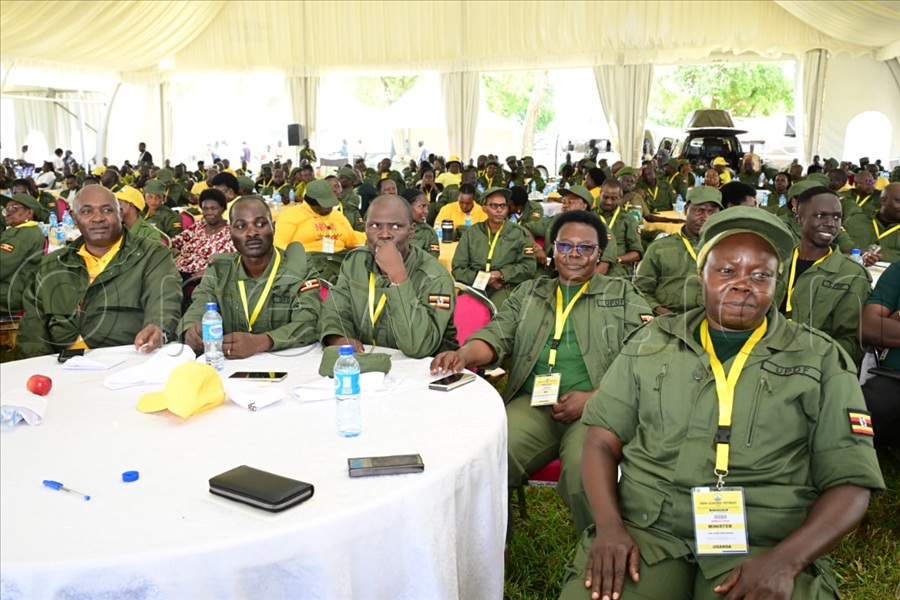
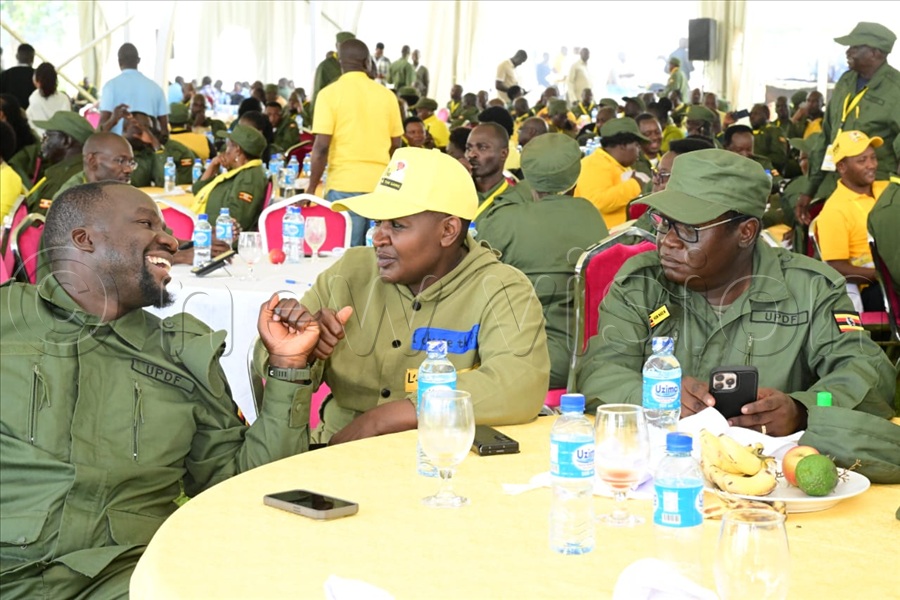
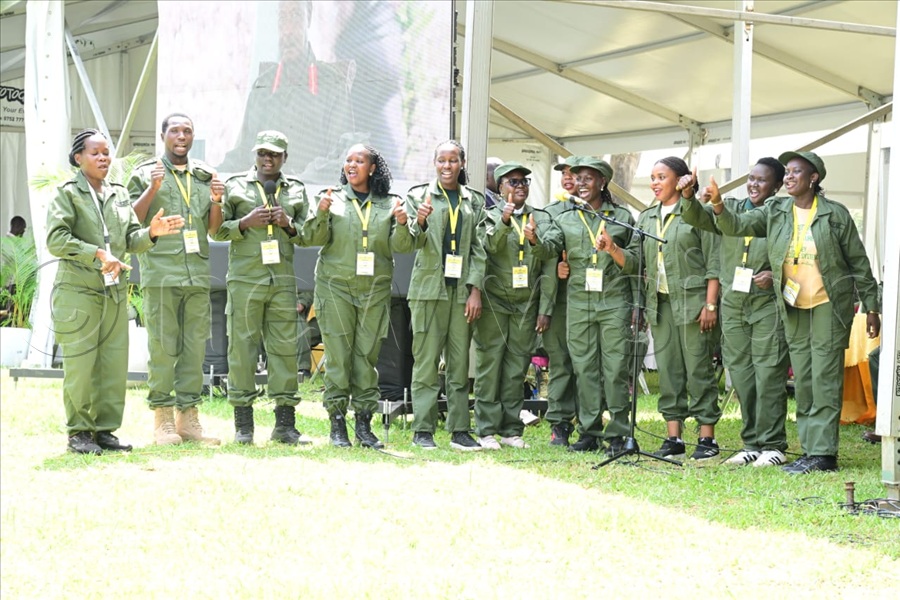
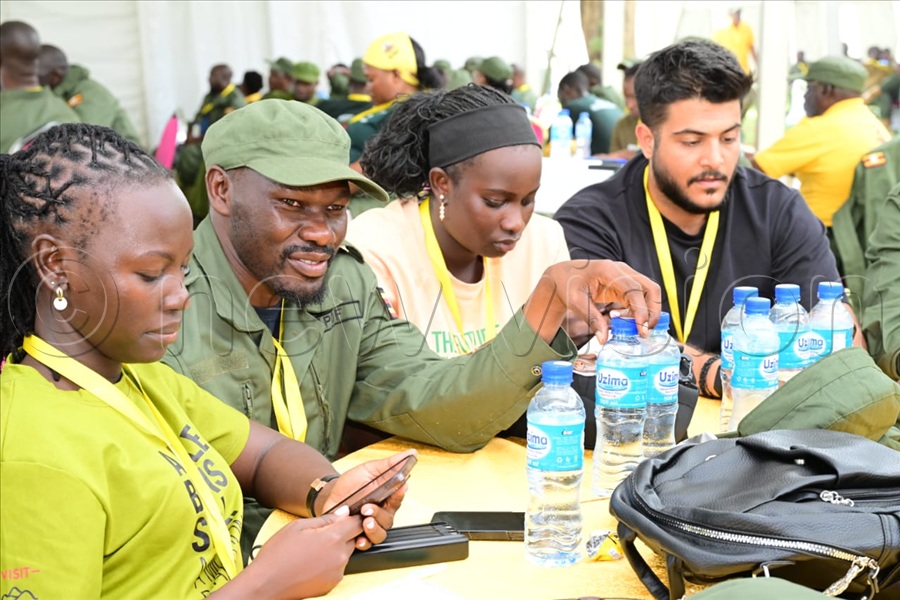
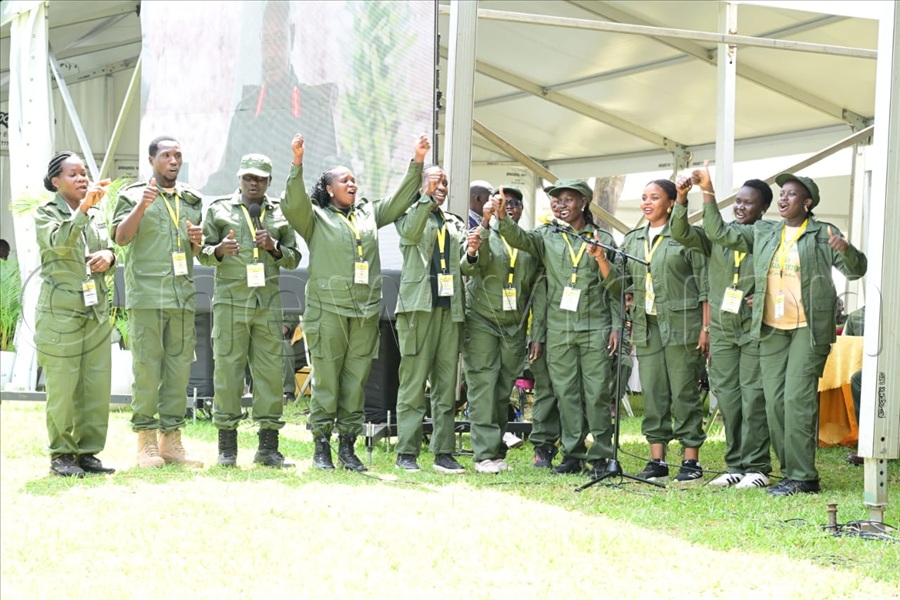
The week-long retreat, which started on April 7, ended today,14th April 2026, under the theme: “Aligning the NRM leadership towards protecting the gains and making a bold, qualitative leap towards a higher middle-income status society.”
President Museveni reiterated his long-standing message of transitioning Ugandans from subsistence living to the money economy. (Credit: Eddie Ssejjoba)
By: NewVision Reporter, Journalists @NewVision
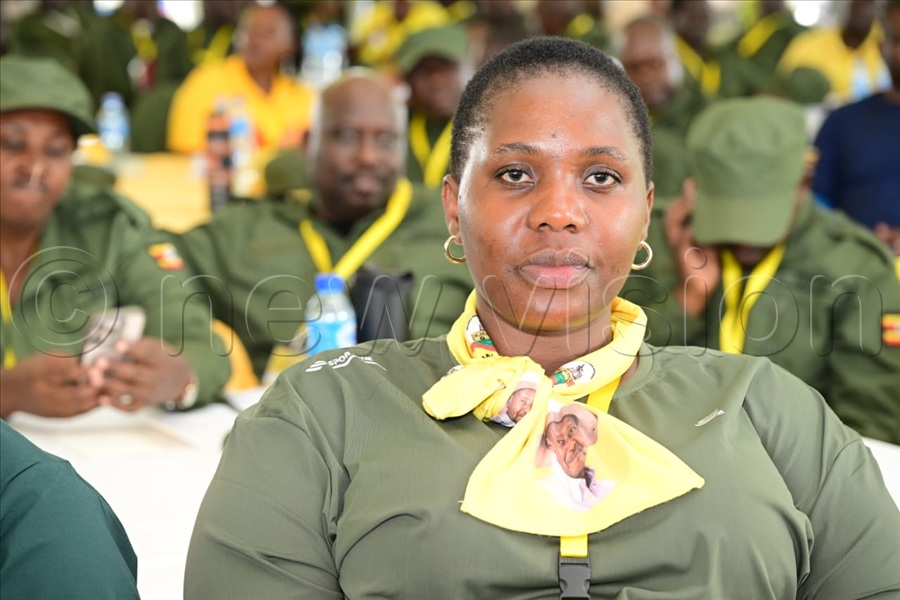
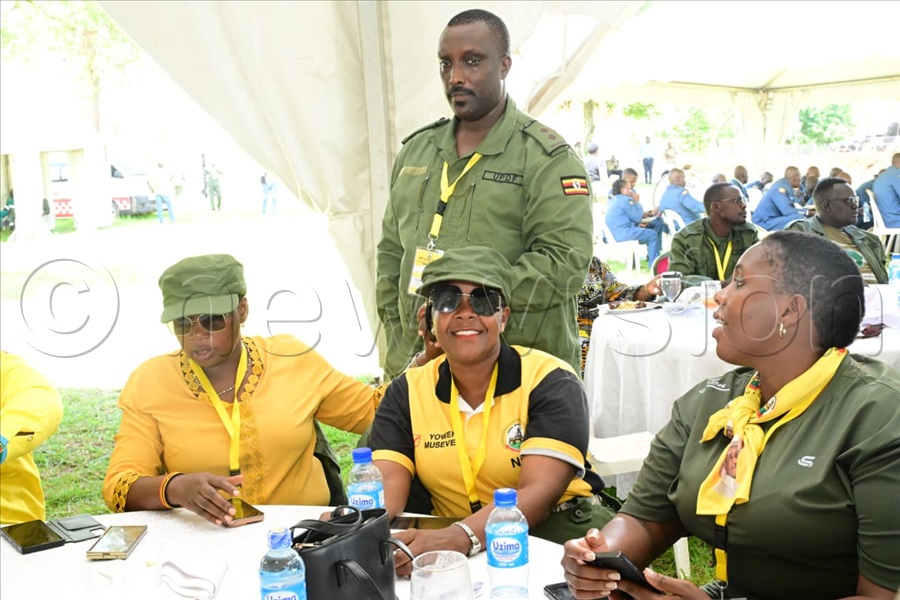
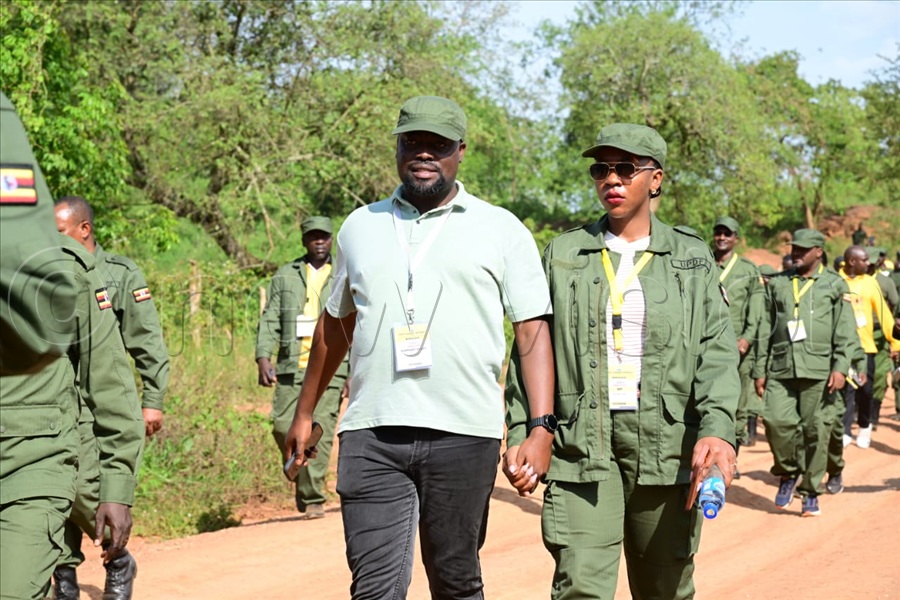
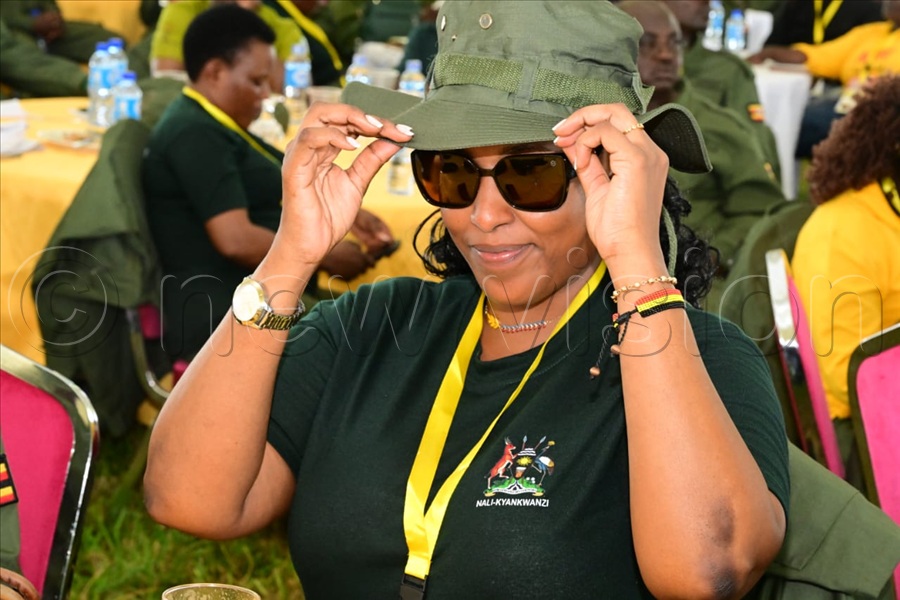
KYANKWANZI - President Yoweri Kaguta Museveni has officially closed the 2026 NRM Members of Parliament retreat held at the National Leadership Institute (NALI) in Kyankwanzi, calling on leaders to reject corruption and actively participate in wealth creation initiatives.
The week-long retreat, which started on April 7, ended today,14th April 2026, under the theme: “Aligning the NRM leadership towards protecting the gains and making a bold, qualitative leap towards a higher middle-income status society.”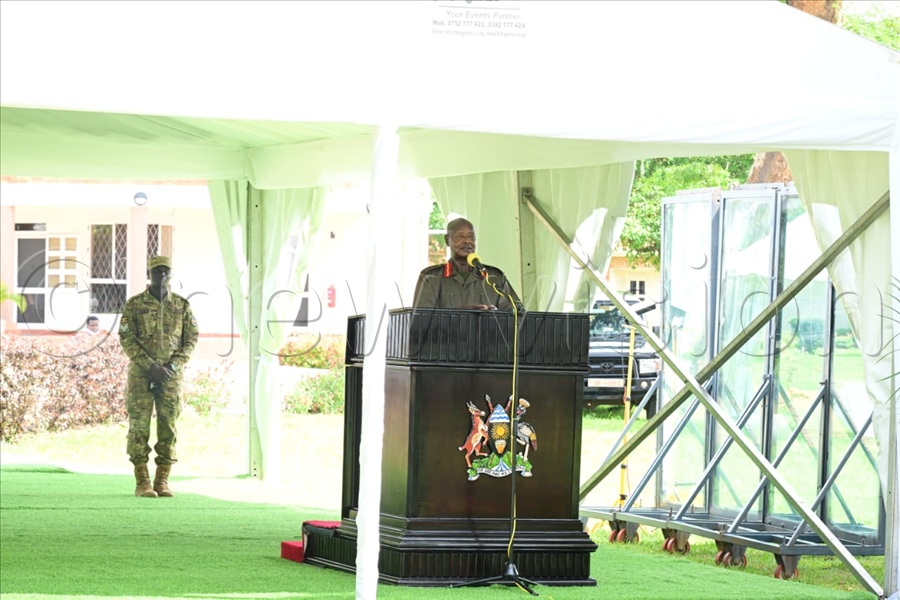
Drawing from his upbringing in Ntungamo, the President said most families, including his own, were not engaged in commercial activity. (All Photos by Eddie Ssejjoba)
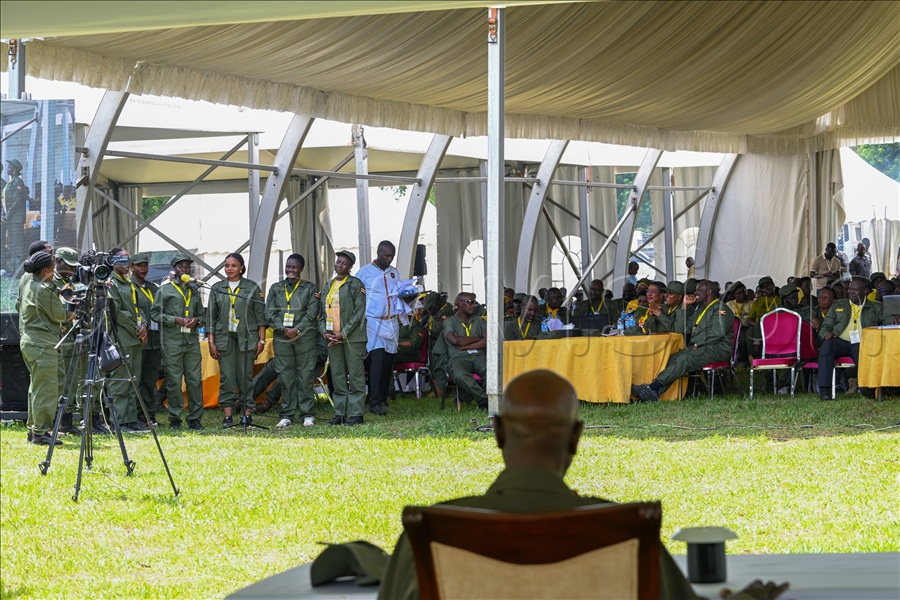
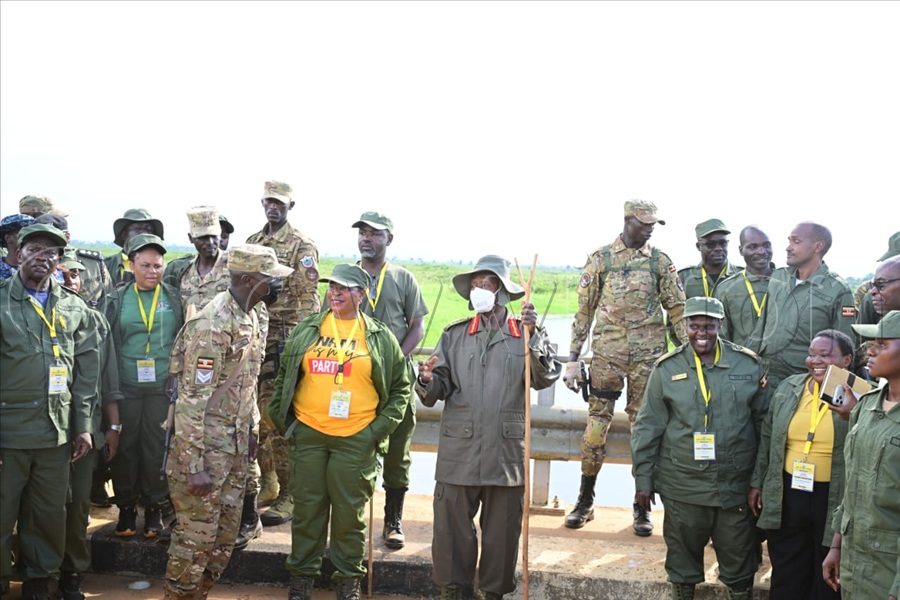
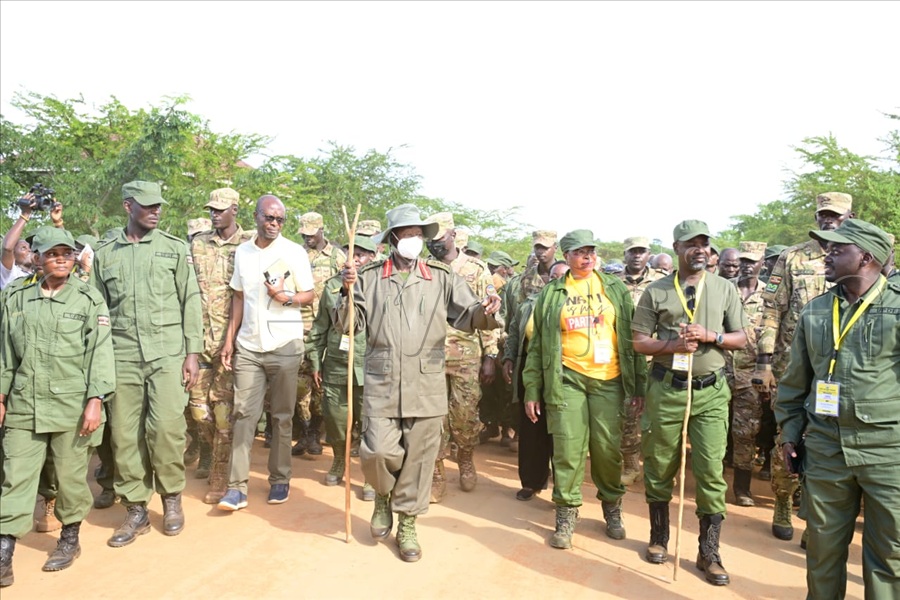
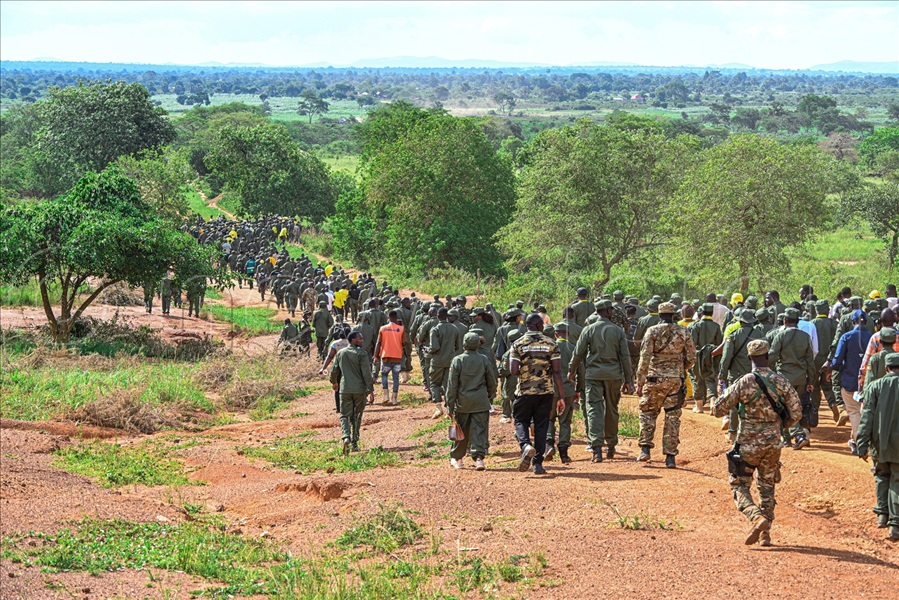
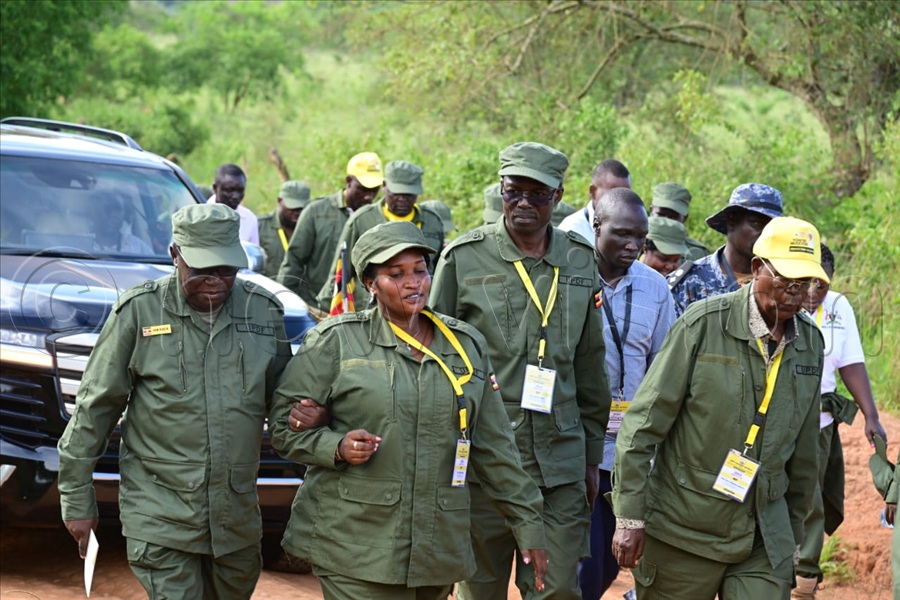
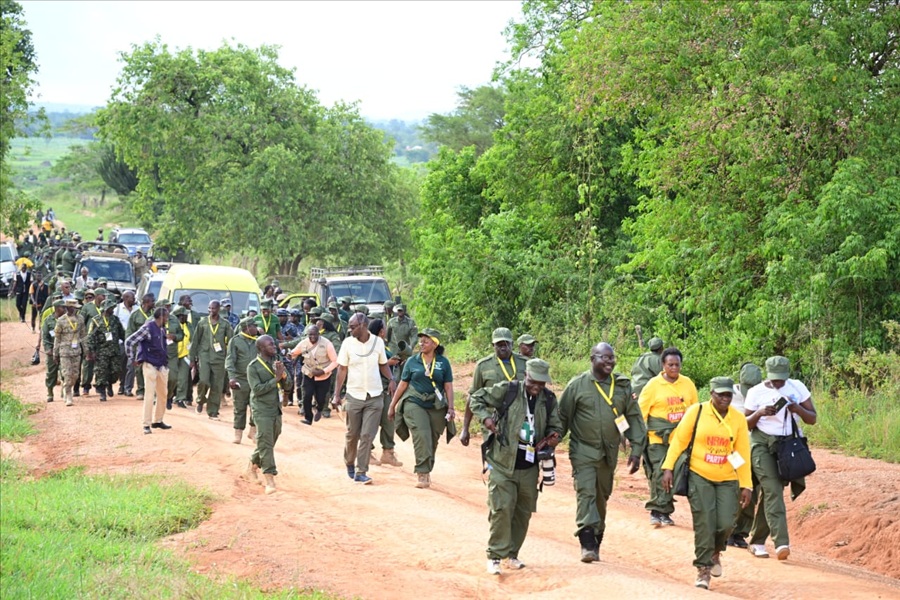
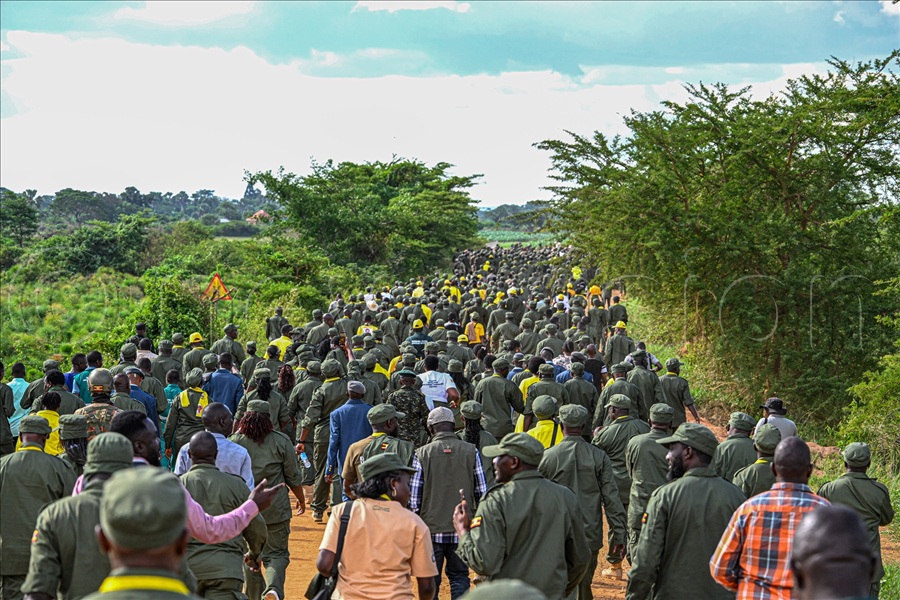
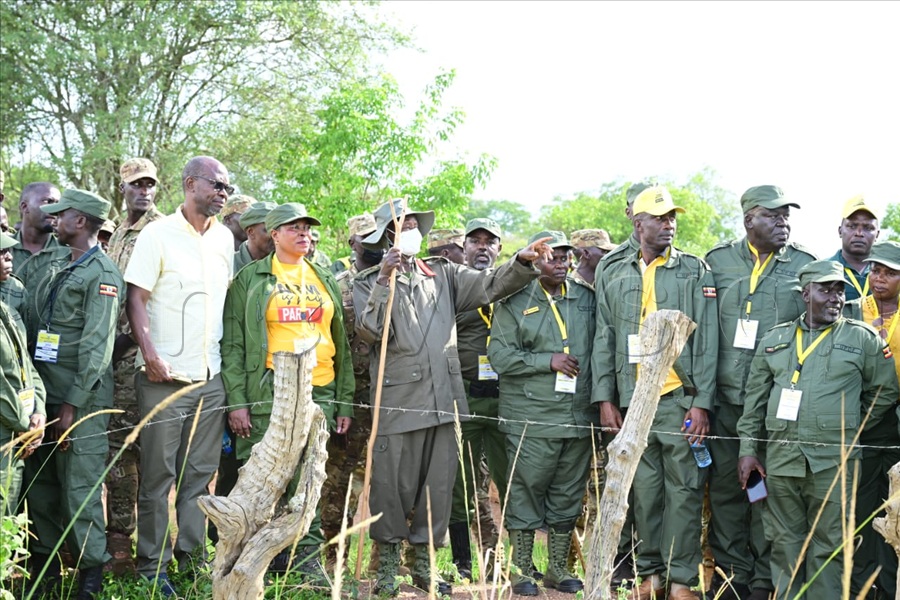
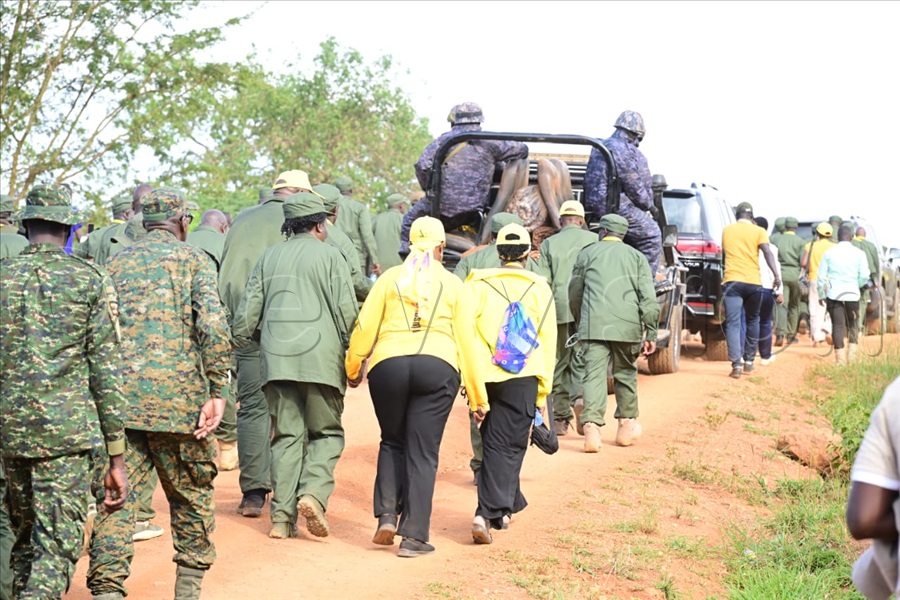
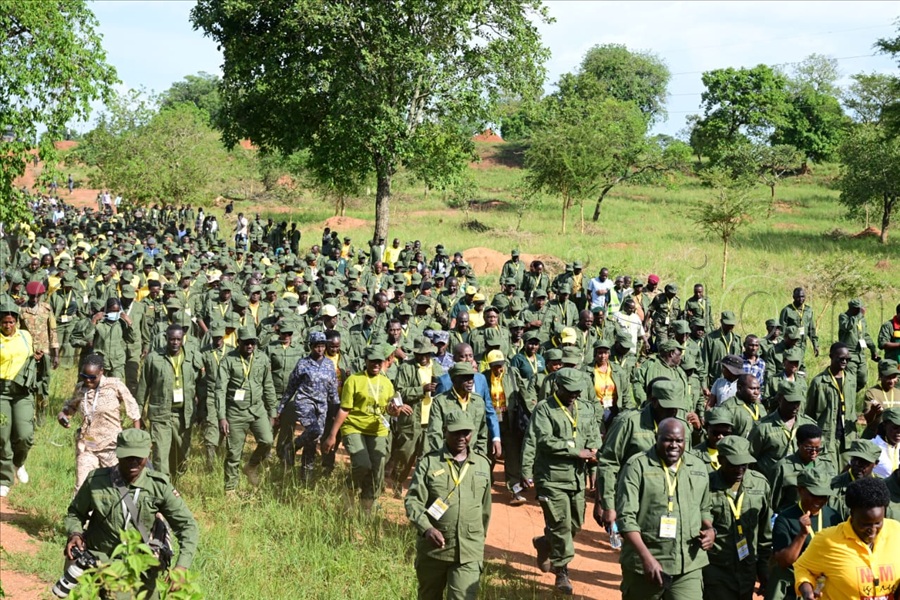
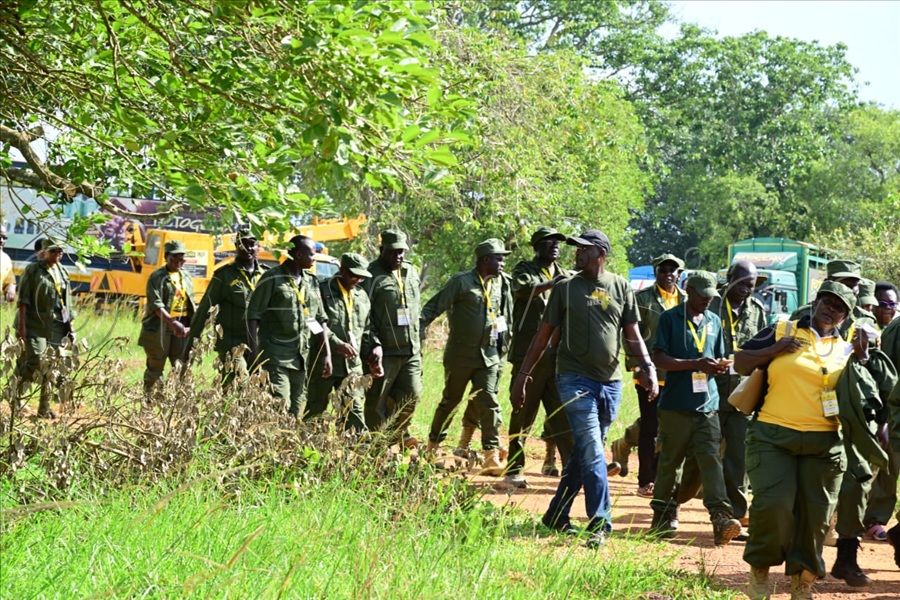
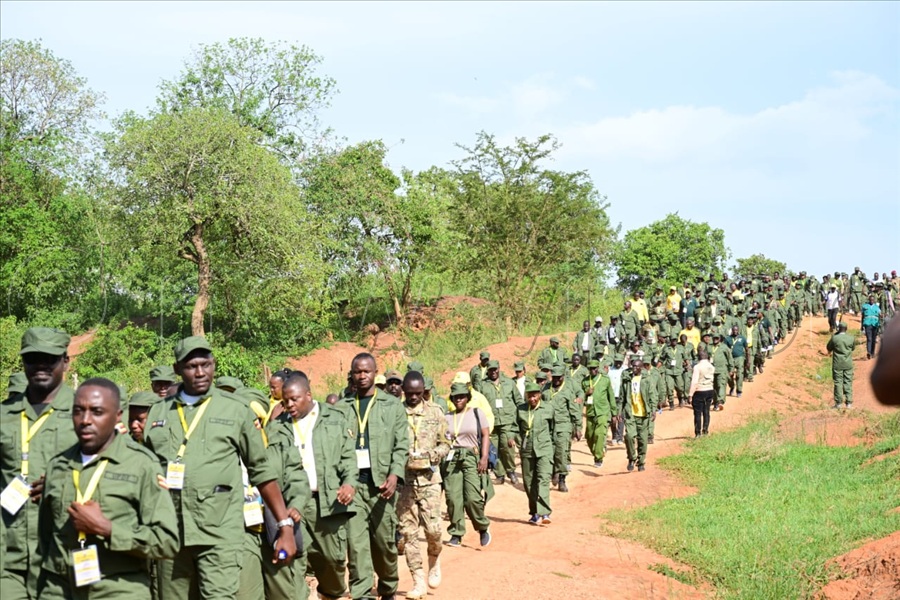
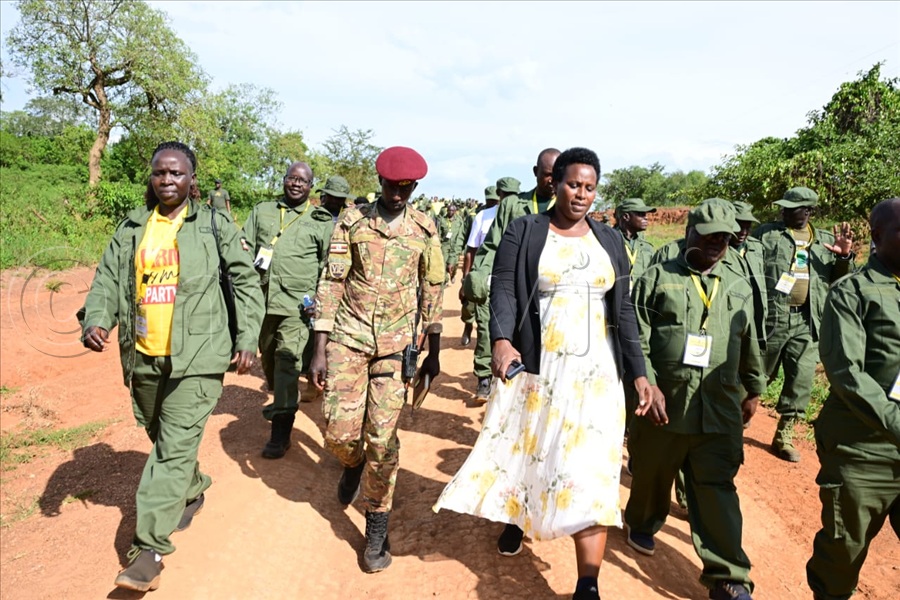
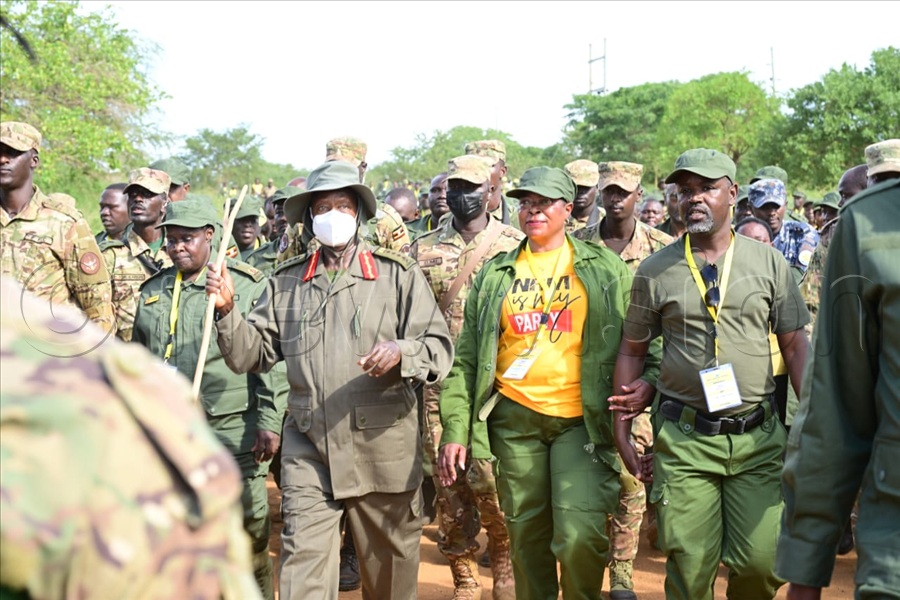
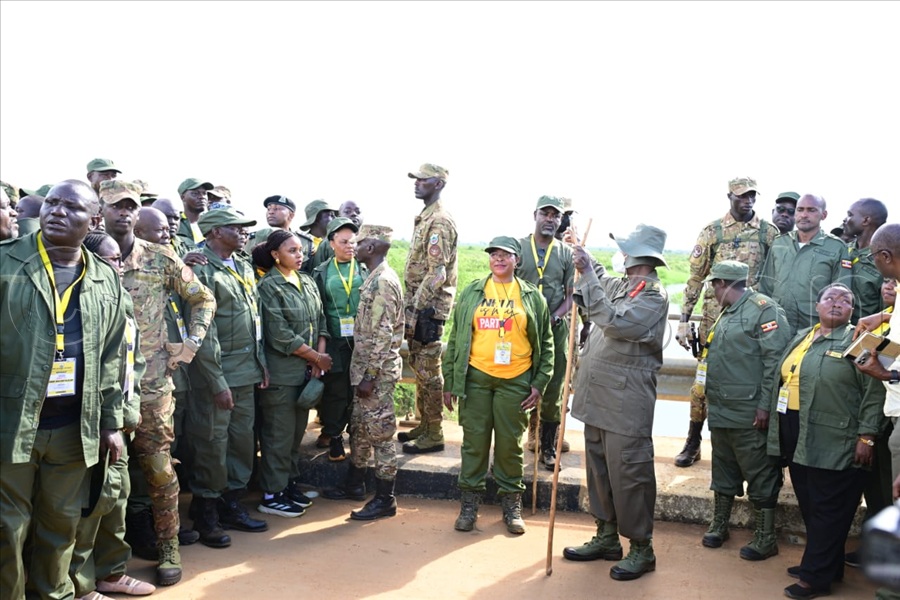
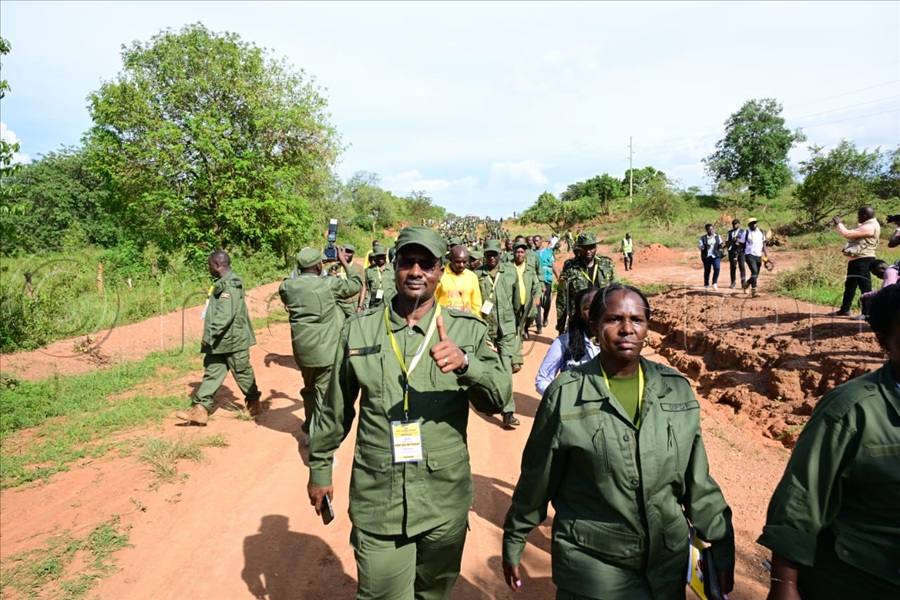
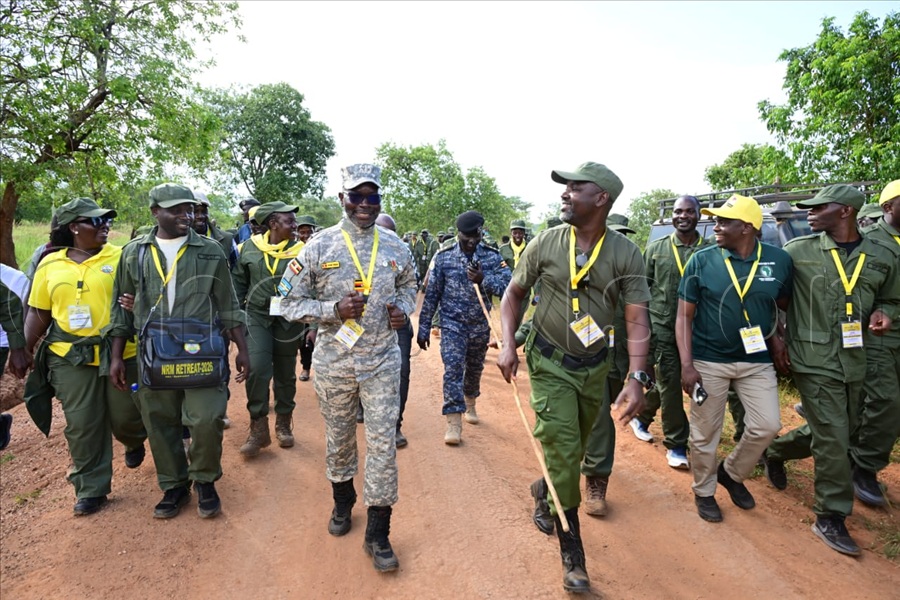
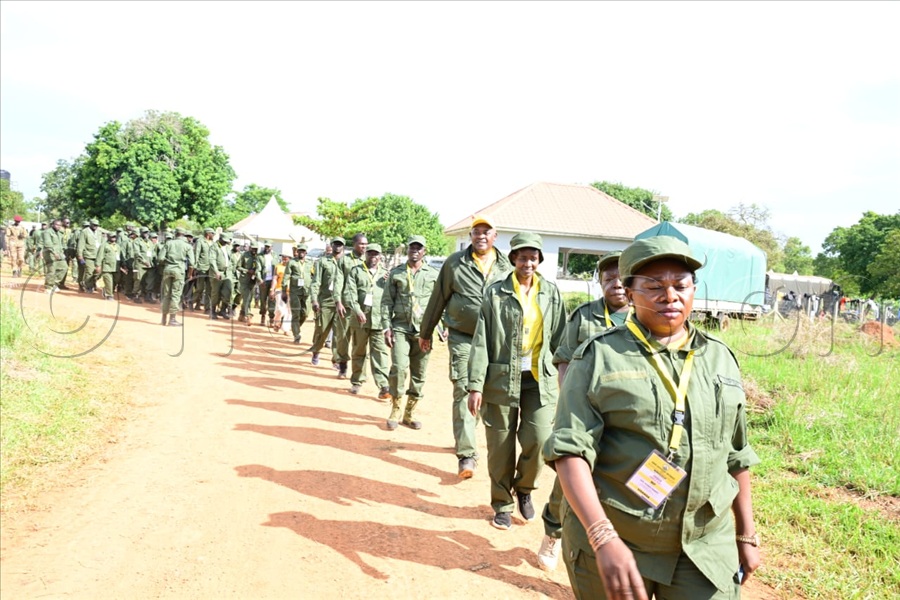
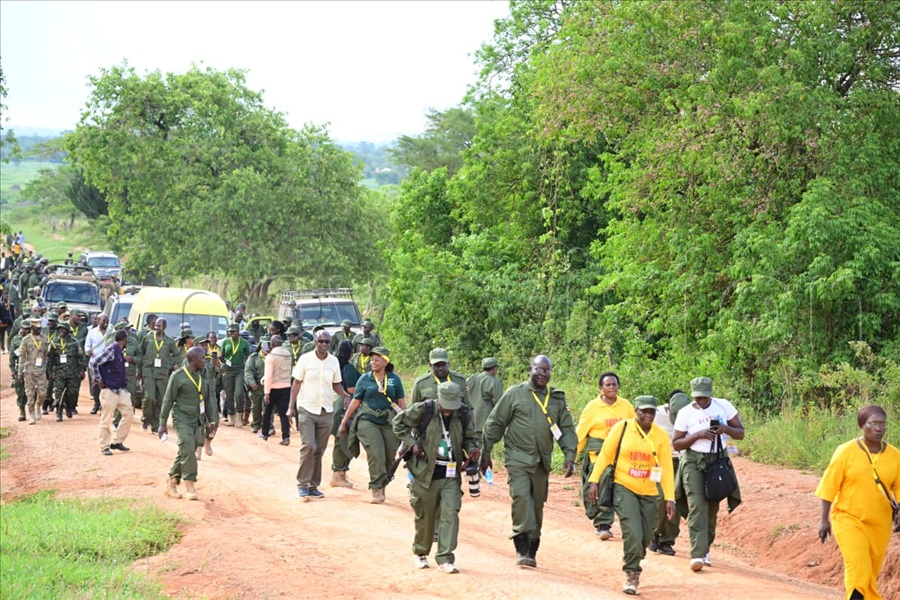
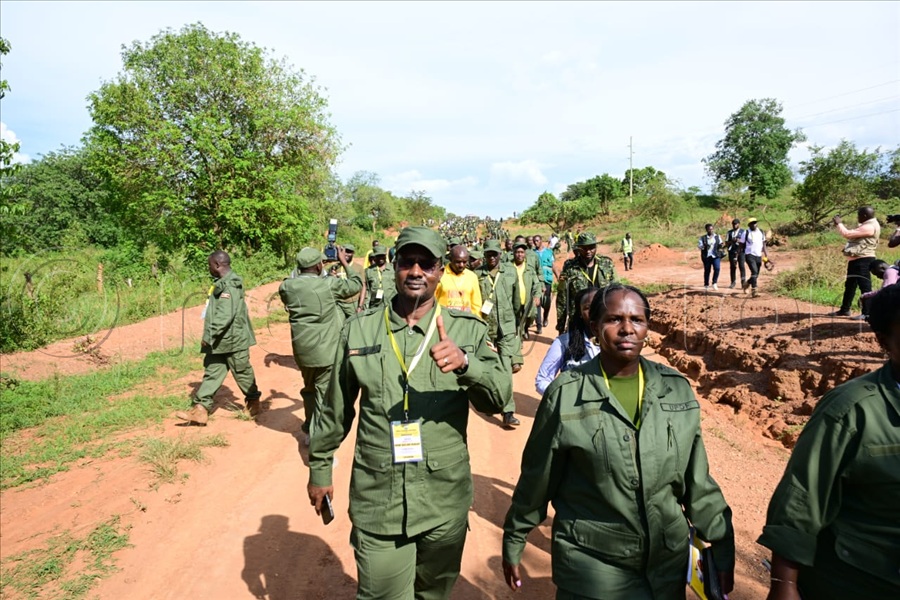
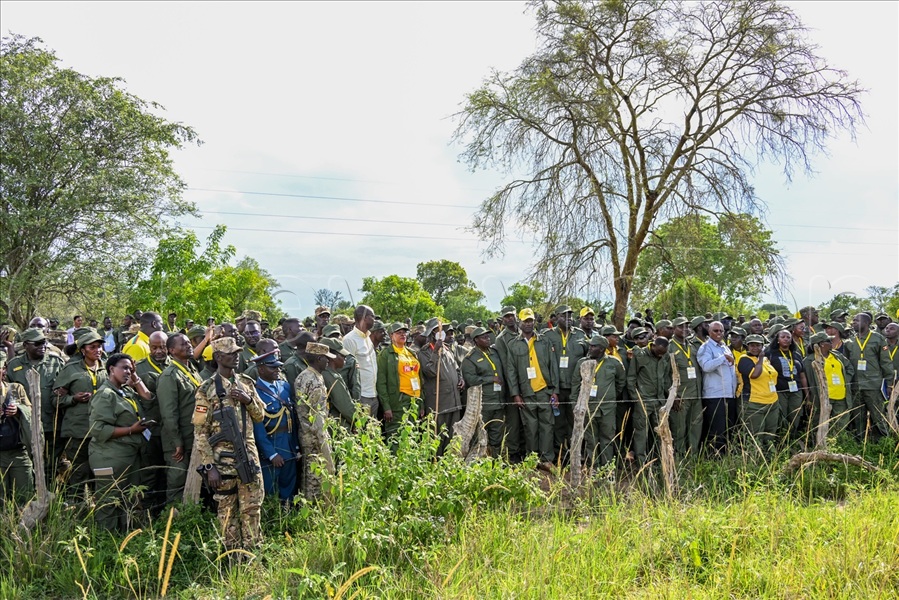
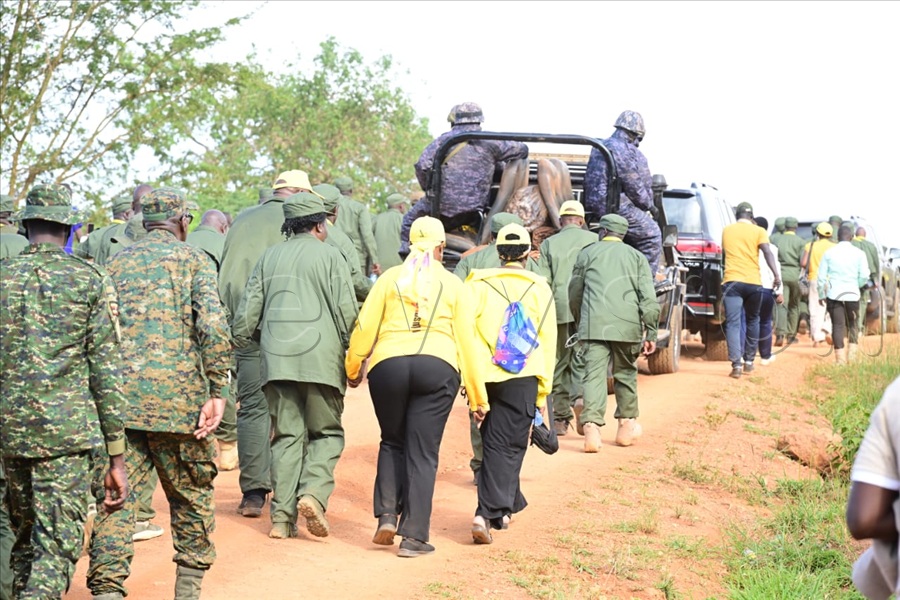
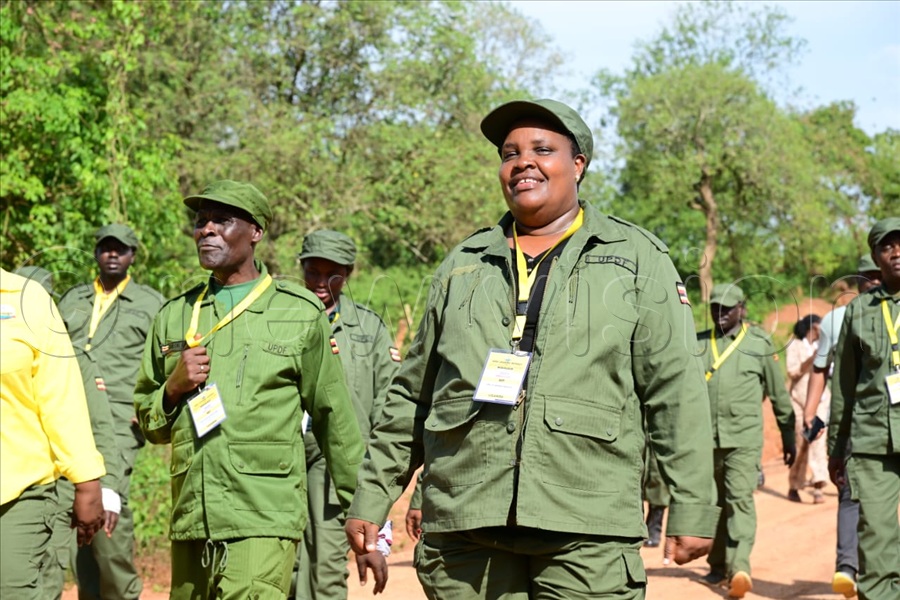
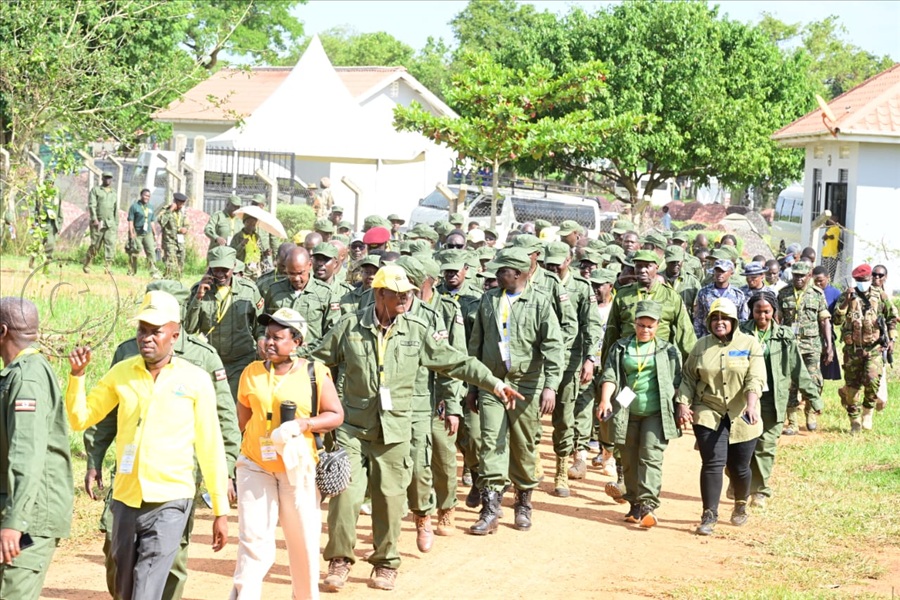
Before the close of the retreat, President Museveni hosted the MPs at Ngoma State Lodge and Farm, where he led them on a tour of the farm.
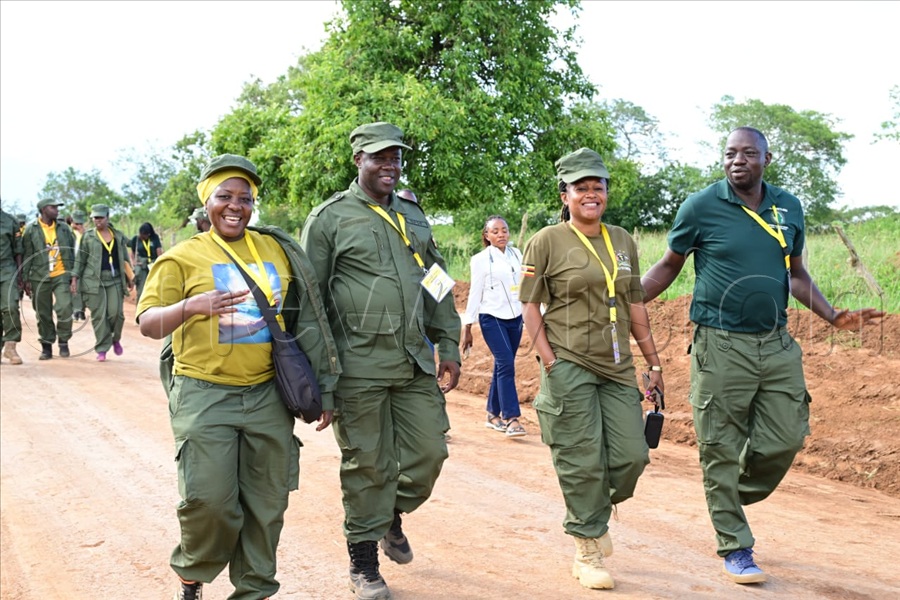
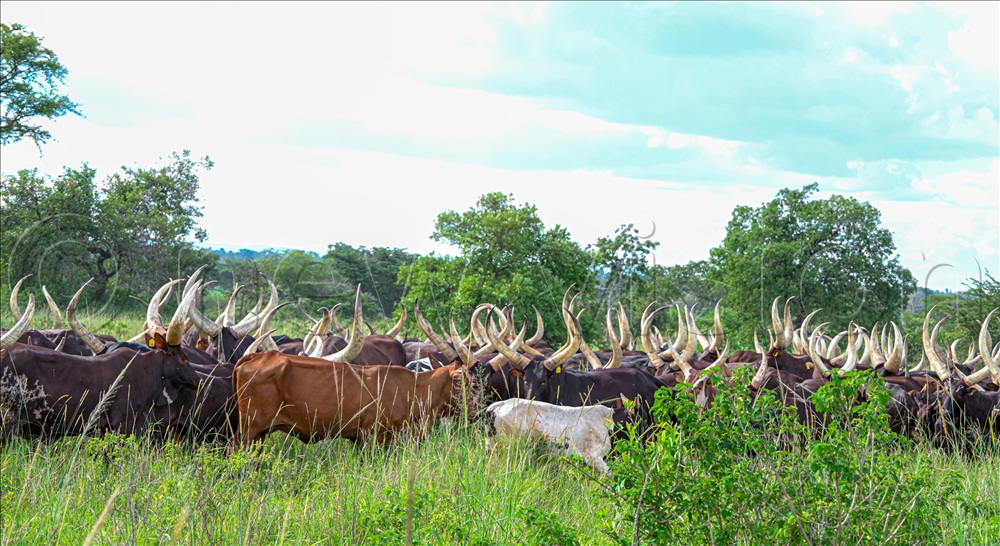
The group walked through the cattle fields and proceeded to the bridge between River Mayanja and River Kafu, an area the President described as historically significant in Uganda’s liberation struggle.
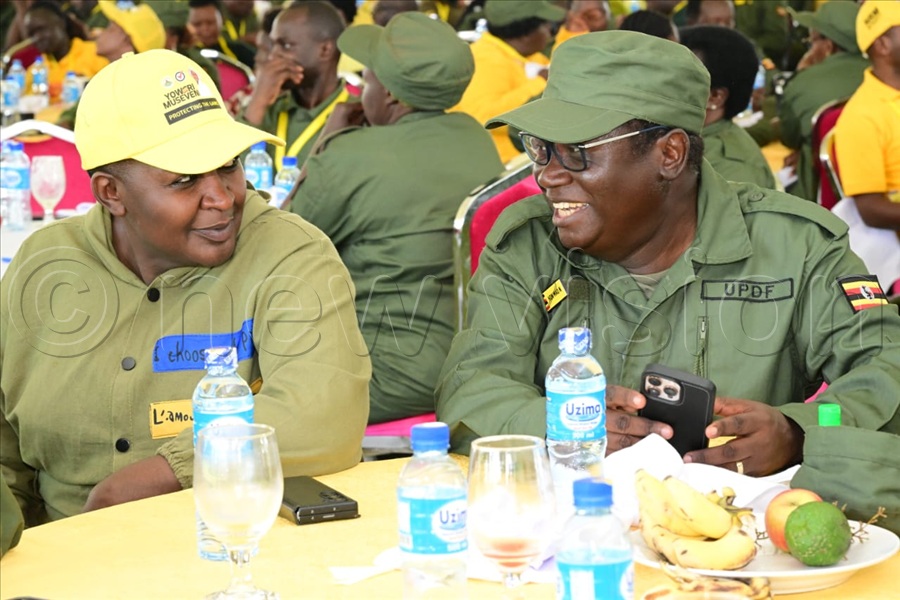
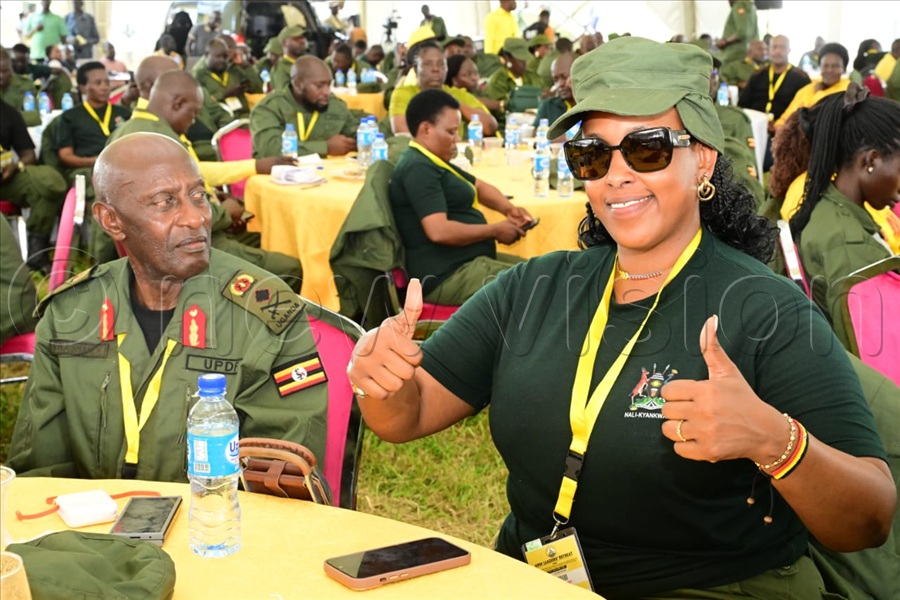
Speaking during the final session, the President emphasised the historical and strategic importance of Kyankwanzi.
“This place is very important for two reasons,” he said.
He recalled that on February 20, 1984, the National Resistance Army (NRA) mobile brigade, led by Gen. Caleb Akandwanaho (Salim Saleh), attacked and overran Masindi Barracks after trekking for days from Kanyara.
“They had walked for many miles and attacked Masindi Barracks. We were monitoring through the radio, and I intercepted communications from Obote’s forces saying they had been attacked and overrun,” he said.
President Museveni added that he immediately set off on foot to link up with the fighters.
“I left at about 10:00am and walked. We slept near a place nearby and later crossed into Kyankwanzi, where we linked up with Saleh’s force,” he noted.
He revealed that after the war, he decided to secure the land for national purposes.
“After the war, I said I will buy this land for the movement because it was a good area. Eventually, the government acquired it, and that is why we are here today,” he said.
The President noted that the area’s geography, surrounded by rivers such as Mayanja and Kafu, makes it ideal for reflection and ideological orientation.
“That is why I always bring you here,” he added.
Shift to the money economy
President Museveni reiterated his long-standing message of transitioning Ugandans from subsistence living to the money economy.
“By the time of independence, only about 9% of homesteads were in the money economy. The rest were producing just for the stomach,” he explained.
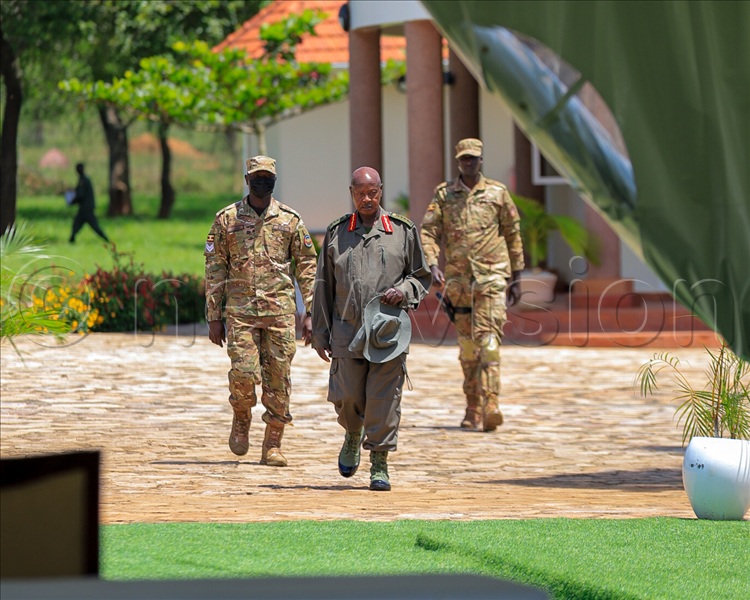
Drawing from his upbringing in Ntungamo, the President said most families, including his own, were not engaged in commercial activity.
“We had cows and bananas, but they were only for consumption. There was no selling,” he said.
He emphasised that since the 1960s, there has been a consistent push to transform livelihoods.
“Our message has always been that our people must enter the money economy,” he added.
The President highlighted progress in the cattle corridor, which stretches from Isingiro through Kazo, Kiruhura, Sembabule, Gomba, Kyankwanzi, Nakasongola, and Masindi.
“When we came into government in 1986, we intensified this message. We encouraged smallholder farmers to adopt dairy farming and other income-generating activities,” he said.
He noted that the strategy has yielded visible results.
“The cattle corridor has transformed because people changed their mindset and followed the message,” President Museveni said.
He cited farmer John Matongo as one of the beneficiaries.
“He was outside the money economy, but now he has transformed and become a wealthy man,” he noted.
However, he urged farmers to embrace pasture improvement for increased productivity.
“If you plant improved pasture on one square mile, you can keep up to 300 cows,” he advised.
President Museveni also pointed to ongoing efforts to improve infrastructure in the area.
“We shall continue working on the roads connecting Luwero, Ngoma, and Kyankwanzi to improve accessibility,” he said.
Strong warning against corruption
The President issued a stern warning against corruption, particularly within Parliament.
“I do not want to hear of corruption in Parliament. If there is corruption in Parliament, how will you control others? You are the oversight body,” he said.
He warned that corruption poses a serious threat to national development.
“It will kill Uganda. It is suicide and must not be tolerated,” he stressed.
President Museveni further revealed reports of bribery linked to budget approvals.
“I have heard that some people demand money before passing budgets. One official refused and reported the matter. This must stop,” he said.
He cautioned that anyone found engaging in bribery for positions would be disqualified.
“If we hear that you are giving bribes to get office, you will be disqualified,” he warned.
On the Parish Development Model (PDM), the President urged proper utilisation of funds.
“This money we are sending to the people can change their lives if used properly,” he said.
He also advised citizens to avoid unnecessary borrowing.
“Do not rush to money lenders or banks because of pressure. Use the resources you have wisely,” he cautioned.
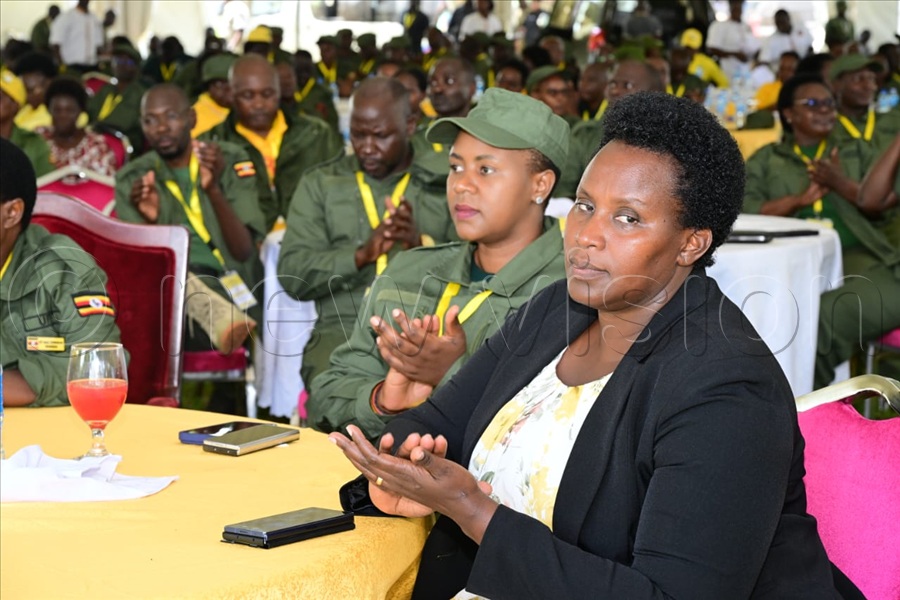
On her part, the Vice President, H.E Jessica Alupo, commended the Members of Parliament-elect for completing the retreat, describing it as a key platform for strengthening ideological grounding and leadership discipline.
She said the Kyankwanzi training was essential in aligning leaders with the Movement’s long-term vision of socio-economic transformation.
“We appreciate the commitment shown by the MPs throughout this retreat. It is important that leaders remain grounded in the ideology of the Movement as they serve the people,” she said.
She urged the legislators to translate the knowledge gained into practical service delivery and improved accountability at all levels.
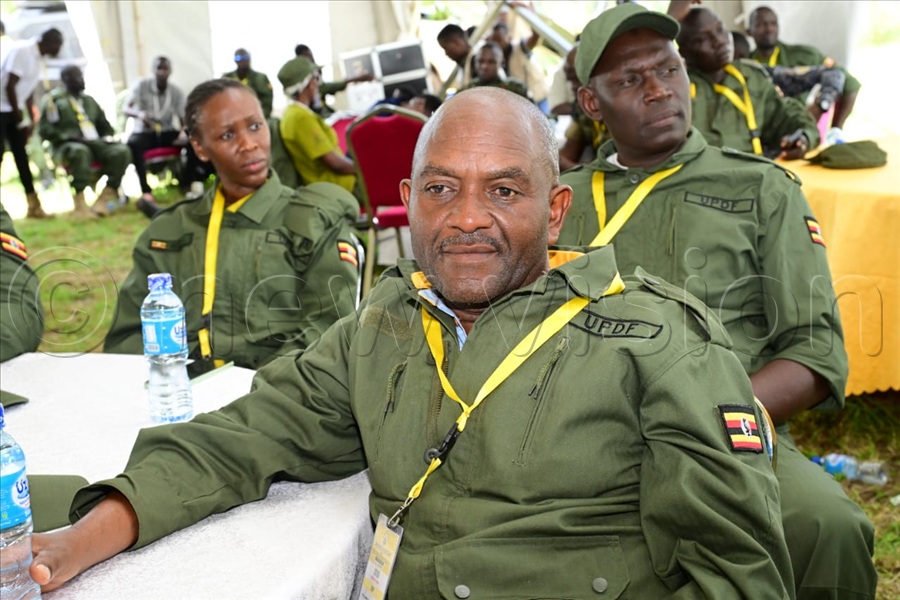
The Secretary General of the NRM, Rt. Hon. Richard Todwong presented the official resolutions of the retreat on behalf of the NRM Members of Parliament and party-leaning Independents.
“We gathered here as NRM Members of Parliament-elect and NRM-leaning Independents to reflect on our role in protecting the gains of the revolution and advancing Uganda towards a higher middle-income status,” he said.
He noted that the retreat followed the NRM’s electoral victory in the 2026 general elections.
“We acknowledge the resounding victory of the NRM Party and its Presidential candidate, Gen. Yoweri Kaguta Museveni, and appreciate the role played by the party structures under the stewardship of the Secretary General and the entire leadership,” he added.
Todwong said the MPs benefited from ideological guidance by President Museveni, who delivered a keynote address on understanding the NRM Revolution and party ideology, as well as a series of leadership materials authored by the President.
“We were guided by the wisdom and leadership of the National Chairperson and inspired to recommit ourselves to the mission of the Movement,” he said.
Presenting the resolutions, Todwong said MPs had resolved to uphold discipline, accountability, and ethical leadership.
“We commit to institutionalising a culture of discipline, accountability, and results-oriented leadership aligned to the NRM manifesto,” he said.
He emphasised that leaders would prioritise national interest over personal gain and reject mediocrity.
“We also resolved to support firm and decisive measures in the fight against corruption at all levels of government,” he added.
The MPs further committed to strengthening anti-corruption institutions and enforcing strict accountability mechanisms.
“We reaffirm a zero-tolerance on corruption, inefficiency, and abuse of office,” Todwong said.
On the economy, Todwong said MPs pledged to support policies aimed at accelerating socio-economic transformation.
“We have committed to aligning all our decisions with the National Development Plan IV and supporting policies that expand access to affordable credit, markets, and infrastructure,” he noted.
He added that MPs would support the government's tenfold growth strategy and efforts to double the economy every five years.
“We shall promote value addition, export orientation, and import substitution as key drivers of Uganda’s transition to a higher middle-income economy,” he said.
Meanwhile, the Member of Parliament for Nakaseke North, Prof. Wilber Manyisa Ahebwa, commended President Museveni for his leadership and contribution to national development.
“I thank you, Your Excellency, for the sacrifices you have made for this country,” he said.
He noted that Nakaseke strongly supported the President in the recent elections.
“This constituency gave you overwhelming support, and we remain committed to the Movement,” he added.
Prof. Manyisa highlighted key economic activities in the area, including cattle keeping and tea growing, and pledged to continue mobilising communities for government programmes.