
Politics
Karamoja poverty, hunger and security dominate as Nandala campaigns in NRM stronghold
Stretching across the north-eastern corner of the country, the region’s challenges have been shaped by harsh climatic shocks, historical neglect and long-standing insecurity linked to cattle raiding and the proliferation of small arms.
Karamoja poverty, hunger and security dominate as Nandala campaigns in NRM stronghold
By: John Musenze, Journalists @New Vision
__________________
For decades, Karamoja has stood apart from much of Uganda, defined by extreme poverty, chronic hunger and cycles of gun violence that have left communities vulnerable and isolated.
Stretching across the north-eastern corner of the country, the region’s challenges have been shaped by harsh climatic shocks, historical neglect and long-standing insecurity linked to cattle raiding and the proliferation of small arms.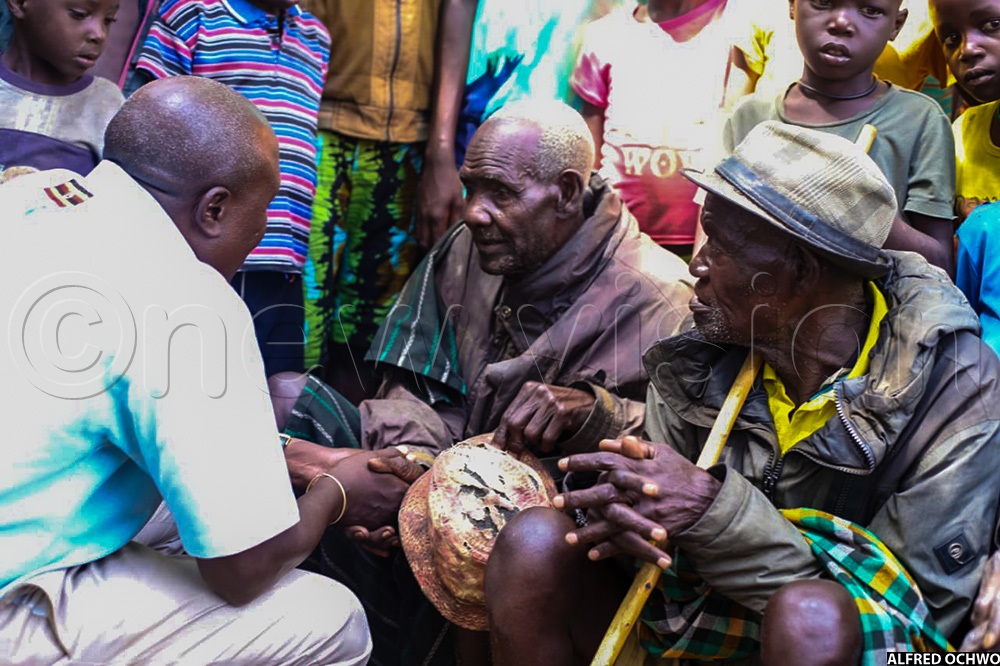
As political campaigns intensify, Karamoja has once again become a battleground of ideas, promises and competing visions for its future.
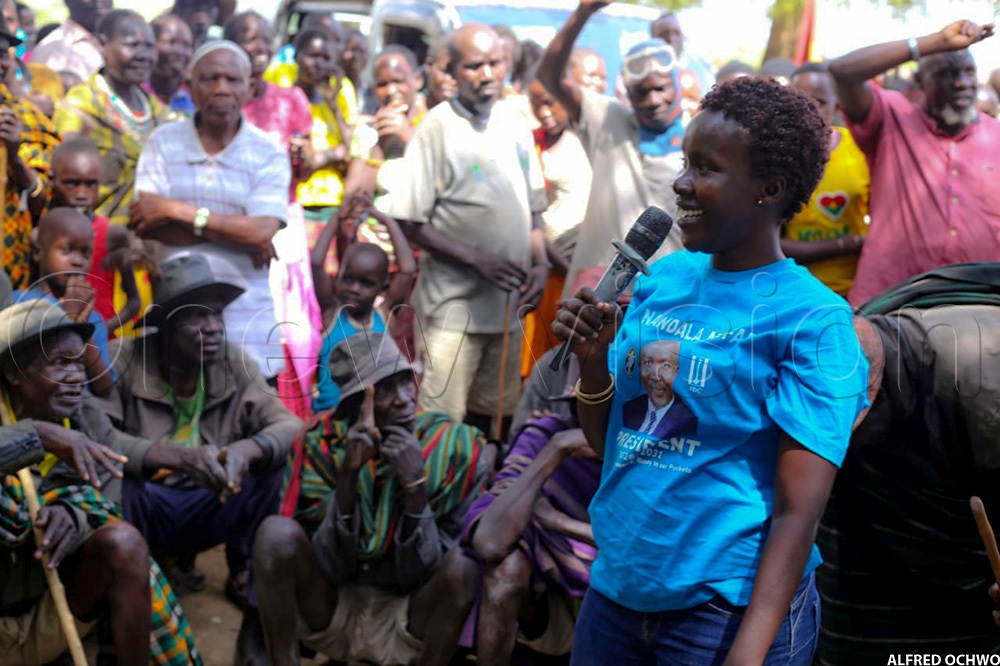
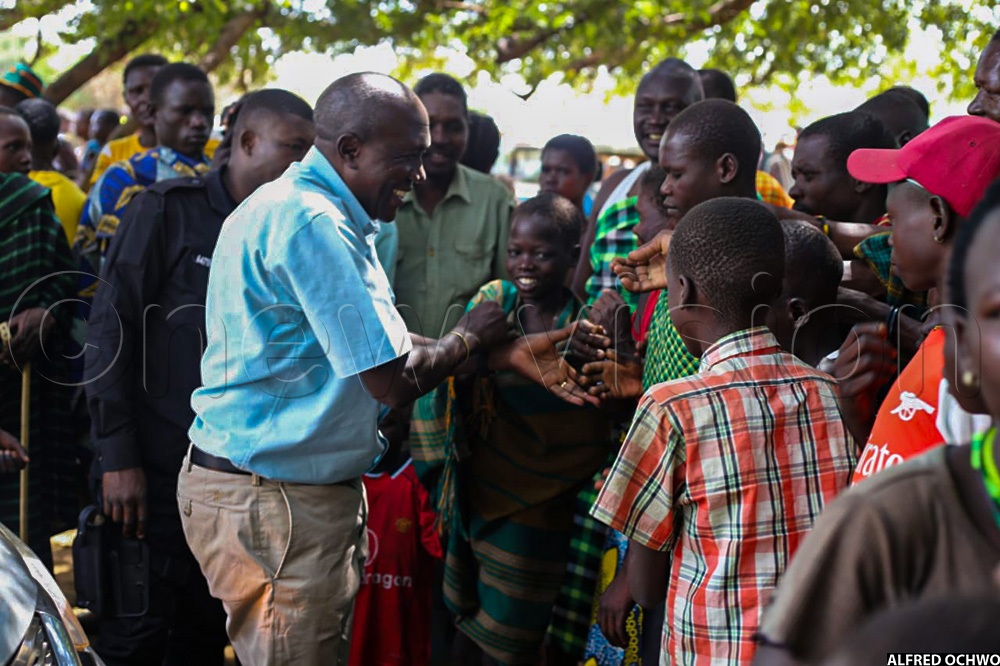
In Amudat, Abim and Nakapiripirit, where Forum for Democratic Change presidential candidate James Nathan Nandala Mafabi campaigned on Saturday, December 27, the daily struggles of ordinary residents remain stark. Water scarcity, food insecurity and grinding poverty continue to define life for many households.
“We walk for hours to find water, especially in the dry season. When the dams dry up, women and children suffer most. Livestock die, gardens fail, and hunger comes quickly. Sometimes aid comes, but it does not last,” said Peter Lokiru, a resident of Karita subcounty in Amudat district.
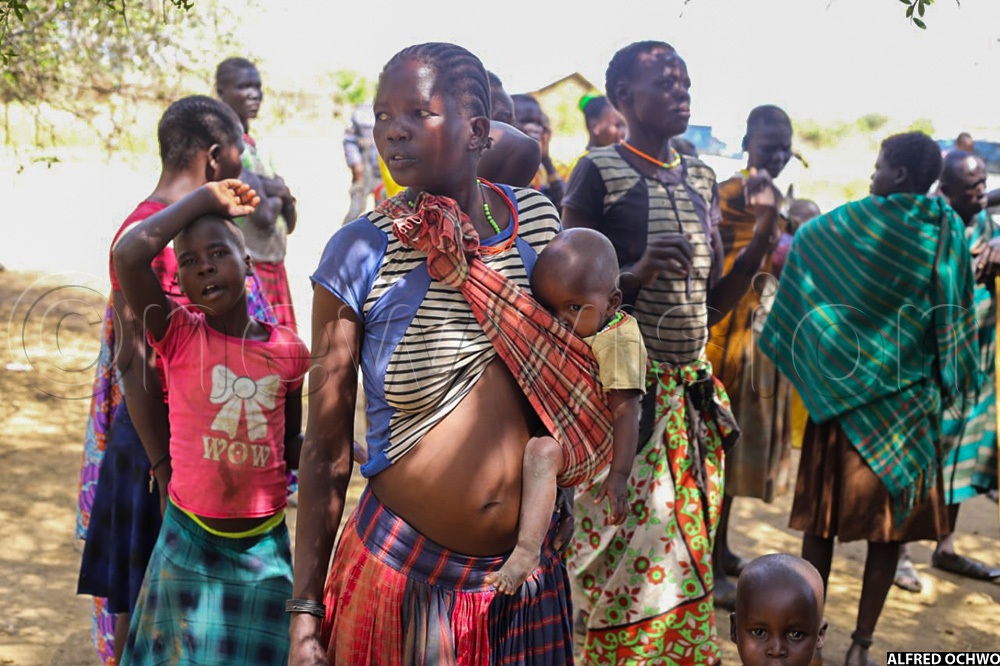
In Abim, the story is similar. Maria Akello said poverty has trapped families across generations.
“When drought comes, there is no food. When floods come, gardens are destroyed. We want peace and services so that our children can have a better life than ours,” she said.
Karamoja remains one of the poorest regions in Uganda, with poverty levels estimated at over 74 per cent and nearly one million people living below the poverty line. Food and nutrition insecurity is widespread, with high rates of malnutrition and stunting among children.
Climate change has intensified the crisis, as recurring droughts, erratic rainfall and occasional floods destroy crops and livestock, undermining livelihoods that are heavily dependent on nature.
Nandala promises development
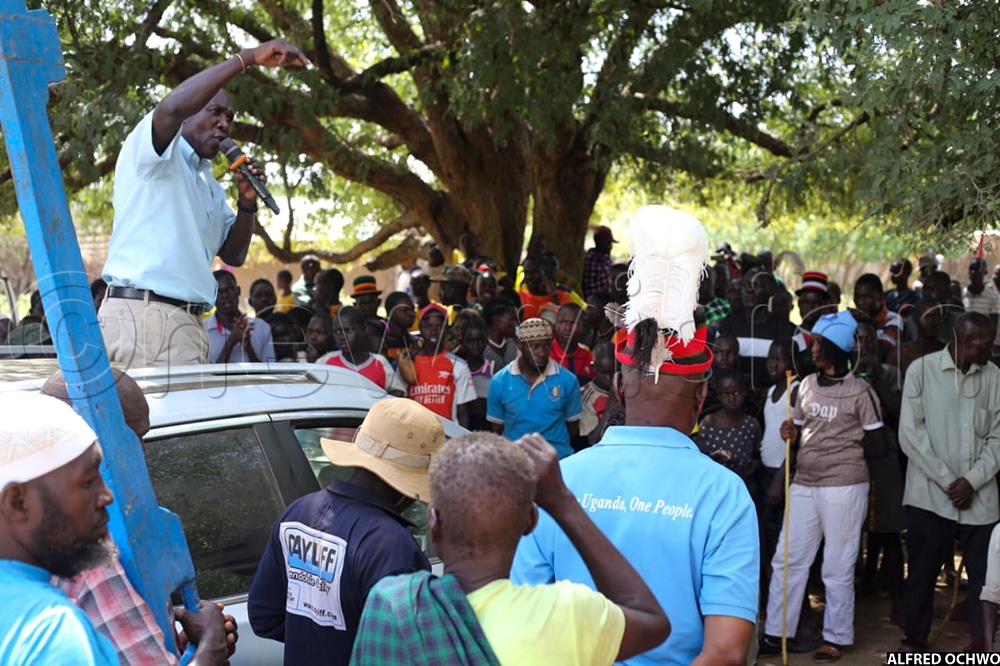
Campaigning in the region, Nandala Mafabi said existing efforts had not gone far enough. Addressing rallies in Nakapiripirit, Napak and Abim, he promised a comprehensive policy shift, starting with tackling poverty as the root cause of insecurity.
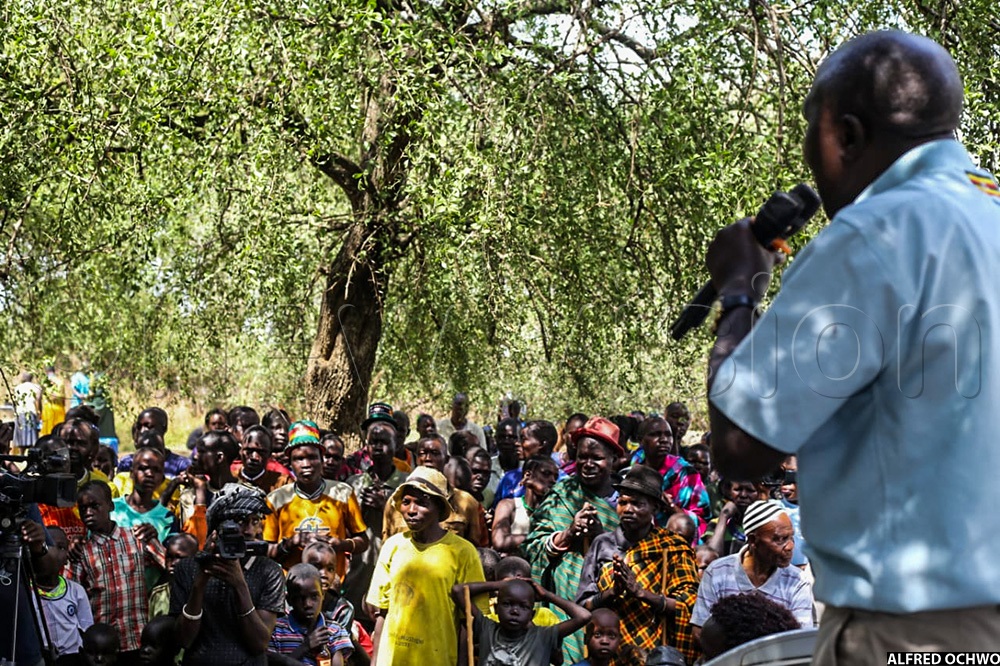
“This insecurity is being caused by poverty. You cannot solve it with guns alone. You must fix the economy of the people. Make life here the same as life across the border, and peace will follow.” Nandala told journalists.
He pledged to establish hospitals across Karamoja at the sub-county level, expand access to education and introduce school feeding programmes to ensure children receive breakfast and lunch.
Nandala also promised to turn Karamoja into both an agricultural and industrial region, arguing that the area’s vast land and mineral wealth remain underutilised.
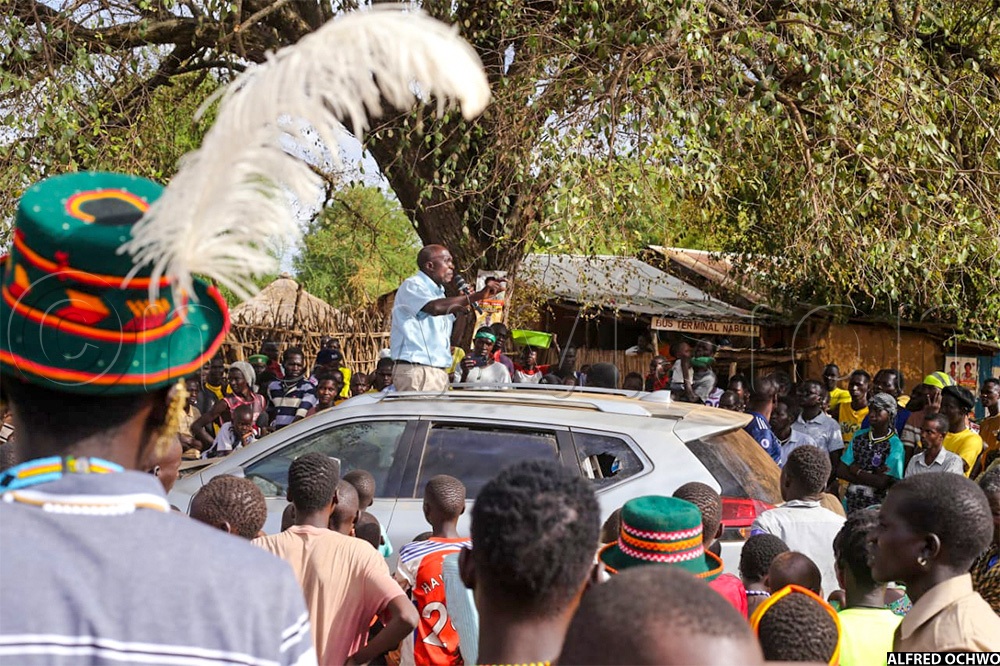
On infrastructure, he vowed an aggressive national road construction programme, including tarmacking at least 200 kilometres of roads annually in every district. He further pledged to expand access to affordable electricity, saying development cannot take place without power reaching ordinary homes.
Nandala criticised moneylenders operating in rural areas, describing them as an insurgency that exploits desperation, and proposed lowering fuel taxes in border regions to harmonise prices and create jobs for young people.
NRM gains in Karamoja
The National Resistance Movement government argues that it has laid the foundation for Karamoja’s transformation. President Yoweri Museveni has repeatedly said stabilising water availability is key to ending insecurity and unlocking development.
Over the years, government has constructed more than 80 valley tanks and several large water reservoirs to support livestock and irrigation, alongside initiatives such as Karamoja Feeds Karamoja, aimed at boosting local food production.
Under the Karamoja Integrated Development Plan, authorities say efforts are being coordinated to transition the region from subsistence nomadism to commercial agriculture and industrialisation. Major infrastructure projects are underway, including a clinker and cement factory in Moroto, expected to create thousands of jobs once operational.
Electricity has been extended to key towns including Moroto, Kotido, Kaabong and Karenga, while a new phase of the National Backbone Infrastructure is rolling out high-speed internet across the sub-region.
Education and skills development have also featured prominently in the NRM agenda. Construction of Moroto University, focusing on science and agriculture, is ongoing, and industrial hubs have been established to equip young people with vocational skills.
Government has further pledged to sponsor science students from Karamoja in higher institutions, arguing that education is critical to breaking the cycle of poverty.
Security, long a defining issue in the region, has improved following sustained disarmament campaigns, which authorities credit for the relative peace now prevailing. Health infrastructure is also receiving attention, with several health centres being upgraded and new facilities constructed to improve access to care.
Politically, Karamoja has remained a stronghold of the NRM, consistently delivering overwhelming support to President Museveni and the ruling party in successive elections.