
In Sembabule, Nandala Cautions EC on Electoral Violence
“We call upon the Electoral Commission to stop this violence if it truly controls the electoral process. For a long time, we have observed what happens here when the army and those in power intimidate others. This is not only in Sembabule; it is happening across the country. The EC must act, not just issue statements.” Nandala told journalists on the sidelines of his campaign.
Addressing six rallies across the district, Nandala said the persistence of violence during elections was a sign of institutional failure and political impunity. (Credit: Alfred Ochwoi)
SEMBABULE - With less than a month to the 2026 General Election, presidential candidate James Nathan Nandala Mafabi has taken his campaign to the cattle corridor district of Sembabule.
The December 17, 2025, visit to the district by Forum for Democratic Change (FDC) party flag-bearer, saw him deliver a pointed warning at the Electoral Commission (EC) over what he described as entrenched electoral violence that has repeatedly scarred the district’s political history.
Sembabule, a predominantly pastoral and agricultural district in the Greater Masaka region, is no stranger to election-related tension.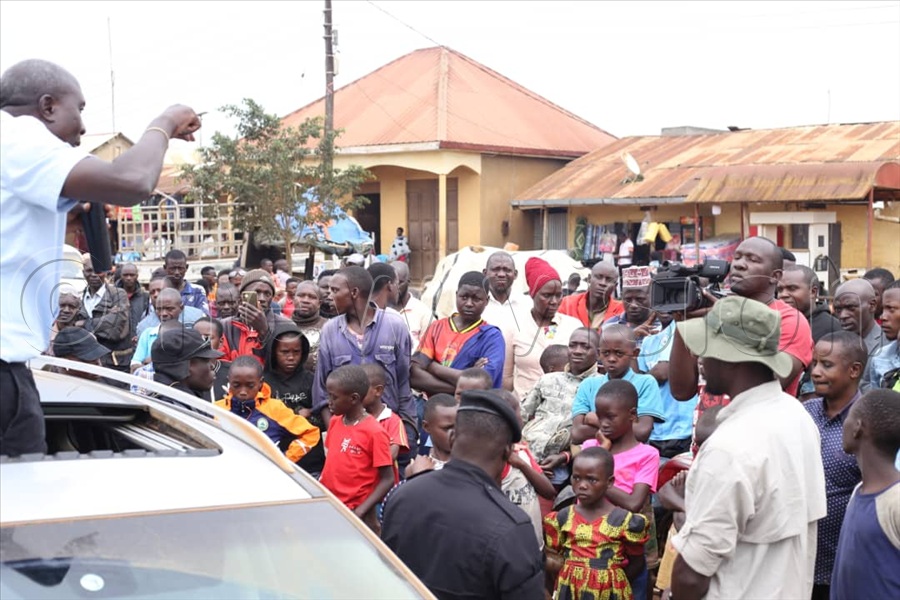
Nandala argued that without firm action by the EC, elections risk becoming rituals of fear rather than exercises in free choice. (All Photos by Alfred Ochwo)
Over the years, campaigns here have often been marked by intimidation, violent clashes between rival supporters, heavy security deployments and allegations of state interference, episodes that have left communities fearful and, in some cases, grieving.
Addressing six rallies across the district, Nandala said the persistence of violence during elections was a sign of institutional failure and political impunity.
He argued that without firm action by the EC, elections risk becoming rituals of fear rather than exercises in free choice.
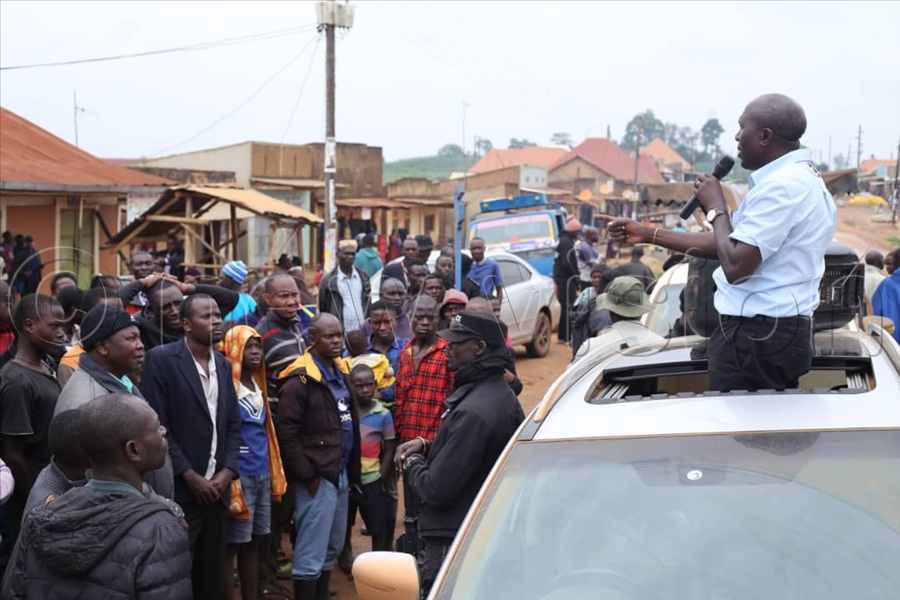
“We call upon the Electoral Commission to stop this violence if it truly controls the electoral process. For a long time, we have observed what happens here when the army and those in power intimidate others. This is not only in Sembabule; it is happening across the country. The EC must act, not just issue statements.” Nandala told journalists on the sidelines of his campaign.
His remarks touched a raw nerve in a district where past elections have been accompanied by chaos. In previous electoral cycles, Sembabule has witnessed clashes between supporters of rival candidates, arrests of opposition mobilisers, disruption of rallies and the use of security forces to disperse gatherings.
Not the mandate of EC
It should be noted, however, that security is not a direct part of the Uganda Electoral Commission's (EC) primary constitutional mandate, which is to organise, conduct and supervise elections and referenda. Instead, security is the responsibility of the Uganda Police Force (UPF), which serves as the lead agency for election security.
While the commission does not command security forces, it has security-related duties and collaborative roles, including being the sole manager of the electoral process by organising polling stations, verifying voters and managing election materials.
The Police are mandated to maintain law and order, secure electoral materials, and provide a stable environment for voting.
Anxiety and uncertainty
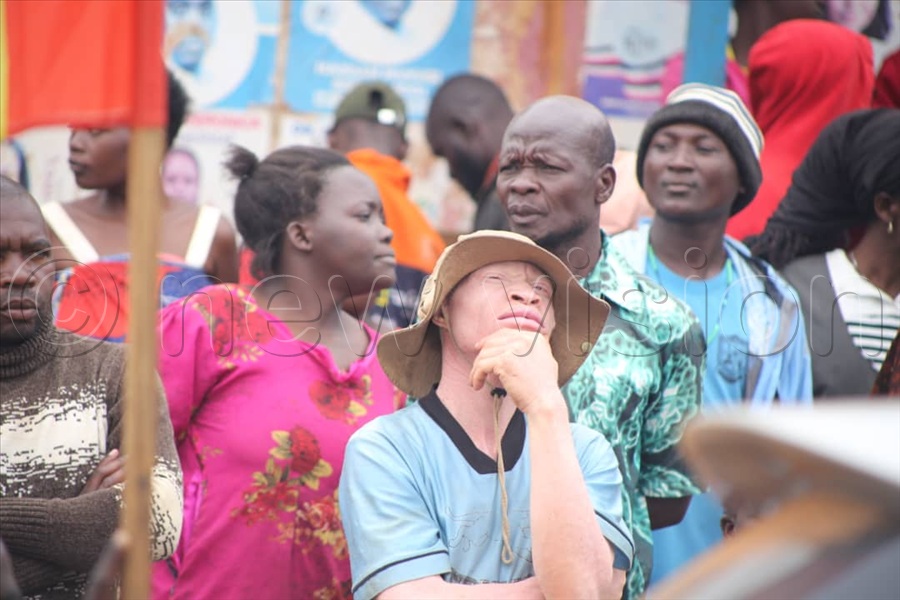
Nandala said elections in Sembabule are often accompanied by anxiety and uncertainty, with families bracing for unrest whenever campaigns intensify.
“A credible election is not about ballot papers alone. It is about protecting the rights of citizens to assemble, to speak, to campaign and to vote without fear.” he said.
The FDC candidate began his December 17 campaign trail in neighbouring Bukomansimbi district, where he held two mid-morning rallies before proceeding to Sembabule.
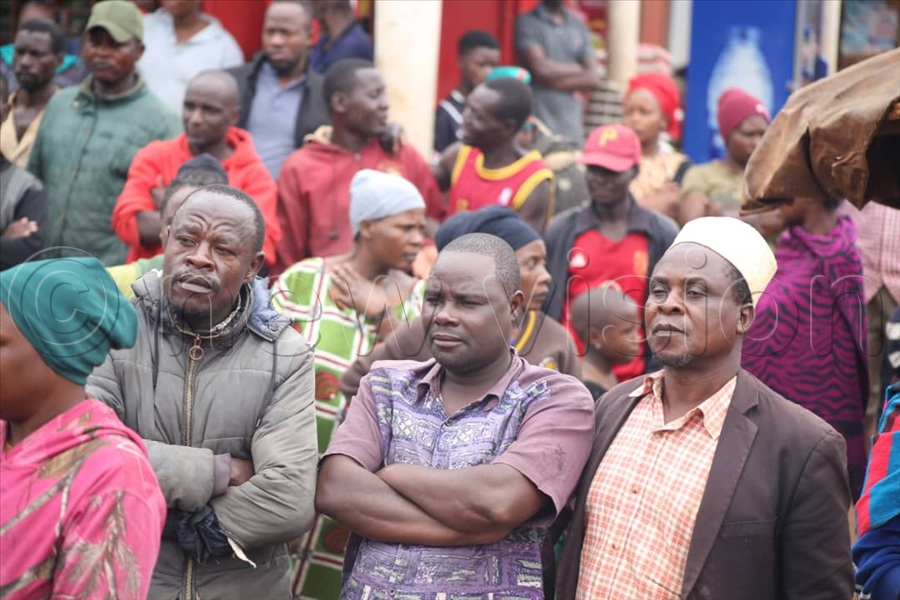
Heavy morning rains disrupted the programme until midday, but supporters still gathered in large numbers, a sign, he said, of citizens’ determination to be heard despite difficult conditions.
While his broader message included pledges on clean water, agriculture, education and healthcare, Nandala repeatedly returned to the theme of political violence, warning that development promises mean little if elections remain militarised.
He linked the cycle of violence to what he described as weak accountability and the dominance of seasoned politicians who appear during campaigns but abandon communities afterward.
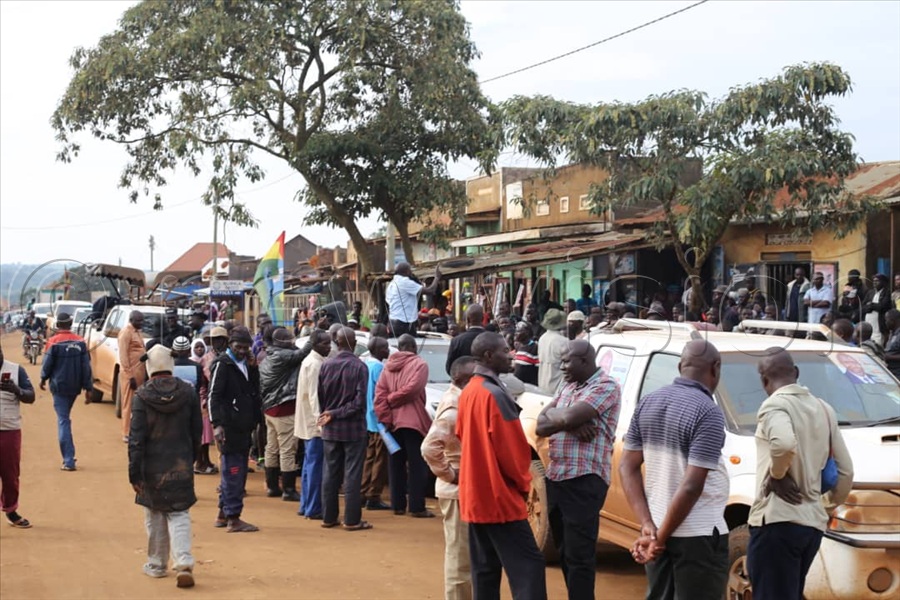
“If the Commission cannot guarantee a level playing field, then it fails its constitutional duty,” he said.
Despite the focus on electoral violence, the realities of daily life in Sembabule inevitably shaped the campaign discourse.
The district continues to grapple with water scarcity, poor road infrastructure and limited access to healthcare and education—factors that, according to residents, heighten frustration during elections.
For many voters, the memory of past violence remains vivid. Some recall how businesses were closed during tense campaign days, while others speak of children kept home from school out of fear.
“Every election season, people become nervous,” Steven Kagame, a resident in Mateete, said. “You don’t know when trouble will start.”
Nandala argued that such conditions undermine democracy and development alike. He said his administration would pursue electoral reforms aimed at demilitarising elections and strengthening the independence of institutions.
“You cannot talk about prosperity where people are beaten for supporting a candidate of their choice,” he said.
At the same time, he sought to reassure supporters that change was possible through peaceful participation. He urged voters to resist provocation and to document and report incidents of intimidation.
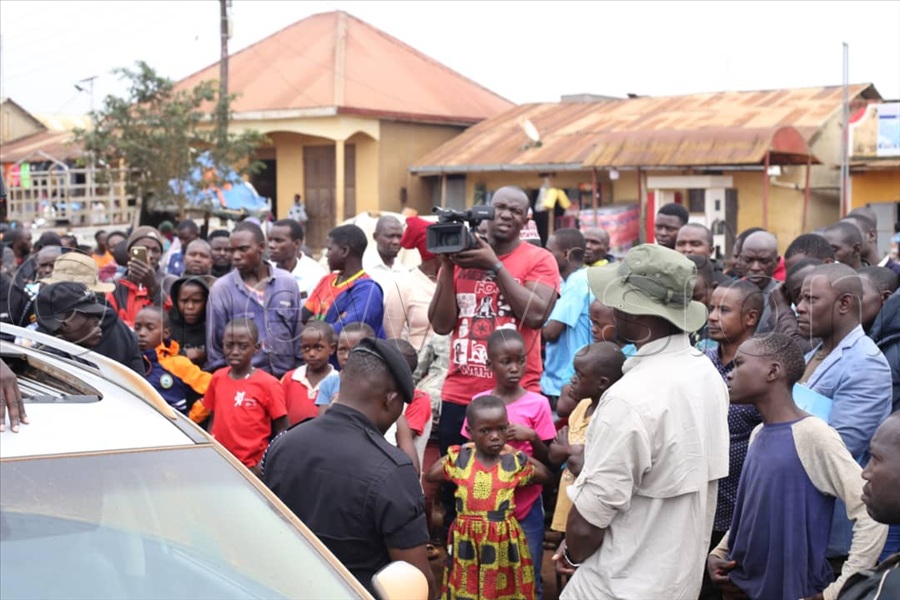
“Our power is in numbers and in courage,” he told a rally. “Violence thrives when people are silent.”
Ivan Muganga, a resident of Mateete, said political violence discourages young people from engaging in leadership and civic life.
“Many youths fear getting involved because elections here can turn dangerous,” he said.
“Yet the same youths are later blamed for not participating.”
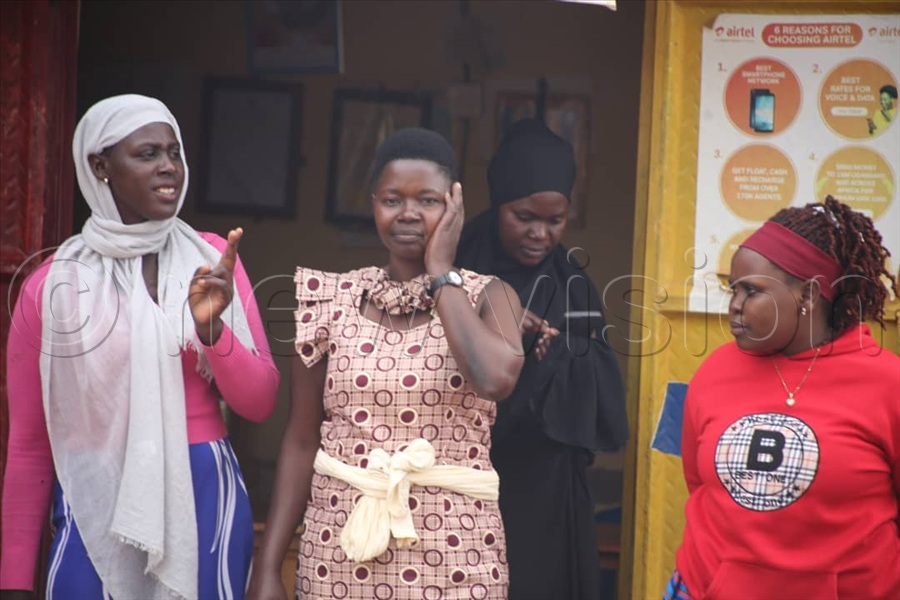
For others, the fear of violence intersects with daily hardships. Henry Karuhanga from Lwebitakuli said insecurity during elections compounds challenges such as water scarcity and poverty.
“When there is tension, everything stops—business, school, even access to water becomes risky,” he said.