
Women discuss herbal medicine, culture and healing in modern society
Organised by the Herbal Women’s Network Uganda, the conference brought together herbal leaders, cultural guides, counsellors, entrepreneurs, and digital content creators under the theme: Understanding the African Woman.
Herbalist Lydia Nassali (left) during a panel discussion. (Credit: Barbra Kabahumuza)
KAMPALA - As the world marked International Women’s Day on March 8, 2026, several women gathered to discuss herbal medicine, culture and healing in modern African society.
Herbal medicine researchers have long worked to uncover the potential of plant-based remedies, contributing valuable insights into the medicinal properties of herbs and plants used in traditional medicine.
However, many in the field are frustrated over the lack of recognition for their findings in the mainstream scientific and medical communities.
Despite decades of research into the benefits of various herbs, from medicinal plants used in ancient healing traditions to newer studies exploring their efficacy in modern treatments, many herbal medicine researchers feel their work is often either overlooked or dismissed.
The stigma surrounding alternative medicine, along with challenges in obtaining funding for non-traditional research, has contributed to this lack of acknowledgement.
It is partly due to this that women from different backgrounds met at the Kampala city-based Theatre La Bonita to discuss issues affecting fellow African women today.
Organised by the Herbal Women’s Network Uganda, the conference brought together herbal leaders, cultural guides, counsellors, entrepreneurs, and digital content creators under the theme: Understanding the African Woman.
The gathering created a platform for open conversations on culture, relationships, healing, and social transformation from an African perspective, according to a statement issued on March 10.
During the conference involving traditional healers, herbal practitioners, cultural leaders and professionals, there was open discussion on issues affecting African women while also responding to questions from the public.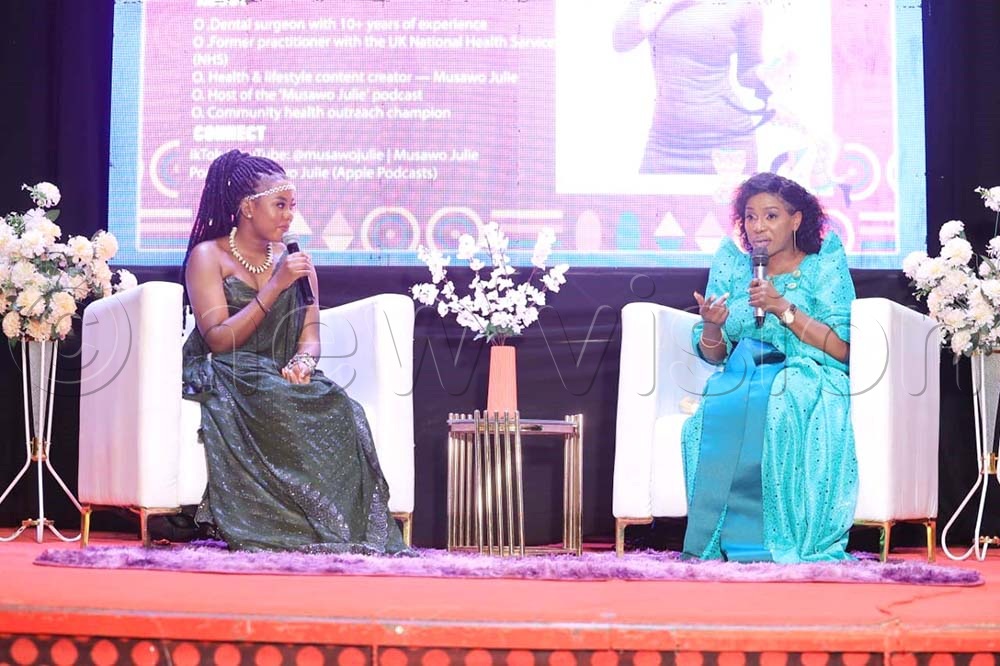
Juliet Nalubula (right) giving a keynote address during the event. (Credit: Barbara Kabahumuza)
The network seeks to unite women involved in African herbal practice, traditional healing, counselling, cultural leadership, and herbal education.
The initiative aims to provide a space where women can exchange knowledge, support one another, and promote responsible herbal practices within communities.
According to network leader Faith Barongo, the conference was intended to encourage dialogue and reduce stigma around African herbal traditions while promoting responsible practice and education.
The conference featured several speakers from different professional and cultural backgrounds.
Emotional well-being and self-awareness
Among the keynote speakers was Dr Nalubula Juliet, who addressed issues of women’s health, emotional well-being and the importance of self-awareness among African women in modern society.
Traditionalists were represented by Kasozi Batuuka, who spoke about ancestral wisdom, community guidance, and the role of traditional herbalists in society.
Kasiko Mutaasa highlighted the importance of herbal medicine, discipline in herbal practice, and how traditional healing can coexist with entrepreneurship.
Cultural identity and digital storytelling were addressed by Nakajima Joan, who spoke about preserving African culture and values in the digital age.
Other speakers were Mwagale Najat (discussed women’s leadership and intuition within African traditions) and Nayiga Deborah (focused on emotional healing and vocational empowerment for women).
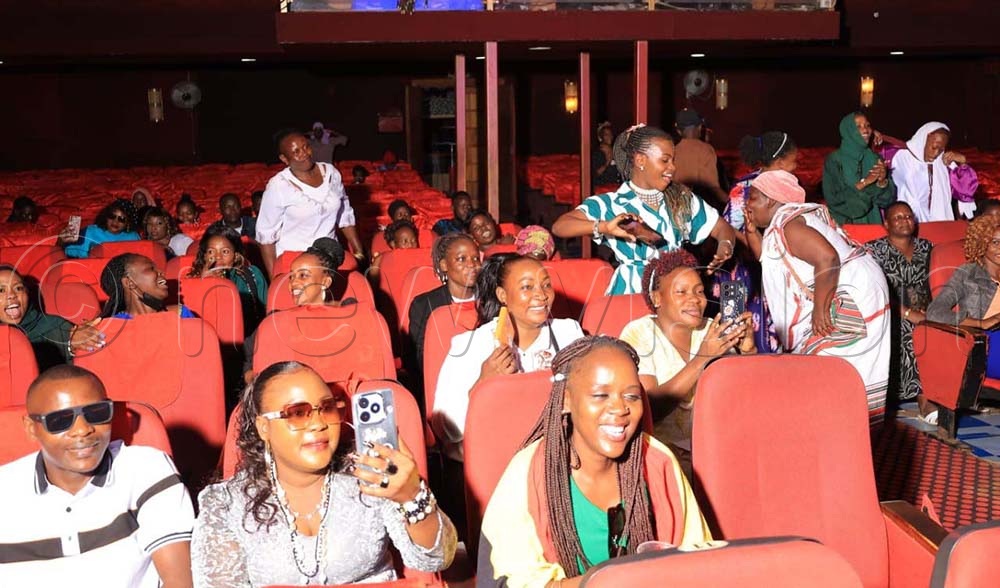
Guests during the event.
Digital content creator Kumal also shared insights on how social media can help amplify African cultural narratives among younger generations.
The event was hosted by Gloria Kebirungi, who guided the discussions throughout the evening.
The programme was facilitated by presenters Nankulu and Nassali, while cultural educator Senga Nabukeera added perspective on family relationships and responsibilities within African traditions.
Relationships and marriage
One of the most engaging parts of the conference was the discussion around challenges facing African men and women in relationships and marriage.
Speakers addressed topics such as modern marriage dynamics, cultural expectations placed on women, emotional healing, and balancing modern life with African cultural identity.
Participants were also given the opportunity to interact directly with panellists, creating an open exchange of ideas and experiences.
Beyond the discussions, the conference also served as a celebration of the African woman, her resilience, leadership, and cultural influence.
Through dialogue and storytelling, speakers emphasised that understanding the African woman requires appreciating her cultural heritage, evolving social roles, and the influence she holds within families and communities.
Following the success of the inaugural conference, organisers expressed hope that the event would become an annual platform for dialogue and education around African herbal traditions and womanhood.