
Transforming farmers with practical goat farming
Muhumuza challenged farmers to rethink what defines a good goat.
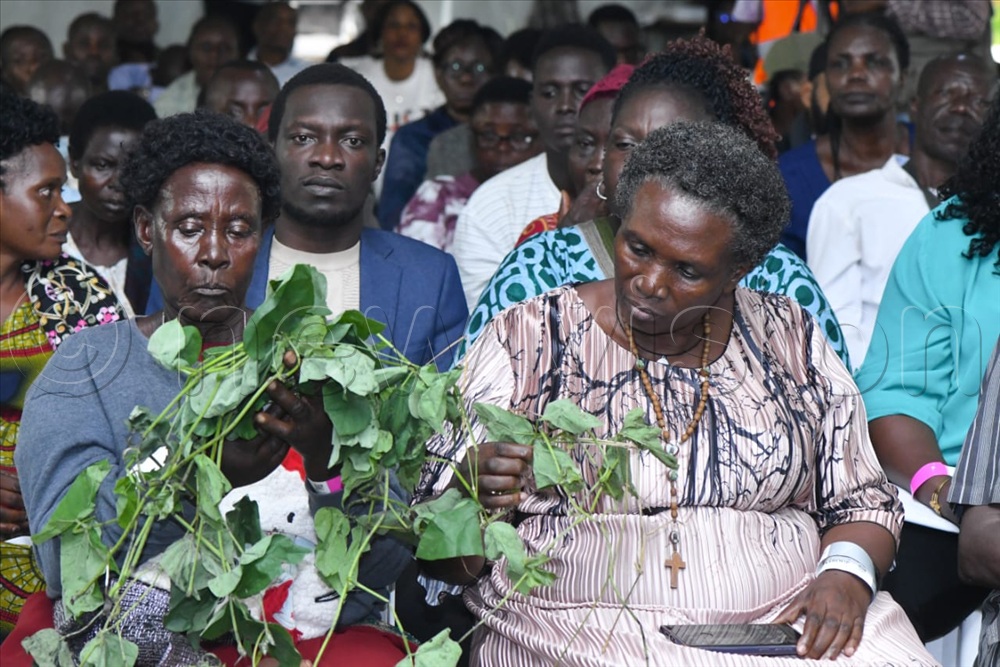
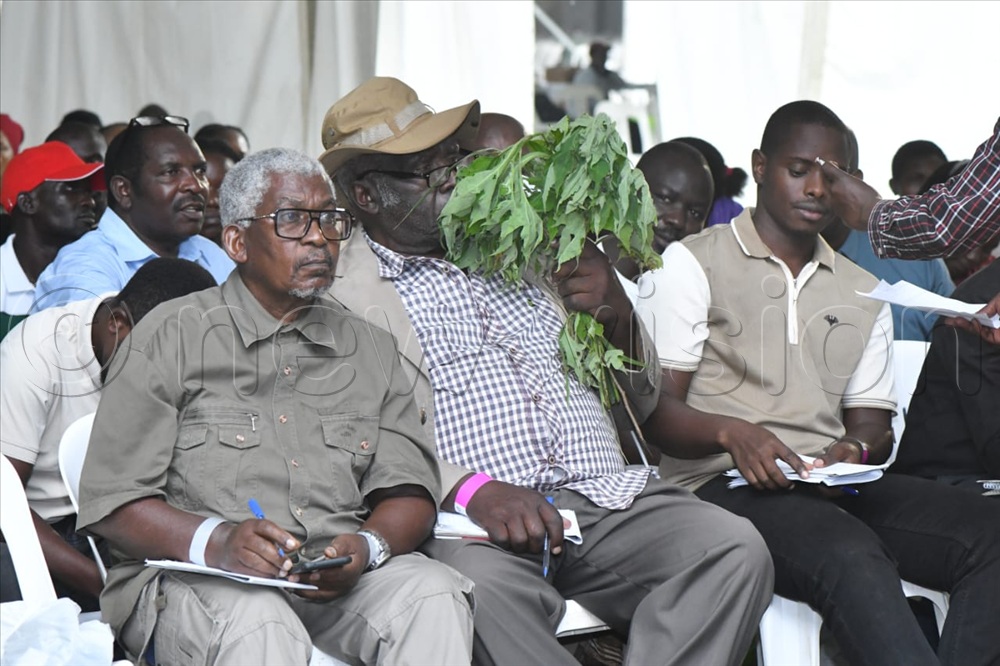
One of the most engaging sessions of the opening day was led by goat production specialist Edgar Muhumuza, who broke down the science and business of successful goat farming. (Photos by Richard Sanya)
________________
As gates swung open at the Kololo Ceremonial Grounds this morning, farmers, youth, agribusiness enthusiasts and families streamed in with notebooks in hand and one clear goal - to learn.
The 10th edition of the Harvest Money Expo is not just another agricultural show. It is a classroom without walls, a marketplace of ideas and a practical training ground for Ugandans determined to turn farming into a profitable business. The expo runs until Sunday.


Organised by Vision Group in partnership with the Embassy of the Kingdom of the Netherlands in Uganda, this year’s expo celebrates a decade of equipping Ugandans with hands-on skills. Over the years, it has grown into one of the country’s most respected agricultural learning platforms.
The other partners include Tunga Nutrition, Engineering Solutions (ENGSOL), Uganda Development Corporation, aBi Development, Pearl Bank, Heifer International and Roke Telkom. Other key partners are the Ministry of Agriculture, Animal Industry and Fisheries and the Uganda Revenue Authority.
One of the most engaging sessions of the opening day was led by goat production specialist Edgar Muhumuza, who broke down the science and business of successful goat farming.
Kid survival is the real profit
He emphasised that kid survival is the foundation of a profitable enterprise. A goat’s gestation lasts about 150 days, but the last six weeks are the most critical. Nearly 70% of the kid’s weight develops during this period. If the mother is poorly fed at this stage, the kid is likely to be born weak and underweight.
Research and experience, he said, show that kids born at 3.5 kilogrammes and above have up to a 90% chance of survival. But when birth weight drops to around 2 kilogrammes, mortality rises sharply.
“The last six weeks of pregnancy demand special nutrition for the mother. That is when you secure the future of your herd,” Muhumuza stressed.
Genetics and environment matter
According to him, a kid's survival depends on two major factors: genetics and environment. Good genetics influence birth weight, strength (vigour) and disease resistance.
A healthy kid should stand and attempt to suckle shortly after birth; that is a sign of vigour. But farmers have more control over environmental factors such as feeding, housing, hygiene and vaccination.
He urged farmers to vaccinate against clostridial diseases about six weeks before kidding so that antibodies can pass from mother to kid through colostrum in the first hours after birth.
“Milk is life. If the mother has enough milk and the kid suckles early, you reduce disease risks significantly,” he said.

He also warned that common causes of diarrhoea in goats include clostridial infections, worms and coccidiosis, urging farmers to treat promptly and deworm kids starting at about one month of age.
Nutrition drives reproduction
Beyond survival, nutrition influences fertility. Well-fed goats return to heat faster after giving birth and can produce more kids per cycle. Poor nutrition, on the other hand, may lead to abortions or weak offspring.
Muhumuza advised farmers to monitor body condition scores. The ideal goat should not be too thin or excessively fat; a moderate score ensures better reproduction and market value.
Select productive mothers
In breeding, he believes “the magic is in the mothers.” Farmers should retain does that give birth regularly, raise strong kids and show good mothering ability. Animals that repeatedly lose kids or fail to conceive should be culled.
“Your capital is in the mothers, productivity, easy management and strong reproduction are the traits that build wealth”, he told participants.
Learning beyond the lecture
The expo grounds are filled with demonstration units, input suppliers, financial institutions and extension officers ready to guide farmers. From modern housing structures to vaccination schedules and feed formulation, visitors are exposed to practical knowledge they can implement immediately.
As the Expo marks 10 years, its message remains clear; agriculture is profitable when knowledge meets discipline. For many Ugandans attending this weekend, the lessons learned here could define the next decade of their farming journey.