
News
The law appears to favour rich, powerful people—justice minister Mao
While Uganda has comprehensive laws in place, Mao says their protection seems out of reach for ordinary citizens.
The law appears to favour rich, powerful people—justice minister Mao
By: Michael Odeng, Journalists @New Vision
__________________
Justice and constitutional affairs minister Norbert Mao has decried what he describes as growing inequality in access to justice, saying the law often appears to favour the rich and powerful.
While Uganda has comprehensive laws in place, Mao says their protection seems out of reach for ordinary citizens.
“There is a written law, but it appears to serve mainly those with money and power,” he says.
He made the remarks on Wednesday, March 4, 2026, during the launch of Phase Two of the Community Justice Programme at the residence of the Ambassador of Sweden to Uganda in Kololo, Kampala city.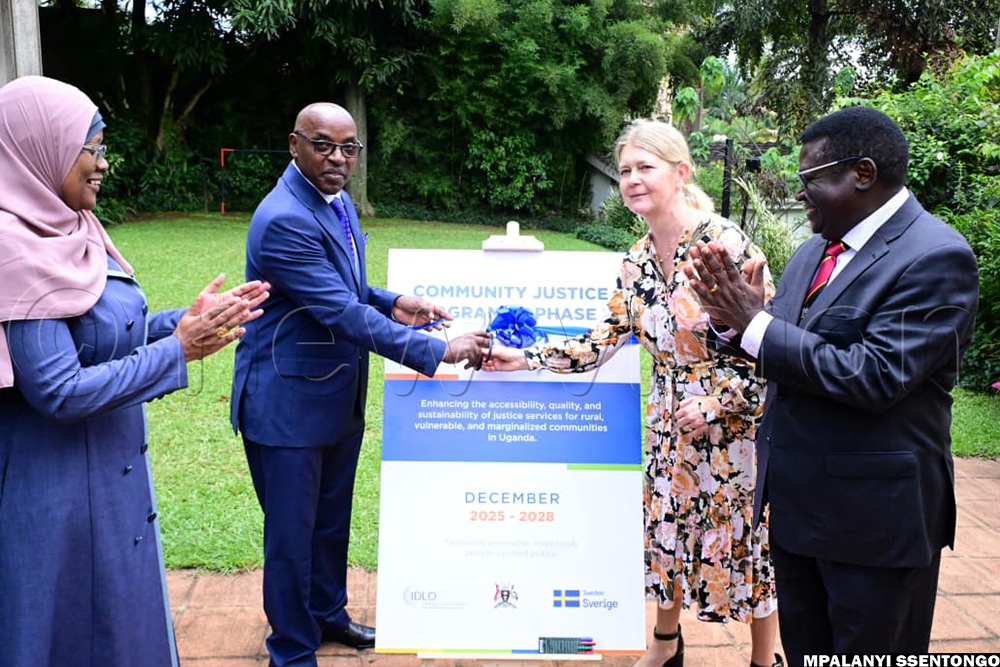
The 89 million Swedish krona (about shillings 35.6 billion) justice programme is being funded by Sweden and the International Development Law Organisation.
The justice minister said a key target under the Sustainable Development Goals (SDGs), which Uganda is a signatory to, is to advance the rule of law at national and international levels and ensure equal access to justice for all.
According to Mao, access to justice is linked to poverty reduction and inclusive growth.
Swedish ambassador Maria Hakansson said Sweden has a longstanding partnership with Uganda aimed at strengthening democracy, human rights and the rule of law.
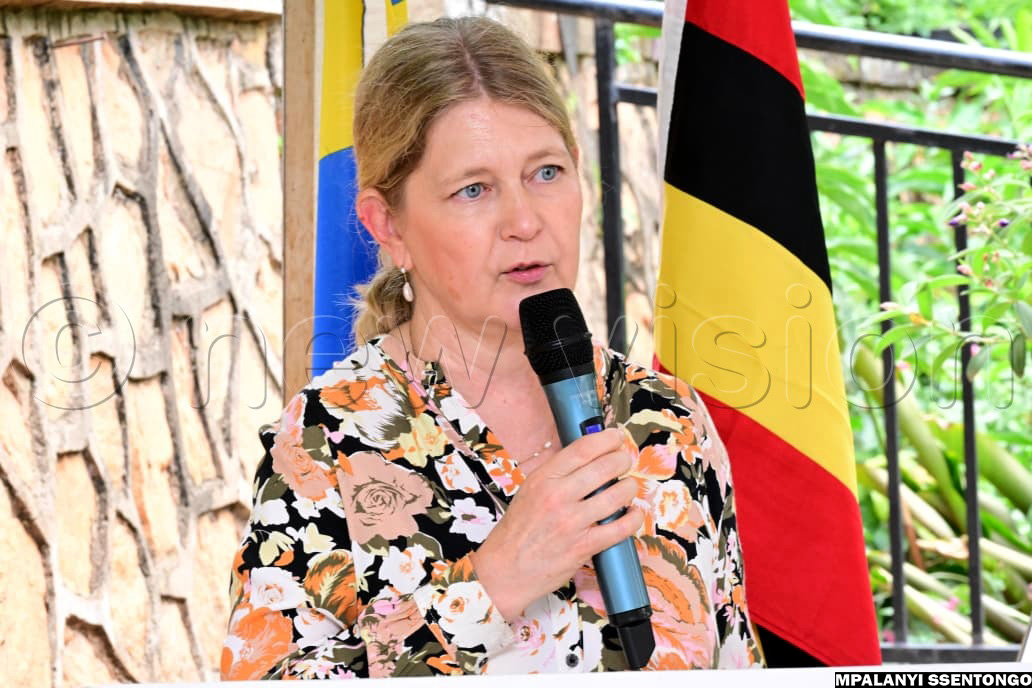
She said the new justice programme seeks to enhance the accessibility, quality and sustainability of justice services for rural, vulnerable and marginalised communities across Uganda.
Hakansson said Phase One of the justice programme registered achievements, including the provision of legal aid services, reduction of case backlog, development of a national alternative dispute resolution policy, improved case disposal rates within the Judiciary, and strengthened capacity of paralegals and community mediators.
She, however, noted that access to justice in Uganda remains a challenge due to resource constraints, inadequate geographical coverage, high legal costs, procedural complexity and institutional capacity gaps.
Review Legal Aid Bill
Barbara Kilei, the Country Manager of the Uganda country office at International Development Law Organisation, urged the Government to review and pass the Legal Aid Bill currently before Parliament to expand legal aid service provision at the community level.
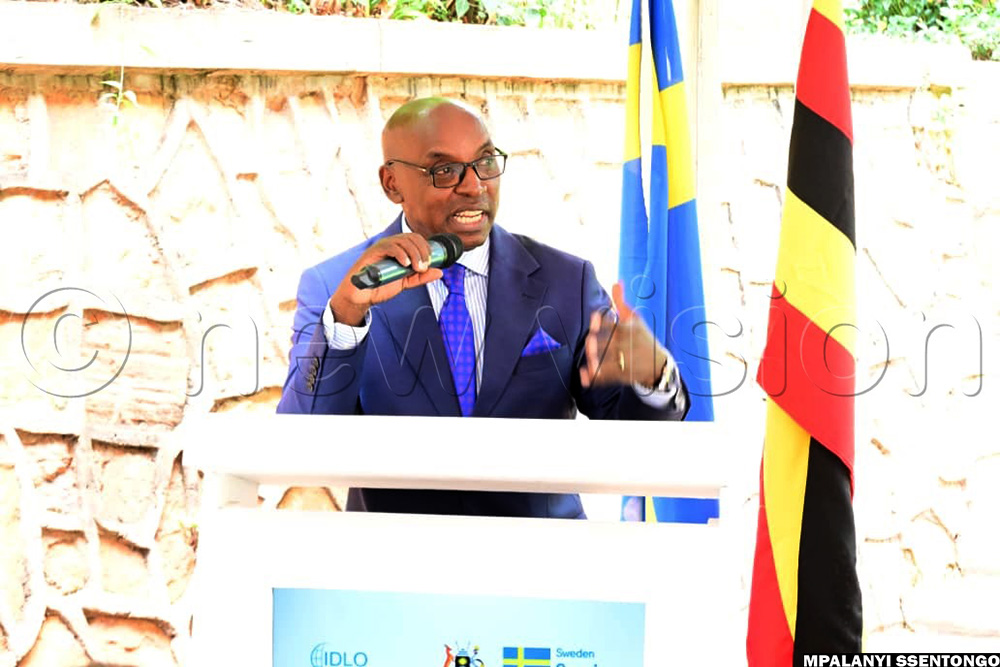
Kilei revealed that under the community justice programme phase one, juvenile session outreaches resulted in the release of 348 children out of 778, who were on remand.
Chief Justice Dr Flavian Zeija said the justice programme prioritises women, children and marginalised groups, including refugees, with a focus on addressing gender-based violence and land rights disputes.
Zeija also emphasised the need to revitalise African traditional dispute resolution mechanisms, integrating mediation and reconciliation practices into the formal justice system to promote harmony, reduce costs, and tackle case backlogs.
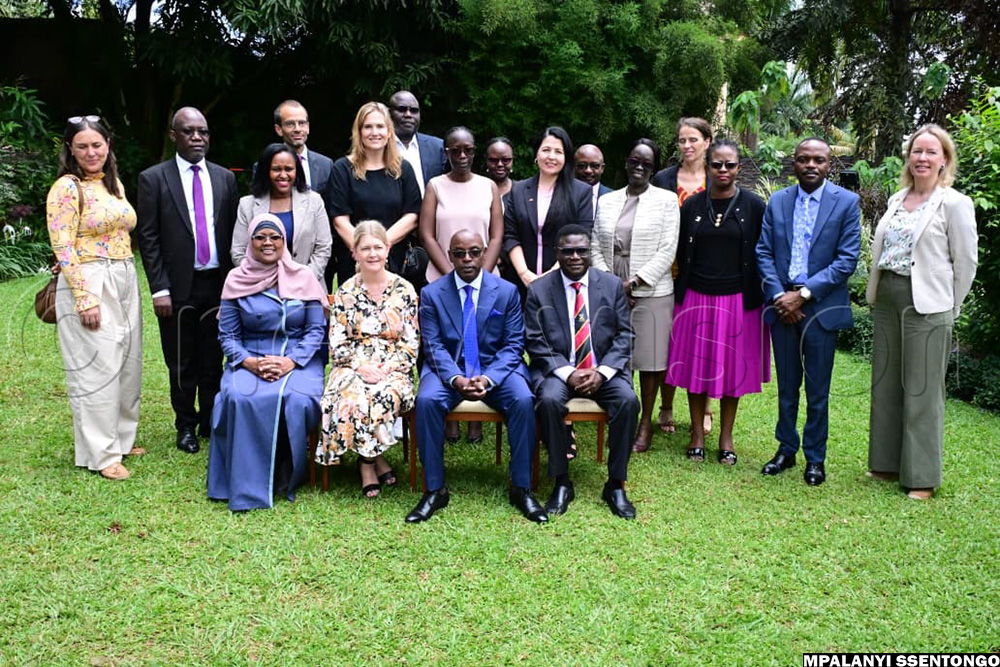
He further disclosed that the Judiciary has begun implementing its sixth Strategic Plan (2025/26–2029/30), shifting its focus from court-centred justice to people-centred justice.