
Stray elephants threatening shea nut trees in Kitgum
“We tried chasing them away, but the elephants no longer fear the methods we use. They seem to have adapted,” Omony explained.
Residents collect the nuts and pulp, consume some of it fresh, and later dry the nuts to process Shea oil and butter using traditional methods. (Photos by Christopher Nyeko)
Stray elephants threatening shea nut trees in Kitgum
By Christopher Nyeko
KITGUM
Residents of Kiteny, Orom and Namokora sub-counties in Kitgum district are living in fear after stray elephants from Kidepo Valley National Park began destroying shea nut trees, a key source of livelihood and a sacred symbol in the community.
The affected areas, located within the shea nut belt of northern Uganda, have in recent months experienced increased elephant invasions.
While locals say the elephants had previously crossed into community land without damaging the shea trees, the situation has dramatically changed this year.
Residents report that the elephants are now feeding on shea pulp and breaking tree branches, leaving communities worried about the future of the treasured trees.
“People are living in fear because the elephants charge at anyone they meet while collecting shea nuts,” Okema said.
Growing human-wildlife conflict
The growing human-wildlife conflict has also frustrated local vigilante groups tasked with protecting communities from wild animals.
Residents report that the elephants are now feeding on Shea pulp and breaking tree branches, leaving communities worried about the future of the treasured trees.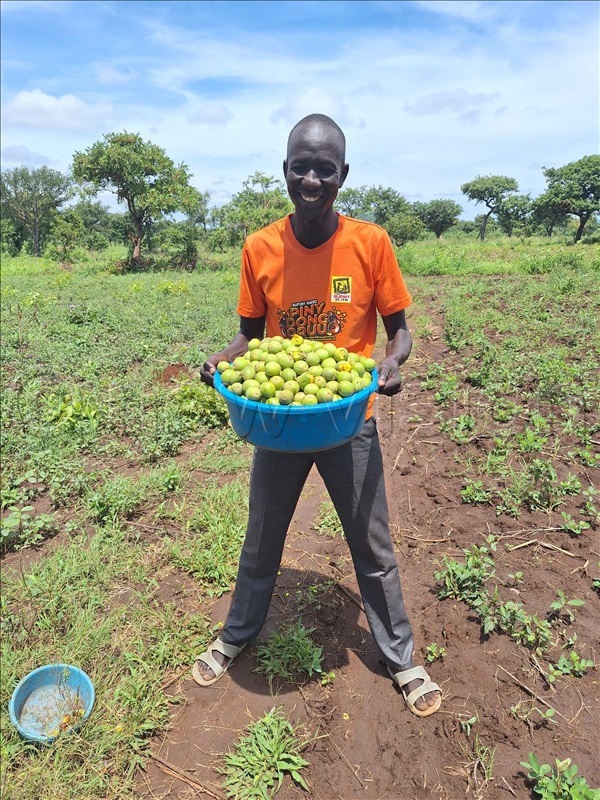
Alfred Omony, a member of the community vigilante group known as “Team No Sleep,” said he was shocked during a recent visit to the affected areas after finding elephants camping within the shea belt and breaking tree branches.
“We tried chasing them away, but the elephants no longer fear the methods we use. They seem to have adapted,” Omony explained.
Residents collect the nuts and pulp, consume some of it fresh, and later dry the nuts to process Shea oil and butter using traditional methods.
The products are then sold in local markets to support household incomes.
However, residents say the continued destruction of shea trees and crops is threatening their survival. Beyond its economic value, the tree holds deep cultural significance among the local communities.
Salvatore Akena, a 70-year-old resident of Lalekan village in Kiteny, described the destruction of the trees as painful and culturally disturbing.
“In our tradition, the shea tree is sacred. Whenever its branches are broken, we perform cleansing rituals by slaughtering a sheep,” Akena said.
He added that elders believe failure to perform the rituals could negatively affect rainfall and bring misfortune to the community.
Akena now fears that the erratic rains currently being experienced in the area could be linked to the destruction of the shea trees by the elephants.
Uganda Wildlife Authority community education officer for the Kareenga conservation area, Martin Oryem, acknowledged the unusual behaviour of the elephants, saying authorities were equally surprised.
“This is a new development because elephants were not known to feed on shea nuts before,” Oryem said.
He assured residents that studies would be conducted to establish why the elephants have changed their feeding behaviour.
Oryem added that since shea nuts contribute significantly to household livelihoods, district agricultural officials could assess the value of the damaged trees and nuts to facilitate compensation under the Uganda Wildlife Authority compensation scheme.
As communities await intervention, residents are calling on authorities to urgently address the growing human-wildlife conflict before more livelihoods and culturally treasured trees are lost.