
Muslim clerics use Eid prayers to rally communities against Ebola
Sheikh Ahmed Haruna Kasujja called on Muslims to strictly observe health guidelines, saying the country remains at risk as the Ebola outbreak continues to affect communities.
Muslims gathered for Eid al-Adha prayers at Nakivubo Blue Primary School playground in Kampala on Wednesday, May 27, 2026. (Credit: Isaac Nuwagaba)
_______________
Muslim clerics have used Eid al-Adha prayers to urge communities across Uganda to remain vigilant against the ongoing Ebola outbreak, warning against allowing the celebrations to overshadow public health guidelines issued by the Ministry of Health.
The call was made during Eid prayers held on Wednesday at Nakivubo Blue Primary School playground in Kampala, where hundreds of Muslims gathered to mark the Islamic feast in an atmosphere of unity, reflection and sacrifice.
Leading the prayers, Sheikh Ahmed Haruna Kasujja called on Muslims to strictly observe health guidelines, saying the country remains at risk as the Ebola outbreak continues to affect communities.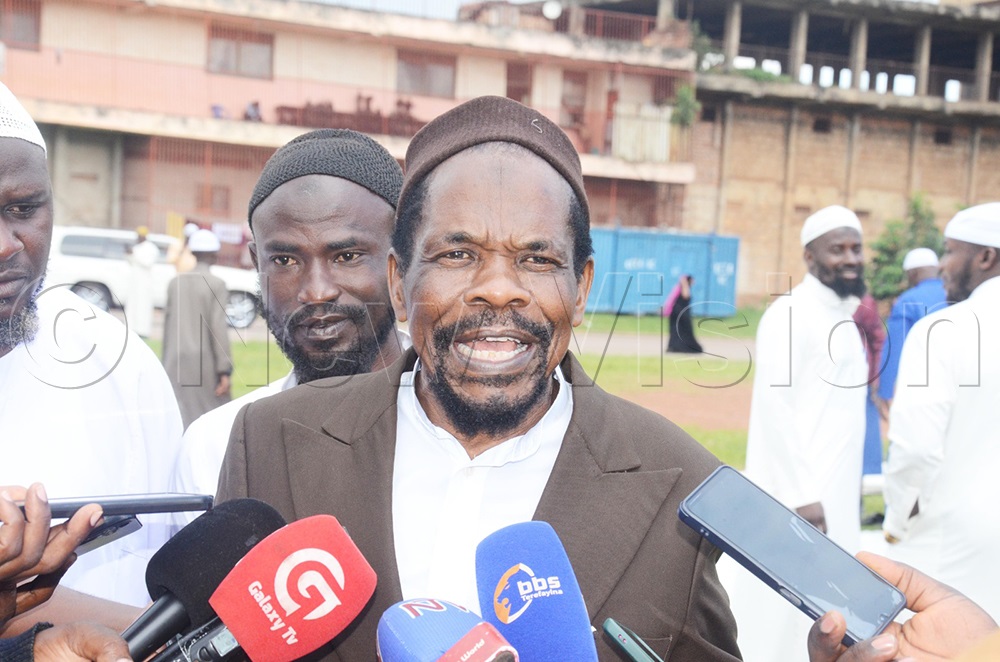
Sheikh Ahmed Haruna Kasujja. (Credit: Isaac Nuwagaba)
He urged Muslims to practise self-care, maintain hygiene and avoid behaviours that could expose families and communities to infection during the festive period.
“We are still facing the challenge of Ebola, and I urge all Muslims to take care of themselves, follow the health guidelines that were put in place and protect their families and communities,” Sheikh Kasujja said.
He reminded worshippers that Eid celebrations often involve large gatherings, animal slaughter and increased movement, which require extra caution to prevent the spread of disease.
Sheikh Kasujja also appealed to believers to pray for divine intervention, saying faith and responsibility must go hand in hand in times of public health emergencies.
“Use this period to pray to Allah so that He gets mercy for us and removes this situation from our country,” he said.
The cleric emphasised that the spiritual meaning of Eid al-Adha should not be separated from responsibility towards human life, noting that Islam encourages cleanliness, discipline and protection of others.
He linked the teachings of the Day of Arafah and Eid sacrifice to the broader idea of obedience to Allah, urging Muslims to also obey public health directives issued for the safety of society.
“These ten days carry immense rewards. We should increase acts of worship, seek Allah’s forgiveness for past and coming sins, and draw closer to Him through good deeds,” he said.
Last week, Uganda confirmed two new Ebola Virus Disease infections involving health workers in Kampala, raising the country’s total number of confirmed cases to seven as health authorities intensified surveillance and contact tracing operations.
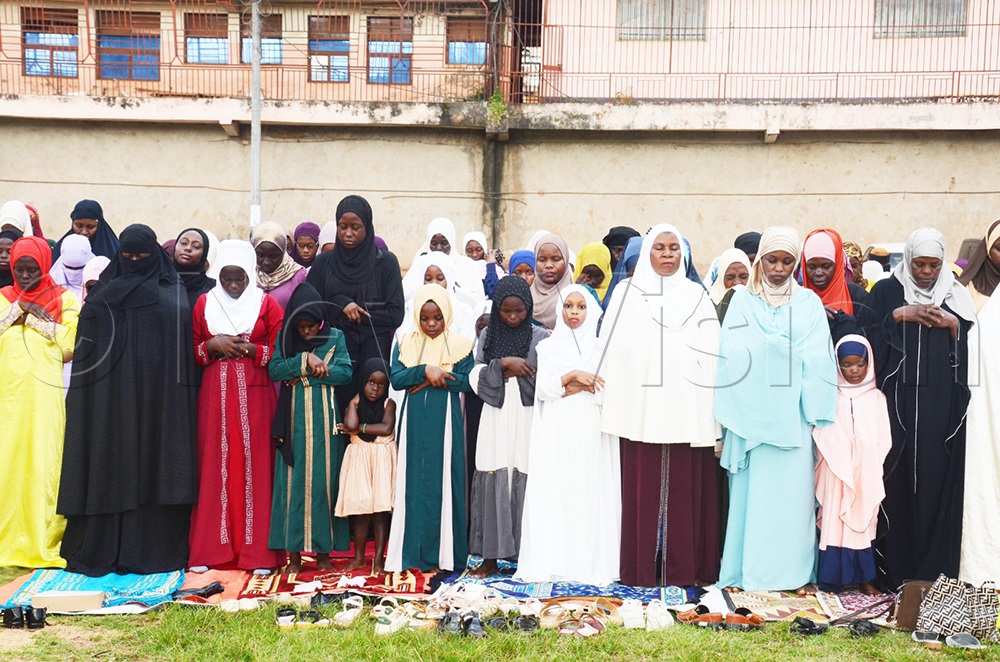
Muslims gathered for Eid al-Adha prayers at Nakivubo Blue Primary School playground in Kampala on Wednesday, May 27, 2026. (Credit: Isaac Nuwagaba)
Unity, forgiveness and responsible celebration
Beyond health concerns, Sheikh Kasujja used the occasion to call for unity, forgiveness and stronger family ties, saying social cohesion is key to overcoming both spiritual and societal challenges.
He urged worshippers to reconcile with relatives, support vulnerable people and ensure that Eid meat is shared with those who cannot afford animal sacrifices.
“We should use this opportunity to forgive those relatives, friends, family members and everyone around us that might have wronged us. Allah wants those who forgive each other,” he said.
He further encouraged Muslims to maintain discipline during the celebrations and support the needy through charity (sadaaqa), stressing that generosity is part of the spirit of Eid al-Adha.
Sheikh Kasujja also extended his message to leaders, especially the newly elected Cabinet, urging those in public office to serve citizens diligently and avoid misuse of authority, particularly at a time when communities are facing multiple challenges.
He reminded leaders that accountability and service delivery remain essential, especially during crises that affect public health and livelihoods.
He called on President Yoweri Museveni to increase Muslim representation in Cabinet and other senior government positions, arguing that the Muslim community deserves greater inclusion in national leadership.
He also asked the President to allocate more Cabinet slots to the Muslim fraternity and called upon all those appointed to serve the people rather than use public office for personal gain.
The Sheikh emphasised that leadership should focus on improving service delivery and uplifting ordinary citizens instead of personal enrichment.
“It is time for development. Elections are over, and leaders come and go. What matters now is unity and service delivery,” he told the press.