
News
Local Leaders urged to align development plans with global goals
The call was made on April 1, 2026, by Richard Tinkasiimire Baguma, secretary general of the United Nations Association of Uganda (UNAU), during an engagement meeting with councillors and local government leaders from the Kampala Metropolitan Area on SDGs.
Richard Tinkasiimire Baguma, Secretary General of the United Nations Association of Uganda (UNAU), addresses councillors and local government leaders from the Kampala Metropolitan Area during an engagement meeting on the Sustainable Development Goals (SDGs). (Photo by John Masaba)
By: John Masaba, Journalist @New Vision
__________________
Local leaders in Kampala have been urged to align their planning, budgeting, and policy decisions with national and global development frameworks to accelerate progress towards Uganda’s Sustainable Development Goals (SDGs) targets.
The call was made on April 1, 2026, by Richard Tinkasiimire Baguma, secretary general of the United Nations Association of Uganda (UNAU), during an engagement meeting with councillors and local government leaders from the Kampala Metropolitan Area on SDGs.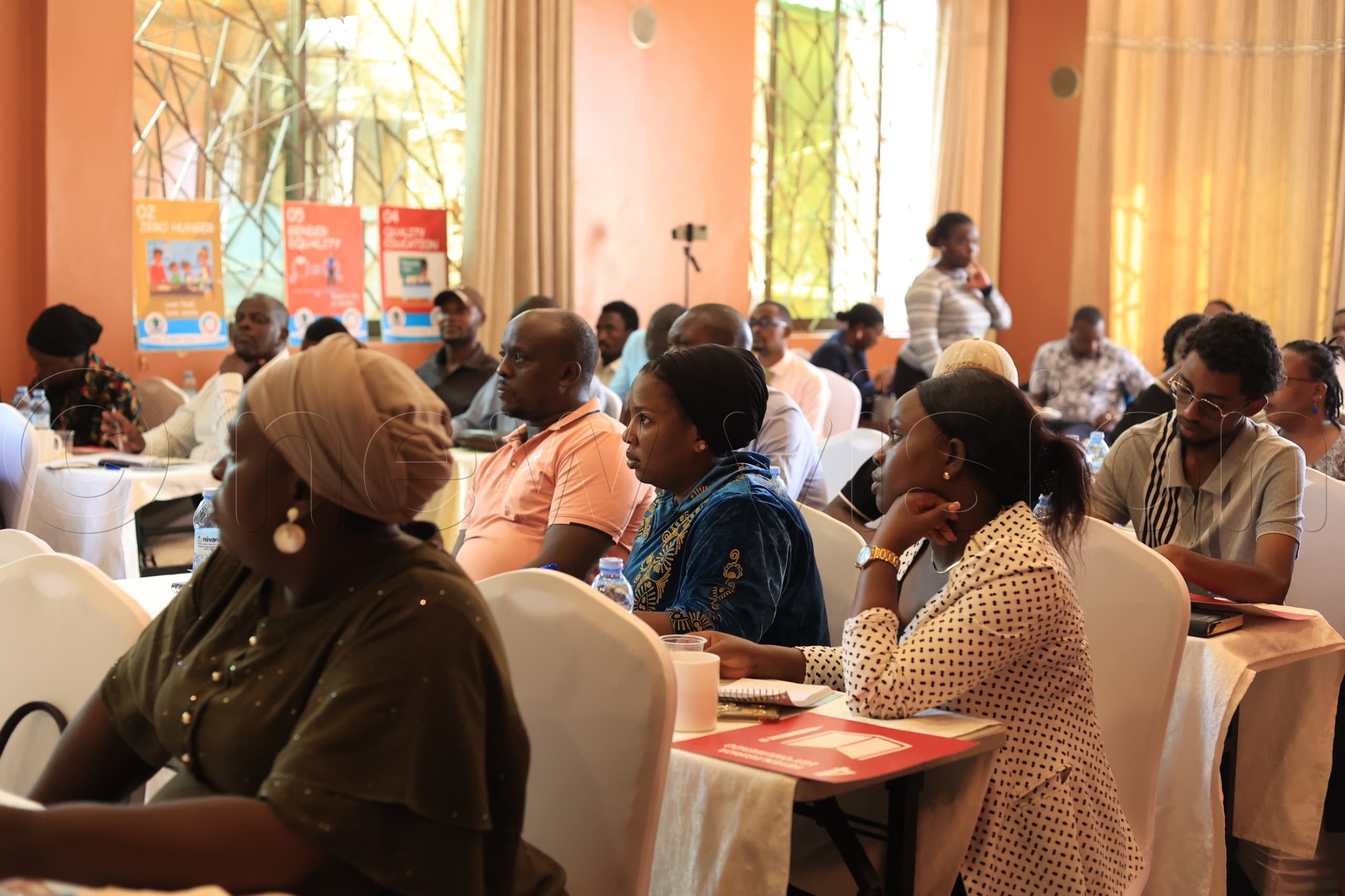
Local leaders from Kampala listen attentively during a training session.(Photo by John Masaba)
The meeting, which took place at Ministers Village Hotel in Ntinda, aimed to equip leaders with the knowledge and tools needed to fast-track service delivery and ensure their actions contribute to broader development objectives.
Baguma noted that Uganda’s National Development Plan is anchored in the global SDGs, making it critical for leaders at all levels to understand how their roles connect to both national and international priorities.
He emphasised that achieving these targets requires deliberate action from political leaders, including proper budget allocation, sound policymaking, and the enactment of by-laws and ordinances that support development.
“In order to achieve these objectives, we need political leaders to do the work—allocate budgets, formulate policies, and pass by-laws that facilitate Uganda’s progress towards these goals,” he said.
He added that such engagements are particularly important for newly elected leaders, as they provide orientation on the linkages between global development agendas, national priorities, and the needs of local communities.
According to Baguma, understanding these connections will enable leaders to make informed decisions and ensure resources are directed towards impactful programmes.
“When leaders allocate resources or make ordinances in their local governments, they must ensure that all actions contribute to achieving these objectives by the time they leave office and before the 2030 target,” he said.
The engagement is part of ongoing efforts by UNAU to strengthen local governance and promote alignment with international development commitments. Uganda, like other United Nations member states, is working to achieve the SDGs by 2030, with local governments playing a central role in implementation.
Zaituni Nagadya, a councillor from Rubaga Division, said the training had broadened her understanding of the SDGs and how to apply them in a local context.
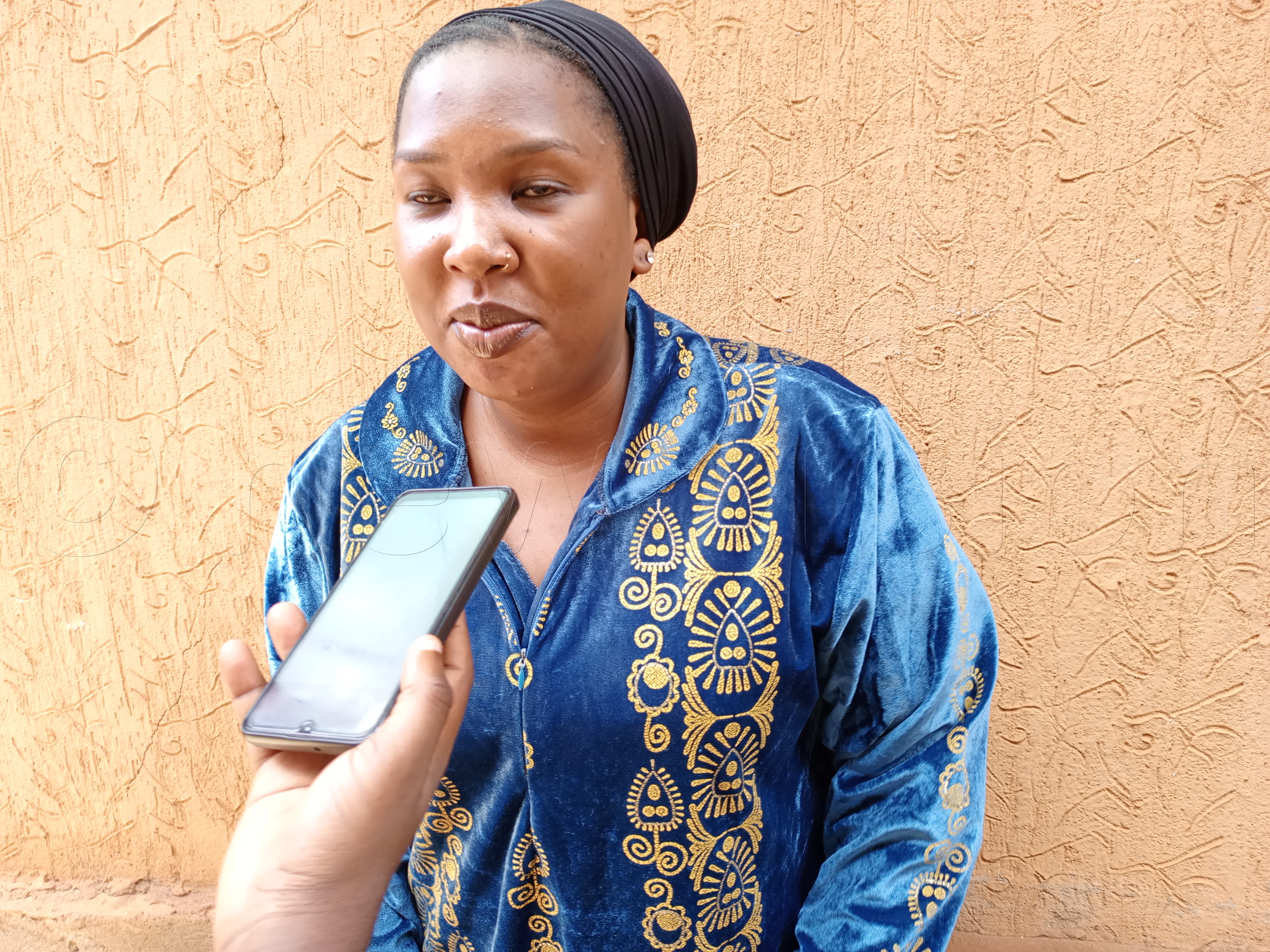
“This training has helped me understand the SDGs and how to apply them in our local setting. I now know what to do for my people to ensure that I contribute to achieving these goals,” she said.
She noted that access to clean water is one of her priorities.
“As a local leader, I have to coordinate with organisations and government agencies to ensure that people in Rubaga have access to clean water,” she added.
Nagadya also highlighted the importance of education, poverty eradication, and gender equality as key areas she intends to focus on.
“I have learned that we must fight poverty and promote equality. In many communities, women are treated differently. As a leader, I must ensure that women are given equal opportunities,” she said.
Localising the SDGs
Ashiraf Kakaire, one of the facilitators at the event, said the training is premised on the growing need for countries to localise the SDGs to enhance implementation at the grasroots level.
He explained that while countries produce voluntary national reviews, there is now increasing emphasis on voluntary local reviews, which focus on progress at the community level.
“We have seen that regardless of where you come from, we share similar challenges as global citizens. That is why the United Nations provides a common framework. Even in developed countries, many people face challenges similar to those in developing nations,” he said.
The SDGs succeeded the Millennium Development Goals (MDGs), which came into effect in 2000. Unlike the MDGs, the SDGs are universal, applying to both developed and developing countries. They recognise that ending poverty must go hand in hand with strategies that promote economic growth, address social needs, and tackle climate change and environmental protection.
Adopted by all United Nations member states in 2015 as part of the 2030 Agenda for Sustainable Development, the SDGs comprise 17 interlinked goals designed as a shared blueprint for peace and prosperity for people and the planet.