
News
'Knives, pliers and phones': Court hears testimonies in Ggaba murder trial
The trial of Christopher Okello Onyum for the murder of four toddlers is continuing today in Ggaba, following days of testimonies from prosecution witnesses.
'Knives, pliers and phones': Court hears testimonies in Ggaba murder trial
By: Joseph Kizza, Journalist @New Vision
___________________________
GGABA MURDER TRIAL
By Joseph Kizza
Detective Assistant Superintendent of Police James Eserait had to act fast. Within minutes, he and a team of detectives, scene of crime officers (SOCOs) and other uniformed officers from Kabalagala Police Station were already on their way to Ggaba to respond to a crime scene.
A man had just attacked young children at a day care, the 40-year-old police officer had been told moments before — the information reaching his desk at around 11:30am on April 2 this year.
So as the CID officer for Kabalagala Police Division, Eserait (pictured below) had to swiftly mobilise a team of officers to respond to the scene: Early Childhood Development Programme Centre, Ggaba.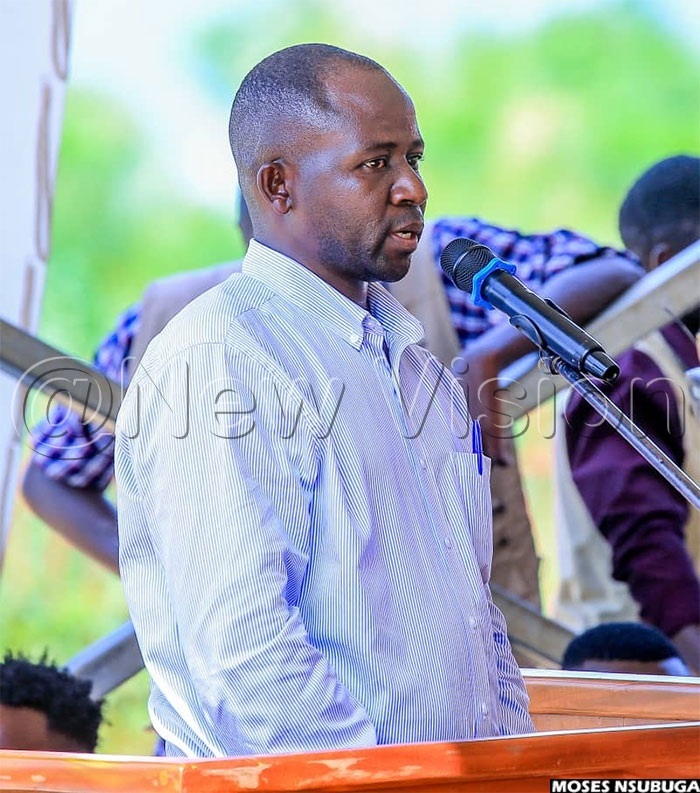
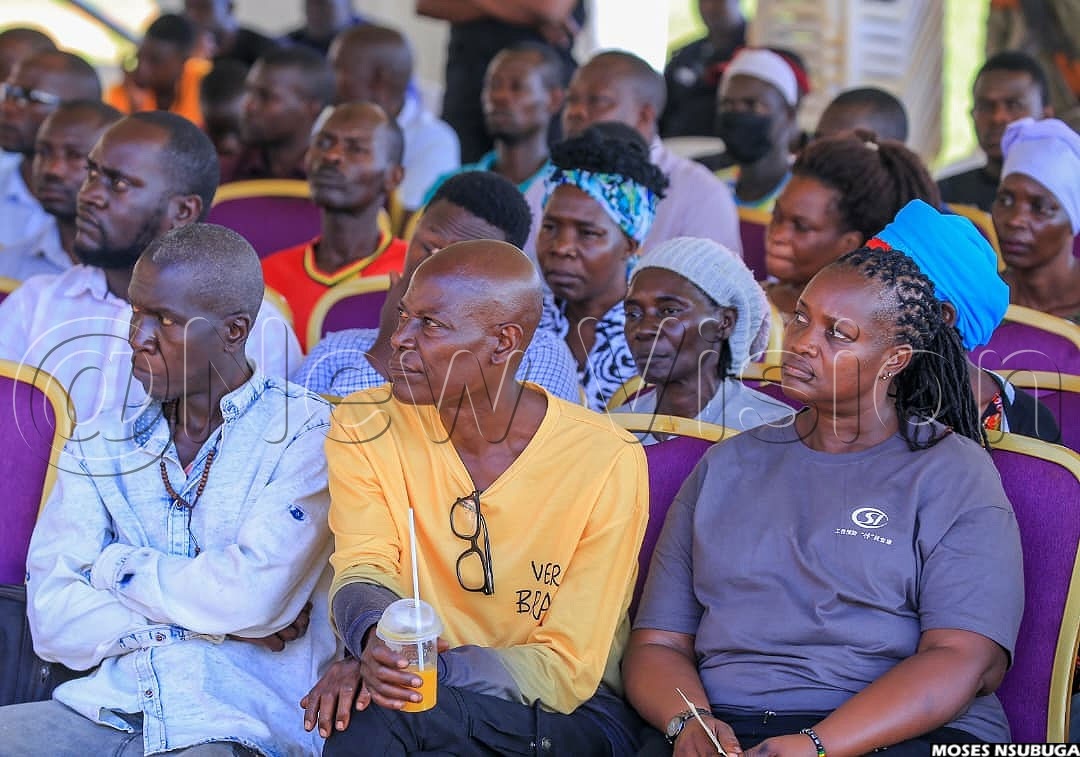
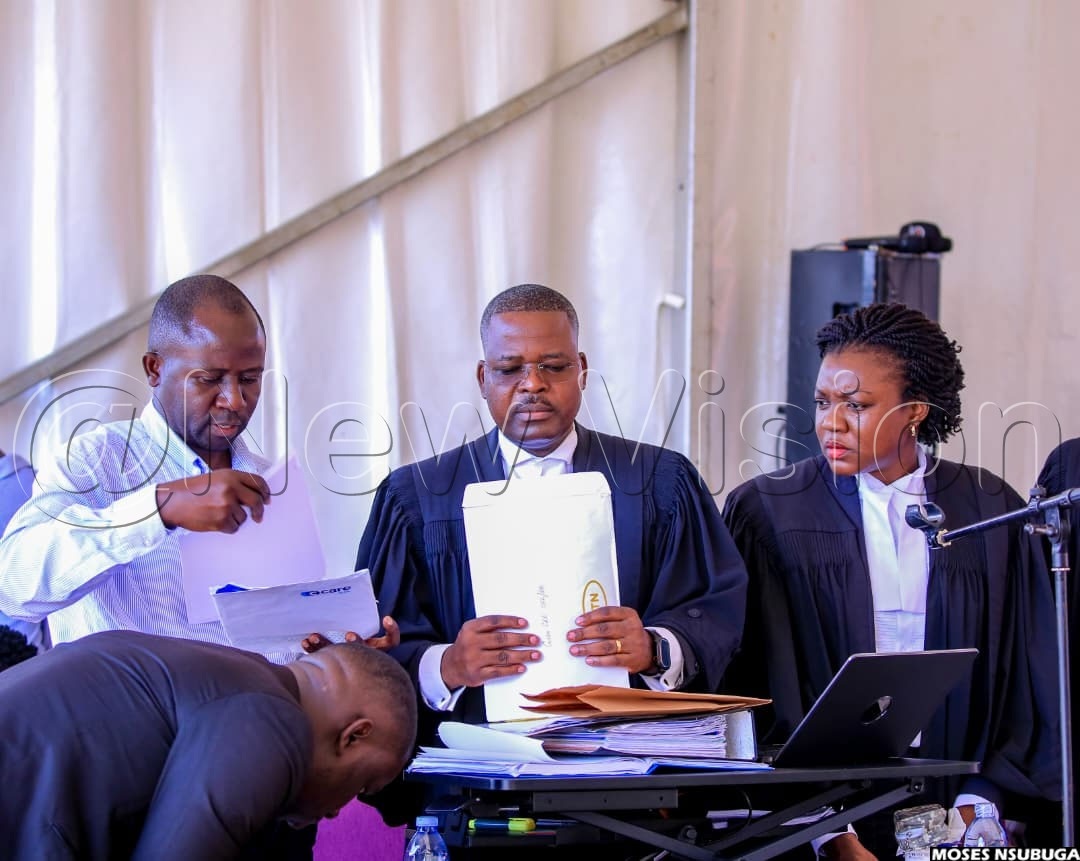
"On arrival at the scene, we found a huge crowd of community members who had responded. They were highly charged," he told court on Monday (April 20) on day five of the trial of Christopher Okello Onyum for the murder of four toddlers at the day care.
A quick brief from the officer in charge of Ggaba Police Station made things clearer for Eserait.
"He told me that a certain person had attacked the day care and killed children. Three victims had been rushed to Wentz Medical Centre and one body was still at the scene. And that the suspect had been arrested and kept in the security room within the school," he testified as a prosecution witness.
After cordoning off the scene, the SOCOs got down to work: examining and documenting the scene.
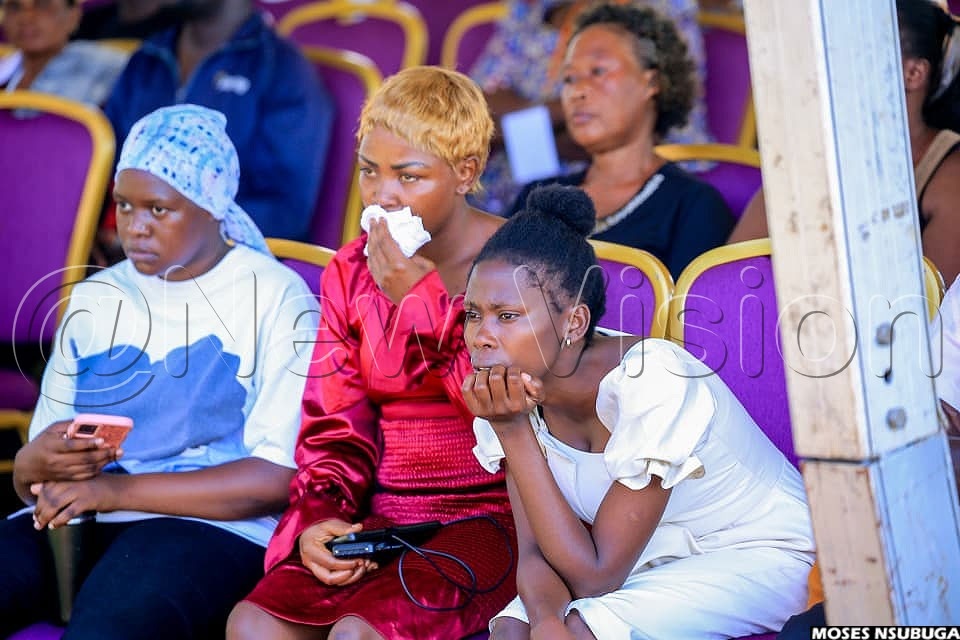
As he scanned the scene, Eserait saw playing items scattered all over the compound.
He also saw a dead body of a male juvenile lying covered on a verandah as well as blood spread across different points at the scene. A knife believed to have been used by the attacker had been tossed over the chain link fence.
Eserait had seen the bruised suspect picked from the guard's room, bundled onto a police pickup and then driven off to Kabalagala Police Station.
Meanwhile, after the SOCOs had documented the scene, the body, identified as that of Ryan Odeke, was placed in a police vehicle and the team of officers moved to the secondary scene: Wentz Medical Centre.
The forensics team marked, photographed and picked blood samples from the three bodies of children they were shown at the health facility: Gideon Eteku, Keisha Agenrwoth and Ignatius Sseruyange.
Then on Eserait's instruction, all the four bodies (including Odeke's) were delivered to the KCCA City Mortuary at Mulago for autopsy.
Back at Kabalagala Police Station, Eserait, in the company of other detectives, sent for the suspect who was in custody.
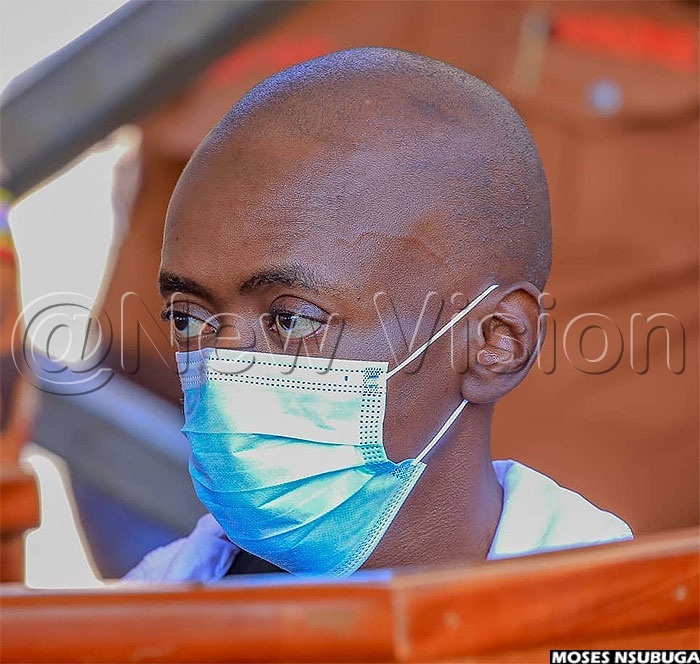
'Looking for riches'
Upon interrogation, the suspect identified himself as Christopher Okello Onyum, a resident of Kyanja in Nakawa division and a commercial farmer establishing a farm in Nwoya district in Uganda's north.
"I asked the suspect why he was at Police," Eserait told the mobile High Court presided over by Justice Alice Komuhangi Khaukha.
"He responded that it was because he had been arrested for killing four children at a day care at Ggaba."
And what was the motive for the killing? he had probed further.
"He [Okello] responded that he killed the children because he was looking for riches. During my interaction with the suspect, now the accused, he told me that he had taken some time planning for the act," the detective testified.
Among the activities included doing surveillance at the day care for some time.
"Another activity, as per his [suspect's] narration, was the preparation of the murder weapons. Prior to the incident, he bought knives, some of which he used in the execution of the mission."
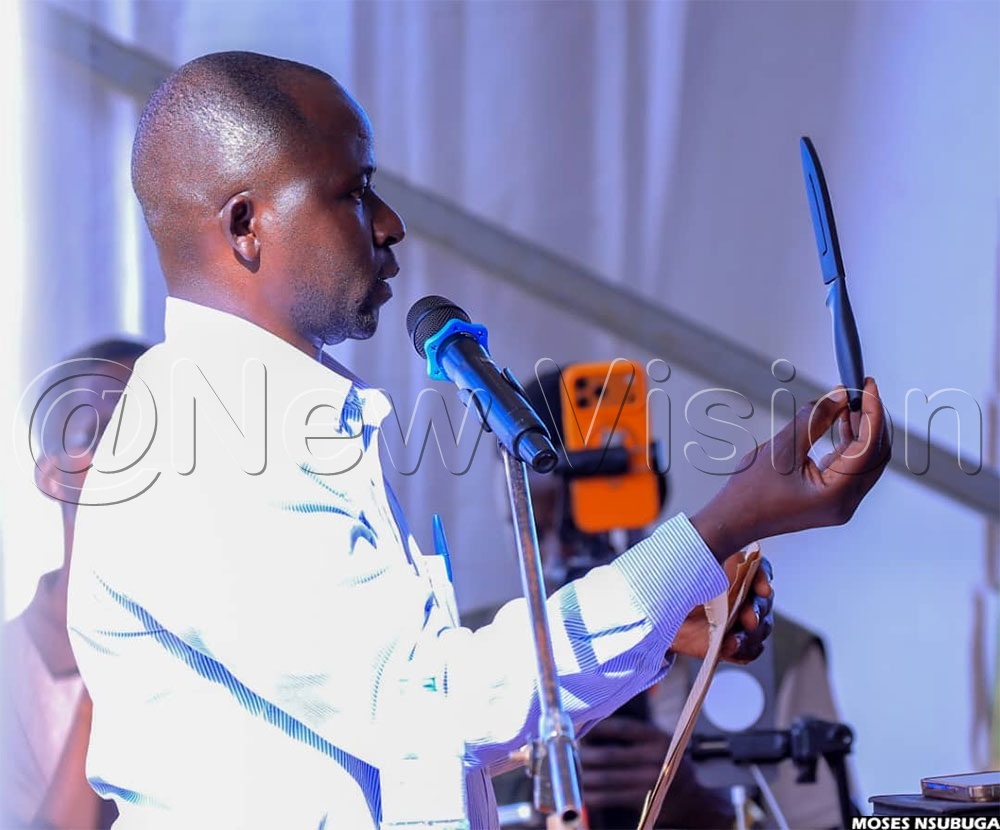
So what did the suspect find at the school during his surveillance in the leadup to the fateful day?
"He told me he had found that the day care never had any security guards at the gate. The second one was that whenever he went there, he would find only females managing the school. The third [observation] was that every time he would go there, he would find children in the compound playing," said Eserait.
"Also in my interaction with the suspect, in his final interaction, he said he was sorry for what he did, and that he knew what he did had consequences: he could be jailed or be killed."
The detective also told court the suspect, during interrogation at the station, said he had dialled the police emergency line 112 when he saw the marauding crowd on the day of the incident.
"That evening, after interacting with the accused, I handed him to an officer (Francis Atube), who took his plain statement."
The following day, on April 13, Eserait again led a team of detectives and SOCOs to the residence of the suspect, who directed them there himself: Namugera Close, Katumba Zone in Kyanja.
In the presence of the premises' caretaker (Joel Makayi), area local council chairperson and defence, the police officers gained entry and conducted a search of the suspect's home.
They recovered various items, namely:
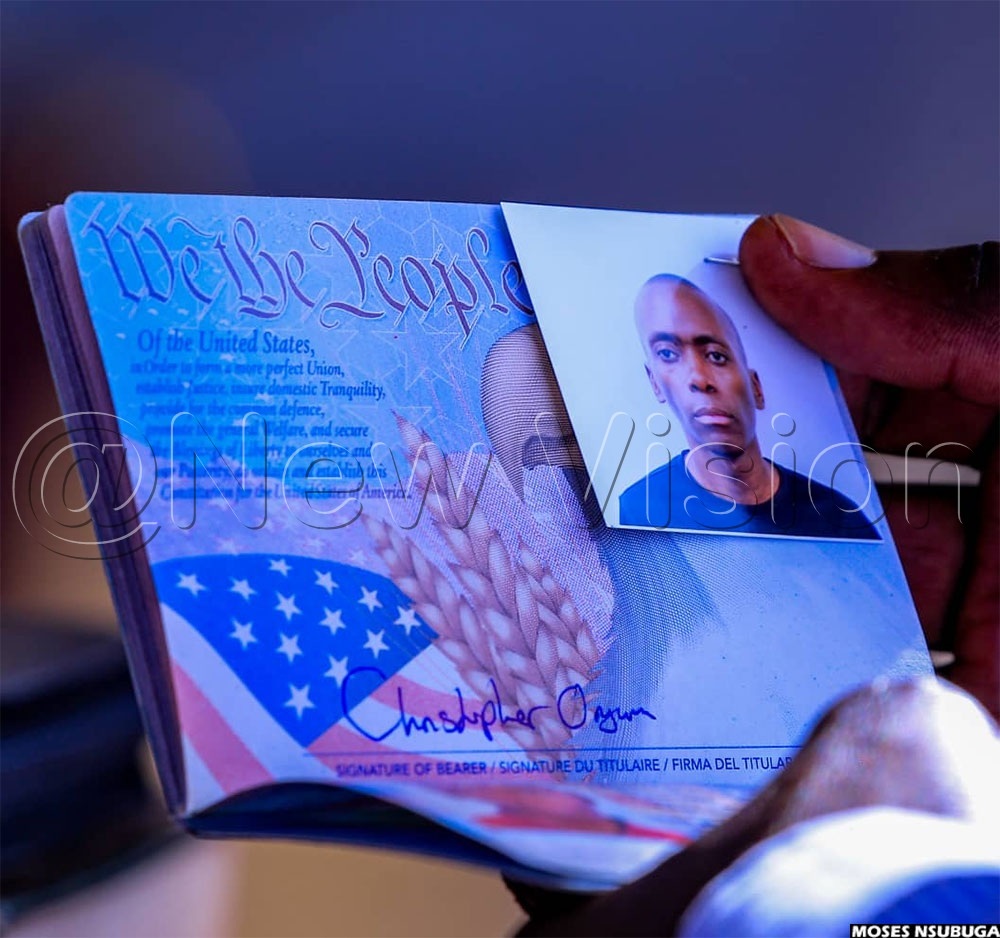
▪️two American passports in the name of Christopher Okello Onyum
▪️a drivers' license issued by the US state of Virginia
▪️a medical sanity report addressed to the chief of citizenship and immigration control (internal affairs ministry) dated December 30, 2025 and authored and signed by Dr Rogers Agenda of C-Care IHK
▪️two DELL laptops
▪️two smartphones
▪️six knives
▪️ three flash disks
▪️a letter of good conduct issued by Interpol Uganda
▪️a yellow spring box file with several documents
After recovering the items, Eserait and co prepared a search certificate, which was signed by all who witnessed the search, including the suspect.
In court, the presiding judge admitted the search certificate and all the recovered items as prosecution evidence.
Meanwhile, Eserait's account corroborated that of his colleague, Detective Assistant Inspector Police Jim Mutaka, who had testified before him on Monday.
Attached to Kabalagala Police Station as a scene of crime officer for nine months now, the 32-year-old authored the Crime Scene Examination Report for this particular case.
This was after he had visited and processed the scene of crime in Ggaba. After writing the report dated April 10, 2026, he handed all the recovered exhibits to the investigating officer.
On April 2, at around 11:30am, Mutaka (pictured below) was instructed by Detective ASP Eserait to respond — together with the homicide team — to a suspected murder scene at Early Childhood Development Programme Centre.
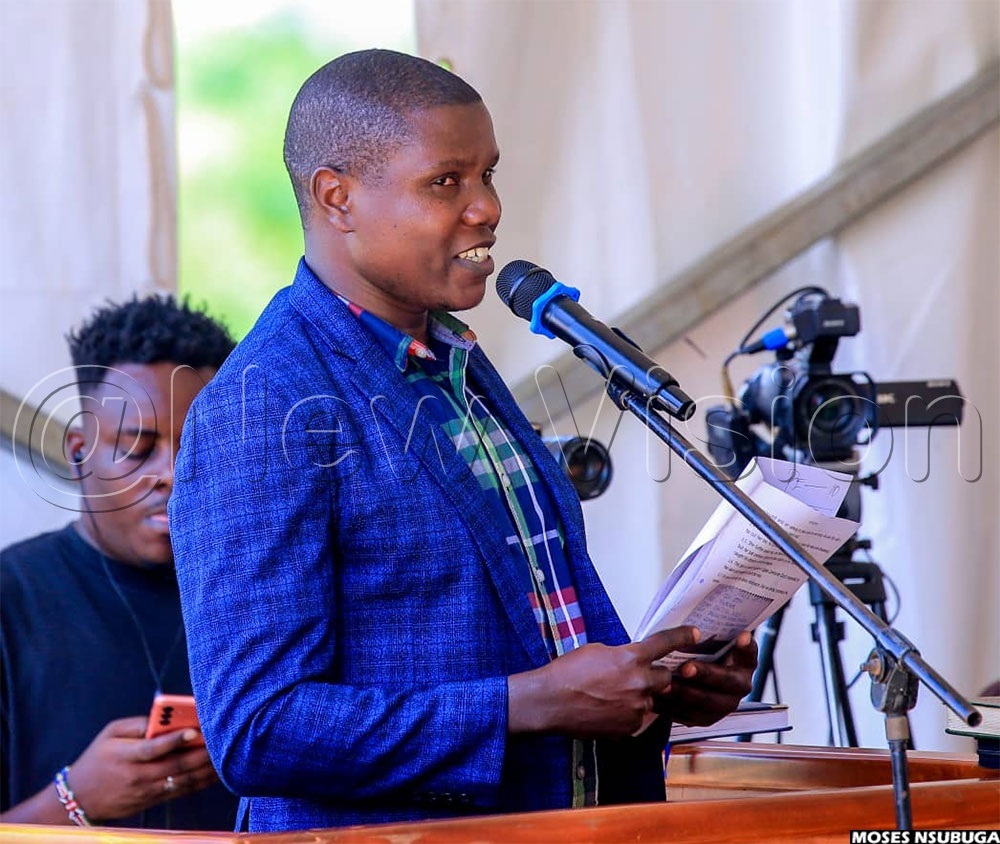
Armed with the necessary scene of crime component kit, Mutaka and fellow SOCO Esther Adelle made their observations upon arrival at the day care, where an agitated crowd had already gathered.
He testified that besides the scattered toys at the scene, he observed suspected blood stains on different parts of the compound and a covered body on the verandah of one of the resting rooms.
He took blood samples and swabs from the body, recovered the clothes of the deceased from the body and marked them for onward submission for analysis.
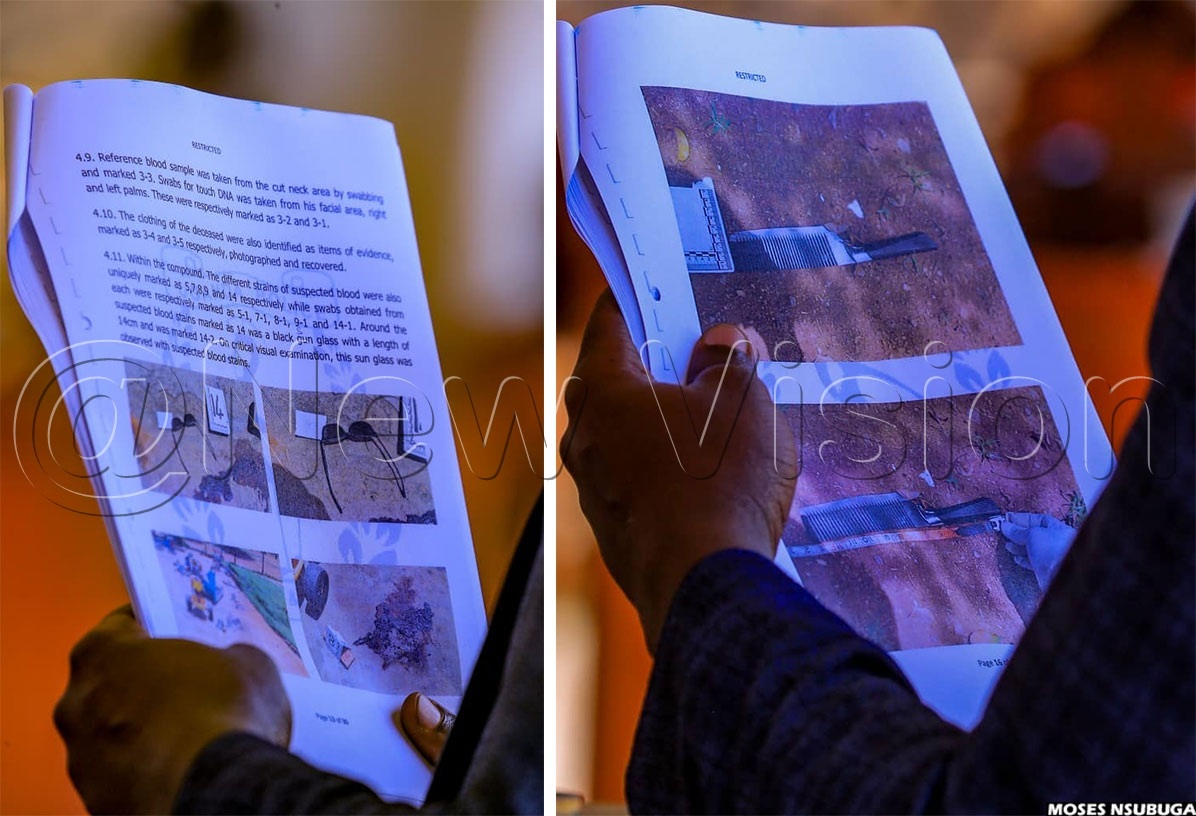
Within the compound, the SOCOs uniquely marked the different stains of suspected blood and respectively swabbed and marked the different spots.
Mutaka also found black sunglasses, observed with suspected blood spots, at the scene. A black kitchen knife with a black and silver handle was found dumped outside the chain link fence.
So how did he find the knife? chief state attorney Jonathan Muwaganya asked.
"I was briefed by the caretaker, a one Phoebe Namutebi, that upon arrest of the suspect, he threw the knife over the chain link fence. I walked through, and using my visual ability, I saw the knife. I marked and photographed it," Mutaka told court.
"The knife was thrown 21 feet from the western wall of the building. It was 1.1 feet long, 4.5 centimetres wide."
The SOCOs also recovered two black knives and a black bag that had been recovered from the suspect during his arrest by the first responders.
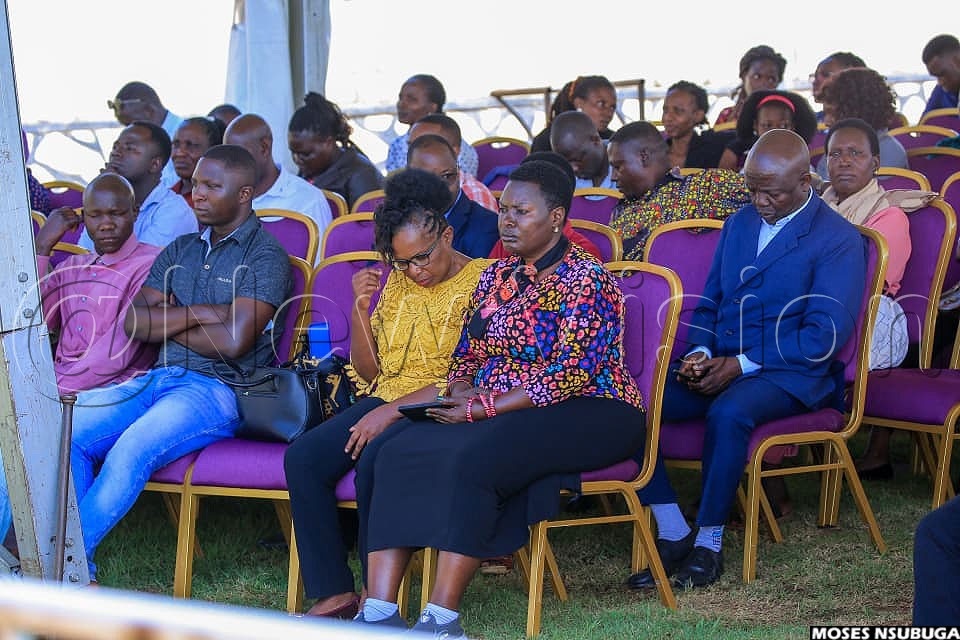
Medicine and phones
The items found in the bag included pliers, a padlock with three keys, strips of Delon tablets and Panadol, 15 surgical blades which were still intact, a red used Araldite tube, black shoe brush, a black smartphone with an MTN SIM card, and a payment receipt of Ggaba Community Church bearing receipt number 2958 and dated April 2, 2026.
Mutaka also found hand gloves, another black mobile phone with an Airtel SIM card and an empty plastic packet branded 'Stainless steel blade' with a price tag of 11,000 in the bag.
"All the items recovered were accordingly packaged, sealed and arranged for onward submission for analysis," he testified.
Other exhibits recovered from the primary scene were a stained white and red apron, a blood-stained yellow long-sleeved blouse and stained white round skirt. These were recovered from the caretaker, Namutebi.
In her testimony last week, Namutebi told court that in the frantic moments following the attack, she had carried two of the bloodied victims in a desperate attempt to have them rushed to a health facility for emergency attention.
Meanwhile, the forensics team also recovered a receipt book from the office of the coordinator.
"I and other SOCOs proceeded to Wentz Medical Centre Ggaba, a secondary scene, where three victims were conveyed but later pronounced dead. Upon arrival, we were received by Dr Timothy Lwanga and ushered into the emergency room of the facility," said Mutaka.
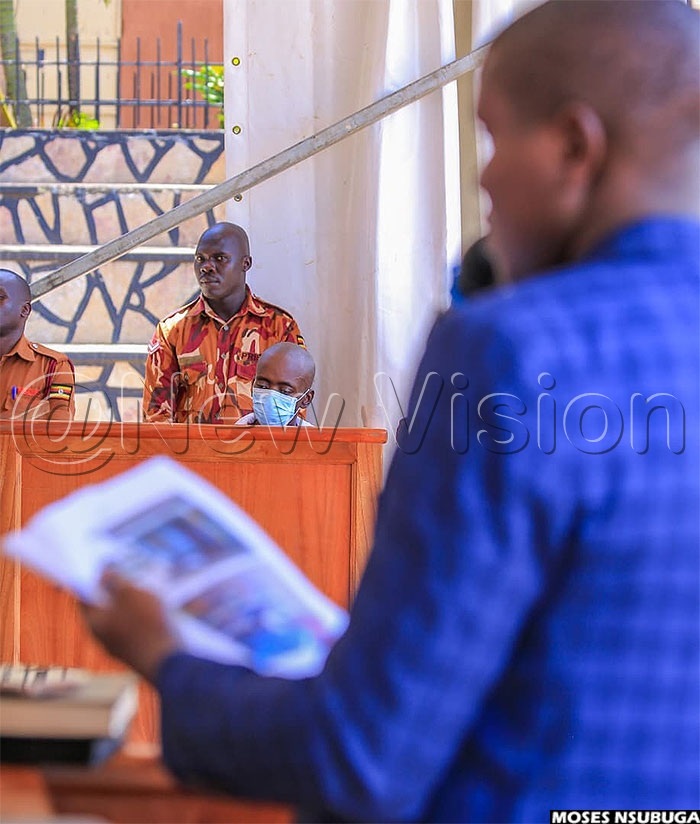
After ascertaining the identities of the deceased with the help of caretaker Namutebi, they collected blood samples and swabs from all the three bodies, before marking them. Their clothes were recovered and marked respectively.
After examination of the bodies, they were handed over to Police and conveyed to KCCA City Mortuary.
"All exhibits were submitted by Inspector Twaha Ssemanda, the investigating officer. After processing the scene, I handed over the scene to the area OC for guard. Then I went back to the station to work on the report," Mutaka testified.
The prosecution tendered the Crime Scene Examination Report in court as evidence, which judge Khaukha inspected and eventually admitted.
During cross-examination, the defense team asked the witness whether he had swabbed to lift any finger prints from the knife found at the scene.
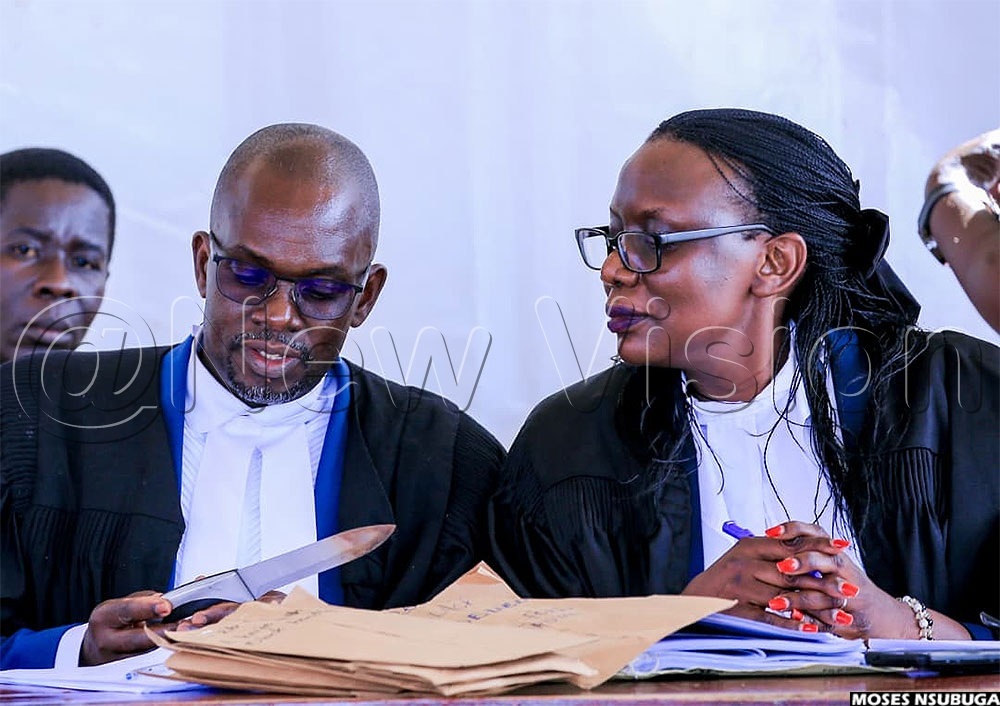
"My Lord, on the recovered knife at the scene, we didn't lift any finger print," responded Mutaka.
Why didn't you lift any finger prints? came lead prosecutor Muwaganya's re-examination.
▪️two smartphones
▪️six knives
▪️ three flash disks
▪️a letter of good conduct issued by Interpol Uganda
▪️a yellow spring box file with several documents
After recovering the items, Eserait and co prepared a search certificate, which was signed by all who witnessed the search, including the suspect.
In court, the presiding judge admitted the search certificate and all the recovered items as prosecution evidence.
Meanwhile, Eserait's account corroborated that of his colleague, Detective Assistant Inspector Police Jim Mutaka, who had testified before him on Monday.
Attached to Kabalagala Police Station as a scene of crime officer for nine months now, the 32-year-old authored the Crime Scene Examination Report for this particular case.
This was after he had visited and processed the scene of crime in Ggaba. After writing the report dated April 10, 2026, he handed all the recovered exhibits to the investigating officer.
On April 2, at around 11:30am, Mutaka (pictured below) was instructed by Detective ASP Eserait to respond — together with the homicide team — to a suspected murder scene at Early Childhood Development Programme Centre.
Armed with the necessary scene of crime component kit, Mutaka and fellow SOCO Esther Adelle made their observations upon arrival at the day care, where an agitated crowd had already gathered.
He testified that besides the scattered toys at the scene, he observed suspected blood stains on different parts of the compound and a covered body on the verandah of one of the resting rooms.
He took blood samples and swabs from the body, recovered the clothes of the deceased from the body and marked them for onward submission for analysis.
Within the compound, the SOCOs uniquely marked the different stains of suspected blood and respectively swabbed and marked the different spots.
Mutaka also found black sunglasses, observed with suspected blood spots, at the scene. A black kitchen knife with a black and silver handle was found dumped outside the chain link fence.
So how did he find the knife? chief state attorney Jonathan Muwaganya asked.
"I was briefed by the caretaker, a one Phoebe Namutebi, that upon arrest of the suspect, he threw the knife over the chain link fence. I walked through, and using my visual ability, I saw the knife. I marked and photographed it," Mutaka told court.
"The knife was thrown 21 feet from the western wall of the building. It was 1.1 feet long, 4.5 centimetres wide."
The SOCOs also recovered two black knives and a black bag that had been recovered from the suspect during his arrest by the first responders.
Medicine and phones
The items found in the bag included pliers, a padlock with three keys, strips of Delon tablets and Panadol, 15 surgical blades which were still intact, a red used Araldite tube, black shoe brush, a black smartphone with an MTN SIM card, and a payment receipt of Ggaba Community Church bearing receipt number 2958 and dated April 2, 2026.
Mutaka also found hand gloves, another black mobile phone with an Airtel SIM card and an empty plastic packet branded 'Stainless steel blade' with a price tag of 11,000 in the bag.
"All the items recovered were accordingly packaged, sealed and arranged for onward submission for analysis," he testified.
Other exhibits recovered from the primary scene were a stained white and red apron, a blood-stained yellow long-sleeved blouse and stained white round skirt. These were recovered from the caretaker, Namutebi.
In her testimony last week, Namutebi told court that in the frantic moments following the attack, she had carried two of the bloodied victims in a desperate attempt to have them rushed to a health facility for emergency attention.
Meanwhile, the forensics team also recovered a receipt book from the office of the coordinator.
"I and other SOCOs proceeded to Wentz Medical Centre Ggaba, a secondary scene, where three victims were conveyed but later pronounced dead. Upon arrival, we were received by Dr Timothy Lwanga and ushered into the emergency room of the facility," said Mutaka.
After ascertaining the identities of the deceased with the help of caretaker Namutebi, they collected blood samples and swabs from all the three bodies, before marking them. Their clothes were recovered and marked respectively.
After examination of the bodies, they were handed over to Police and conveyed to KCCA City Mortuary.
"All exhibits were submitted by Inspector Twaha Ssemanda, the investigating officer. After processing the scene, I handed over the scene to the area OC for guard. Then I went back to the station to work on the report," Mutaka testified.
The prosecution tendered the Crime Scene Examination Report in court as evidence, which judge Khaukha inspected and eventually admitted.
During cross-examination, the defense team asked the witness whether he had swabbed to lift any finger prints from the knife found at the scene.
"My Lord, on the recovered knife at the scene, we didn't lift any finger print," responded Mutaka.
Why didn't you lift any finger prints? came lead prosecutor Muwaganya's re-examination.
"My Lord, I did not lift finger prints from the knife because the knife had a rough surface at the blade and at the handle. And by principle, we don't lift finger prints from rough surfaces."
Tech aids investigations
Monday's session had kicked off with a testimony from Assistant Inspector of Police Emmanuel Odongo (pictured below).
The 31-year-old is a CCTV analyst attached to the Directorate of ICT of the Uganda Police Force under the Department of CCTV at the National Command and Control Centre in Naguru, Kampala.
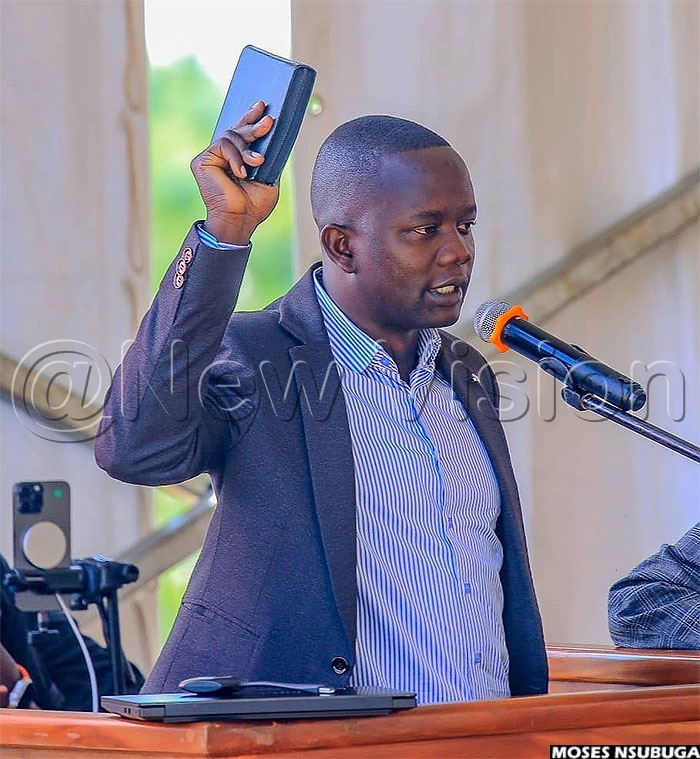
For this particular case, Odongo offered support as a technical person to the investigative team, after which he authored a CCTV Analysis Report after analyzing the different CCTV footage.
He told court that the report was reviewed by his immediate supervisor, SP Joseph Namanya, verified by his departmental supervisor, SSP Moses Ekodot, and endorsed by the director of ICT, CP Ezra Mujabwami.
The report comprises still images extracted from the CCTV footage, and a request letter and consent letters (from Renewal SACCO, Wentz Medical Centre and Shell Jinja Road) attached. Odongo also had a flash disk carrying the CCTV footage.
Both the CCTV Analysis Report and flash disk were admitted as prosecution evidence in court.
At the end of his testimony, Odongo was invited to play summarized footage from the CCTV recordings of the movement of the car that the suspect was driving on the eve of the incident of crime, as well as his movement on a boda boda to the crime scene on the fateful day.
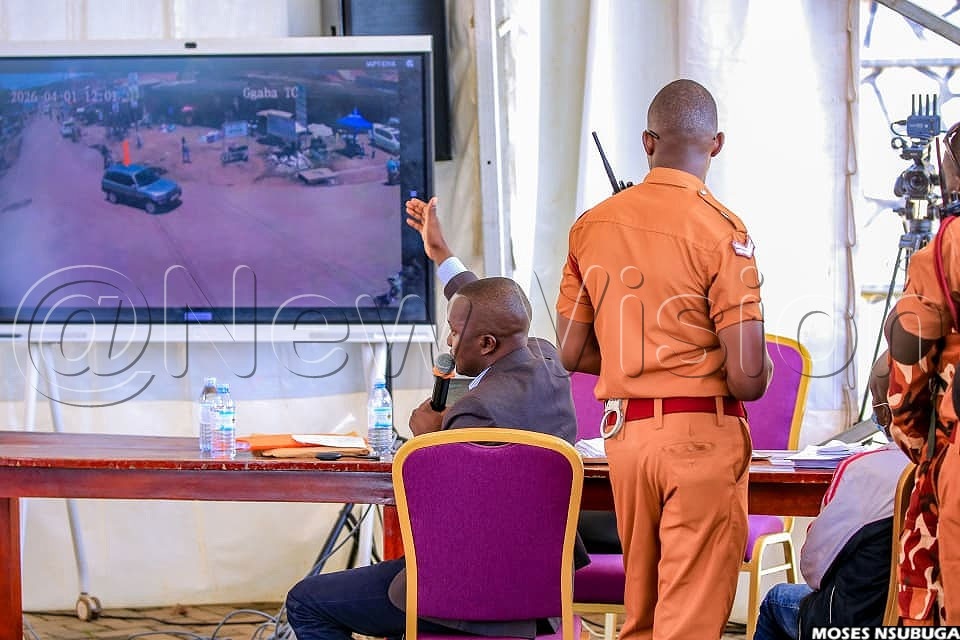
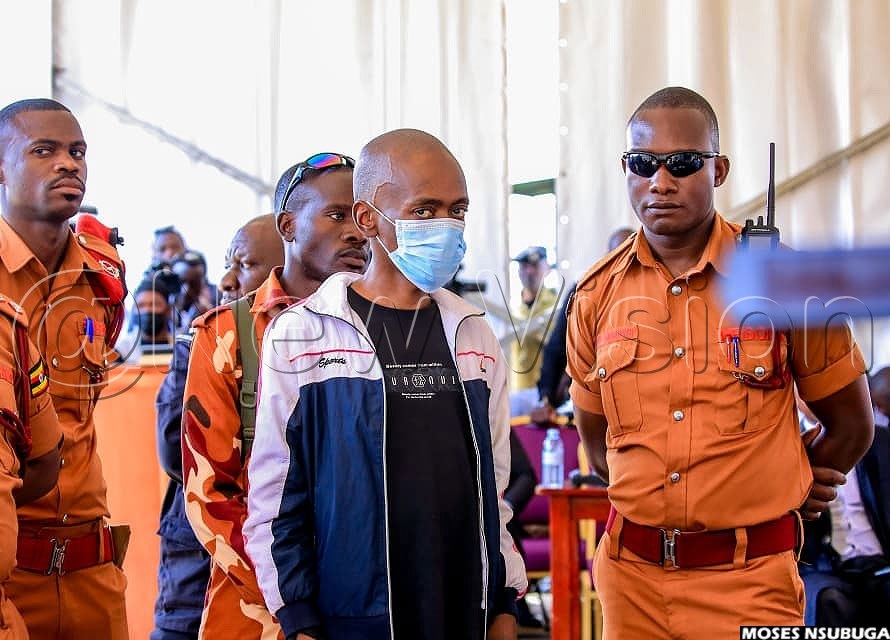
Upon receipt of the request letter for CCTV analysis, Odongo said he visited the scene in the company of the investigating officers from Kabalagala Police Station to identify the presence of any private CCTV cameras around the scene of incident.
He also conducted a mapping exercise to determine the availability of CCTV cameras around the routes used by the suspect to access the scene.
He accessed the Police Intelligent Video Surveillance System to assess the availability and coverage of Police CCTV cameras within and around the scene and to track the suspect's movements.
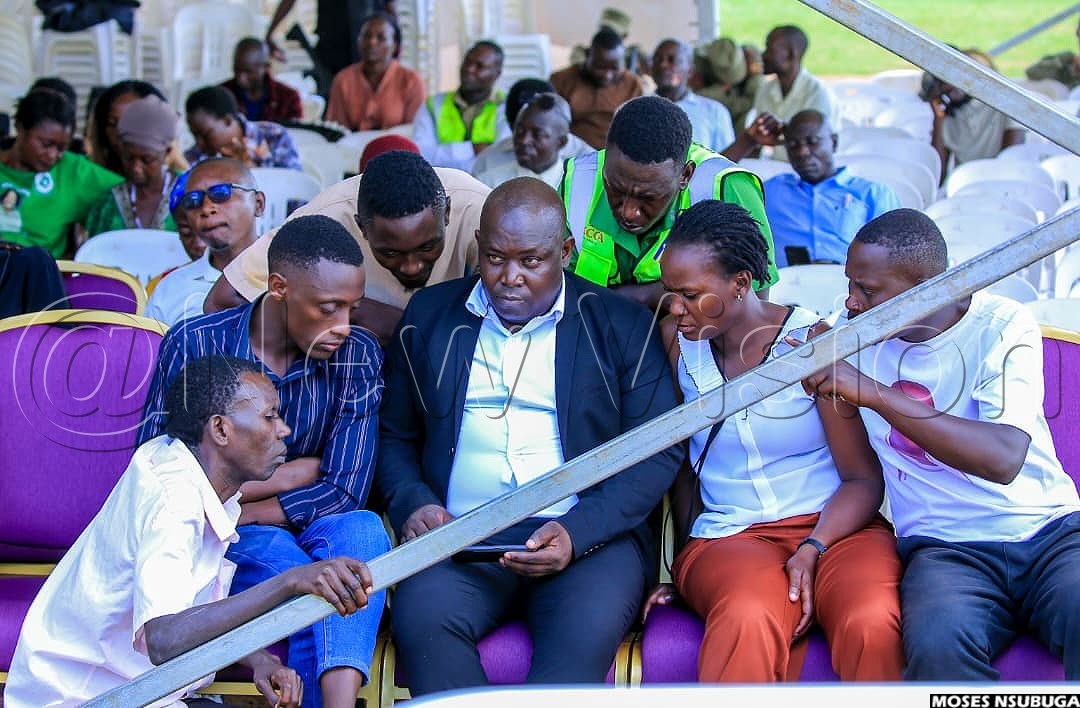
Odongo retrieved and later analysed footage from the private cameras at Renewal SACCO (located right behind the scene of incident) after getting consent from Renewal SACCO.
"Upon analysis, I found out that the suspect drove a motor vehicle RAV4 on the day prior to the incident day and I was able to identify the features of the vehicle, that is, the spare tyre behind and the colour of the vehicle. However, the registration number could not be established from the SACCO camera as the resolution effect was too low," he told court.
So he went ahead and analysed police CCTV cameras to enable him establish the registration number of that vehicle so as to track its movements.
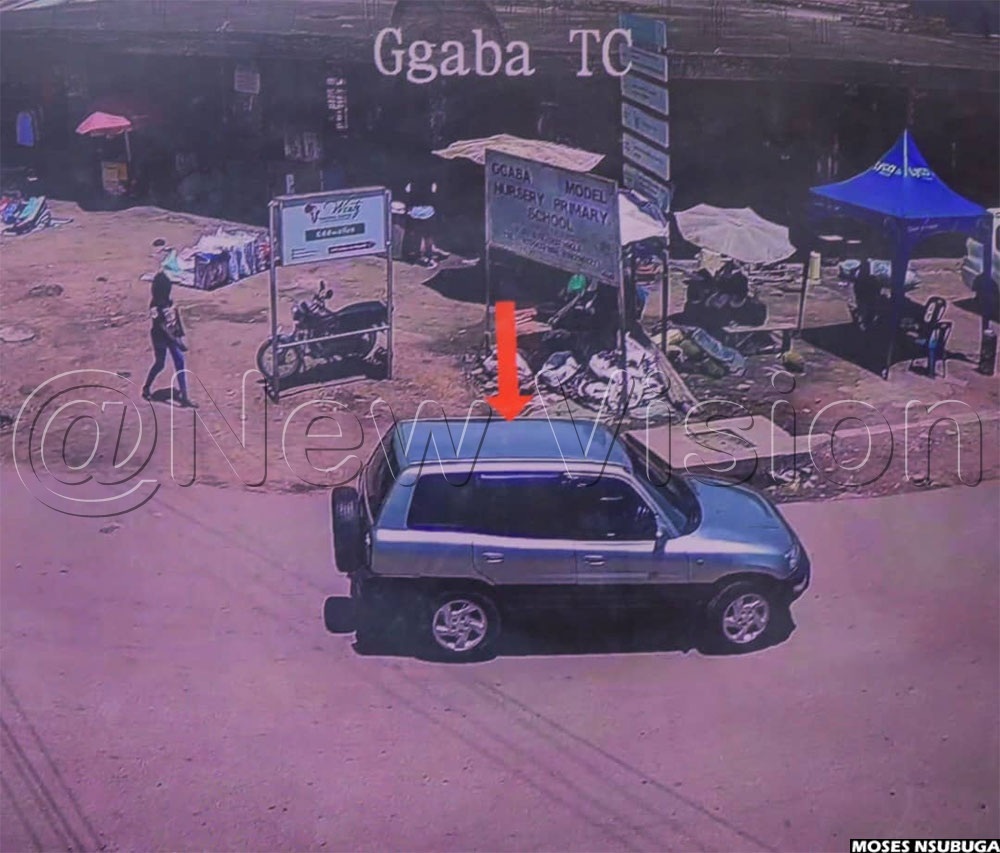
At 10:17am on April 1, the police Automatic Number Plate Recognition (ANPR) camera captured the vehicle being driven from Kyanja towards Kisaasi.
From then on, the car was captured by CCTV cameras move through Nakawa towards the city centre, then branching off towards Kibuli, Kabalagala, and Bunga, from where it proceeded to the parking yard at Renewal SACCO in Ggaba at 12:04pm.
After parking, the suspect (wearing a topi) walked towards Ggaba Early Childhood Programme Centre, before returning to the car about 12 minutes later, then driving away.
Studying the video recordings, Odongo observed that the suspect used a minor road to connect to the Ggaba Road in his exit.
"He drove towards Bunga Market. When he reached Bunga, he made a stopover and entered an area which is a dark spot, out of the camera view. The camera named Ggaba Shell last sees him at 12:32pm and the next camera that sees him is camera Hass Petrol Station Bunga at 2:19pm. The two cameras are within a distance of 500 metres," the officer told court.
The camera of Hass and subsequent cameras captured the vehicle proceed towards Kansanga, then to Kabalagala, to Arena Mall traffic lights, to Electoral Commission traffic lights along Jinja Road, and finally up to Shell Jinja Road at 2:45pm, where the suspect parked.
"After parking, he disembarked, interacted with the staff at Shell [as captured by the private cameras at the station: Forecourt One and the IPC] and was then assisted in pushing the vehicle into the parking area at 3:02pm.
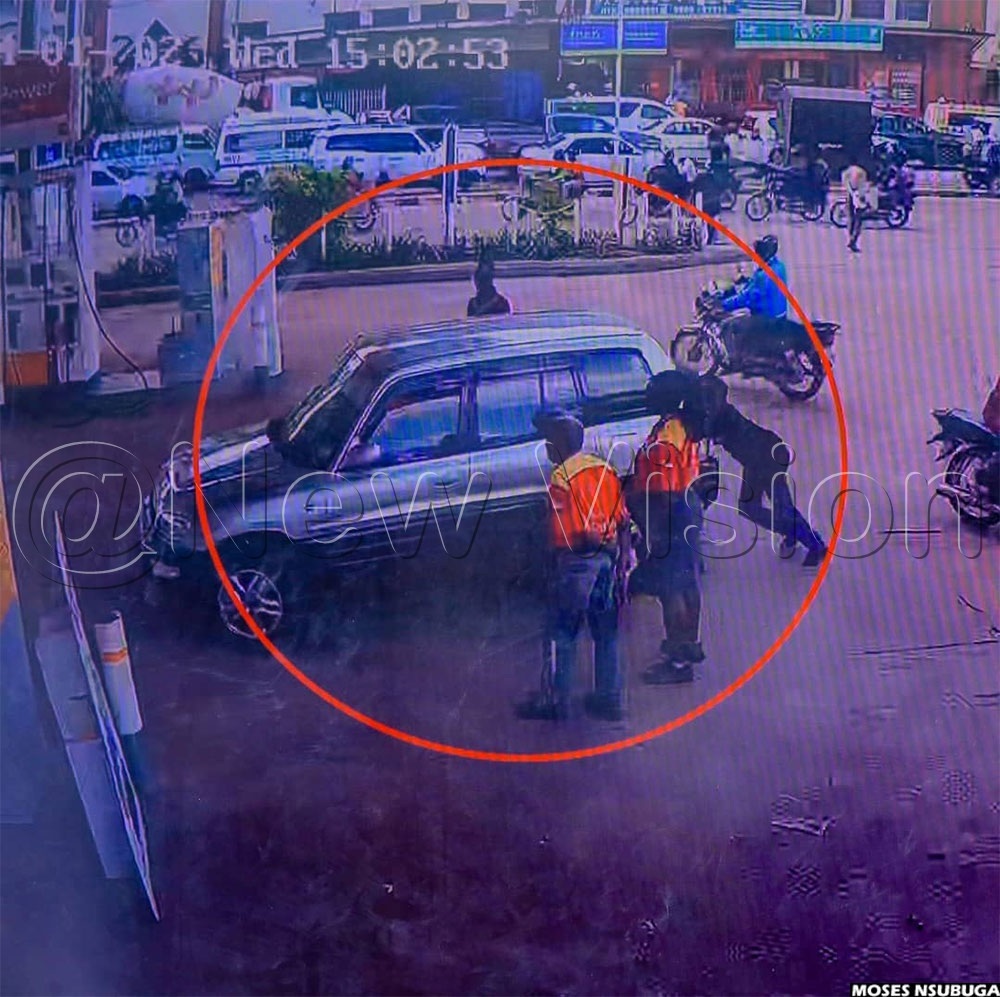
"I also observed the suspect making phone calls," testified Odongo.
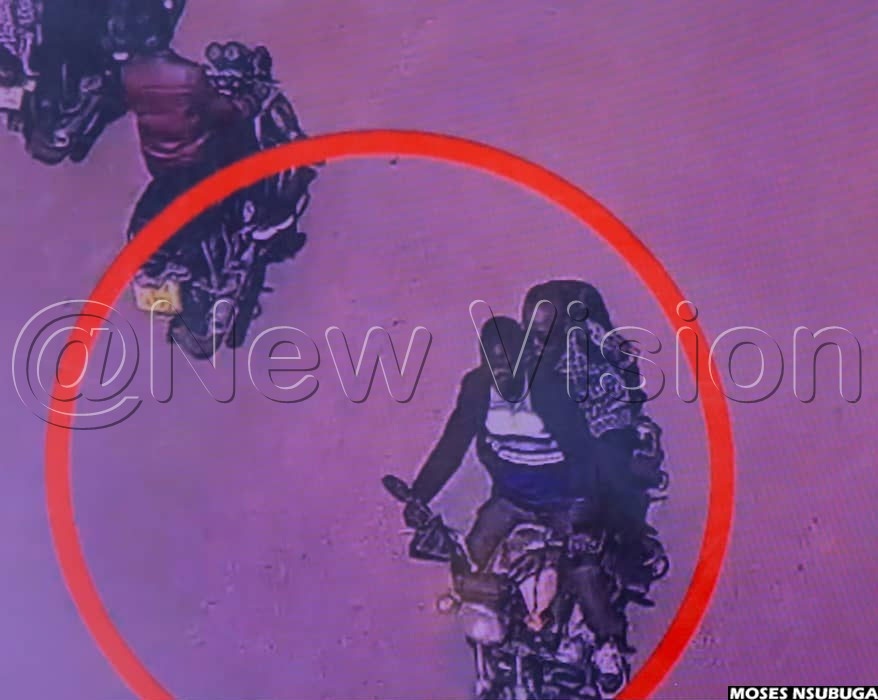
On April 2, at 10:16am, the police camera named Ggaba Kawuku Fixed Camera 1 and 2 captured the suspect, wearing shades and carrying a backpack, being transported on a motorcycle with an unidentified number plate as they headed towards the scene of incident.
Prosecutor Muwaganya asks the Police CCTV expert how he identified the suspect on that motorbike.
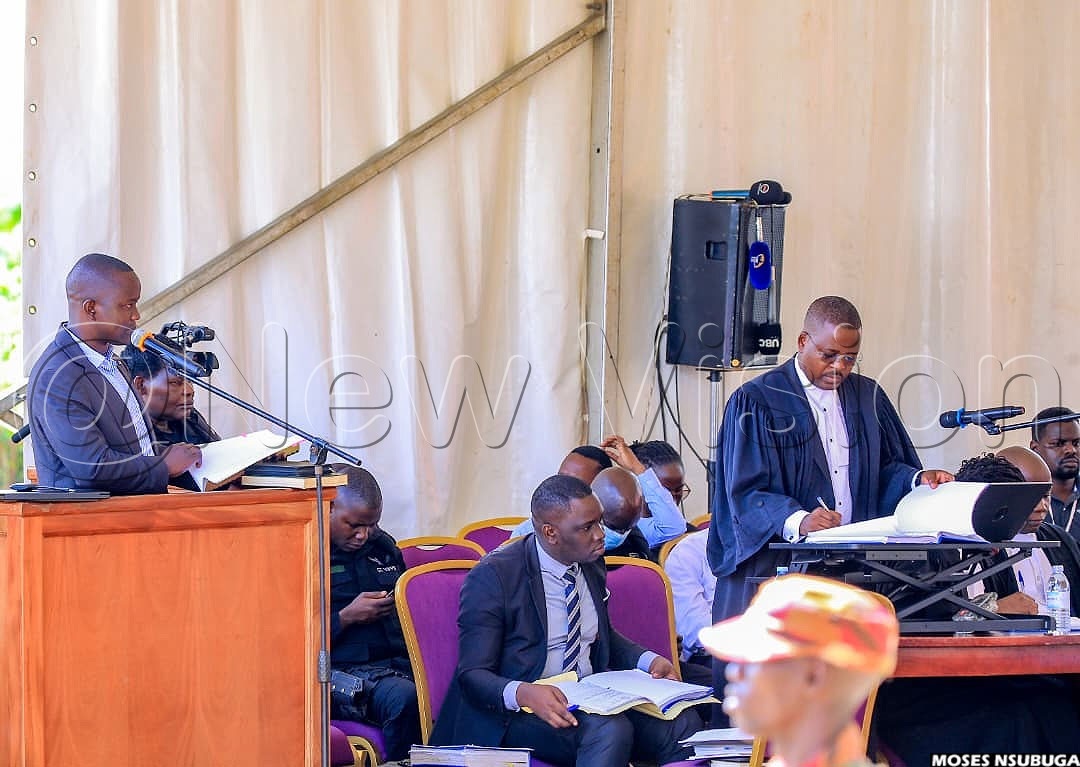
"After the arrest of the suspect at the scene, he was taken to Kabalagala Police Station, where I saw his dress code and identified him as the same suspect who was arrested at the scene," responded Odongo.
"Upon identifying that, I went and queried the police cameras along Ggaba Bypass Road (Kawuku Juntion Camera) and I was able to identify the same suspect — based on the dress code, the backpack and the sunglasses."
Odongo also analysed the footage of Wentz Medical Centre because it is where three victims were taken after the brutal attack.
"I observed that at 11:20am, the private cameras at Wentz recorded unidentified individuals who were bringing the victims to the facility."
The trial is continuing today.
Tech aids investigations
Monday's session had kicked off with a testimony from Assistant Inspector of Police Emmanuel Odongo (pictured below).
The 31-year-old is a CCTV analyst attached to the Directorate of ICT of the Uganda Police Force under the Department of CCTV at the National Command and Control Centre in Naguru, Kampala.
For this particular case, Odongo offered support as a technical person to the investigative team, after which he authored a CCTV Analysis Report after analyzing the different CCTV footage.
He told court that the report was reviewed by his immediate supervisor, SP Joseph Namanya, verified by his departmental supervisor, SSP Moses Ekodot, and endorsed by the director of ICT, CP Ezra Mujabwami.
The report comprises still images extracted from the CCTV footage, and a request letter and consent letters (from Renewal SACCO, Wentz Medical Centre and Shell Jinja Road) attached. Odongo also had a flash disk carrying the CCTV footage.
Both the CCTV Analysis Report and flash disk were admitted as prosecution evidence in court.
At the end of his testimony, Odongo was invited to play summarized footage from the CCTV recordings of the movement of the car that the suspect was driving on the eve of the incident of crime, as well as his movement on a boda boda to the crime scene on the fateful day.
Upon receipt of the request letter for CCTV analysis, Odongo said he visited the scene in the company of the investigating officers from Kabalagala Police Station to identify the presence of any private CCTV cameras around the scene of incident.
He also conducted a mapping exercise to determine the availability of CCTV cameras around the routes used by the suspect to access the scene.
He accessed the Police Intelligent Video Surveillance System to assess the availability and coverage of Police CCTV cameras within and around the scene and to track the suspect's movements.
Odongo retrieved and later analysed footage from the private cameras at Renewal SACCO (located right behind the scene of incident) after getting consent from Renewal SACCO.
"Upon analysis, I found out that the suspect drove a motor vehicle RAV4 on the day prior to the incident day and I was able to identify the features of the vehicle, that is, the spare tyre behind and the colour of the vehicle. However, the registration number could not be established from the SACCO camera as the resolution effect was too low," he told court.
So he went ahead and analysed police CCTV cameras to enable him establish the registration number of that vehicle so as to track its movements.
At 10:17am on April 1, the police Automatic Number Plate Recognition (ANPR) camera captured the vehicle being driven from Kyanja towards Kisaasi.
From then on, the car was captured by CCTV cameras move through Nakawa towards the city centre, then branching off towards Kibuli, Kabalagala, and Bunga, from where it proceeded to the parking yard at Renewal SACCO in Ggaba at 12:04pm.
After parking, the suspect (wearing a topi) walked towards Ggaba Early Childhood Programme Centre, before returning to the car about 12 minutes later, then driving away.
Studying the video recordings, Odongo observed that the suspect used a minor road to connect to the Ggaba Road in his exit.
"He drove towards Bunga Market. When he reached Bunga, he made a stopover and entered an area which is a dark spot, out of the camera view. The camera named Ggaba Shell last sees him at 12:32pm and the next camera that sees him is camera Hass Petrol Station Bunga at 2:19pm. The two cameras are within a distance of 500 metres," the officer told court.
The camera of Hass and subsequent cameras captured the vehicle proceed towards Kansanga, then to Kabalagala, to Arena Mall traffic lights, to Electoral Commission traffic lights along Jinja Road, and finally up to Shell Jinja Road at 2:45pm, where the suspect parked.
"After parking, he disembarked, interacted with the staff at Shell [as captured by the private cameras at the station: Forecourt One and the IPC] and was then assisted in pushing the vehicle into the parking area at 3:02pm.
"I also observed the suspect making phone calls," testified Odongo.
On April 2, at 10:16am, the police camera named Ggaba Kawuku Fixed Camera 1 and 2 captured the suspect, wearing shades and carrying a backpack, being transported on a motorcycle with an unidentified number plate as they headed towards the scene of incident.
Prosecutor Muwaganya asks the Police CCTV expert how he identified the suspect on that motorbike.
"After the arrest of the suspect at the scene, he was taken to Kabalagala Police Station, where I saw his dress code and identified him as the same suspect who was arrested at the scene," responded Odongo.
"Upon identifying that, I went and queried the police cameras along Ggaba Bypass Road (Kawuku Juntion Camera) and I was able to identify the same suspect — based on the dress code, the backpack and the sunglasses."
Odongo also analysed the footage of Wentz Medical Centre because it is where three victims were taken after the brutal attack.
"I observed that at 11:20am, the private cameras at Wentz recorded unidentified individuals who were bringing the victims to the facility."
The trial is continuing today.