
Joint Way of the Cross in Gulu scrapped over doctrinal differences
This move marks a departure from the collaborative procession in Gulu city, which has historically brought together thousands of Catholic, Anglican, and Orthodox faithful to reflect on the passion of Jesus Christ.
Photo taken during the 2022 Joint Way of the Cross in Gulu city. (Photos by Claude Omona)
________________
The Archbishop of Gulu Archdiocese, Raphael P’Mony Wokorach, has officially halted the Joint Way of the Cross, ending a decades-old ecumenical tradition that united various Christian denominations on Good Friday.
This move marks a departure from the collaborative procession in Gulu city, which has historically brought together thousands of Catholic, Anglican, and Orthodox faithful to reflect on the passion of Jesus Christ.
A sudden end to an ecumenical era
The announcement was delivered by Rev. Fr Cyprian Ocen, the parish priest of St. Joseph’s Cathedral in Gulu City, during the concluding remarks of the Palm Sunday Mass on March 29, 2026. Fr. Ocen communicated a formal directive from Archbishop Wokorach confirming that the joint procession has been disbanded.
For over ten years, the event served as a symbol of regional unity, particularly during and after the civil wars in Northern Uganda. The procession typically featured a large cross, weighing over 200kg and measuring three metres in length, carried in turns by Christians through the city streets.
Prioritising Catholic identity and sacramental reverence
In explaining the archbishop’s decision, Ocen said the protection of Catholic liturgical symbols was a key concern. He emphasised that the unique ways in which Catholics pray must be safeguarded from dilution.
The religious leaders taken during the way of the cross in Gulu city.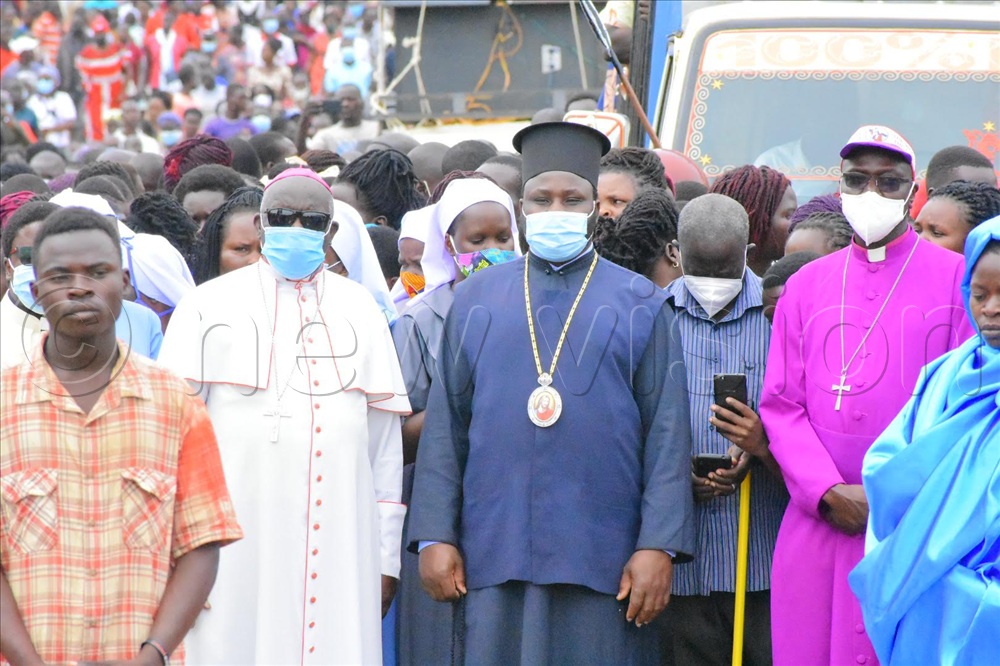
“Catholics use many symbols during the prayers, and among them is the sign of the cross, which should be observed with much respect, and this has not been observed,” Ocen said.
The archbishop also raised concerns about the level of concentration during the devotion, noting that the spiritual focus of the faithful may have been affected in the large, multi-denominational setting.
The distinction of faith and doctrine
The move also addresses concerns regarding the reverence of the Eucharist and theological differences among the participating churches.
Ocen noted that the evolution of different denominations has resulted in practices that no longer align with Catholic doctrine.
“I have to say this, there are some Christian religions that broke away from the Catholics and their ways of prayers have since been different,” said Fr. Ocen.
He further stressed the importance of preserving the original sanctity of the faith, adding, “We must leave the catholic ways the way it was founded.”
Safeguarding the church from external influence
The decision reflects a firm stance by the Gulu Archdiocese to prevent Catholic traditions from being misrepresented or misunderstood during public observances.
While the Joint Way of the Cross was known for its dramatisations of the crucifixion, Church leadership is now seeking a return to more traditional and reflective practices.
Fr Ocen warned about the need to preserve religious identity, stating that the Church cannot allow its traditions to be undermined. He reiterated that the decision was necessary to ensure that Catholic practices remain intact and respected.