
Initiative empowering West Nile communities to demand transparency, accountability
UNNGOF senior associate for monitoring and evaluation, Rebecca Ariokot said the project’s origin was in addressing gaps between communities and decision-makers in health and education.
SGSA project stakeholders pose for a group photo after the meeting in Koboko. (Photos by Robert Adiga)
________________
A West Nile region-based project is reshaping how communities engage with local governance, fostering a culture of accountability and transparency.
The Strengthening Grassroots Social Accountability initiative, implemented by the West Nile Regional Civil Society Network (WECISNET) with support from the Uganda National NGO Forum (UNNGOF) and the European Union, has empowered citizens in the districts of Yumbe and Maracha to hold leaders accountable, driving tangible improvements in healthcare, education and infrastructure.
Over three years (2023–2025), the project has equipped communities with tools to demand results.
In Maracha’s Kamaka Primary School, Parents and Teachers Association (PTA) chairperson Sabino Aluma says collective action transformed the school.
“We now discuss real issues during PTA meetings, and the community lobbied for projects together. The school has improved, with active participation from teachers, pupils, and parents.”
Similarly, Olufe sub-county chief Stella Abaru credits the initiative with resolving a longstanding land dispute for Kamaka Health Centre III.
“My predecessors and I tried for years to secure the land title, but it was the empowered community groups that shifted mindsets. Now, the health centre has a title, and the district built latrines, a milestone for attracting future projects,” she says.
Bridging the gap between citizens and leaders
The project’s success lies in its focus on inclusive dialogue, according to Twaib Feni, the head of WECISNET, who says despite political tensions during elections, the initiative remained uninterrupted.
Rebecca Ariokot, the senior Associate-Monitoring, Evaluation and Learning UNNGOF.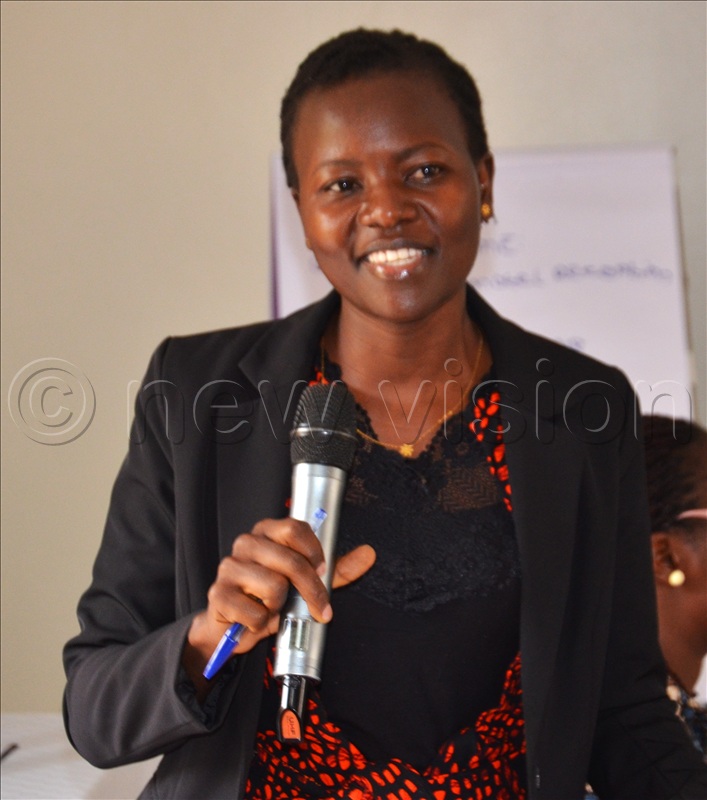
“Citizens now confidently demand accountability. Even when this project ends, we’ll continue supporting communities through other platforms.”
UNNGOF senior associate for monitoring and evaluation, Rebecca Ariokot said the project’s origin was in addressing gaps between communities and decision-makers in health and education.
Yumbe’s inspector of schools, Rose Lekuru, urged sustained community engagement: PTA meetings must keep sensitising parents to demand equitable resource distribution from leaders.
Sustainability and future challenges
Leaders like Maracha’s district health officer Dr Paul Onzubo acknowledged the project’s impact but stressed the need for sustained funding: “District leaders must lobby for resources that match citizens’ demands and use existing government structures for continuity.”
Assistant chief administrative officer Sulai Ejosiga praised the initiative’s inclusivity and pledged to maintain its legacy.
Deputy Yumbe Resident District Commissioner Mathew Vuni Vuyaya urged stakeholders to prioritise sustainability planning, saying, “Without it, these gains won’t cascade across the region.”