
How Kween mudslide survivor is rebuilding her life
Chebet, 19, who was heavily pregnant at the time, was with her partner and two-year-old son inside the house. If it were not for luck and the quick rescue efforts, the trio would have perished in the disaster.
Risper Chebet (seated with a baby) received maternity support and capital to start a business. (Courtesy photo)
__________________
October 30, 2025, will forever be a dark day in Risper Chebet’s life. In the wee hours of that rainy night, a deadly mudslide swept away her two-roomed home located in Dara Parak Upper village, Pipawon sub-county in Kween district.
Chebet, 19, who was heavily pregnant at the time, was with her partner and two-year-old son inside the house. If it were not for luck and the quick rescue efforts, the trio would have perished in the disaster.
“We lost everything, but we are glad to be alive,” she says.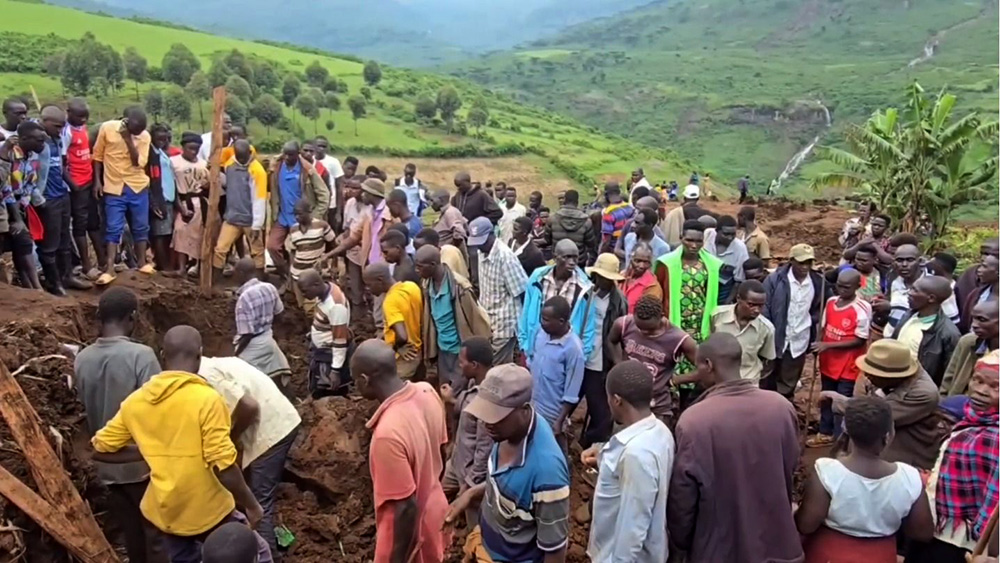
The mudslides swept through many sub-counties in Kween district, including Tuikat, Kwosir, Benet, and Kaseko, claiming several lives and displacing families. (Courtesy photo)
Their home, personal belongings and gardens were swept away. In fact, the mudslides that occurred after continuous downpours swept through other sub-counties, including Tuikat, Kwosir, Benet, and Kaseko, claiming several lives and displacing families.
In the first two days, Chebet says, they slept out in the cold until the government, the Red Cross and other well-wishers intervened with emergency assistance. “We were resettled in a single room, but survival was difficult,” she says.
The couple struggled to get basic needs like food. And amidst the tribulations, Chebet’s partner became abusive. He would return home in the night, drunk and beat her.
Chebet had no one to run to. Her father had married her off at 17 years old. Yet she lost her mother when she was little. Chebet sought help from Tabagon Advice Centre run by MIFUMI, a women rights organisation.
Justine Chelimo, the centre in charge, says, “We organised mediation sessions with the couple.” They also offered maternity support that helped Chebet to deliver her second child safely.
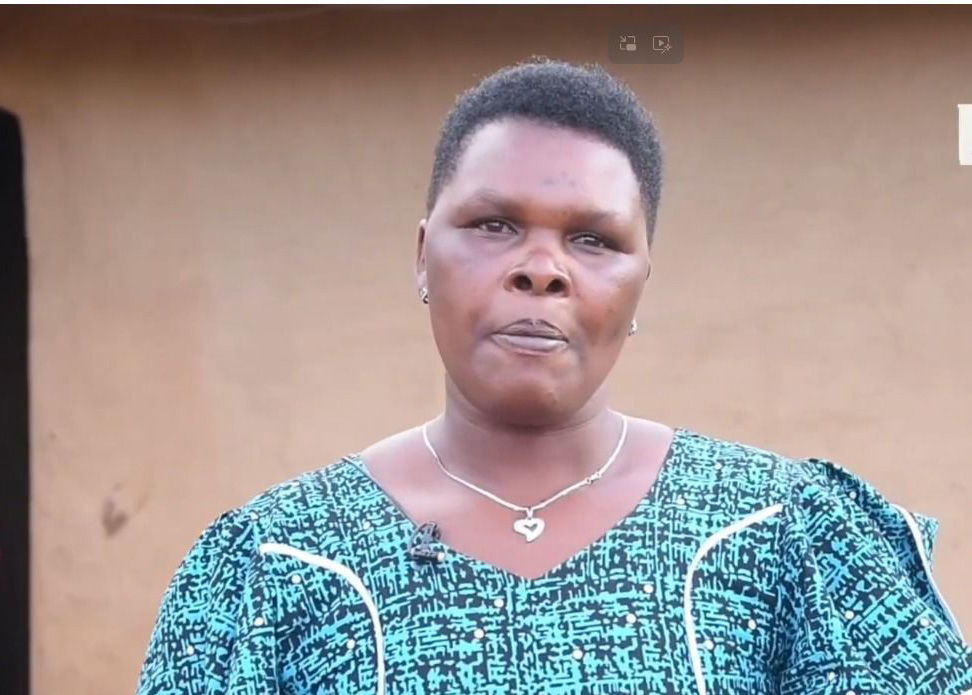
Justine Chelimo the center in charge of Tabagon Advice Center run by MIFUMI, a women rights organisation. (Courtesy photo)
MIFUMI also donated a mattress, beddings, food supplies, saucepans and baby’s necessities such as clothes and jelly.
Through continuous counselling and guidance, Chelimo says the husband later reformed, and their relationship improved.
Chebet also received a resettlement package worth shillings 500,000, which she used to buy three sheep and also opened a small vegetable-selling business. Today, she says, “I am happy and financially stable. My partner has reformed, and I no longer struggle to get basic needs.”
GBV as silent killer
Gender-Based Violence (GBV) greatly affects families in many ways, according to Eva Gloria Nangira, a social worker. It causes physical injuries, emotional trauma, depression, fear, and loss of self-esteem among victims.
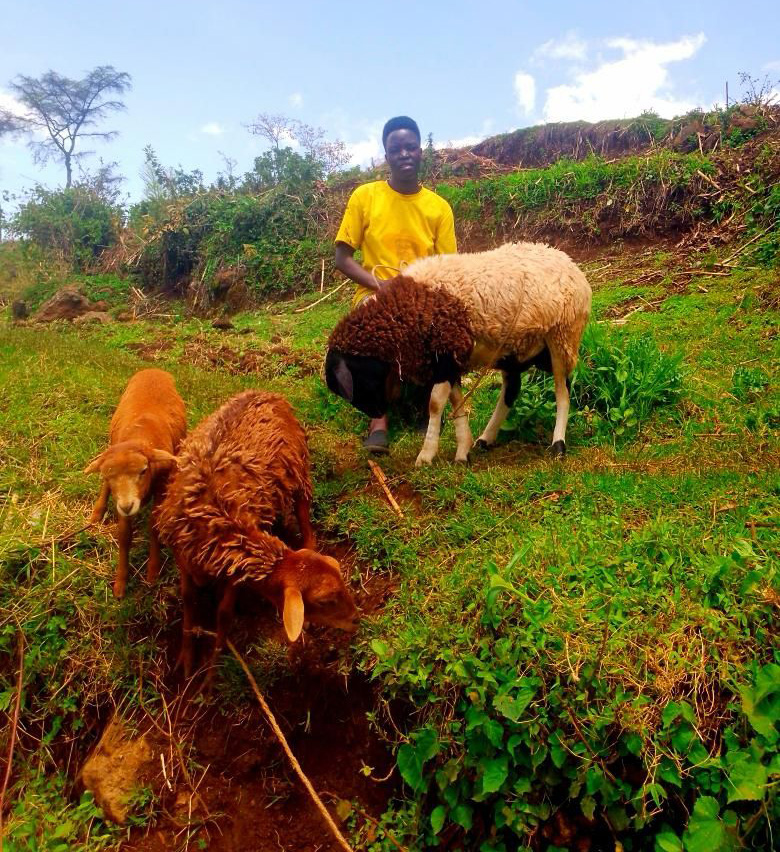
Chebet received a resettlement package worth shillings 500,000 which she used to buy three sheep. (Courtesy photo)
Children raised in violent homes are also negatively affected emotionally, psychologically, and socially, which may lead to poor academic performance and the continuation of violence across generations.
GBV also contributes to poverty, family breakdown, and poor health outcomes.
Nangira roots for sustainable interventions such as community sensitisation and awareness programs on the dangers of GBV, providing psychosocial counselling and legal support to survivors and economic empowerment programs for vulnerable women and families.
In addition, family mediation and conflict resolution mechanisms should be strengthened. Besides, laws and policies against domestic violence and child marriage should be enforced, and community involvement and reporting of GBV cases should be encouraged. Nangira also advocates supporting survivors with livelihood and resettlement programs to help them rebuild their lives.
These interventions, she says, can help create safer families and stronger communities which are free from violence.
Meanwhile, an estimated 95% of Ugandan women and girls have experienced physical or sexual violence according to the United Nations Population Fund Uganda.