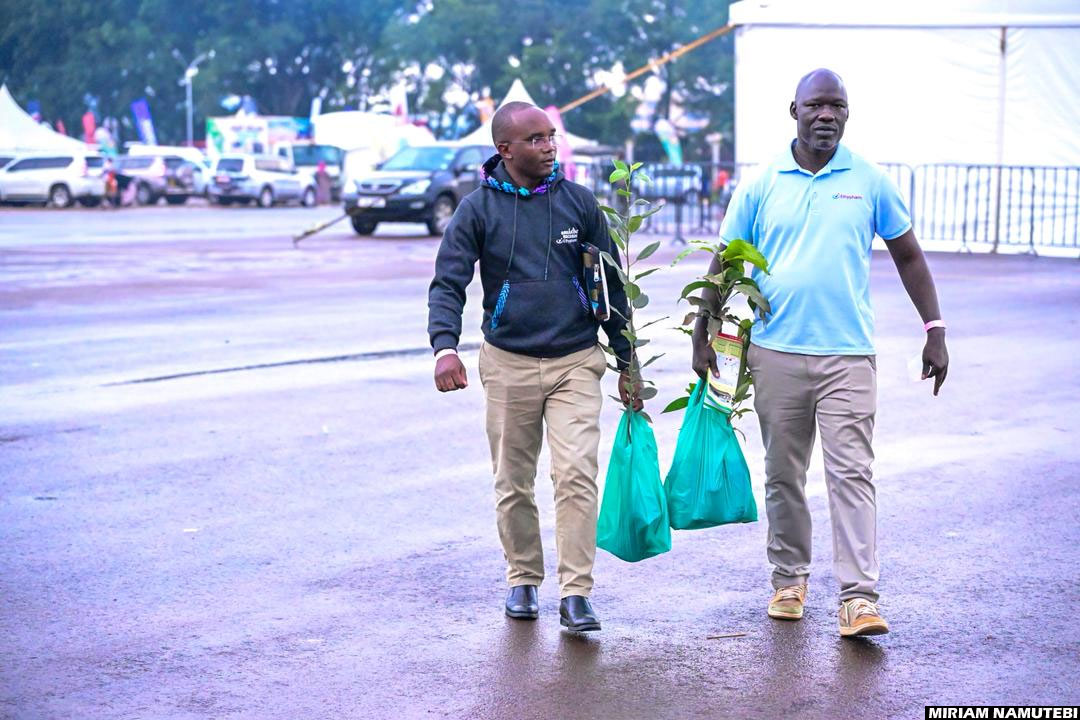
Harvest Money Expo 2026 at Kololo — Day Two as it happened
How the second day of the Harvest Money Expo at Kololo Ceremonial Grounds in Kampala unfolded.
Harvest Money Expo 2026 at Kololo — Day Two as it happened
_________________________
Edited and presented by Joseph Kizza
______________________________
5:00 PM
Mushrooms: Earning lots from small investments
Reporting by Jackie Nalubwama:
The expert, Abel Kiddu of African Mushroom Growers (U) Ltd, has been growing mushroom since 2010 and has a wealth of knowledge on the subject. “Mushrooms need low temperature from 18 to 21 degrees Celsius, high humidity and oxygen to sprout."
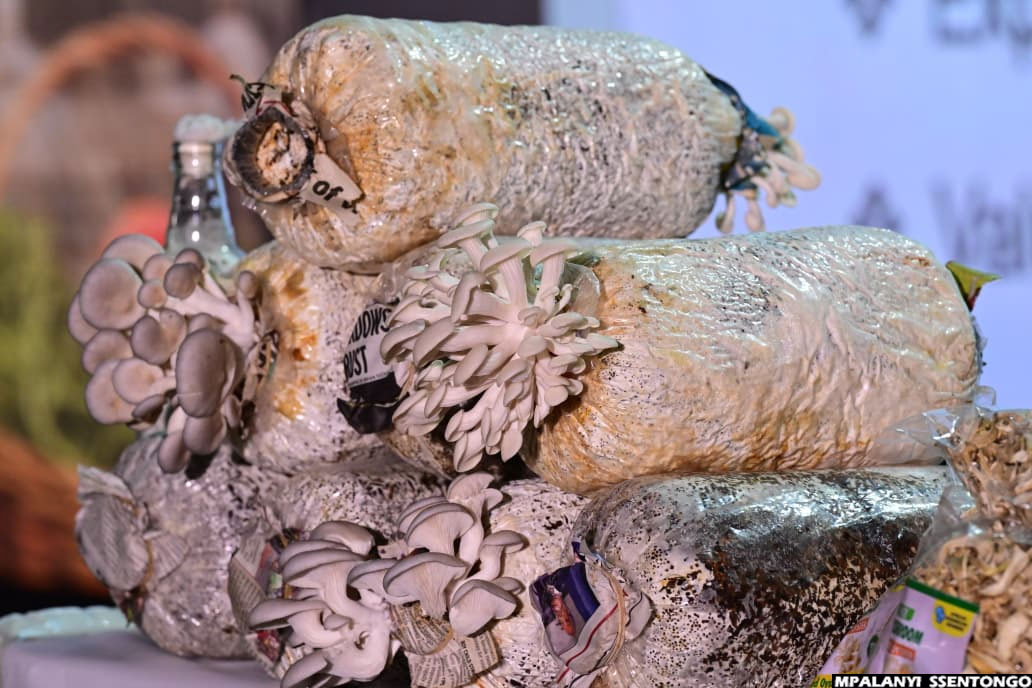
While urging trainees to grow mushrooms, Kiddu said there is an inexhaustible market for mushrooms. “Our company even sells mushroom to Kenya and Congo, so the market is there for mushrooms. In fact, East Africa has a high demand for mushrooms."
Kiddu was so emphatic about the availability of the market that he offered to help mushroom growers find that market. “Our company will help you find market if you are having trouble."
He explained how lucrative mushroom growing has become because consumers are increasingly becoming health conscious and mind what they eat. He said that many are choosing to consume protein from alternative sources to animal protein.
“That is why they turn to mushroom as the alternative, so the demand is on the rise. Locally, the middle class is also growing in Uganda and it is also consuming mushrooms more and more. They are embracing eating protein, but not meaty stuff."
______________________________
4:25 PM
'Bees are small factories'
Reporting by Ibrahim Ruhweza:
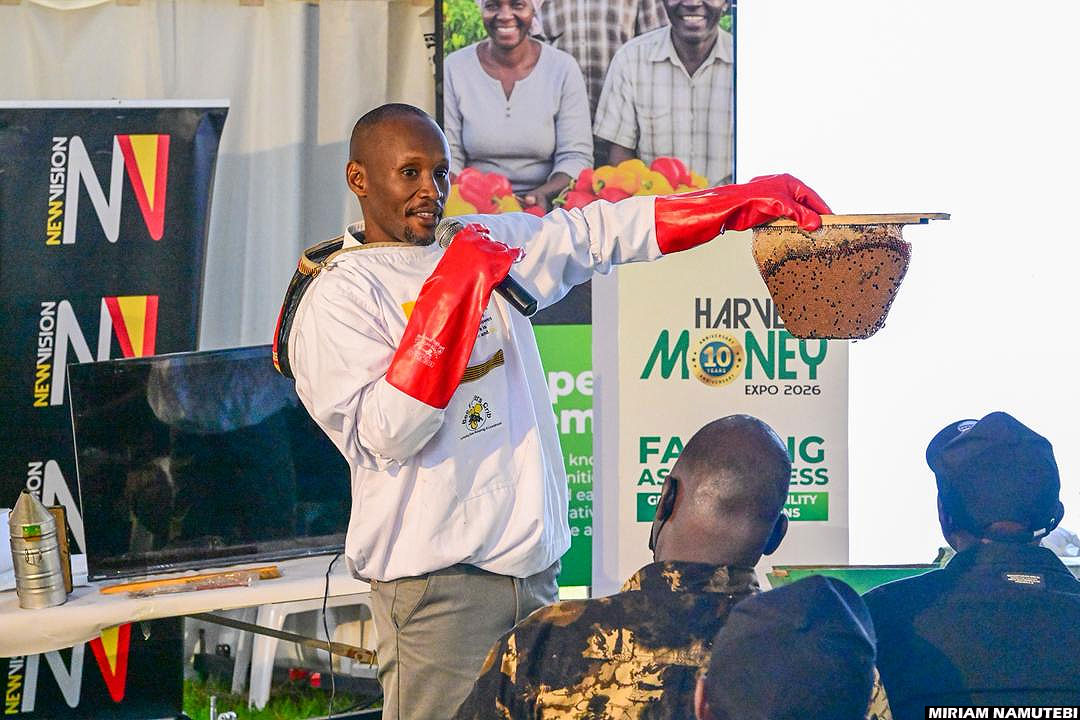
Farmers have been urged to look beyond honey and tap into the full economic potential of beekeeping, especially high-value products such as bee venom. According to Stephen Kunihira, the director of Mr Bees Africa, many farmers limit themselves to honey yet bees produce several other valuable products. “Beekeeping is not only about honey. Bees are small factories. If farmers diversify into products such as venom, propolis, pollen, wax and royal jelly, their income can multiply."
Kunihira was speaking to hundreds of expo-goers in the bee training at Kololo Ceremonial Grounds, where farmers were taught how to extract bee venom. Experts note that one gramme of bee venom costs about sh100,000, compared to a kilogramme of honey, which averages sh15,000. This significant price difference explains why venom is attracting attention from progressive farmers.
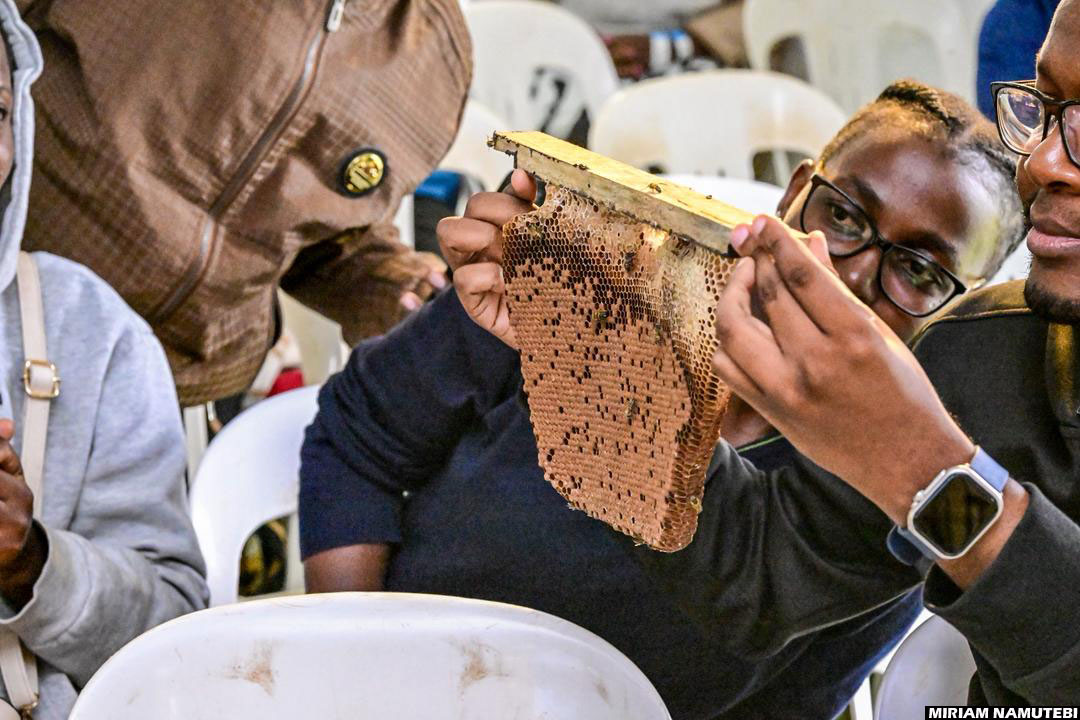
Moses Kuteesa of Bees Farmers Creep explains that bee venom is in high demand in medical research, apitherapy and cosmetic industries. However, he says extraction must be done carefully, ethically and with proper protective equipment.
He says venom is harvested without killing bees by using a bee venom collector, also known as a venom trap. The device consists of a glass plate fitted with thin wires connected to a low-voltage electric pulse system. It is placed at the hive entrance or inside the hive while the hive remains closed. Mild electrical pulses stimulate bees to sting the glass surface. Since they are not stinging skin, their stingers do not detach and the bees survive.
The expert says the venom dries quickly on the glass into small crystalline deposits. After several minutes, depending on colony strength, the device is removed. The dried venom is then carefully scraped off using a sterile blade, collected in sterile containers and stored in airtight, dark glass vials in a cool, dry place. Bee venom is highly sensitive to heat, moisture and contamination. Both experts caution that only trained professionals should extract venom.
Protective clothing is mandatory, and emergency treatment for allergic reactions must be available. Colonies should only be harvested during strong nectar-flow seasons and never when weak. Beyond venom and honey, bees also produce beeswax for candles and cosmetics, propolis for medicinal use, pollen supplements and royal jelly. Kunihira notes: “When farmers understand the full value chain of bees, they realise the hive is more profitable than they imagined.”
______________________________
3:19 PM
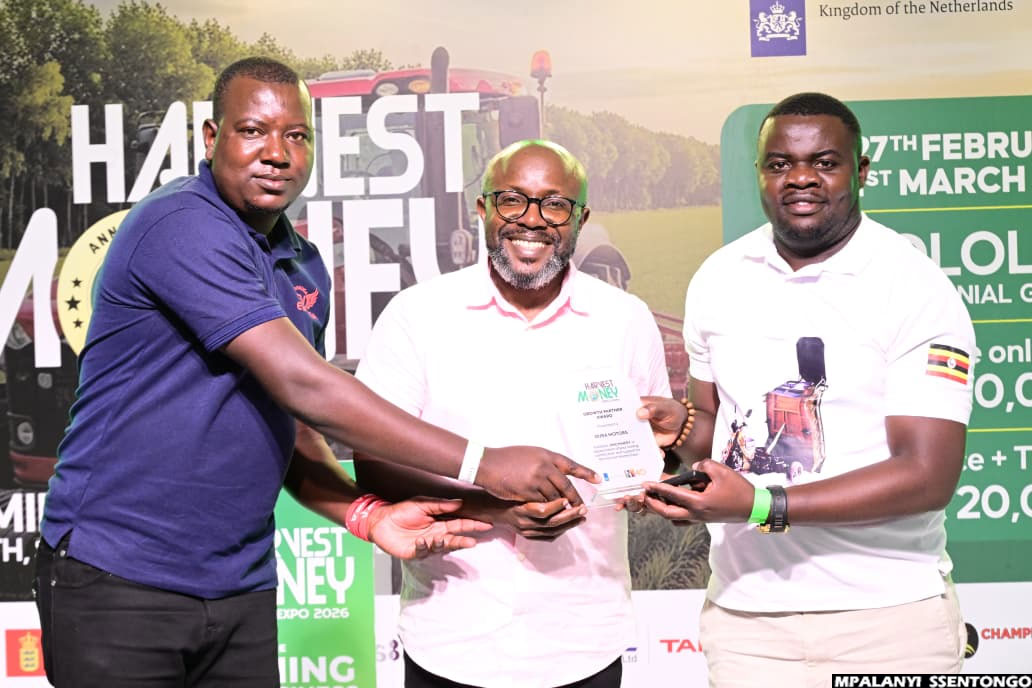
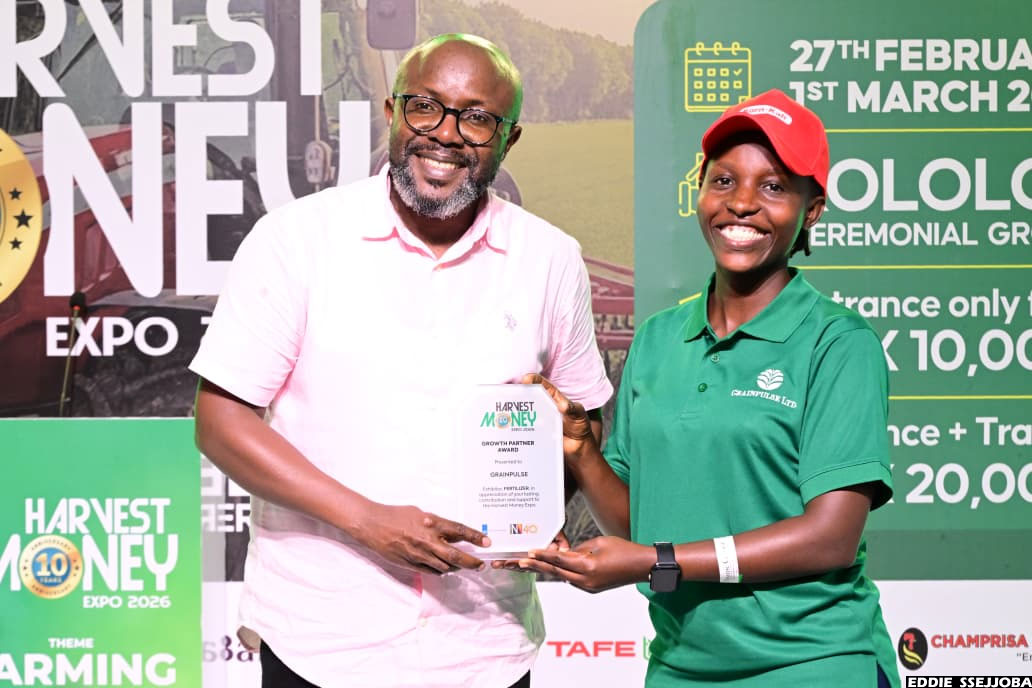
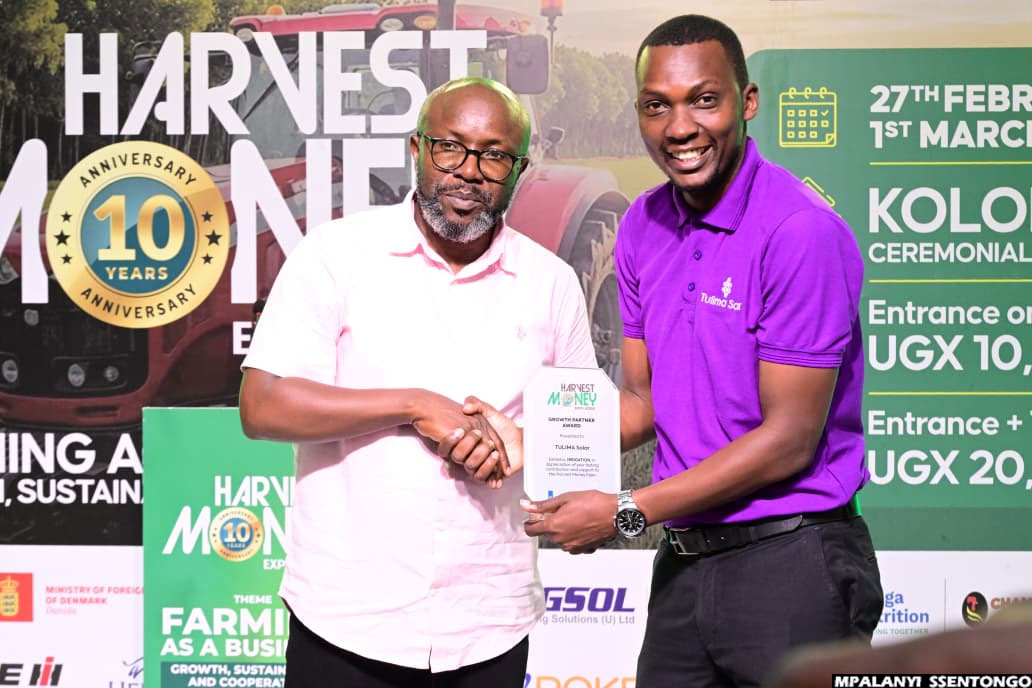
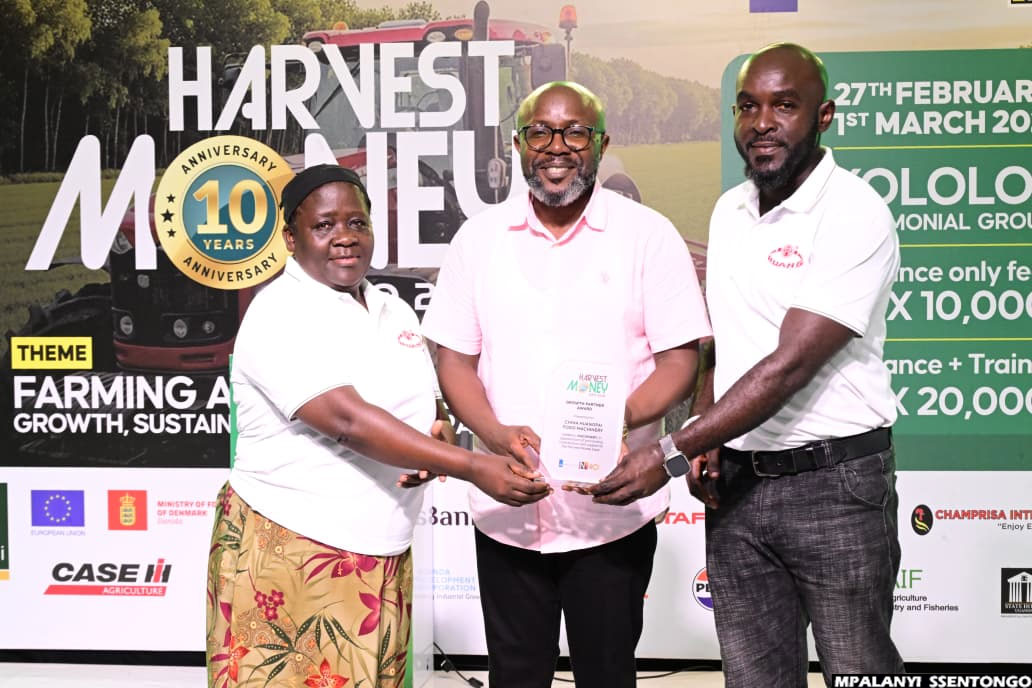
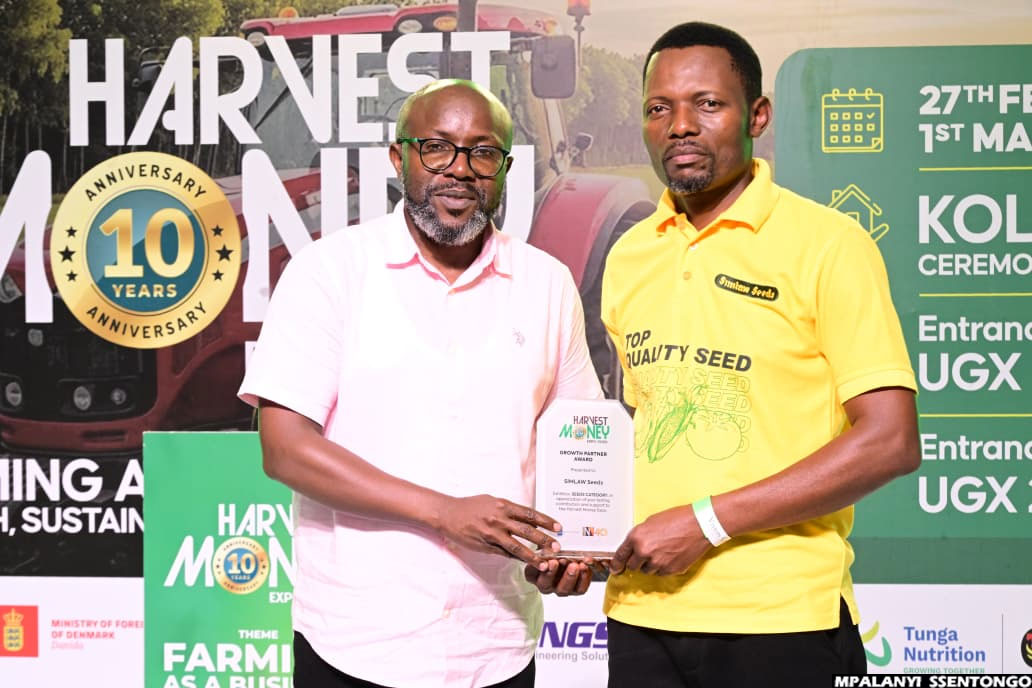
Awarding of sponsors and partners of the expo...
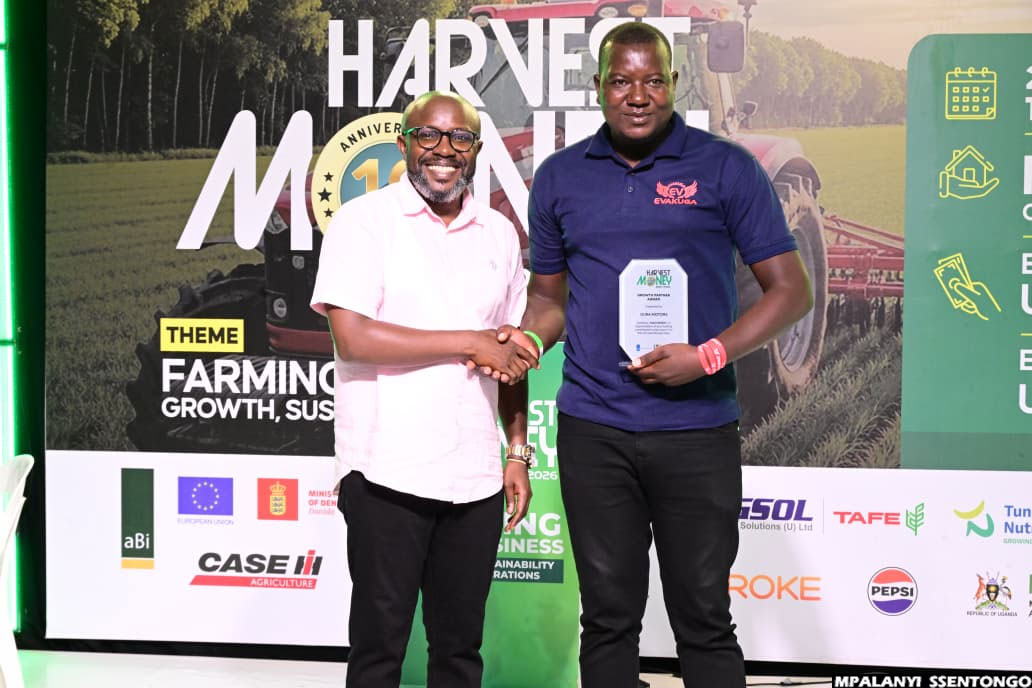
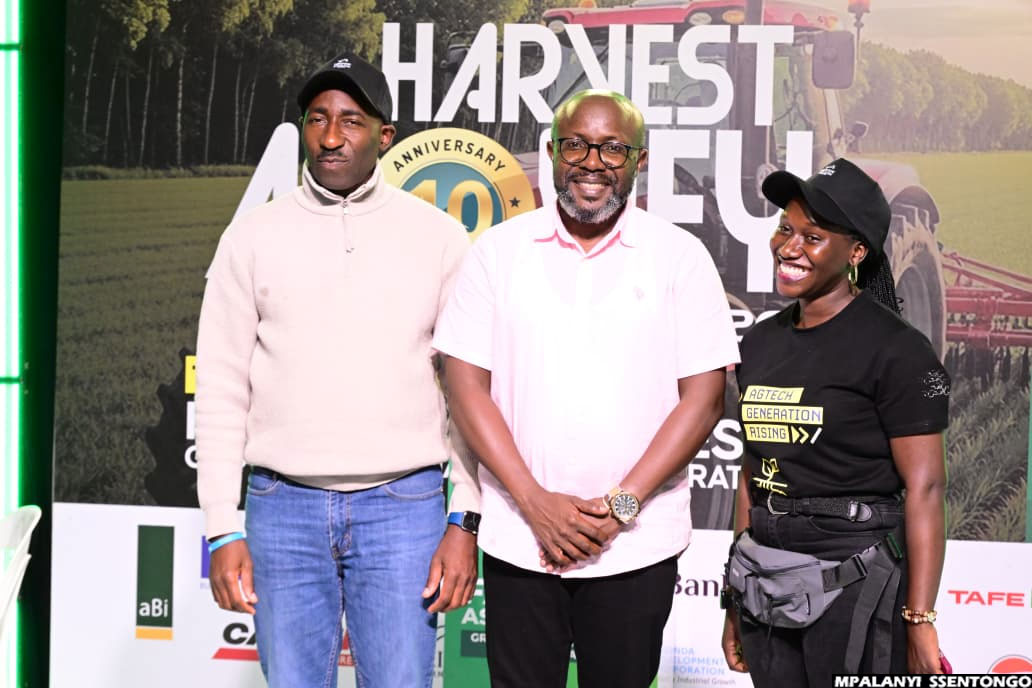
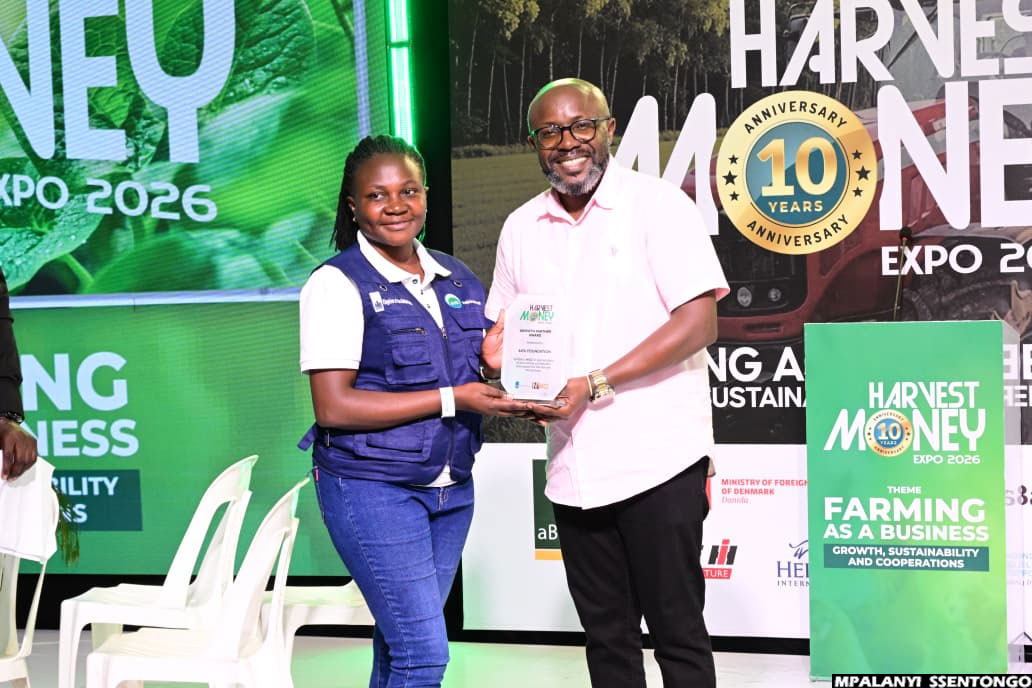
______________________________
2:17 PM
Harvest Money Expo 2026 happening now at Kololo Ceremonial Grounds in Kampala.
______________________________
1:38 PM
Minister hails Harvest Money Expo
Reporting by Jacky Achan:
Minister Bwino has praised Vision Group for its decade-long commitment to hosting the Harvest Money Expo, an initiative that has played a pivotal role in supporting farmers and driving growth in Uganda's agricultural sector. During the official opening on Saturday, he highlighted the government's recognition of the expo's positive impact on farmers across the country.
“The decade-long duration of the Harvest Money Expo reflects its credibility, impact and relevance,” he said, stressing the importance of such initiatives in fostering sustainable agricultural development.
Bwino expressed his agreement with the suggestion made by Vision Group CEO Don Wanyama, calling for the expo to be expanded to various regions of Uganda to ensure more farmers benefit from its offerings.
He encouraged both current and prospective farmers to take full advantage of the expo, emphasising its value in providing knowledge on improving agricultural production, adding value to products, and maximising profits.
Bwino also pointed to the innovative solutions on display at the event, which he said showcased the progress Uganda's agricultural sector has made. “The innovations we see here today demonstrate how far the sector has come and the significant investments made by both the government and the private sector. This is a testament to the hope we have for agriculture’s future in Uganda.”
Looking ahead, the minister reiterated the government's commitment to addressing the challenges faced by farmers. He revealed plans to invest more funds to improve the agricultural sector, including the upcoming Food and Agriculture Regulatory Act, which is currently in its advanced stages. The Act is set to be presented to Cabinet and Parliament for approval in the near future.
______________________________
1:17 PM
Harvest Money Expo 2026 officially opened
Agriculture state minister Fred Bwino Kyakulaga has officially opened the 10th Harvest Money Expo at Kololo. The minister was accompanied by the Ambassador of the Kingdom of Netherlands, Frederieke Quispel, Vision Group board chairman Dr Damulira Sengonzi, CEO Don Wanyama as well as a number of ambassadors and heads of missions of different countries.

______________________________
12:49 PM
Ambassadors touring the exhibition stalls...
______________________________
12:32 PM
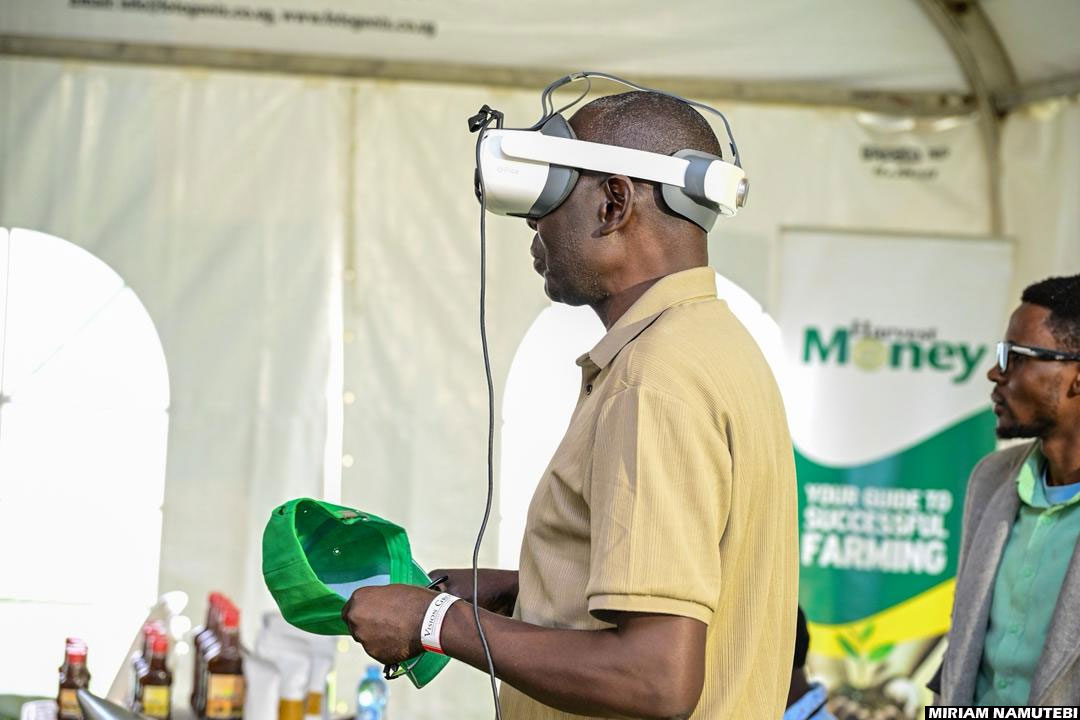
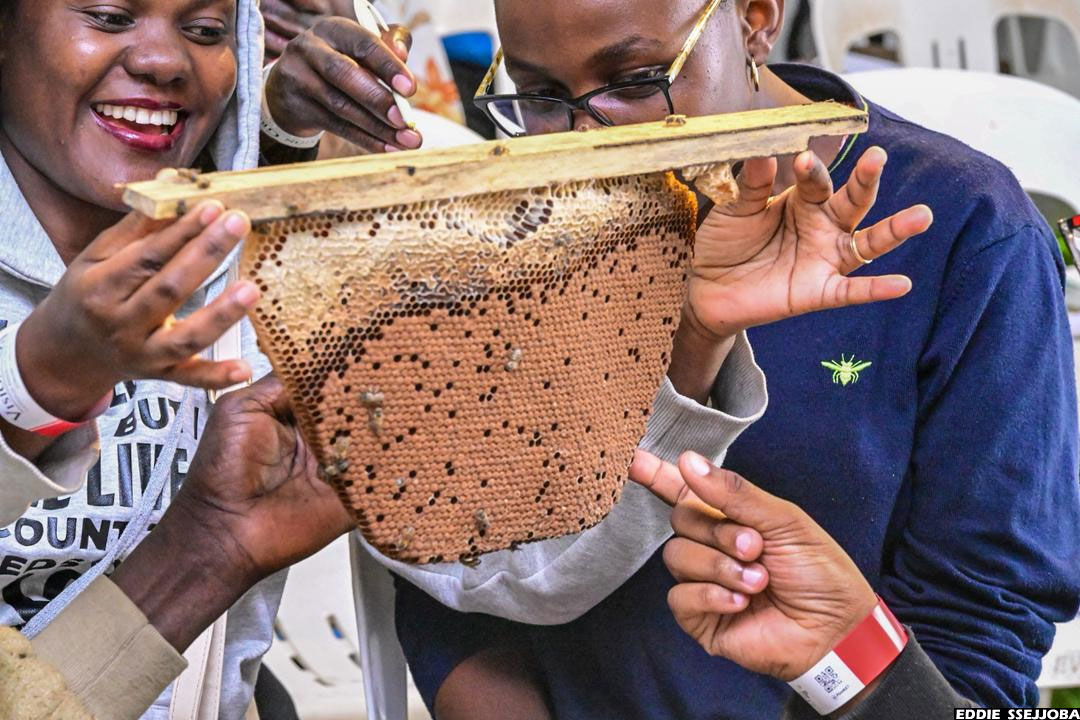
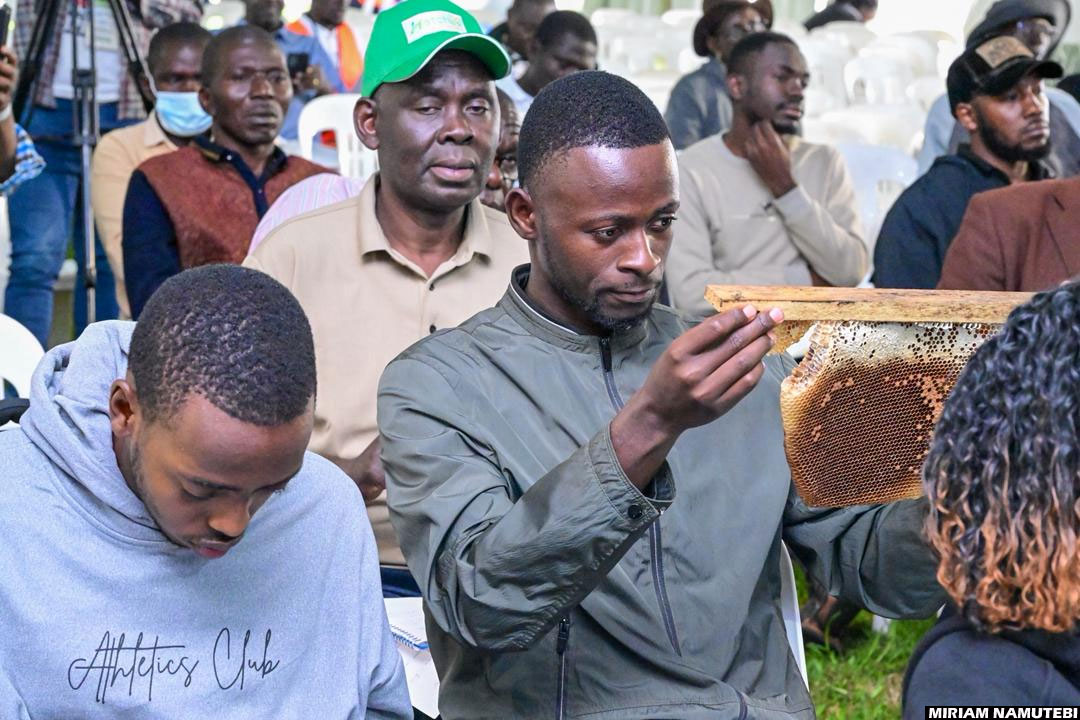
Inside one of the training rooms, Dr Charles Wendo tries out virtual reality to view a bee farm during a bee keeping session.

______________________________
12:17 PM
Organic fertilisers on show at the expo...
______________________________
12:04 PM
Farmers advised on benefits of organic agriculture
Reporting by Prossy Nandudu:
Farmers at the Harvest Money Expo have been urged to embrace organic agriculture to improve food security and household nutrition. The advice was given by Florence Ddumba, a trainer at Kulika Uganda during a session on the importance of organic farming and practical steps for implementation.
Samuel Nyanzi, an organic farmer and chairman of the National Organic Movements of Uganda, explained how plants obtain food. “Plants get sugars from the sun. About 40% is used by the plant to grow, while the remaining 60% is absorbed by the soil." The nutrients feed other organisms in the soil, which release acids that dissolve minerals, making them more accessible to plants. When these organisms die, they further enhance soil fertility.
______________________________
11:40 AM
Four key things poultry farmers must get right
Reporting by Jacky Acan:
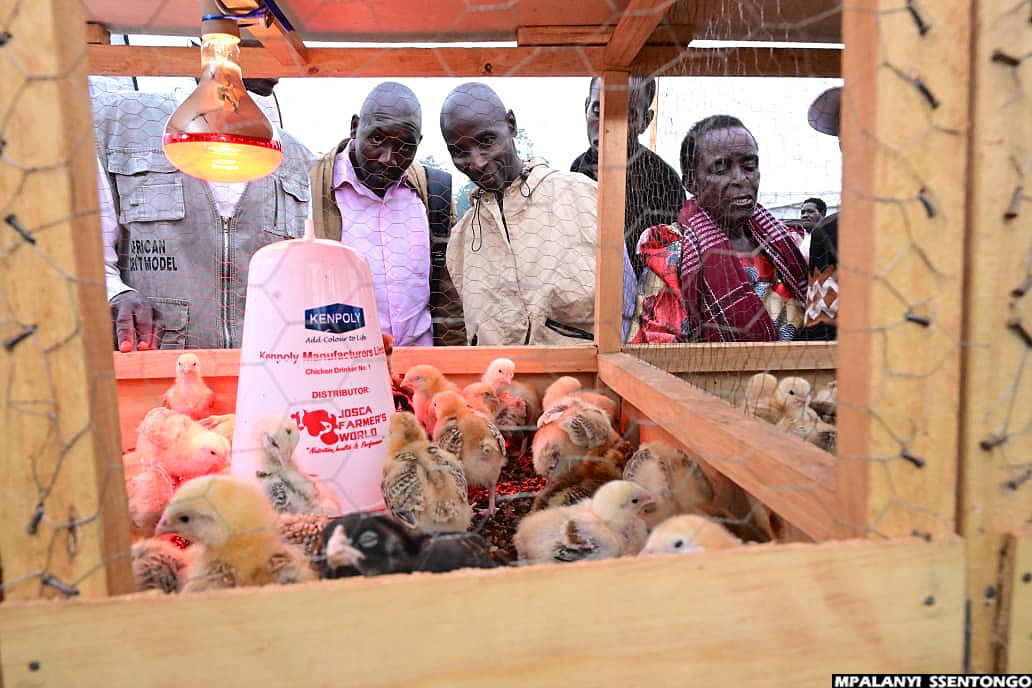
Poultry farmers hoping to improve production should pay close attention to four key factors, including genetics, feed and water, environment, sound and noise, according to veterinarian Dr Samuel Ssewagudde. He was delivering a lecture on poultry farming at the Harvest Money Expo 2026 at the Kololo Ceremonial Grounds.
Ssewagudde, who is a veterinary officer of farm health at Tunga Nutrition, manufacturers of Hendrix concentrates, says performance in chickens, whether layers or broilers, does not happen by chance. It is the result of careful management, starting with genetics and extending to feeding, housing and handling.
Genetics
According to Ssewagudde, the foundation of good poultry performance is the breed. “You cannot expect excellent results from poor genetics. But even the best breed will fail if it is poorly managed," he says. Choosing high-quality chicks from reputable breeders gives farmers a strong starting point, whether they are producing eggs or meat.
Feed and water
Nutrition, he says, is central to unlocking a bird’s genetic potential. “To reach their full performance, birds must be fed properly. Good feed gives layers the capacity to lay consistently and enables broilers to gain the right weight for market.” Ssewagudde compares poultry feeding to raising a child. “For a child to grow healthy, they need proper nourishment. The same applies to chickens.”
He cautions that even a good breed will underperform if given poor-quality feed. Likewise, excellent feed cannot fully compensate for poor genetics. Ssewagudde says water, often overlooked, is equally critical. Chickens drink up to three times as much water as the feed they consume. Without adequate clean water, feed intake and productivity drop. “Chickens do not have teeth,” he notes. “They pick feed and then drink water to help digestion.
Therefore, water must always be available and clean.”
The feed should also be appropriate in structure and quality. Large, whole grains that birds struggle to consume can reduce intake. “The feed must be edible and suitable for the age and type of bird,” he advises.
Environment
Housing conditions can either support or undermine performance. “The environment can spoil everything,” Dr Ssewagudde warns. Poor ventilation and excessive heat cause birds to pant, reducing feed intake and growth. “If you enter a poultry house and you are dripping with sweat, that is not a good place for chickens,” he says.
He explains that lighting must also be carefully managed. Layers, in particular, are sensitive to light exposure. More than 16 hours of light can negatively affect their performance, while broilers require a different lighting programme.
Sound and noise
Stress is another silent production killer. Excessive noise or constant disturbances can affect feeding patterns, egg production and weight gain. Calm, stable conditions help birds maintain consistent performance. Ssewagudde emphasises that successful poultry farming is about balance. “Genetics, feeding, water, environment and stress control all work together,” he says. “When one is neglected, performance suffers.” For farmers, he adds, attention to these basics can make the difference between profit and loss.
______________________________
11:09 AM
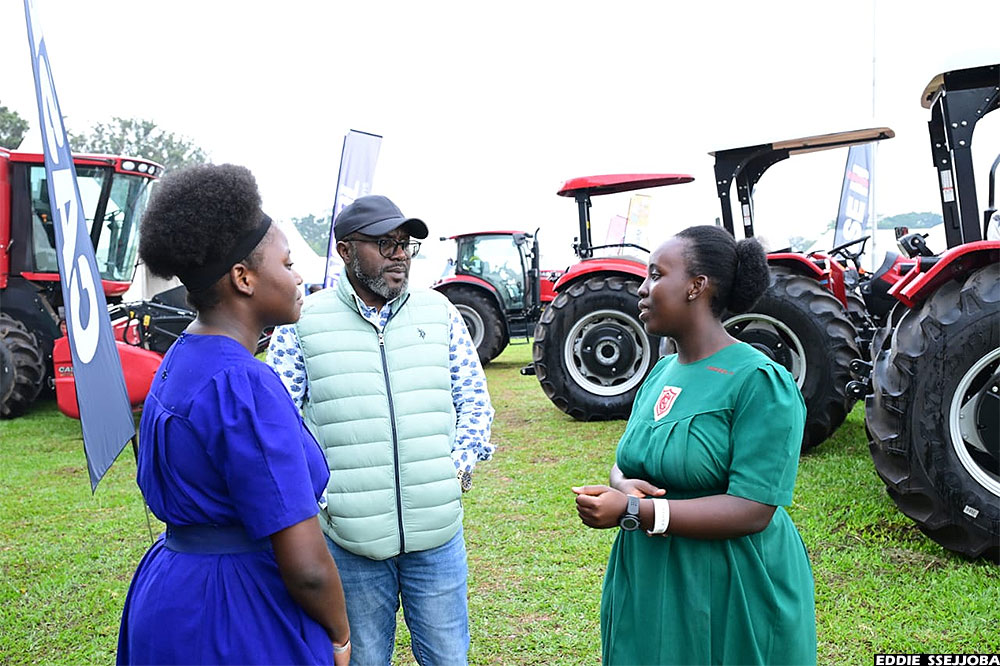
Just like yesterday, schools have also sent students to the expo. Here, Vision Group chief executive Don Wanyama interacts with Gayaza High School students.

______________________________
11:00 AM
We have mascots at the expo...
______________________________
10:47 AM
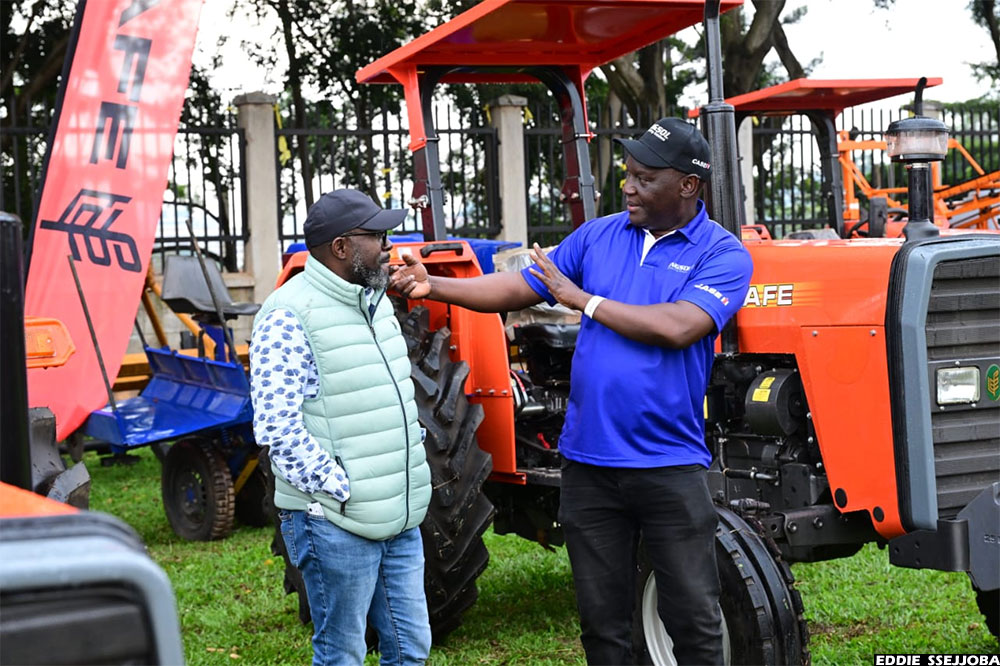
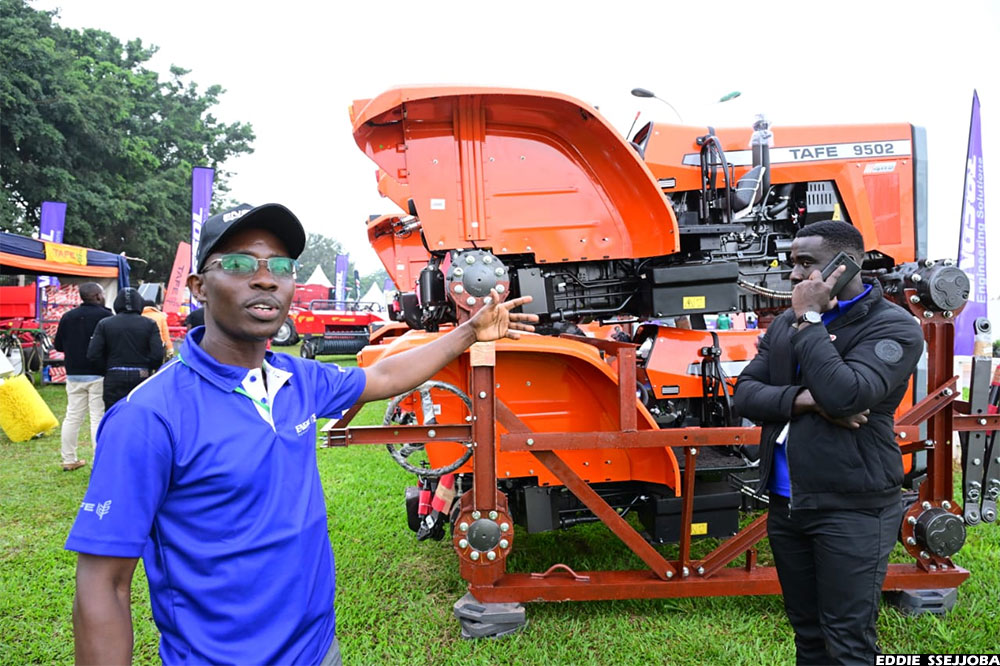
Med Mwiri, the sales and marketing manager at Engineering Solutions (ENGSOL), taking Vision Group CEO Don Wanyama on a tour of the agricultural machines on show. The company specialises in agricultural machinery such as Massey Ferguson and TAFE tractors.
______________________________
10:29 AM
WATCH
Dorcus Najjemba, the marketing executive of Meta Plant and Equipment Uganda, says they are exhibiting tractors at the expo.
______________________________
10:18 AM
Reporting by Eddie Ssejjoba:
Joy Mugisha, founder of Joy and Family Demonstration Farm located in Ngoma, Sheema district was one of the 2016 Vision Group Best Farmers and one of those exhibiting her products in the Dutch Village at this Harvest Money Expo 2026. She has done wide research on a number of cash crops, especially focusing on growing and supplying indigenous seeds. She now has developed 72 varieties of crops.
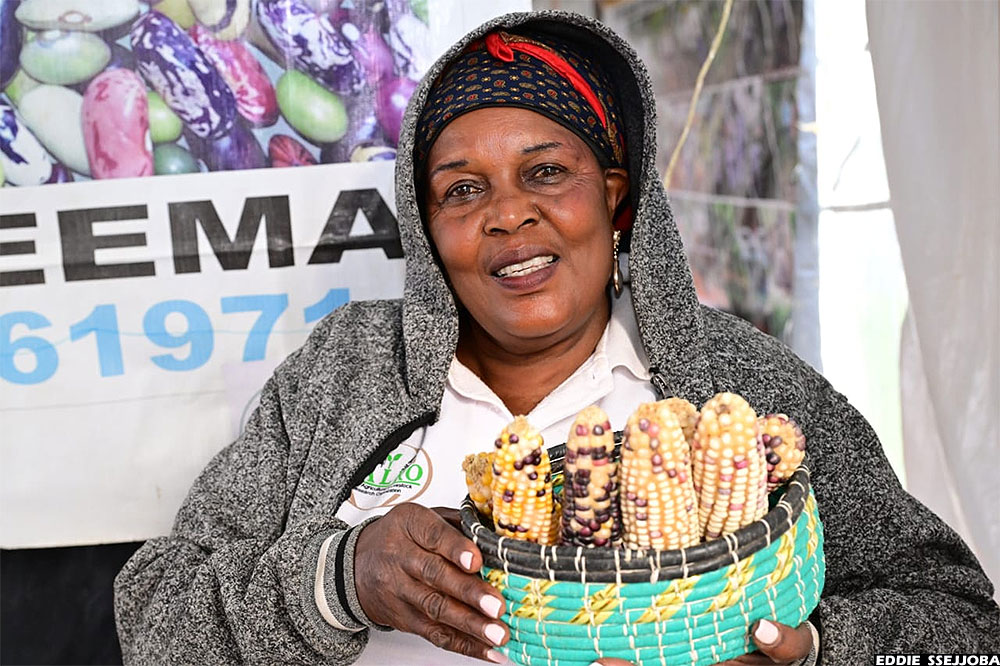
In addition, Mugisha does value addition on many of her agricultural products like millet. She now grows, processes and produces millet flour for food or karo, for porridge and as a fresh drink called Jafado drink. She supplies most of her processed products in various supermarkets in Kampala.
In 2016, Mugisha was nominated as the best farmer representing western Uganda and together with a team of others from different parts of the country traveled to Netherlands. From that trip, she started a seed bank at her farm in Sheema. She was later hired to train other farmers and help them to start seed banks. She travelled to Kenya and several regions in Uganda where she trained farmers.
Some of the places where she started seed banks include Kabale, Nakaseke, and Nakasongola. She also started a training centre where she continues to teach groups and schools how to grow bananas and other crops for maximum yields. She has also hosted farmers from other countries that come to learn skills. Most of her crops give maximum yields.
______________________________
10:02 AM
Reporting by Richard Ategeka:
Farmers seeking to turn rabbit rearing into a profitable enterprise have been urged to prioritise proper management, feeding and disease control to maximise returns at the ongoing 10th Harvest Money Expo at Kololo Ceremonial Grounds.
On the opening day, Denis Walugembe, the operations manager at Kaif Rabbitry, emphasised that farm management is the backbone of profitability in commercial rabbit farming.
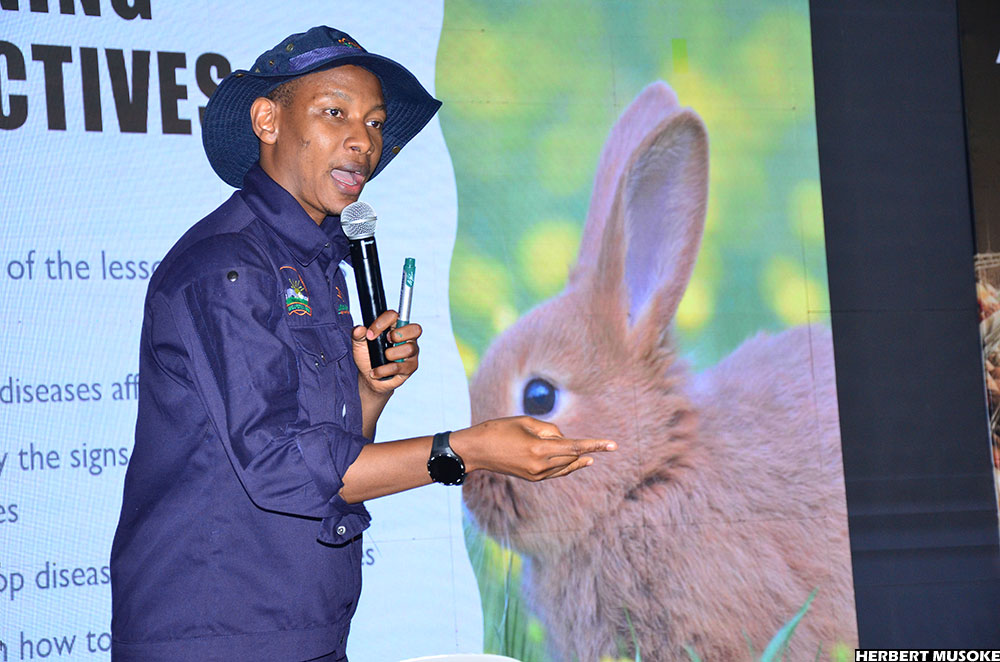
“Farm management plays a crucial role in profit-making and you must keep proper records of your business,” he said and cautioned farmers against inbreeding and advised them to clearly define their production goals before selecting breeds.
“Know the breed you want and for what purpose, whether for commercial meat production, manure or home consumption.”
Walugembe warned against overbreeding; that mating rabbits every month can be harmful. “It leads to deaths, miscarriages, some rabbits eating their young ones and others permanently stopping production after a short time. Give them time to rest before breeding again."
______________________________
9:38 AM
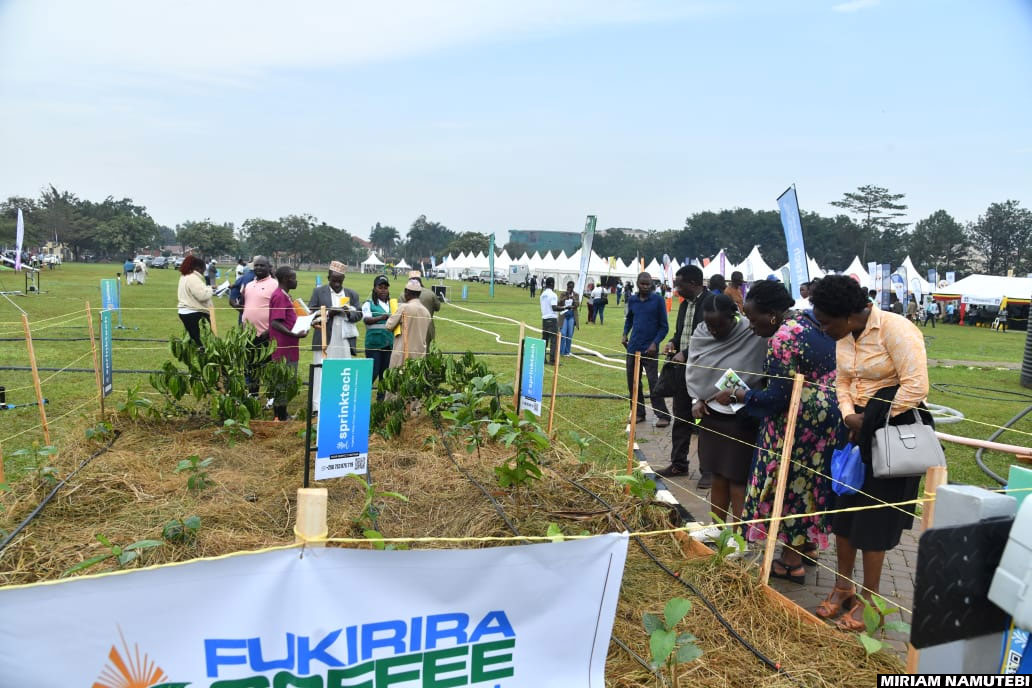
Another day of learning and networking is upon us.
______________________________
9:23 AM
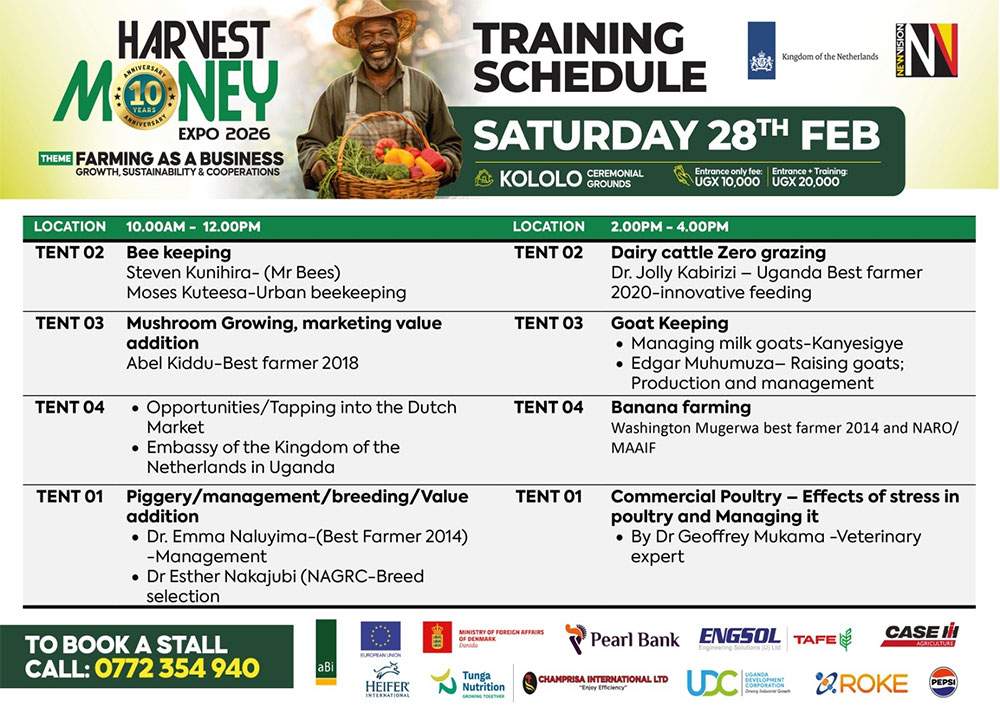
📝 Saturday training sessions
There are various trainings on each day of the expo. Saturday's sessions will feature:
▪️ Bee keeping
▪️ Mushroom growing and marketing value addition
▪️Opportunities/Tapping into the Dutch market
▪️Piggery
▪️Dairy cattle zero grazing
▪️Goat keeping
▪️Banana farming
▪️Commercial poultry
______________________________
9:00 AM
DAY TWO BEGINS
Good morning everyone. We are back at Kololo Ceremonial Grounds on this sunless Saturday morning in Uganda's capital Kampala for the second day of the Harvest Money Expo, which got under way on Friday.