
Gulu City orders fresh probe into livestock beneficiary list amid fraud claims
Four verification teams are scheduled to begin operations on May 4, starting in Bardege-Layibi Division before proceeding to Laroo-Pece.
Local council (LC1) chairpersons in Gulu City are under scrutiny following allegations that they selectively registered their family members, relatives, and close associates as beneficiaries of the government’s livestock restocking program. (Credit: Christopher Nyeko)
GULU - The Gulu City Executive Committee has instituted a special verification exercise targeting 667 beneficiaries listed for the first phase of the government’s livestock restocking program, following widespread reports of irregularities and abuse of the selection process.
The decision, reached during a meeting on April 28, 2026, establishes a multi-sectoral verification committee composed of area councillors, security personnel, and the city veterinary officer.
The teams will work alongside local leaders in all 32 wards to scrutinise the beneficiary lists.
Four verification teams are scheduled to begin operations on May 4, starting in Bardege-Layibi Division before proceeding to Laroo-Pece.
John Charles Luwar, the Gulu City Planner and program focal person say the exercise is intended to restore transparency and give community members an opportunity to publicly identify ineligible beneficiaries.
Irregularities trigger action
The move follows a report by the City Technical Committee on livestock restocking, which flagged multiple breaches of program guidelines in the submitted lists.
Among the concerns raised were cases of multiple beneficiaries drawn from the same household and alleged favouritism by some Local Council One (LC1) chairpersons.
While addressing local leaders at the Gulu City Health Boardroom on April 30, Luwar cited several instances of suspected malpractice across different cells.
In some areas, LC1 leaders were accused of listing themselves, close relatives, or multiple members of their households as beneficiaries—contrary to program guidelines.
The verification exercise, officials say, will ensure that only deserving individuals benefit, particularly vulnerable groups such as the elderly, persons with disabilities, widows, widowers, former abductees, and unemployed youth.
Program scope
Gulu City has received UGX 3.3 billion under the first phase of the program, targeting 667 households across 32 wards, with each ward expected to nominate 21 beneficiaries.
The livestock restocking program is a presidential initiative designed to support war-affected communities in Northern Uganda. Each beneficiary is entitled to UGX 5 million to purchase five heads of cattle—three heifers and two oxen—to rebuild livelihoods.
Nationally, the government has allocated UGX 86 billion for the 2025/2026 financial year.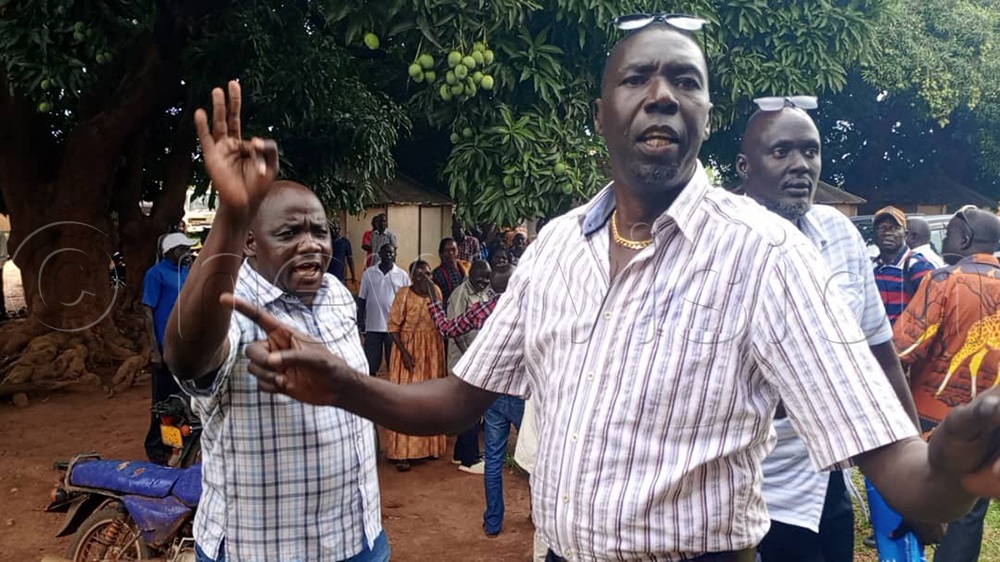
Outcry in Gulu as LC1 Chairpersons allegedly favour relatives in government’s livestock restocking program. (Credit: Christopher Nyeko)
Resistance from LC1 leaders
Despite the intervention, the verification plan has faced resistance from LC1 chairpersons, who argue that the process risks undermining their authority and damaging community trust, especially ahead of upcoming local council elections.
Led by Alex Okoya Odongo, the Chairperson of all the LC1s in Gulu City, the LC1 officials instead proposed fresh registration exercises in areas where discrepancies were identified, with tighter supervision by security agencies.
Jimmy Ociti, the LC1 chairperson of Lokung cell in Laroo-Pece division in Gulu city, urged the city to limit verification efforts to only affected areas rather than conducting a blanket review.
In response, city authorities softened their stance. Luwar announced that beneficiary lists will be publicly displayed on notice boards to allow residents to raise objections before final approval.
Forgery probe eases
Meanwhile, police in Gulu have indicated they may drop investigations into alleged forged payment acknowledgement forms that had sparked public concern.
The District Police Commander of Gulu Central Police Station, Joseph Karugaba, confirmed that investigators recovered several forged documents but described the matter as involving “minor errors,” noting that calm has since returned to the community.
The controversy emerged after reports that some residents had signed forms confirming receipt of UGX 5 million via mobile money for livestock purchases—despite not receiving any funds.
Kilak South MP Gilbert Olanya, who raised the complaint earlier in April, welcomed the intervention by the Resident City Commissioner in banning the disputed forms.
He has called for a public apology to restore confidence in the program.
Transparency under scrutiny
The identification of beneficiaries was originally intended to be conducted through community barazas led by town agents, with oversight from parish development committees, including LC1 and LC2 leaders.
However, in many areas, the process was reportedly left solely in the hands of LC1 chairpersons—raising concerns about accountability.
With verification now underway and public scrutiny intensifying, the success of the restocking program may depend on how effectively authorities address the credibility gaps and restore public trust.