
Govt urged to invest in inclusive training, jobs for female refugees with disabilities
“Many of the women we work with are survivors of violence and trauma,” said Chiley Zelo Kapalakasa, founder of Refugee Together for Social Transformation (RTST), a refugee-led organisation based in Kampala.
“Refugee women with disabilities experience triple discrimination as refugees, as women and as persons with disabilities. Without targeted investment, they remain among the most marginalised groups,” Kapalakasa said.
The Government has been urged to increase investment in inclusive vocational training and employment opportunities for refugee women and girls with disabilities.
Advocates warn that thousands remain excluded from education, jobs and social services despite Uganda’s progressive refugee policies.
The call issued on Women’s Day (March 8, 2026) celebrations comes as organisations working with displaced communities in Kampala city say refugee women with disabilities face multiple barriers, including stigma, poverty, limited mobility and lack of access to education or decent work.
“Many of the women we work with are survivors of violence and trauma,” said Chiley Zelo Kapalakasa, founder of Refugee Together for Social Transformation (RTST), a refugee-led organisation based in Kampala.
“They face poverty, stigma and restricted access to opportunities. Our goal is to ensure they are not defined by these barriers.”
Uganda hosts over 1.9 million refugees and asylum seekers, the largest population on the African continent and is widely praised for its progressive refugee policies, which allow refugees to work, move freely and access public services.
While the open-door policy remains a global model, the country's response is currently facing a critical juncture due to unprecedented funding shortfalls and a continuous influx of new arrivals.
Kapalakasa said they have supported over 500 women and girls with disabilities from countries including the Democratic Republic of Congo, Somalia, South Sudan, Sudan, Burundi, Eritrea and Ethiopia, as well as vulnerable Ugandan women.
He said education and vocational training programs are vital but remain too small to meet the needs of the growing number of displaced women with disabilities living in urban areas.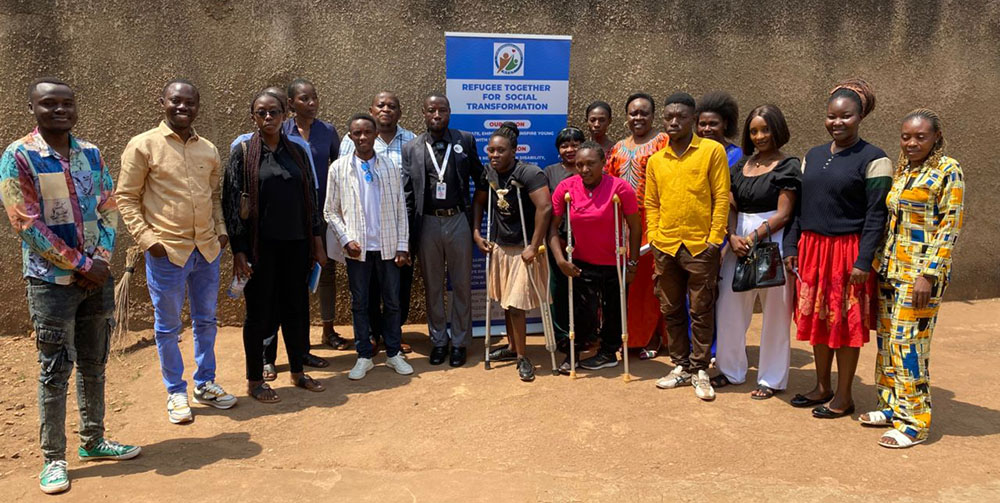
Aadvocates said people with disabilities often struggle to benefit from these policies due to systemic barriers, including inaccessible training centres, limited specialised support and persistent discrimination.
Systematic barriers
However, advocates said people with disabilities often struggle to benefit from these policies due to systemic barriers, including inaccessible training centres, limited specialised support and persistent discrimination.
“Refugee women with disabilities experience triple discrimination as refugees, as women and as persons with disabilities. Without targeted investment, they remain among the most marginalised groups,” he said.
Kapalakasa called on the government, development partners and the private sector to expand inclusive vocational training centres, promote inclusive hiring practices and provide workplace accommodations that allow women with disabilities to participate fully in the labour market.
Advocates also urged authorities to provide seed funding and market linkages for refugee-led businesses so that women who complete training program can start their own enterprises.
Many of the organisations working with these women operate with minimal funding and rely on community-driven contributions from members and beneficiaries to sustain their activities.
Despite these challenges, advocates said empowering refugee women with disabilities can have far-reaching benefits.
“When women with disabilities gain access to dignified work, the impact goes beyond individual livelihoods. It strengthens household incomes, improves the well-being of children and contributes to the local economy,” Kapalakasa said.
Advocates said sustained government investment and stronger partnerships with refugee-led organisations are needed to ensure that refugee women with disabilities are not left behind in Uganda’s development and humanitarian response.