
Ggaba murder suspect pleads not guilty to all four charges — what else do we know?
The High Court learnt that both sets of legal teams — prosecution and defence — had agreed on the contents of the postmortem reports.
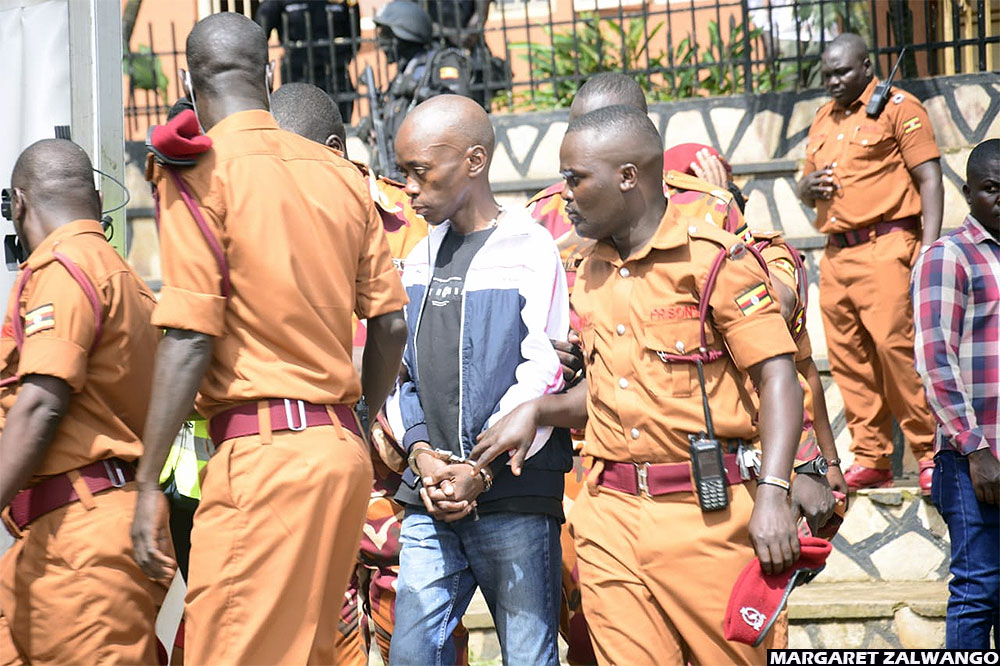
A handcuffed murder suspect Christopher Okello Onyum arrives for a special High Court community session in Ggaba, Kampala on April 13, 2026. (Credit: Margaret Zalwango)
___________________________
GGABA PRE-SCHOOL MURDER TRIAL
The suspect in the murder of four toddlers at a daycare facility in Ggaba, Kampala on Monday (April 13) pleaded not guilty to all four counts of murder during a special public High Court session conducted not far from the crime scene.
Christopher Okello Onyum, the accused in the April 2, 2026 daytime murders at Ggaba Early Childhood Centre, appeared calm as each of the four charges was read out to him by High Court judge Alice Komuhangi Khaukha.
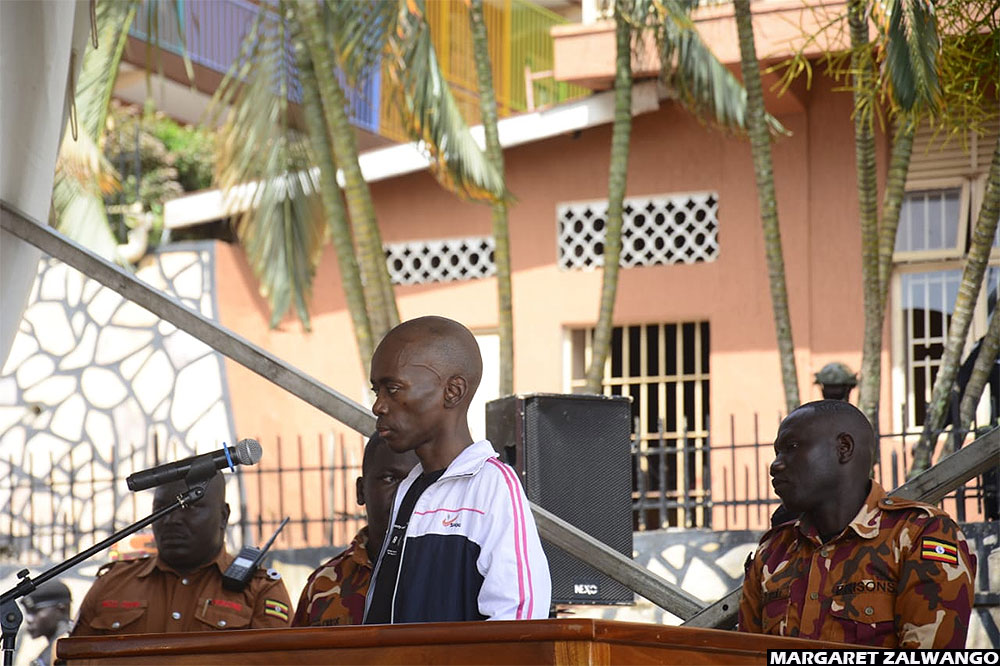
Wearing a tracksuit jacket over a black T-shirt and jeans behind a portable dock, he pleaded not guilty to each count.
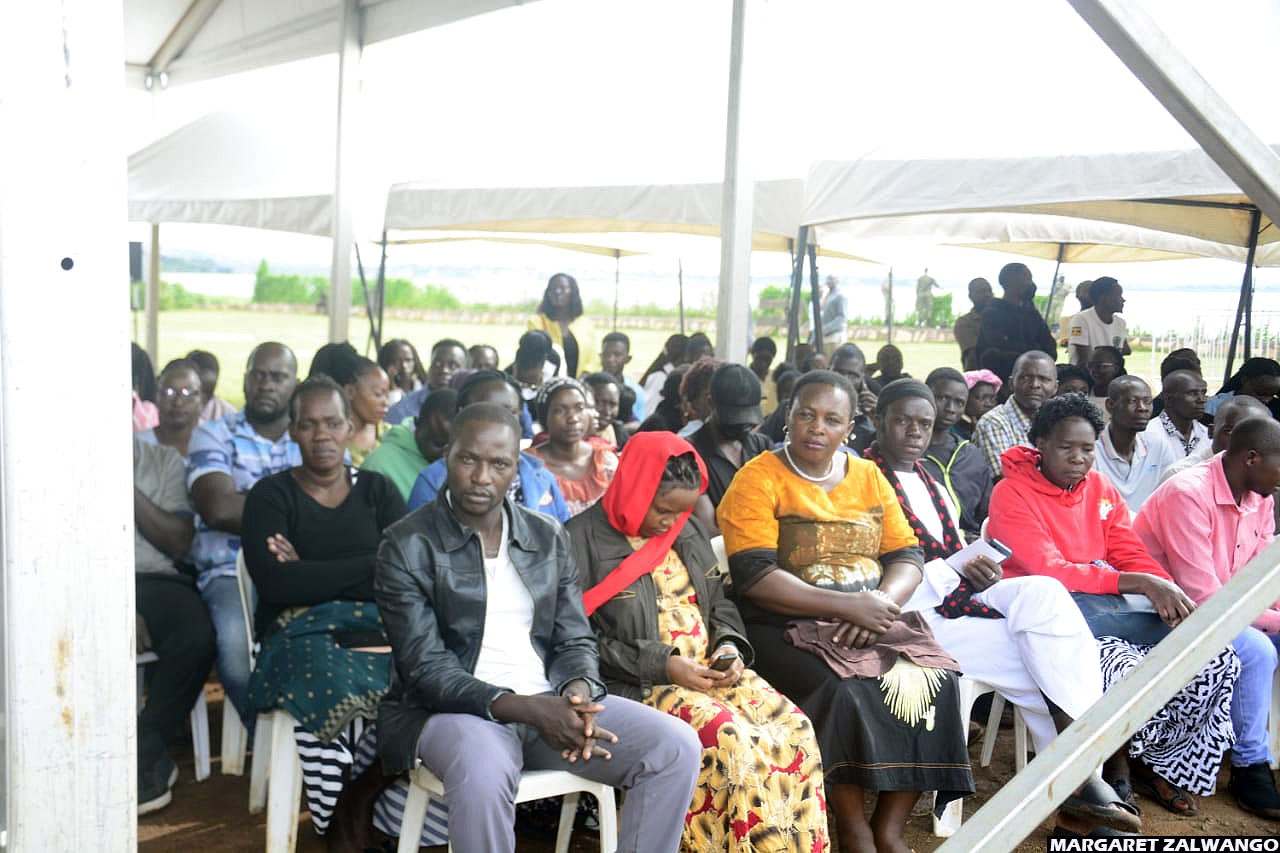
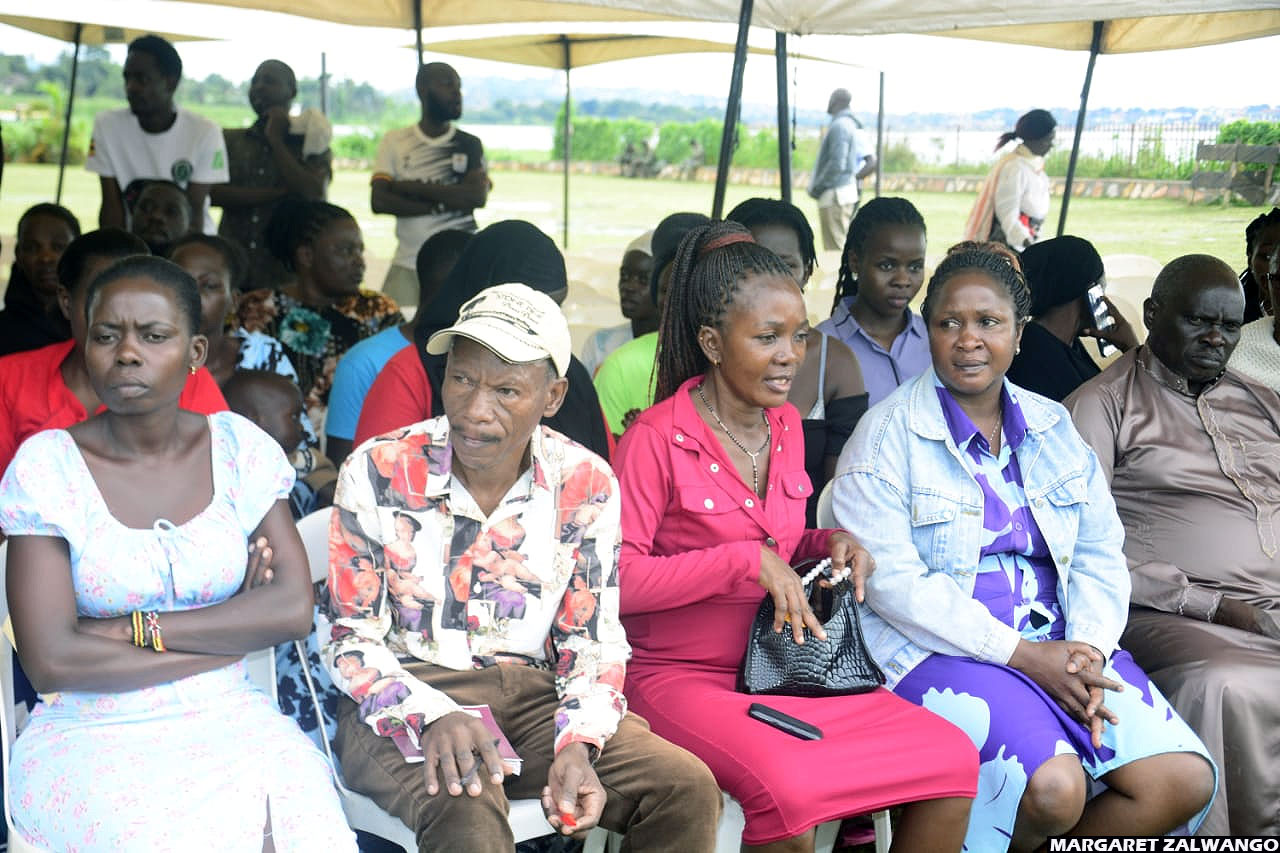
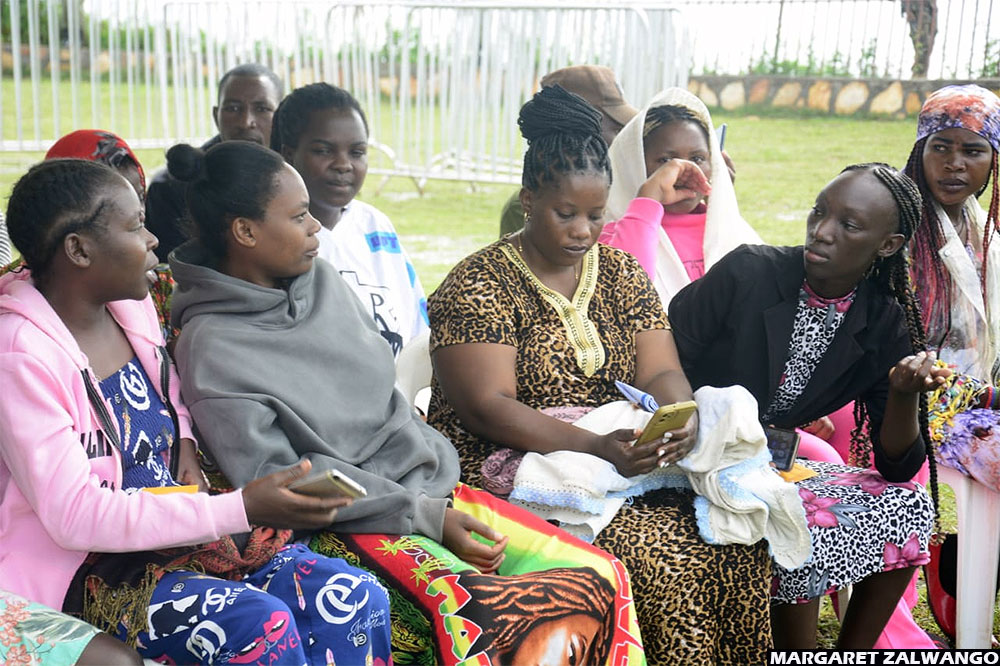
He had been brought in under tight security as members of the community, including the families of the slain children, sat quietly under tents awaiting the start of the session on a warm Monday morning in Uganda's capital.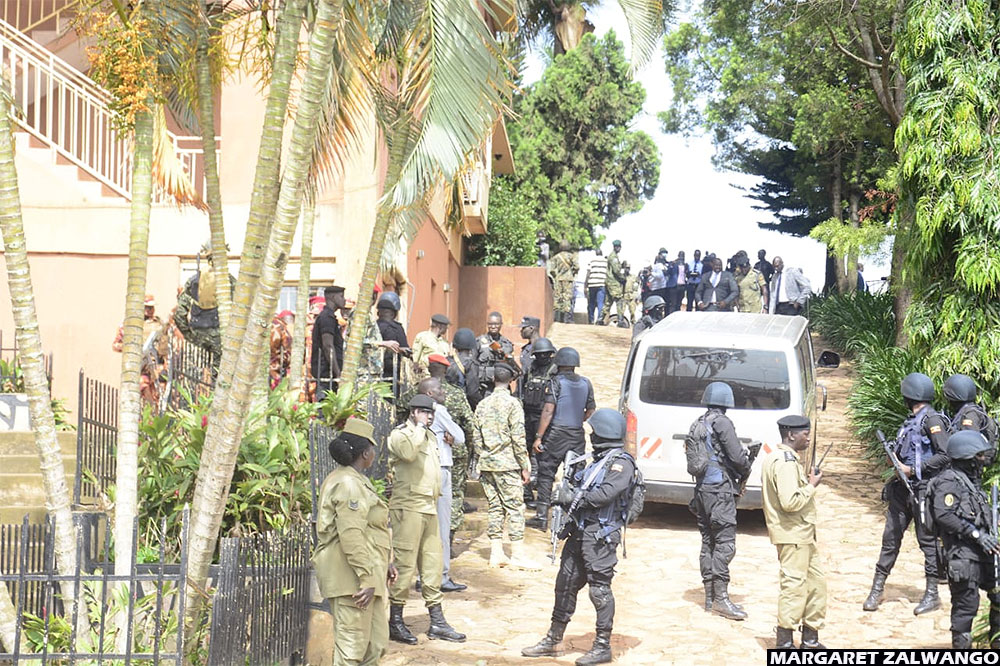
After reading the charges to Onyum, the judge then invited the prosecution team to read out its first set of evidence that was in form of the facts from the four postmortem reports — all conducted by Dr Abdul Katongole at the City Mortuary, Mulago on April 2, the same day of the gruesome murders.
The court learnt that both sets of legal teams — prosecution and defence — had agreed on the contents of the postmortem reports. That meant that prosecution witness (Dr Katongole) would not have to be called in physically.
The judge asked the accused whether his lawyers had discussed with him the contents of the postmortem reports, to which he responded in the affirmative.
Chief State Attorney Anna Kiiza read out the details of the postmortem reports for the four toddlers, one by one. Each report was signed by Dr Katongole and bore a stamp by KCCA City Mortuary Police.
During the session, the accused was allowed to take a sit in front of the dock after standing through the initial periods of the session. He was seen taking sips of bottled water.
The postmortem reports were entered as prosecution evidence numbered one to four. Here they are:
_______________________________
Prosecution Evidence Number 1:
GIDEON ETEKU
Evidence of trauma: A 14cm-long open wound on the right side of the neck, located at 66cm from the right and the nape of the neck. This wound was longer than it was deeper. It was characterized by smooth edge, regular margins, no bridging fibres, marginal contusion (bruise) of underlying soft tissues. The wound was deep, transecting through the oesophagus, trachea, internal jugular vein, vagus nerve, cut fructures of C6 vertebra. However, the spinal cord, cricoid cartilage, hyoid bone, and common carotid artery was intact. The airway was clogged with frothy blood.
Cause of death: Hypovolemic shock due to deep-cut injuries to the neck.
_______________________________
Prosecution Evidence Number 2:
KEISHA AGENORWOTH
A female juvenile of pre-school age. Her body was found cold, pale and had primary flaccidity. She had 12 teeth and her jaw was intact.
Evidence of trauma: There was a 9cm-long open wound on the right side of the neck at 67cm from the right and 1cm from the anterior midline. This wound was longer than it was deeper. It was characterised by smooth edges, regular margins, but there were no marginal contusions nor bridging fibres. The wound was deep, transecting through the skin and the large neck muscles, the trachea, oesophagus, major neck vessels and nerves. There were cut fractures of the C5 vertebra, rapture of the intervertebral disc and transection of the spinal cord. The pathologist concluded that the findings were consistent with deep cut wounds.
Cause of death: Hypovolemic shock.
_______________________________
Prosecution Evidence Number 3:
IGNATIUS SSERUYANGE
A male juveline of pre-school age. His body was cold, pale and with primary flaccidity.
Evidence of trauma: The body had a 14cm-long open wound on the right side of the neck, which was longer than it was deep. The wound was located at 69cm from the right and 4cm from the anterior midline. The wound was characterised by smooth edges and regular margins. The wound extended to the back of the neck in a horizontal plane. It was deep, transecting through the skin sascia and underlying neck muscles, injuring the internal jugular vein, vagus nerve and branches of the subclavian artery and vertebral artery in the neck. The doctor found that the above findings were consistent with deep-cut injuries. He also found that there was another 4cm-long cut wound located on the right submandibular region at just 3cm above the deep cut wound described above. This wound was only superficial, involving the skin and the superficial scafia.
Cause of death: Hypovolemic shock following deep cut injuries to the neck.
Prosecution Evidence Number 4:
RYAN ODEKE
A male juvenile of pre-school age. His body was cold and pale.
Evidence of trauma: There was a 9cm long deep cut wound, located on the right side of the neck in an oblique fashion, stretching from the anterior midline. This wound was found to be longer than it was deep. The wound was characterized by smooth edges, regular margins, no marginal contusion nor branching fibres. It was a deep-cut wound dissecting through the underlying neck muscles, neck vessels, trachea, oesophagus, cut fractures of C4 vertebra and transection of the spinal cord.
Cause of death: Hypovolemic shock following deep cut injuries to the right side of the neck.
__________________________
The court assessors
Meanwhile, Judge Komuhangi briefed the three court assessors on the prosecution evidence presented on the day in the form of the postmortem reports.
The assessors are laypeople, with no professional legal experience, who advise judges in High Court criminal trials, particularly in serious matters. They are required to attend all court proceedings, evaluate evidence, and provide an opinion on the guilt or innocence of the accused, representing community perspective.
The judge reminded them that when giving their advice to court, they will have to rely on only the evidence they have heard in court and nowhere else.
The assessors are:
▪️John Musana, a 41-year-old Catholic and resident of Nansana West II B and a businessman dealing in poultry farming.
▪️Maria Teopista, a 29-year-old Catholic who resides in Masajja, Wakiso district. She runs a phone accessories shop and a mobile money agent in Masajja Kibira Zone.
▪️Rachael Ainomugisha, a 37-year-old Anglican and resident of Bukoto I in Nakawa West. She is a businesswoman running a retail shop in Mulimira Zone, Bukoto One.
____________________________