
Fuel shortage paralyses Kamwenge
With only two stations, the situation has led to long queues, rationing, and increasing frustration among motorists. Public transport operators say they are making losses on most routes, with some parking their vehicles altogether.
In Kamwenge district, a deepening fuel crisis is crippling transport and business, with businesses, motorists and boda boda riders scrambling for what remains. (Photo by Hillary Abinsinguza)
__________________
In Kamwenge district, a deepening fuel crisis is crippling transport and business, with businesses, motorists and boda boda riders scrambling for what remains to stay afloat.
The situation has turned dire. Most fuel stations have run dry, leaving only about two operational stations serving the entire Kamwenge town council.
With only two stations, the situation has led to long queues, rationing, and increasing frustration among motorists. Public transport operators say they are making losses on most routes, with some parking their vehicles altogether.
“I have spent five hours in the line and only got five litres,” a frustrated taxi driver in Kamwenge town council said, adding that “At this rate, we cannot work.”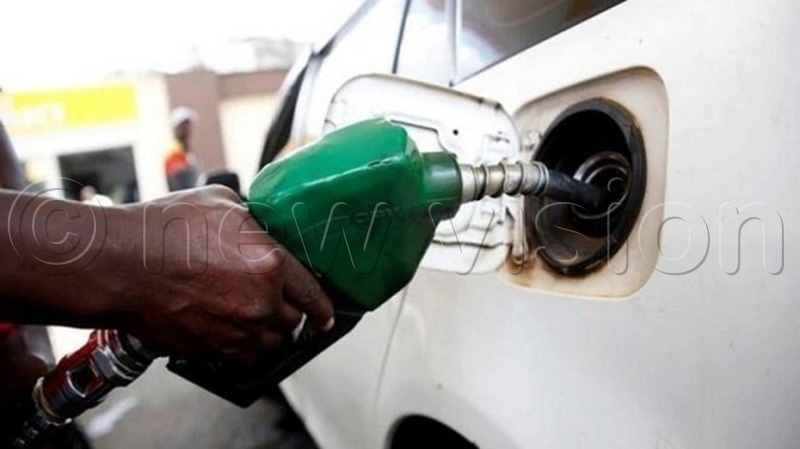
In Kamwenge district, prices have spiked to as high as shillings 6,100 per litre for petrol, far above the national average. (Photo by Hillary Abinsinguza)
The crisis looks different, but it is no less painful in other parts of the district. While fuel is still available, prices have spiked to as high as shillings 6,100 per litre for petrol, far above the national average.
Boda boda riders, who form the backbone of local transport, say the surge is wiping out their daily earnings.
“We used to spend sh10,000 on fuel daily. Now it’s sh18,000 for the same work,” said Sunday Josephat, a boda boda rider in Kamwenge town.
The fuel crunch has also impacted schools, markets and health services. Traders district-wide report rising commodity prices as transport costs are passed to consumers. Farmers also fear produce will rot as trucks fail to reach rural areas.
District leaders have appealed to the Ministry of Energy and Mineral Development for urgent intervention. They want supply lines stabilised and are asking the government to investigate possible hoarding and price gouging.
The crisis comes amid broader fuel supply concerns affecting several upcountry districts. Energy officials had not issued a formal statement by press time.
For now, residents in Kamwenge are bracing for tougher days ahead as pumps run dry and prices climb.