
News
First Lady urges youth to reject election violence
Speaking at the inaugural Bakhaana Bamasaaba (Elgon region) Prayer Rally held at Kololo Independence Grounds on Friday, Mrs Museveni said Uganda’s future rests largely in the hands of young people, who now constitute the majority of the population.
First Lady urges youth to reject election violence
By: Sarah Nabakooza, Journalists @New Vision
__________________
First Lady and Minister of Education and Sports Janet Kataaha Museveni, on Friday, December 19, 2025, urged the youth to reject political manipulation and violence as the country heads into the 2026 general elections.
She called on them to place God, peace and national interest above divisive politics.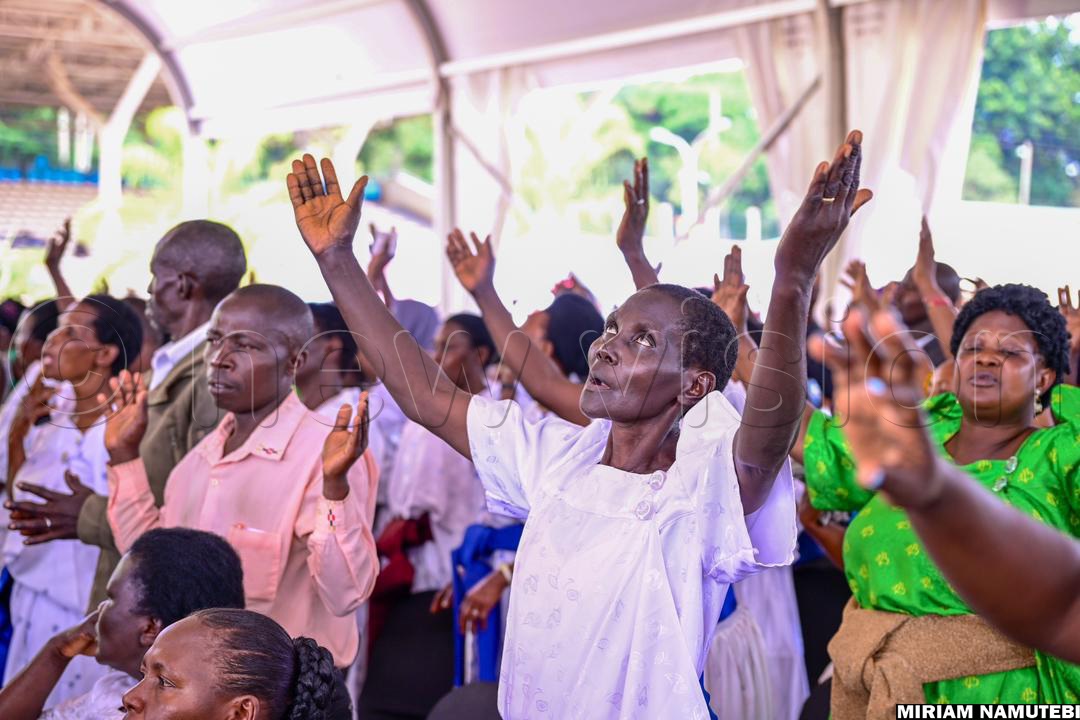
Speaking at the inaugural Bakhaana Bamasaaba (Elgon region) Prayer Rally held at Kololo Independence Grounds on Friday, Mrs Museveni said Uganda’s future rests largely in the hands of young people, who now constitute the majority of the population. She warned that their numerical strength makes them both a powerful asset and a vulnerable target during election seasons.
Mrs Museveni noted that Uganda has the second youngest population in the world, with over 78% of citizens below the age of 35, a figure projected to double within the next 25 years.
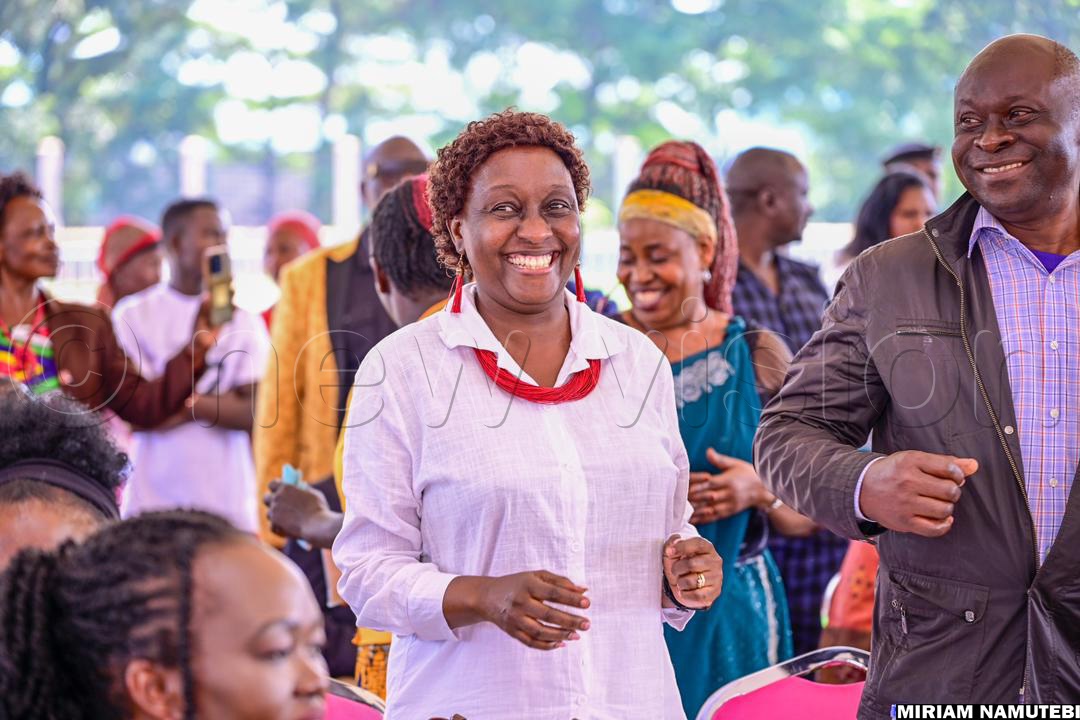
She said this demographic reality places a heavy responsibility on leaders, parents and communities to intentionally nurture, mentor and prepare young people for leadership and responsible citizenship.
“The younger generation now makes up the vast majority of our population. Consequently, we the older generation should be racing against the clock to nurture, mentor and equip them to take on leadership roles in every sphere of our society,” she said.
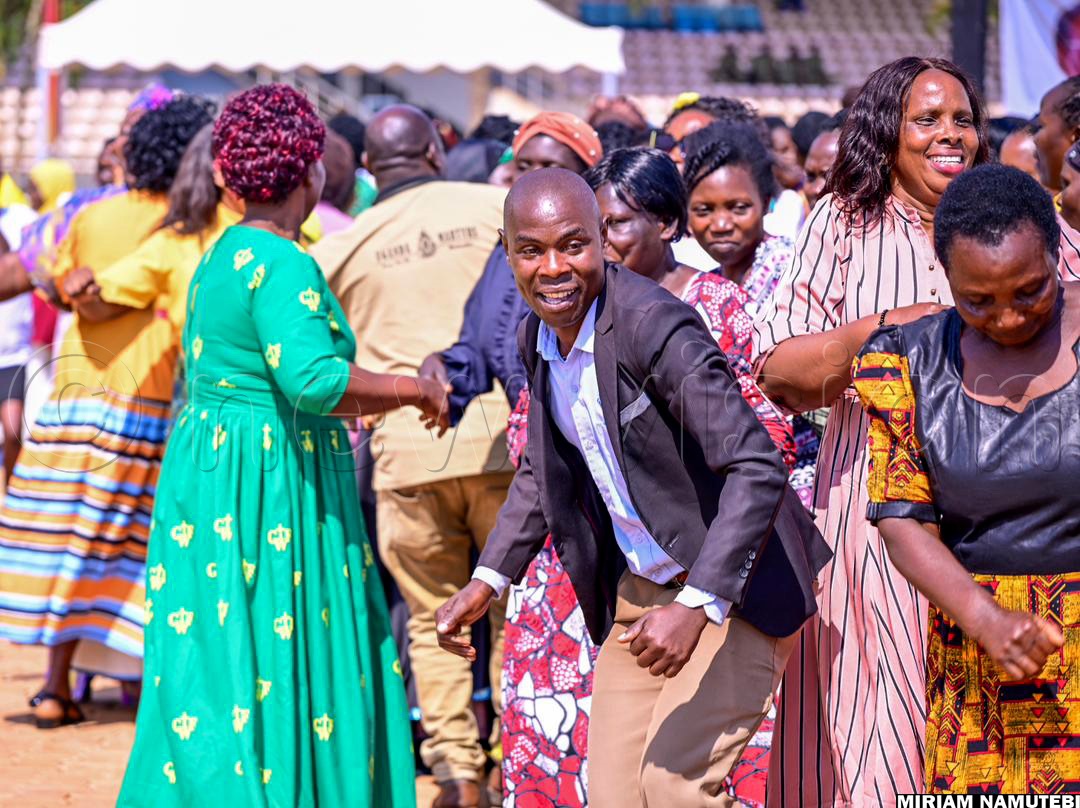
However, the First Lady expressed concern that many Ugandans underestimate the role young people play in fulfilling God’s purpose for the nation, leaving them exposed to destructive influences, particularly in an era dominated by digital technology.
She warned that unrestricted access to information through the internet and mobile platforms has exposed young people to both positive and negative content, often without consistent moral guidance and values-based support systems.
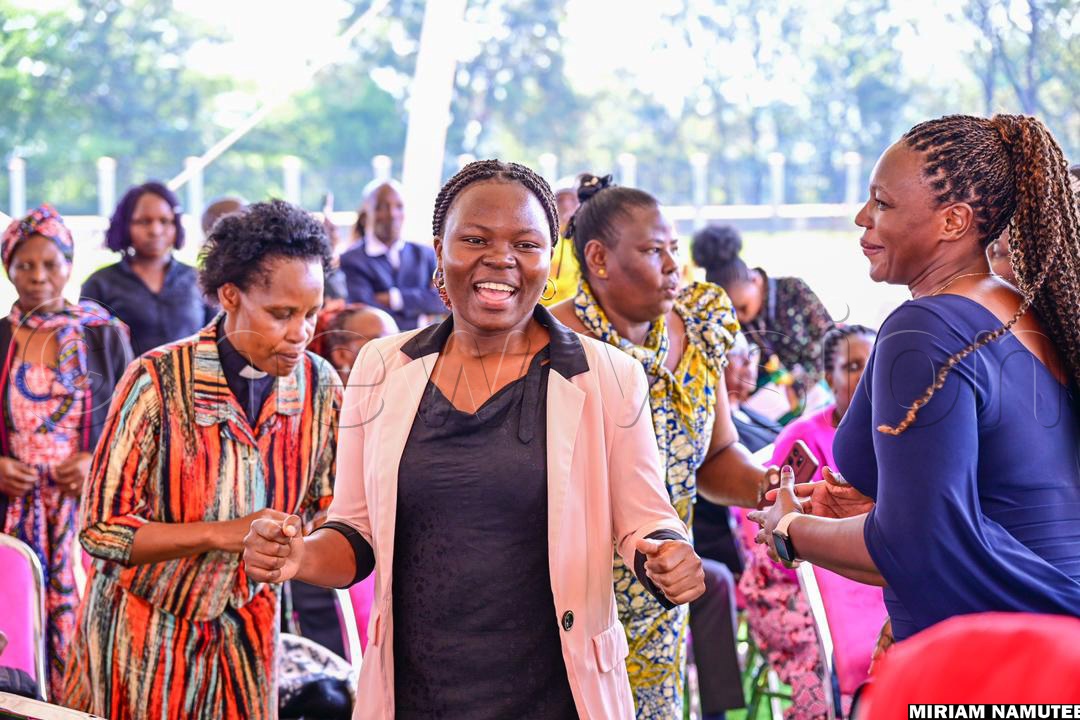
Mrs Museveni said these challenges worsen during political campaigns when self-seeking actors exploit young people’s frustrations and energy to undermine electoral laws and incite violence.
“Unfortunately, this is the time when self-seeking politicians, with negative messages, manipulate our young population,” she said, adding that prayer rallies such as the Bamasaaba gathering provide a powerful platform to speak to the nation beyond politics and human rhetoric.
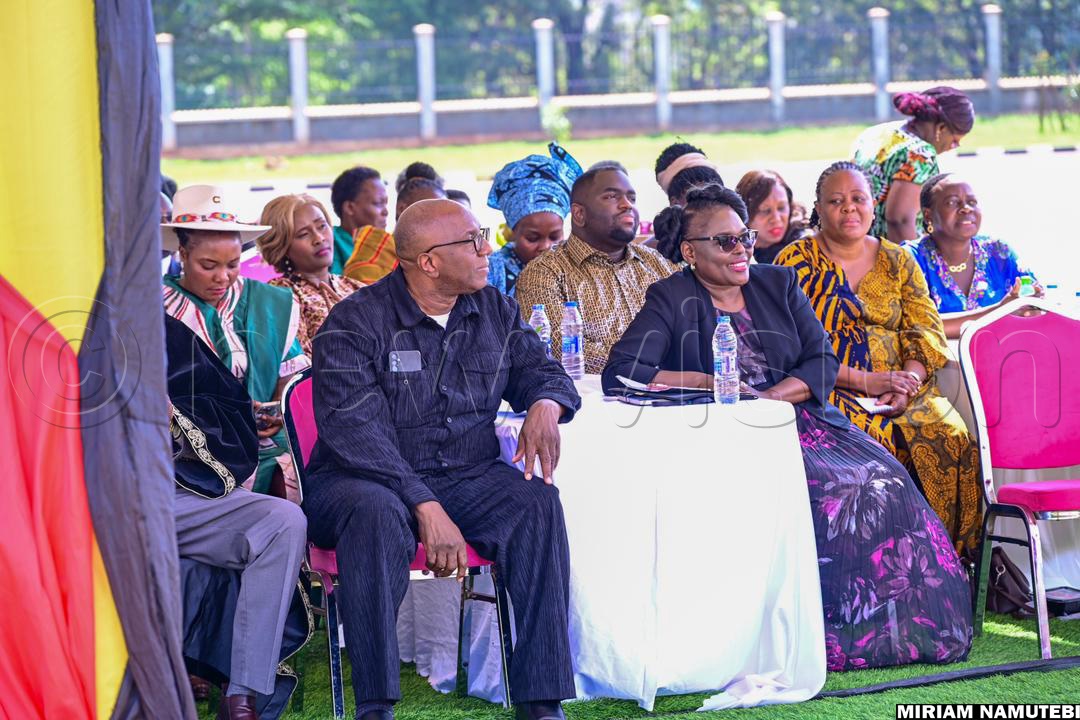
With Uganda heading to the polls on January 15, 2026, the First Lady appealed to citizens, particularly cultural and religious leaders, civil society and local government actors, to become advocates of peace and unity, urging Ugandans to reject politics that promote hatred and violence.
Mrs Museveni reminded them that Uganda is the only country they will ever call home and urged them to protect its interests, noting that destroying infrastructure through riots and demonstrations ultimately harms ordinary citizens and communities.
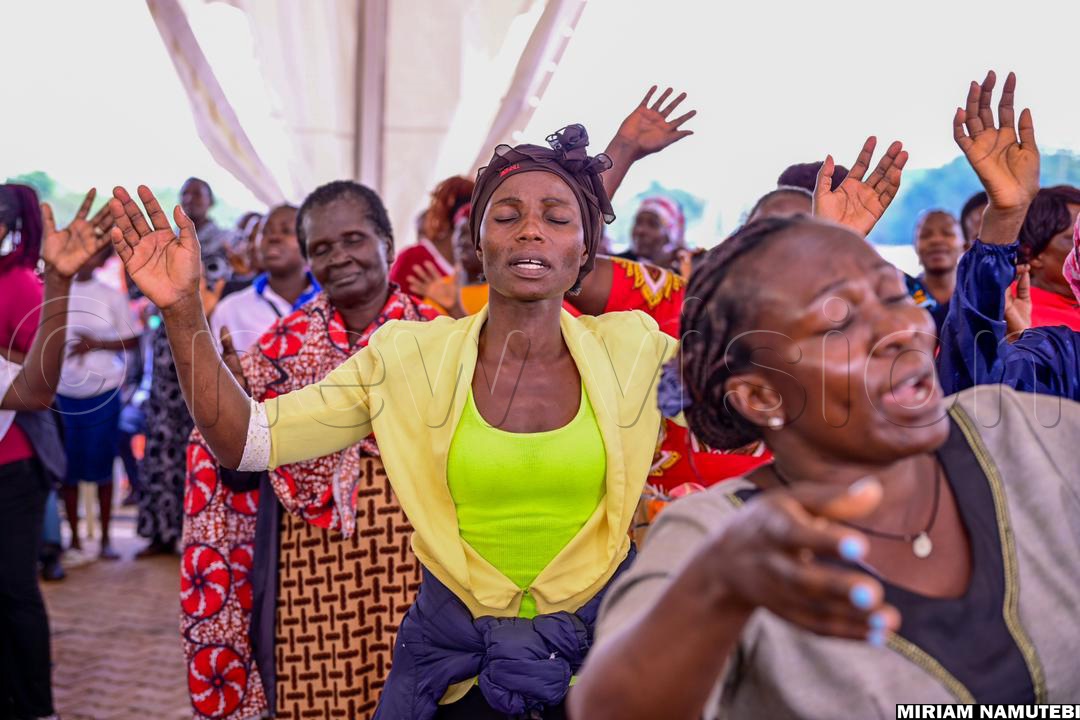
She cautioned youth against being used as tools for political agendas, encouraging them to question the motives of those who incite violence and to consider who benefits from chaos. She further challenged them to participate meaningfully in the electoral process by voting and encouraging their peers to do the same.
“Your voice matters, and your vote counts. Your future is too important to be hijacked by those who sow division and violence,” she said.
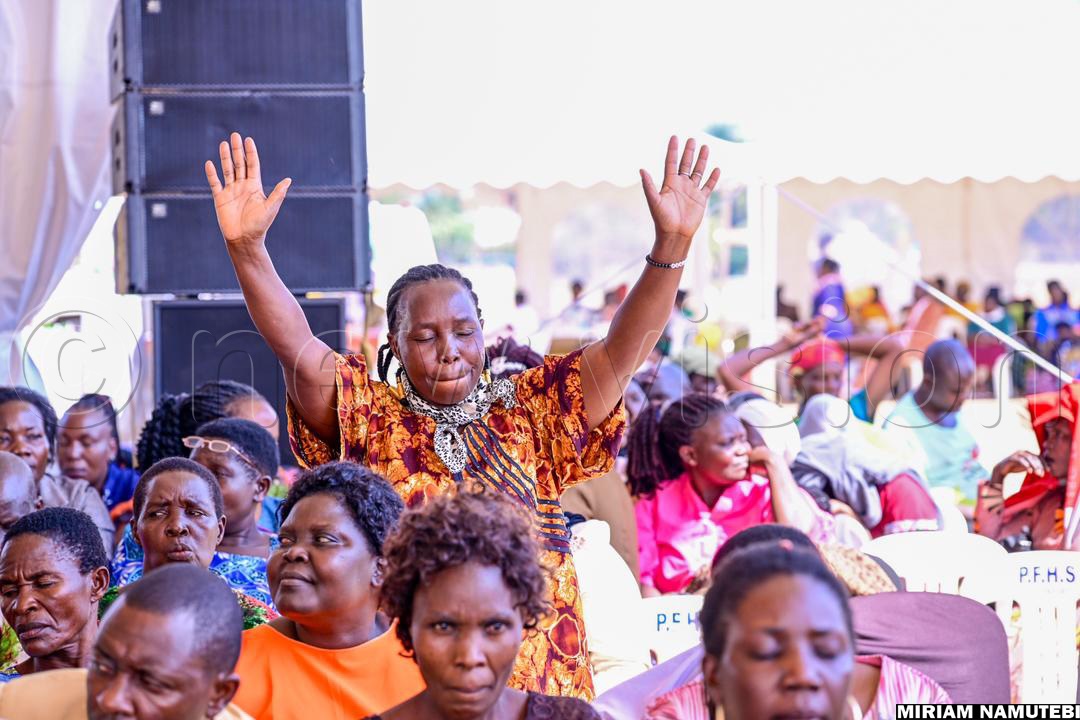
Drawing from the biblical book of Nehemiah, Mrs Museveni framed the prayer rally around the theme of healing, reconciliation and rebuilding communities, saying Uganda stands at a critical moment after enjoying decades of peace and stability following years of political turmoil.
She said the nation faces moral and governance challenges, including corruption, which she described as an “Acquired Integrity Deficiency Syndrome,” as well as nepotism, tribalism and social divisions that threaten national cohesion.
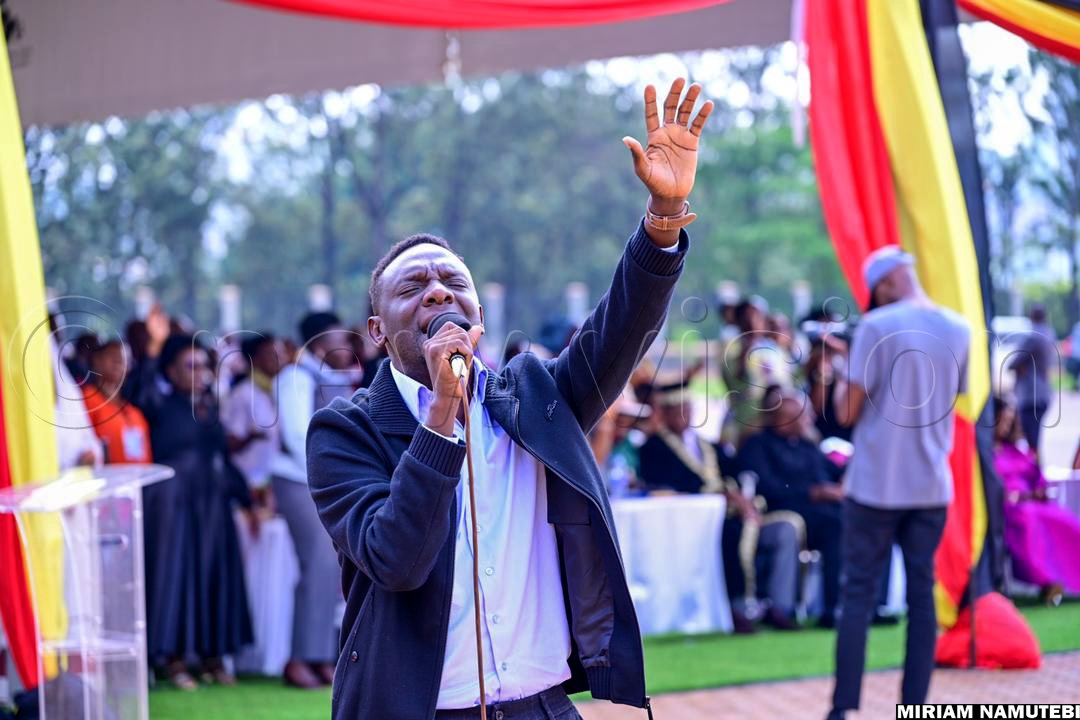
“These are the broken areas of our nation’s walls that we must take collective responsibility for, repent and begin the work of rebuilding,” she said, calling on Ugandans to promote accountability and transparency while working with the government to confront corruption.
Beyond governance, the First Lady pointed to social brokenness affecting young people, including mental health struggles, substance abuse and moral decay, intensified by pressures of the digital age.
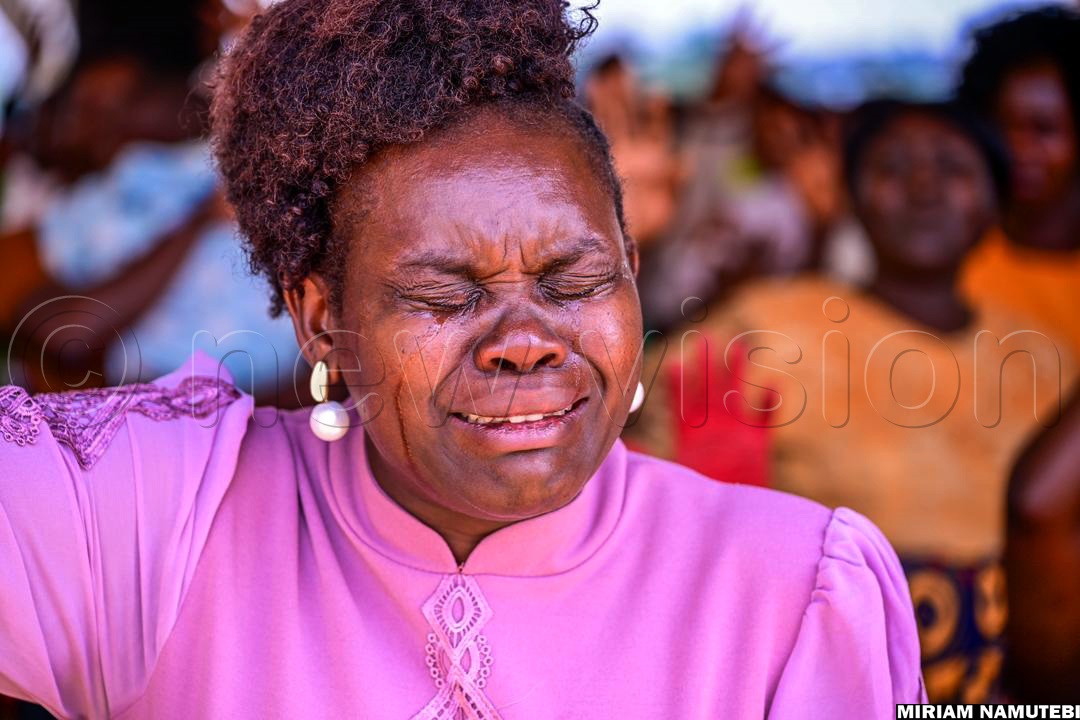
She commended the Bakhaana Bamasaaba Association for mobilising prayer as a starting point for national renewal, urging communities across the country to remain united in safeguarding peace and stability.
As she officially launched the association, Mrs Museveni called on Ugandans to embrace prayer as a unifying force, stressing that a nation that prays together stands a better chance of building a future founded on peace, righteousness and shared purpose.
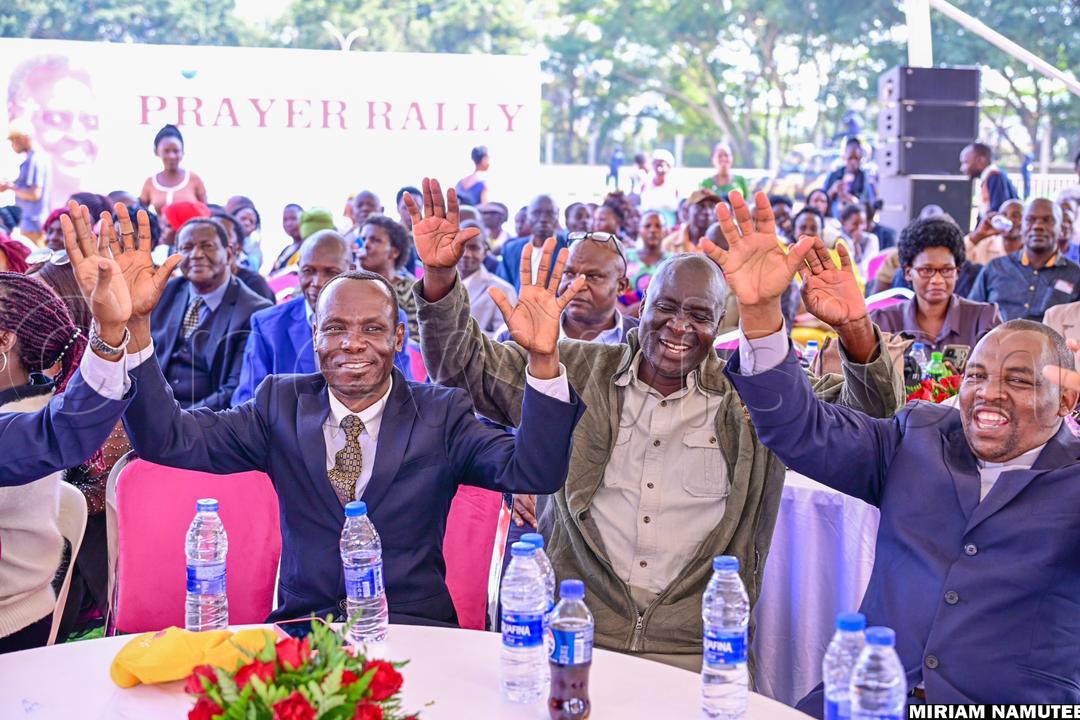
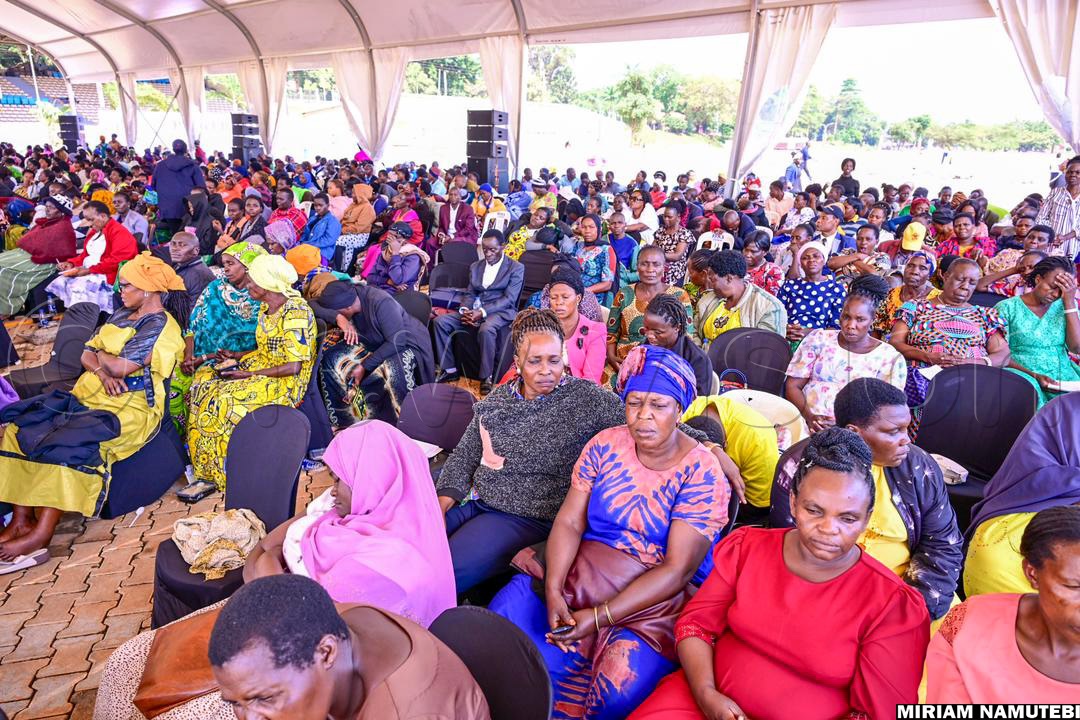
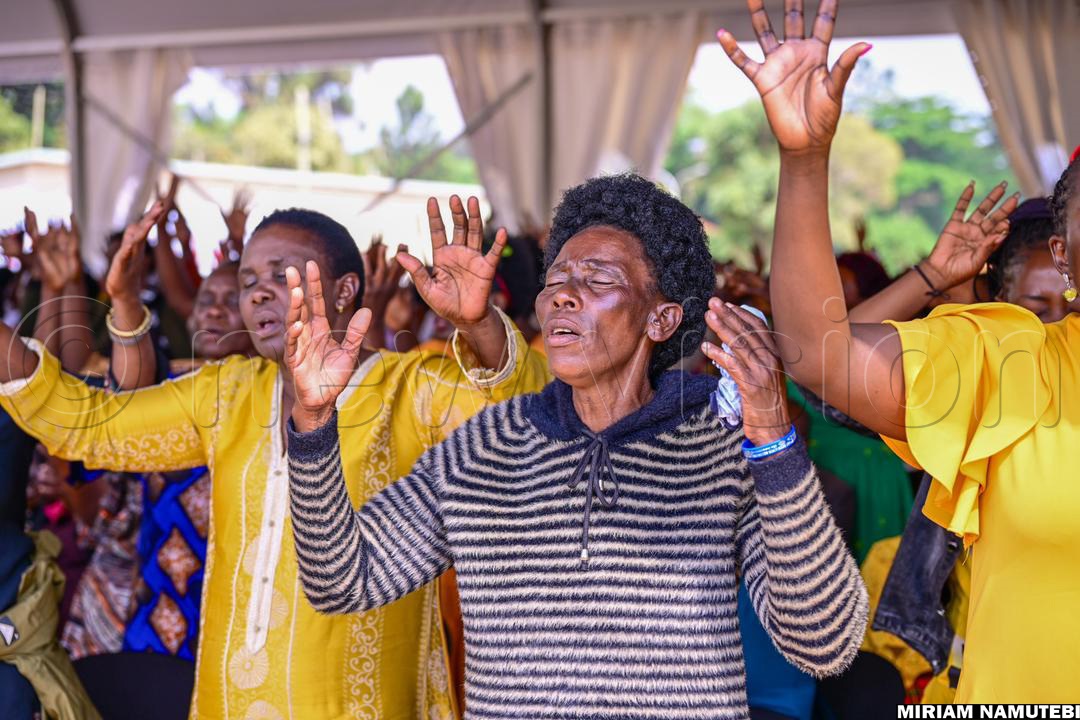
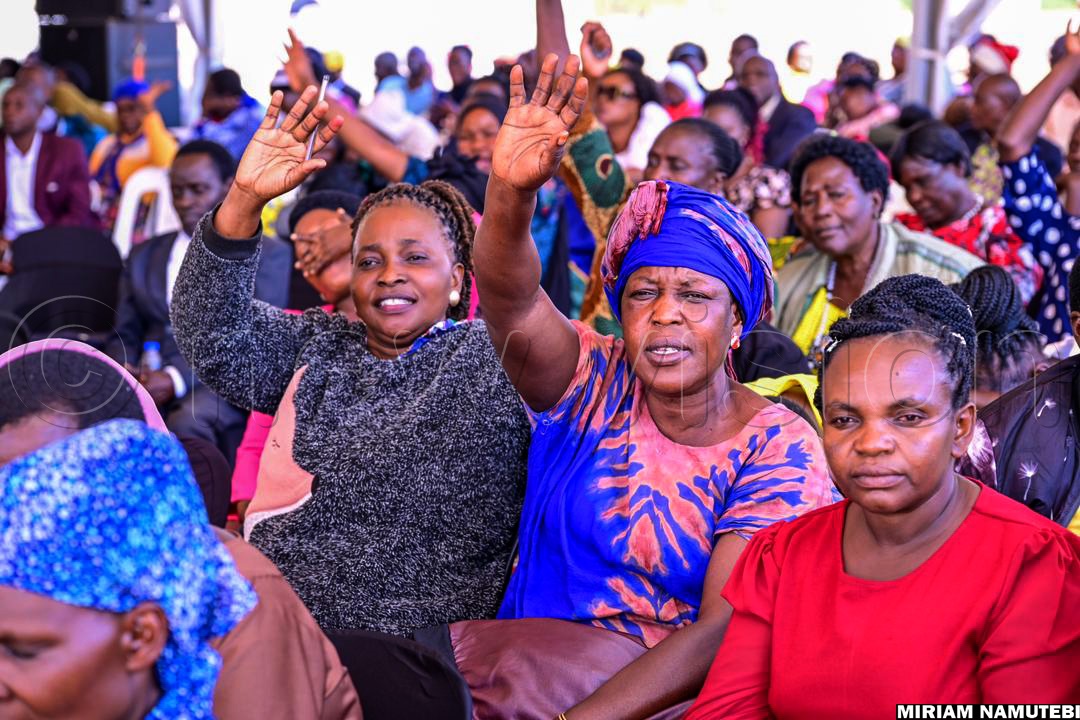
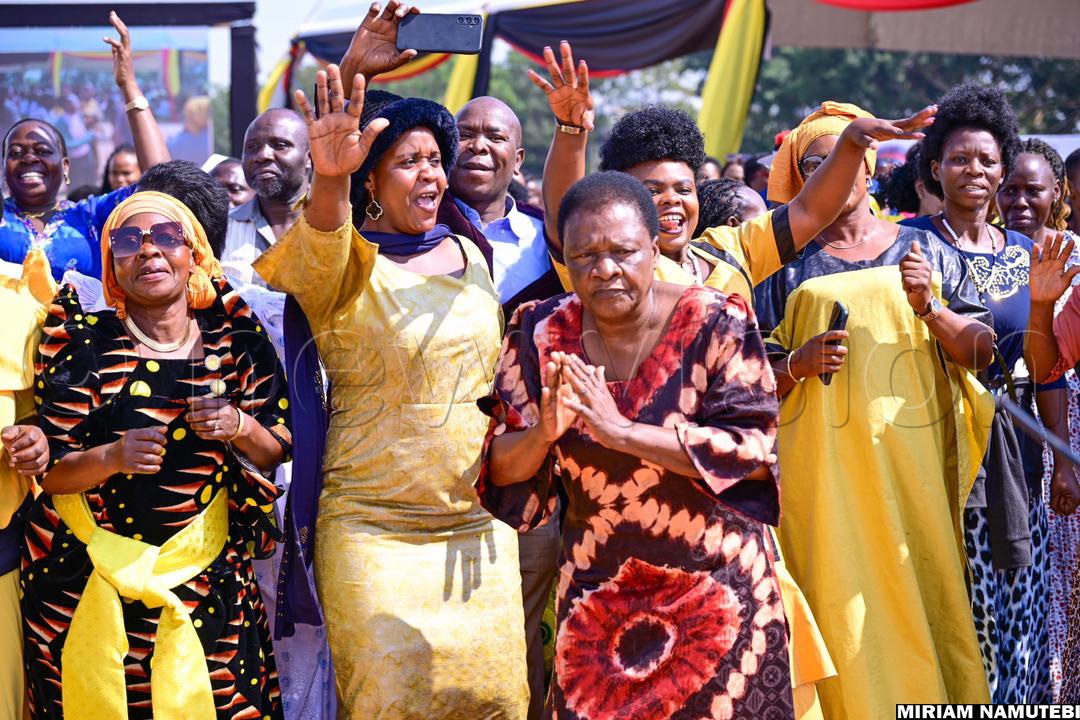
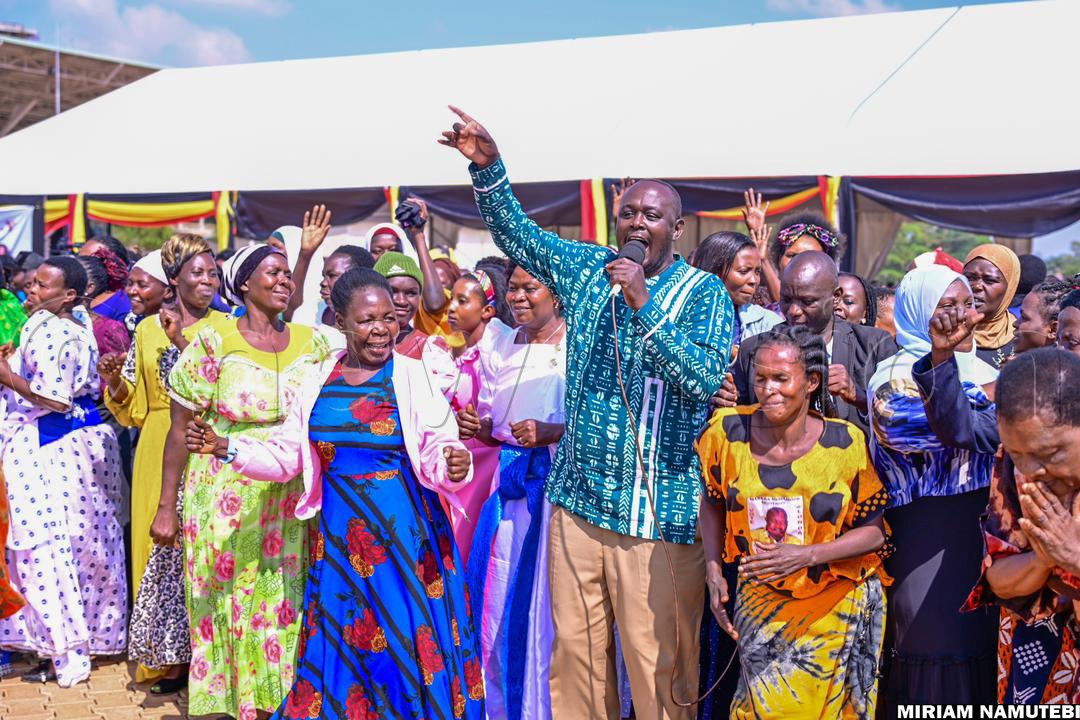
The prayer rally drew participants from across the Bugisu sub-region, including Mbale City and the districts of Mbale, Sironko, Manafwa, Bududa, Bulambuli and Namisindwa.
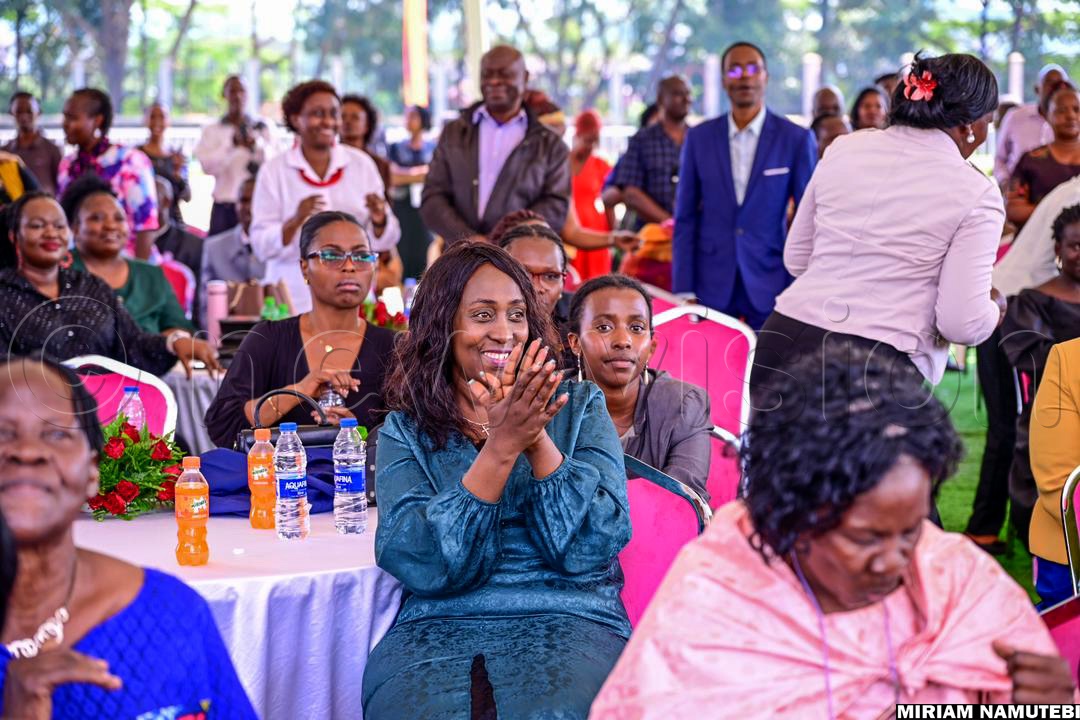
It brought together women leaders, youth representatives and male champions under the Bakhaana BaMasaaba Association, alongside religious leaders from different Christian denominations, cultural leaders from Inzu Ya Masaaba/Bugisu, district and local government officials, educationists, civil society actors, women’s organisations and development partners.
The founding President of the Bakhaana BaMasaaba Association (BBA), Irene Muwanguzi Wasike, said prayer must be matched with deliberate community action to address deep-rooted social and development challenges in the region.
“Communities cannot heal when children cannot read, when girls are robbed of their childhood, and when mothers carry burdens that break their spirit,” Wasike said, adding that prayer “is not a last resort, but the foundation on which transformation stands.”
She said the association was formed to mobilise women as agents of healing, reconciliation and rebuilding, anchored in faith and cultural pride. “Rebuilding is a collective assignment,” she said, noting that the group seeks to mentor girls, challenge harmful norms and restore hope in struggling communities.
The Convenor of Bakhaana BaMasaaba, Lady Justice Catherine Bamugemereire, said faith-based community spaces are critical in helping young people process emotional pain without resorting to violence or self-harm.
“It is a legitimate practice to teach our children how to express and manage their emotions. We do not have to tell our youth to hide their emotions,” she said, adding that sadness and anger should be taken to God in prayer.
Bamugemereire said the association, now with more than 400 women members and male champions, continues to intercede for families, clans and communities, expressing hope that prayer and repentance will lead to national healing and the rebuilding of broken foundations.