
News
Final touches at Kololo grounds for Museveni’s swearing-in ceremony
Security agencies, including the Uganda Police Force and Special Forces Command, briefed organisers on strict access control measures, warning that late arrivals would be denied entry once screening ends.
Final touches at Kololo grounds for Museveni’s swearing-in ceremony
By: Mary Karugaba, Journalist @New Vision
________________
With just hours to go before Uganda’s high-profile inauguration, officials overseeing preparations for the swearing-in ceremony of President Yoweri Museveni for his seventh term spent most of the day at Kololo Ceremonial Grounds, working against the clock to ensure everything is ready for Tuesday's function.
At the heart of the preparations, committee leaders held a tense final coordination meeting where urgency dominated the tone, with organisers openly acknowledging that some critical infrastructure was still incomplete.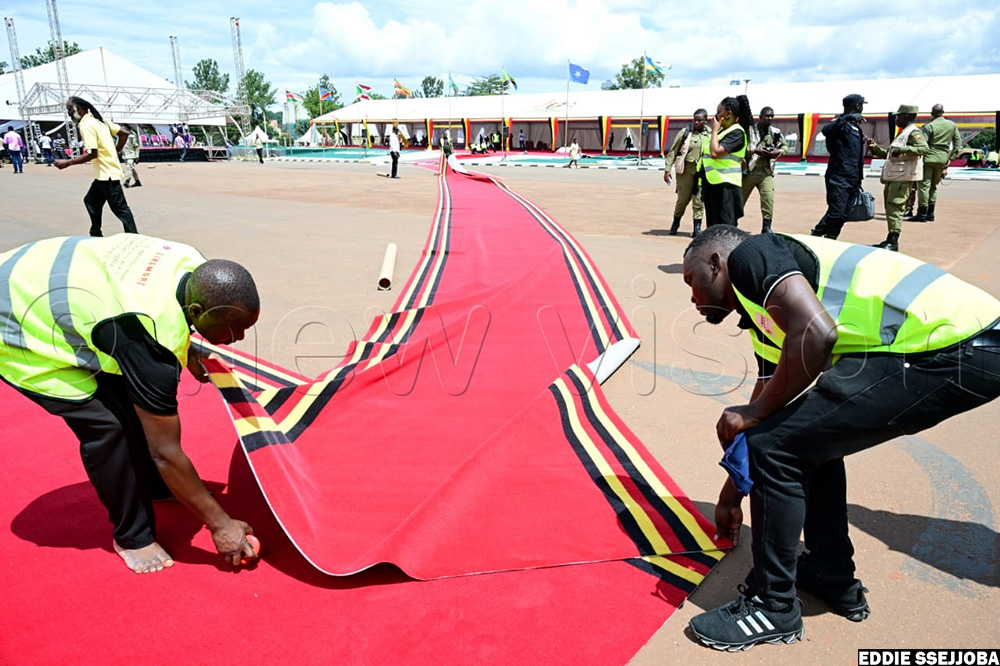
“The function is tomorrow morning. We are now at midday. So how many hours are left before daybreak vis-à-vis the activities that are not yet completed?” Head of Public Service Lucy Nakyobe asked, pressing teams to abandon prolonged meetings and return immediately to site work.
Receiving reports from heads of subcommittees, Nakyobe cautioned against what she called “wasting time in meetings” and directed that only unresolved issues be reported.
“I wanted this meeting to be the shortest possible so we can all go back and finish what is not yet completed,” she said.
Tents, seating and decoration behind schedule
Among the most urgent concerns raised were incomplete tent installations and decoration works. Organisers admitted that the main ceremonial tent had not yet been fully erected, prompting calls for accelerated construction.
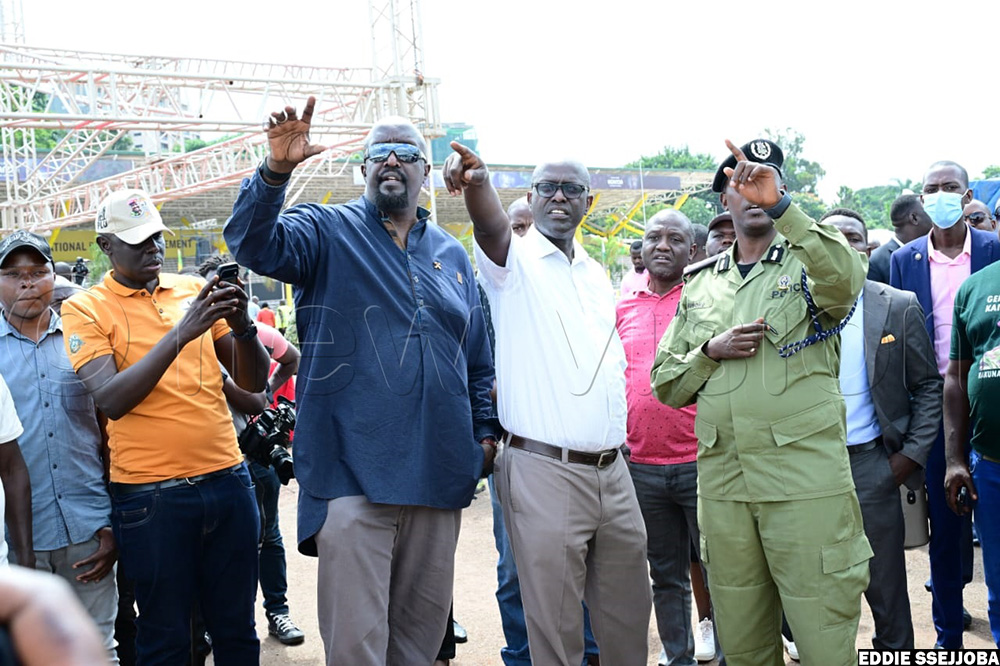
“The seating and decoration teams need to put in a lot of effort. The tents are not yet up. Even the main tent for the function is not yet ready,” Nakyobe warned.
Construction teams were given a tight deadline to complete structural works, with engineers assuring officials that major installations would be ready by late afternoon.
“We are in the final stages of raising the new tents and trusses. By 5:30 p.m., that work will be done,” a technical officer reported.
Decoration teams, including private event contractors and government-linked suppliers, were also instructed to ensure that carpets, floral arrangements and stage aesthetics meet the expected standards of a regional and international event.
Seating capacity and crowd control concerns
Attention also turned to seating arrangements, with officials emphasising the need for precise counting rather than estimates.
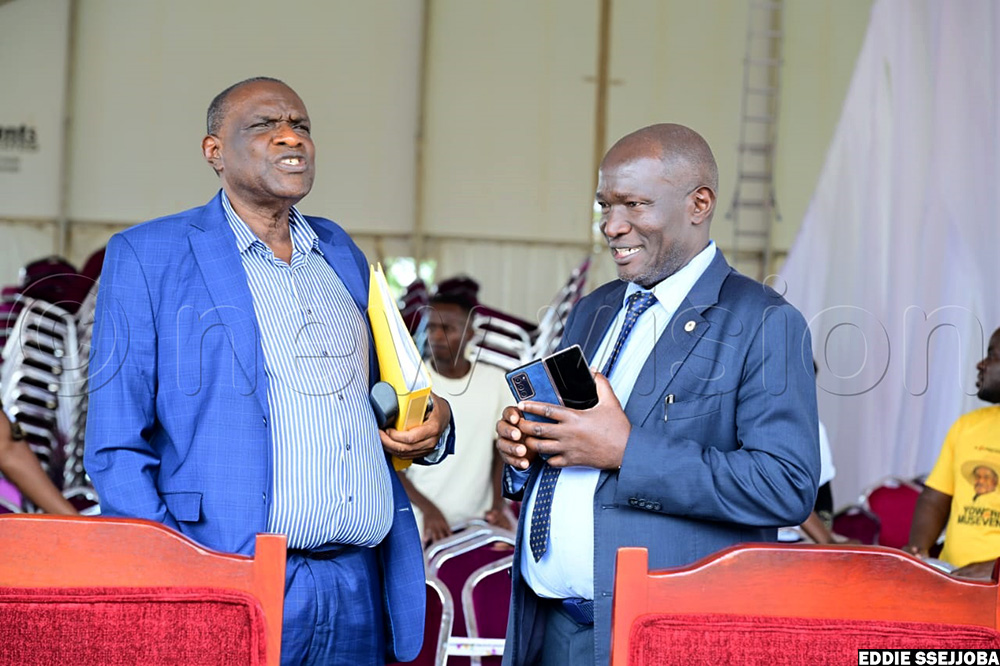
“In this tent, we have 1,500 seats. In the other one, we shall have 2,000, making a total of 3,500. Do not estimate, count physically,” a coordinator insisted, warning that miscalculations could result in guests standing during the ceremony.
Organisers also confirmed strict invitation controls, noting that VIP seating allocations had already been exhausted.
“We do not want a situation like 2021 where people were legally invited but had no seats,” one official said.
Transport, security and accreditation tightened
The transport subcommittee reported readiness of shuttle services, with more than 40 coordinated movements planned to ferry dignitaries, delegations and staff.
Security agencies, including the Uganda Police Force and Special Forces Command, briefed organisers on strict access control measures, warning that late arrivals would be denied entry once screening ends.
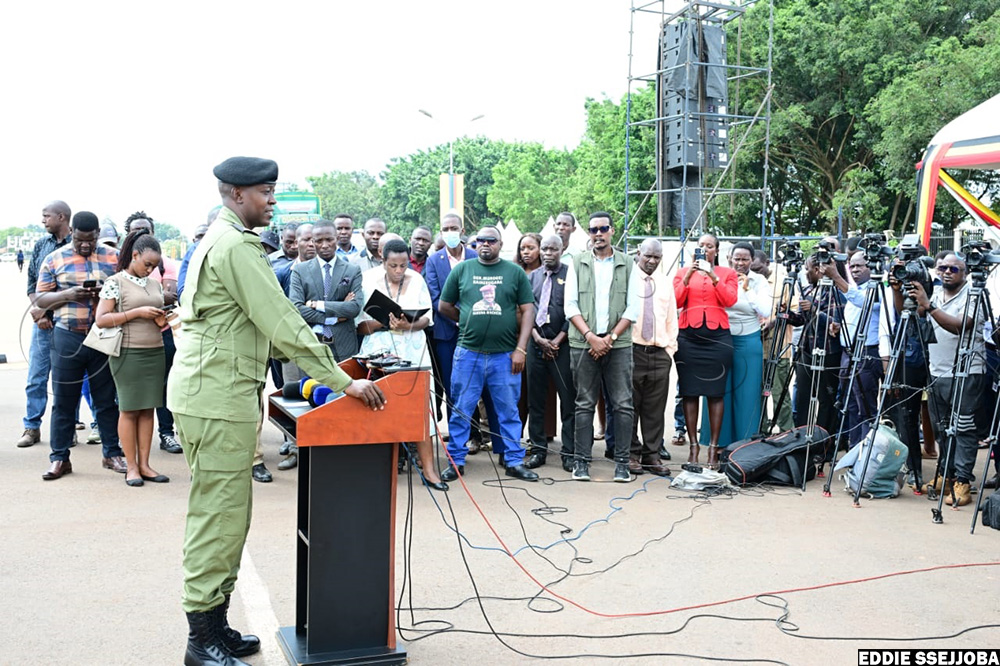
“You must arrive by 7:00 a.m. Check-in will close by 8:30 a.m. After that, access will be restricted,” Major Denis Omara of the Special Forces Command said.
Journalists were also cautioned against attempting to access restricted zones, especially the presidential and VVIP tents.
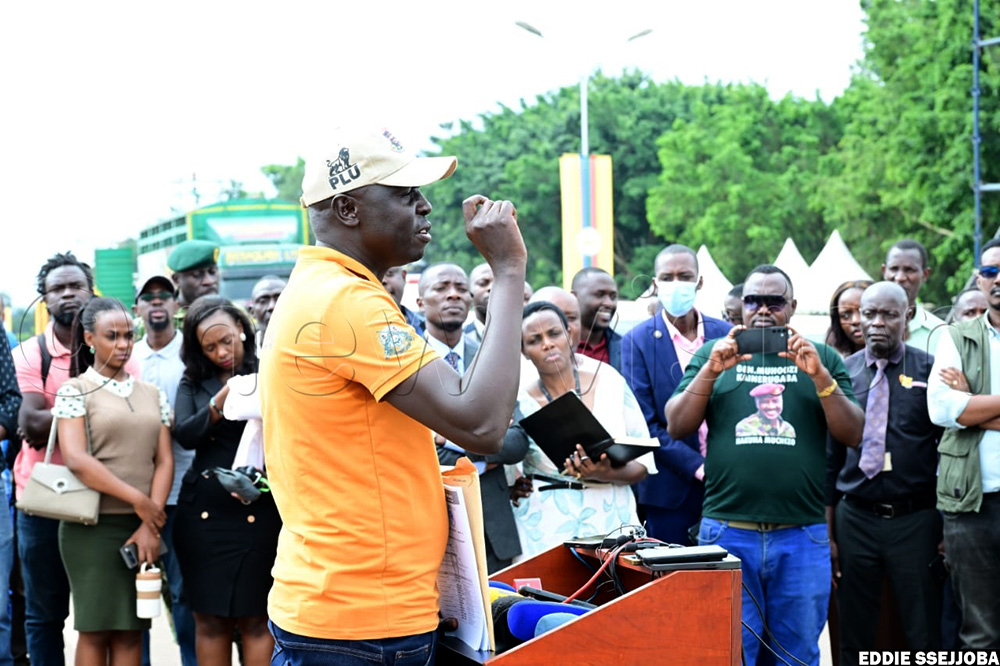
“That is a strict no-go area. Do not attempt to storm restricted sections for interviews,” he emphasised.
Media and national messaging
During a separate media briefing, officials framed the event as a moment of national significance.
“This is not just a national event. It is a regional and international event. The whole world will be watching,” Media Centre Executive Director Allan Kasujja said, urging journalists to uphold professional conduct.
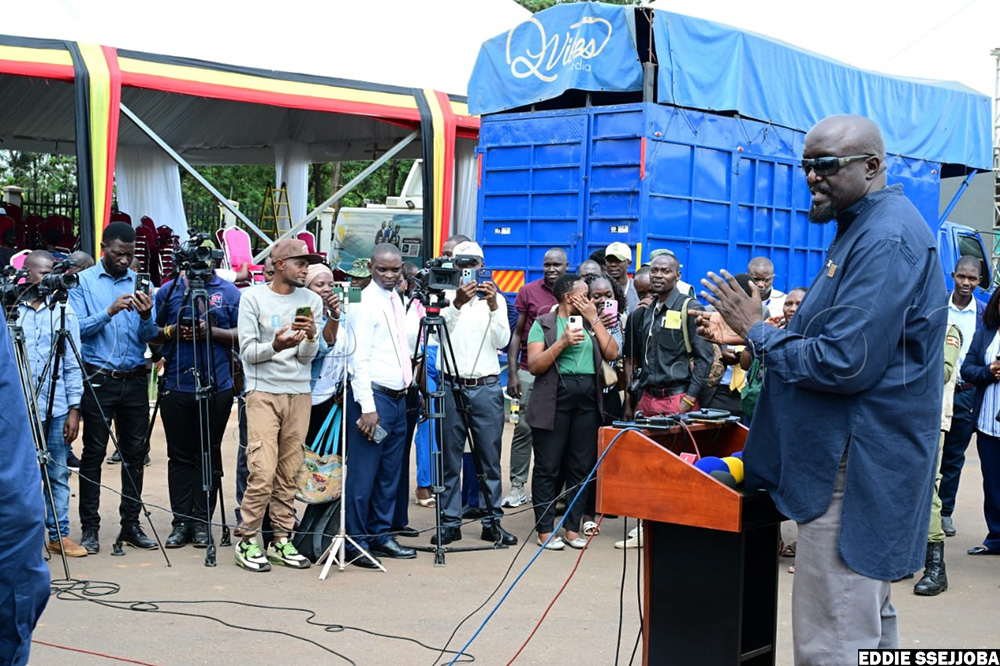
Citizens were also encouraged to follow proceedings through broadcast media, with officials describing the day as a symbolic national celebration.
Final push as clock ticks
As the countdown continues, subcommittees remain on standby to complete last-minute work on infrastructure, medical readiness, accreditation and logistics. Organisers insist that despite delays, all systems will be functional before dawn.
By evening, officials said the transformation of Kololo would be complete, with one coordinator expressing confidence.
“By five or six this evening, the picture here will be quite different,” said Yunus Kakande, permanent secretary in the Office of the President.