
Christians to observe Ash Wednesday as Lent begins
Millions are expected to throng churches on Wednesday to receive ashes, a symbol applied in the form of a cross on their foreheads, signifying the start of this sacred season observed in the approximately six weeks leading up to Easter.
Ash Wednesday, the Christian holy day of prayer and fasting, formally initiates Lent period, which is a time rooted in the life of the Church in preparation for Easter.
KAMPALA - Wednesday, February 18, 2026, marks the commencement of Lent, as Christians worldwide begin a 40-day period dedicated to fasting, sacrifice, prayer and spiritual renewal.
Millions are expected to throng churches on Wednesday to receive ashes, a symbol applied in the form of a cross on their foreheads, signifying the start of this sacred season observed in the approximately six weeks leading up to Easter.
Ash Wednesday, the Christian holy day of prayer and fasting, formally initiates Lent period, which is a time rooted in the life of the Church in preparation for Easter.
As is tradition, particularly for Catholics, Anglicans and Orthodox Christians, for whom Lent is one of the most significant religious observances, the day involves special church prayers and the symbolic marking of the cross with ashes.
According to Fr Jude Kyekulidde, the curate of St Cyprian Catholic Parish Kawanda, the ashes used hold profound meaning, having been prepared by burning the holy palm leaves blessed during last year's Palm Sunday celebrations.
He explained the connection: Palms are used on Palm Sunday in many Christian churches to symbolise Jesus' triumphant entry into Jerusalem on the Sunday before his crucifixion. Residents of Jerusalem are said to have waved palm fronds to celebrate his arrival.
Kyekulidde clarified the origin of the day's name and the symbolism of the ashes: Ash Wednesday receives its title directly from the tradition of placing ashes on a person’s forehead, a biblical sign of mourning and repentance to God. 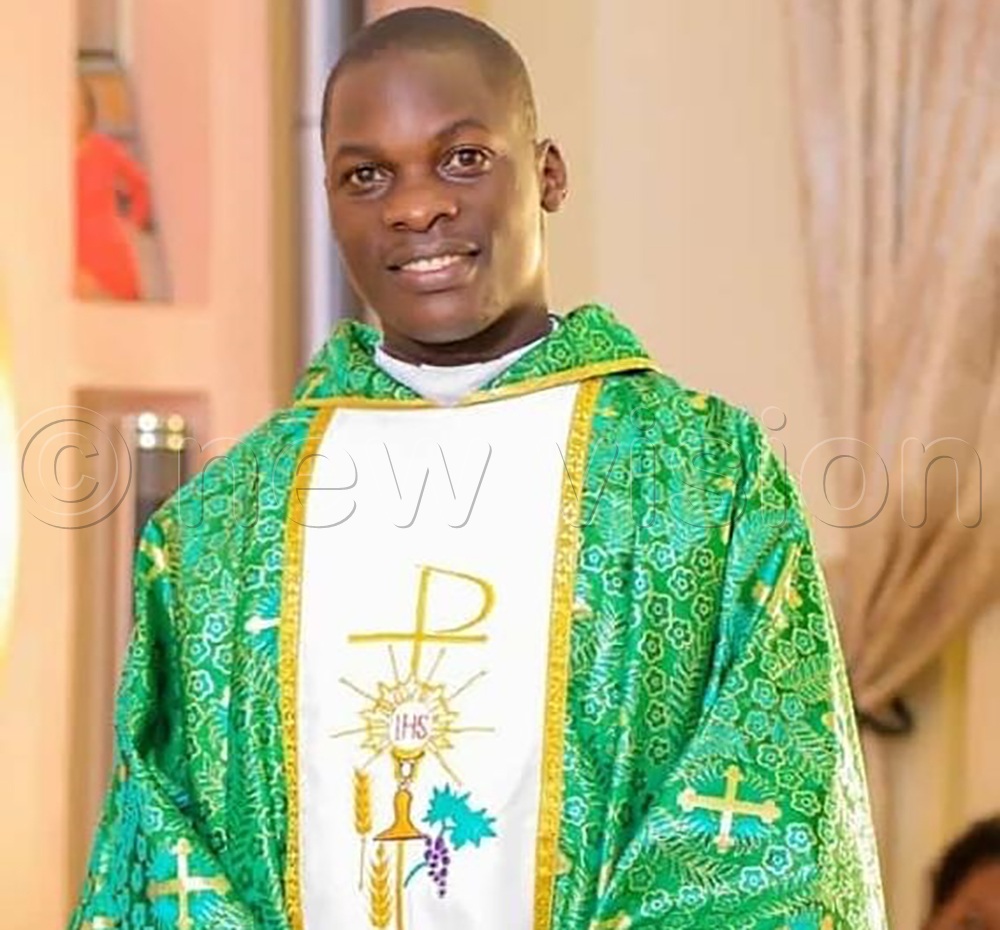
Fr. Jude Kyekulidde
He added that the ashes symbolise the dust from which God made us.
'Remember that you are dust, and to dust you shall return.’
He emphasised that Lent, often called the "Day of Ashes" at its start, is a period where "the path of Lent prayer, fasting and generosity over a period of time is heavily emphasised," serving as a time of self-examination, repentance and helping the needy.
The priest underscored Lent's significance as a spiritual journey: Lent offers us all a very special opportunity to grow in our relationship with God and to deepen our commitment to a way of life, rooted in our baptism.
He added that the 40 days directly recall the 40 days Jesus spent in the desert fasting and resisting temptation.
For Catholics specifically, Fr Kyekulidde highlighted key practices beginning today.
“For us Catholics, during Lent, we abstain from meat on Ash Wednesday and every Friday."