
Avoid over-reliance on AI, judges warned
Ocaya warned that AI frequently generates non-existent court cases, which could embarrass not only individual officers but also the entire judiciary.
L-R: Hon. Justice Musa Ssekaana, Justice of the Court of Appeal, Justice Mike Chibita, Lady Justice Jane Frances Abodo, Justice Prof. Andrew Khaukha and Pamela Lamunu, Acting Chief Registrar of Uganda's courts, joined in a group photo by judicial officers and their research assistants during a one-day training for more than 80 research magistrates at the Judiciary headquarters in Kampala on February 11, 2026. (Credit: Mpalanyi Ssentongo)
_________________
Amid growing enthusiasm over the use of Artificial Intelligence (AI) in the legal system, the acting chief registrar of the Courts of Judicature, Pamela Lamunu Ocaya, has cautioned judicial officers and their research assistants against over-reliance on the technology when conducting research and drafting judgments.
Ocaya warned that AI frequently generates non-existent court cases, which could embarrass not only individual officers but also the entire judiciary.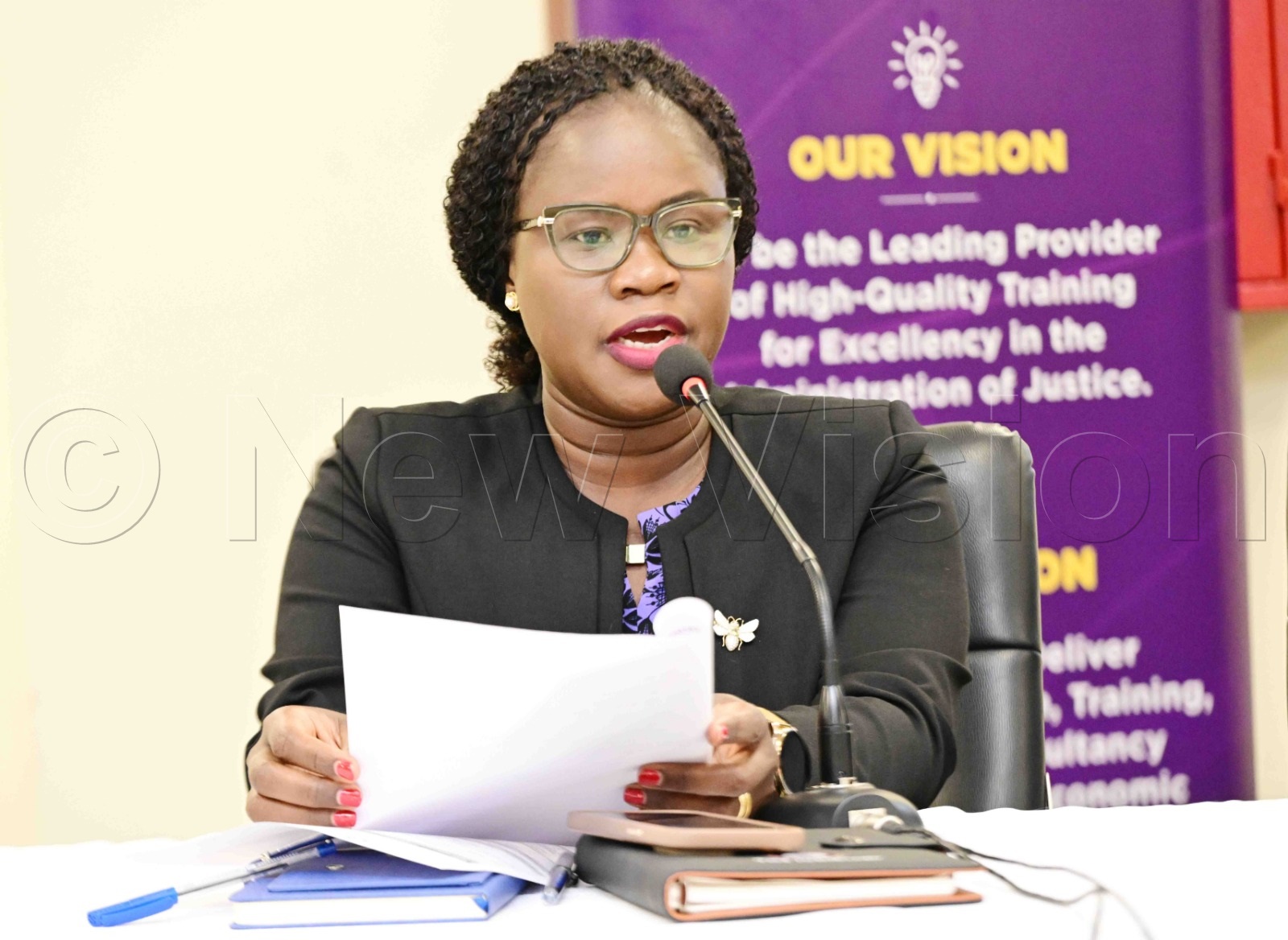
Pamela Lamunu, Acting Chief Registrar of Uganda's courts. (Credit: Mpalanyi Ssentongo)
She sounded the warning during a one-day training for more than 80 research magistrates at the Judiciary headquarters in Kampala on February 11, 2026.
Research magistrates are judicial officers who assist judges in identifying previously decided cases relevant to matters before them and in drafting judgments. Each judge of the High Court, Court of Appeal and Supreme Court is assigned a research magistrate or assistant to support them, particularly in research and judgment writing.
“We recognise that judicial research is being transformed by technology platforms such as AI. However, don’t over-rely on them. Use them ethically because, for example, AI cannot exercise judicial reasoning, nor can it independently distinguish a judicial reasoning or a comment in the case,” Ocaya said.
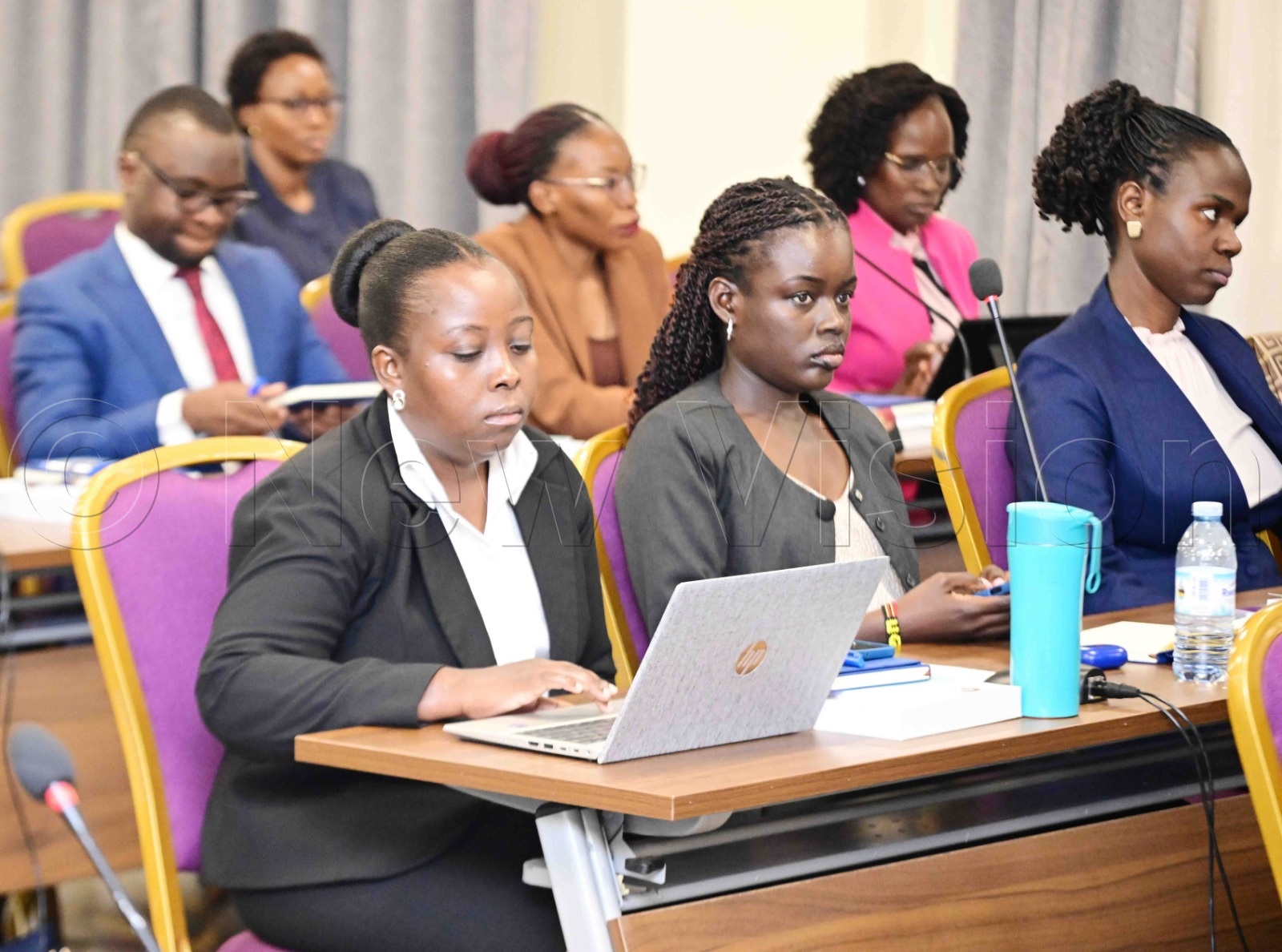
Some of the participants. (Credit: Mpalanyi Ssentongo)
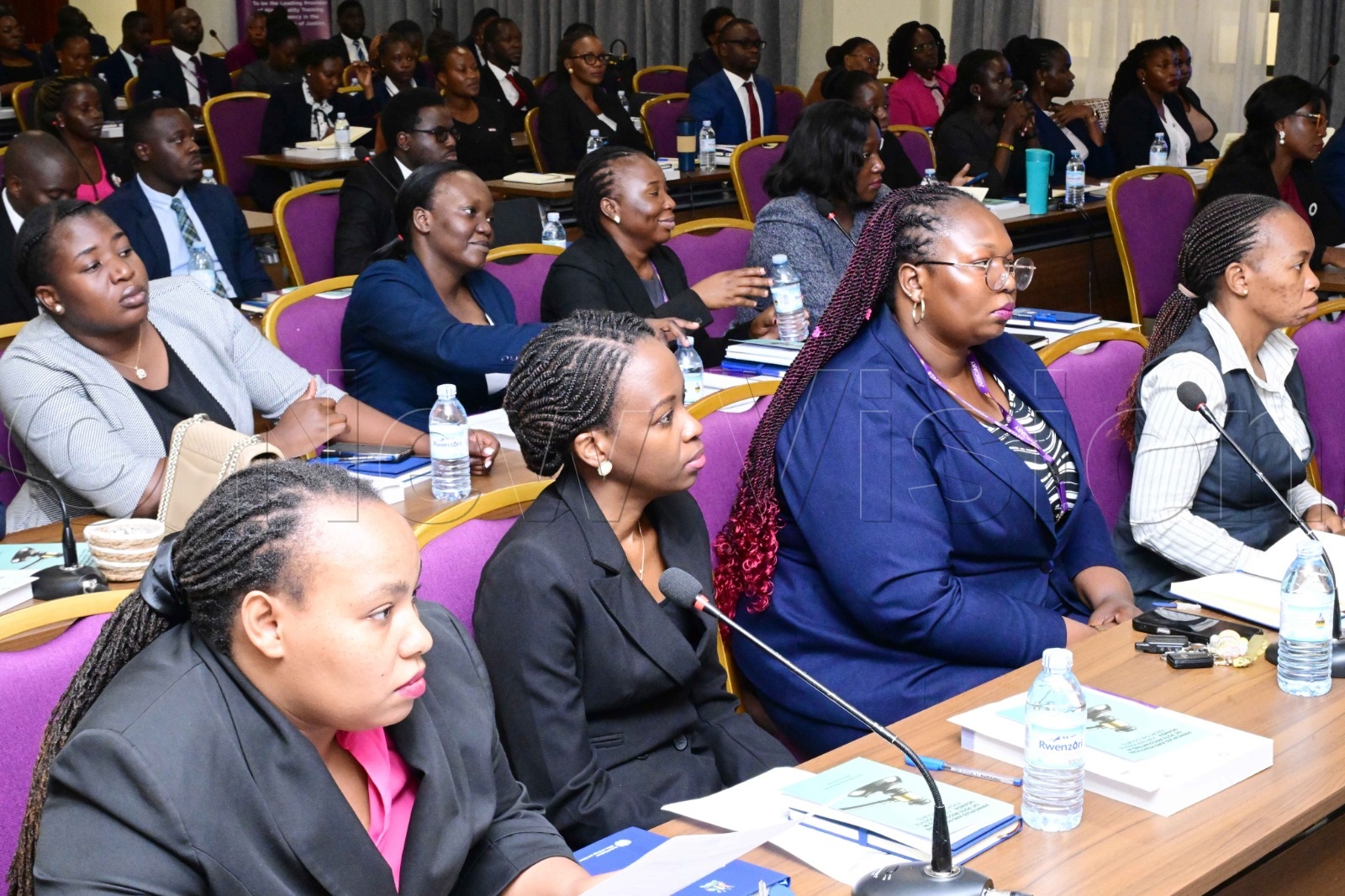
(Credit: Mpalanyi Ssentongo)
Emphasising their role in the administration of justice, Ocaya noted that research magistrates are not merely researchers but also serve as quality controllers within the justice system.
“Your analysis, memorandum and research notes are often the foundation upon which judicial reasoning is built,” Ocaya said.
Citing the heavy workload faced by judges, she urged research magistrates to provide effective support to ensure the timely resolution of disputes.
Ocaya explained that the training was designed to strengthen the capacity of research magistrates as the Judiciary begins a new legal year.
“When legal opinions are thorough and reliable, judgments become well-structured and properly referenced, contributing to doctrinal clarity and reducing contradictory rulings,” Ocaya said.
Principal Judge Jane Frances Abodo observed that without research support, the quality and credibility of many judicial decisions would be compromised.
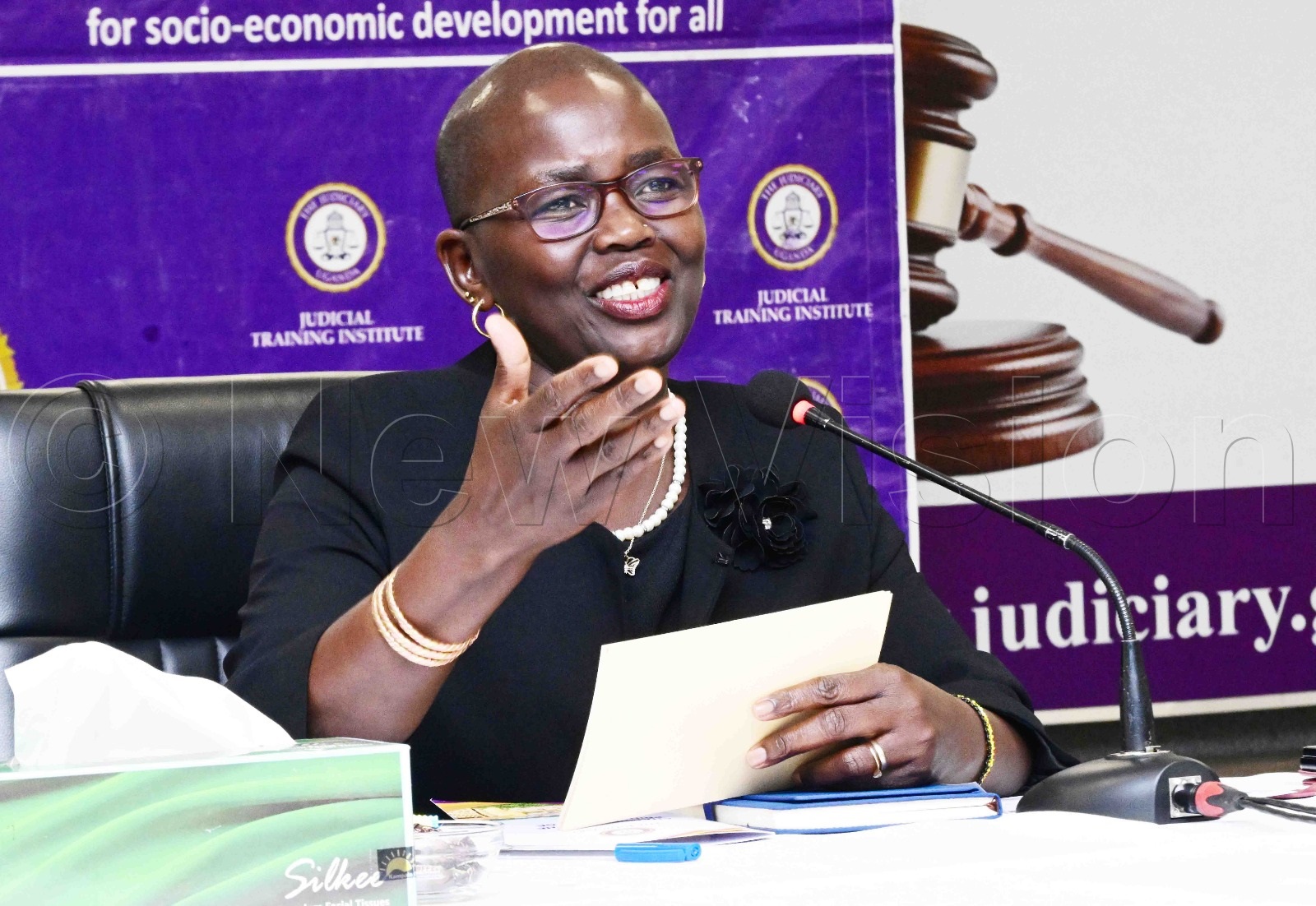
Principal Judge Hon. Lady Justice Jane Frances. (Credit: Mpalanyi Ssentongo)
“Your work, therefore, directly contributes to upholding the rule of law and maintaining public confidence in the judiciary,” Abodo said.
Abodo added that research magistrates are not merely researchers but custodians of methodological discipline.
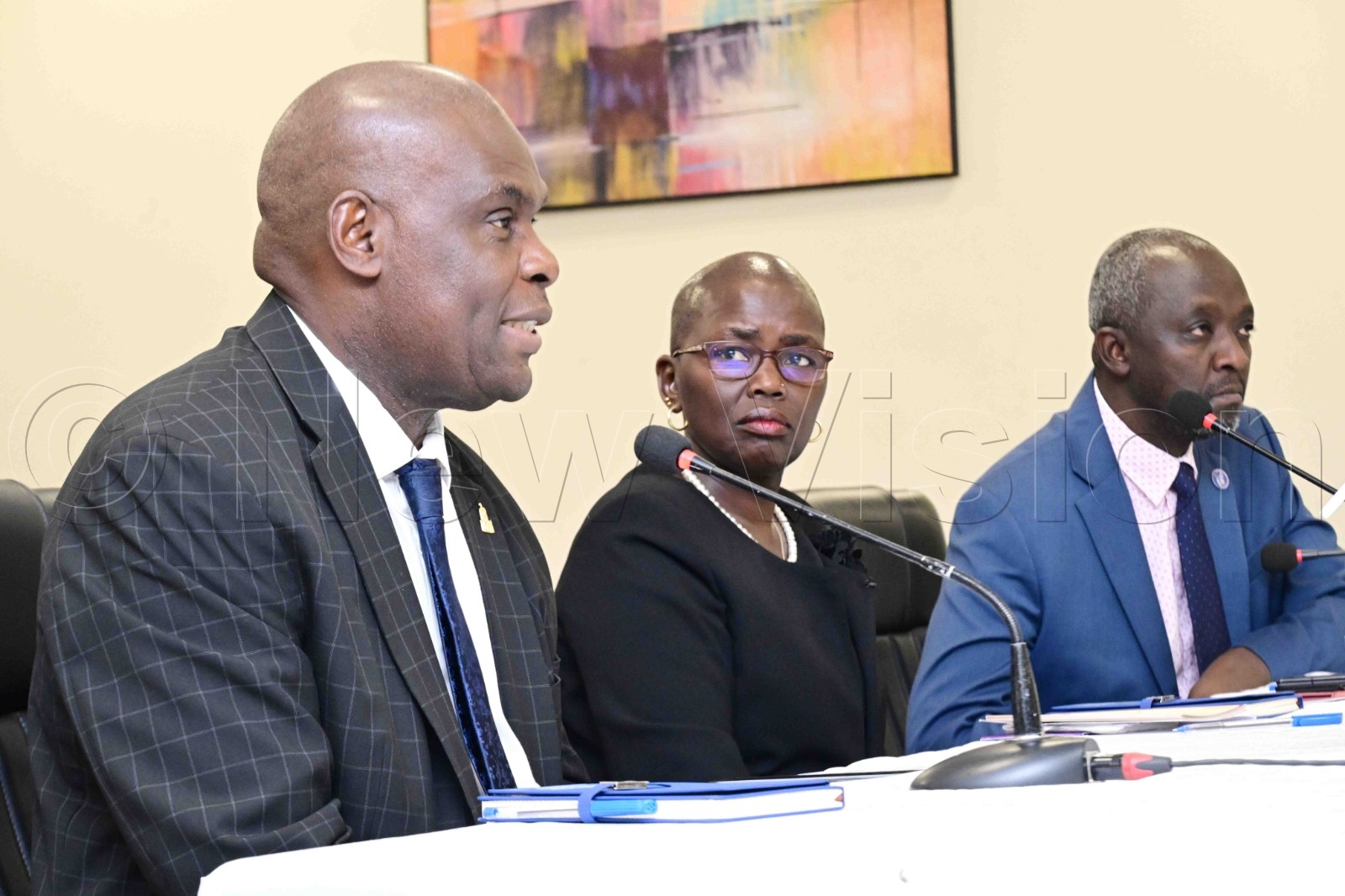
Supreme Court judge Mike Chibita (Left) speaking as Lady Justice Jane Frances Abodo looks on. (Credit: Mpalanyi Ssentongo)
Supreme Court judge Mike Chibita urged research magistrates to ensure that timely, accurate and reliable opinions are submitted to their respective judges by utilising authoritative legal sources such as the Uganda Legal Information Institute, among others.
“You should know that the quality of your work directly influences judicial outcomes and public confidence in courts,” Chibita said.
Prof. Andrew Khauka, executive director of the Judicial Training Institute, underscored the need for the Judiciary to invest in research, noting that it is essential for sound decision-making.
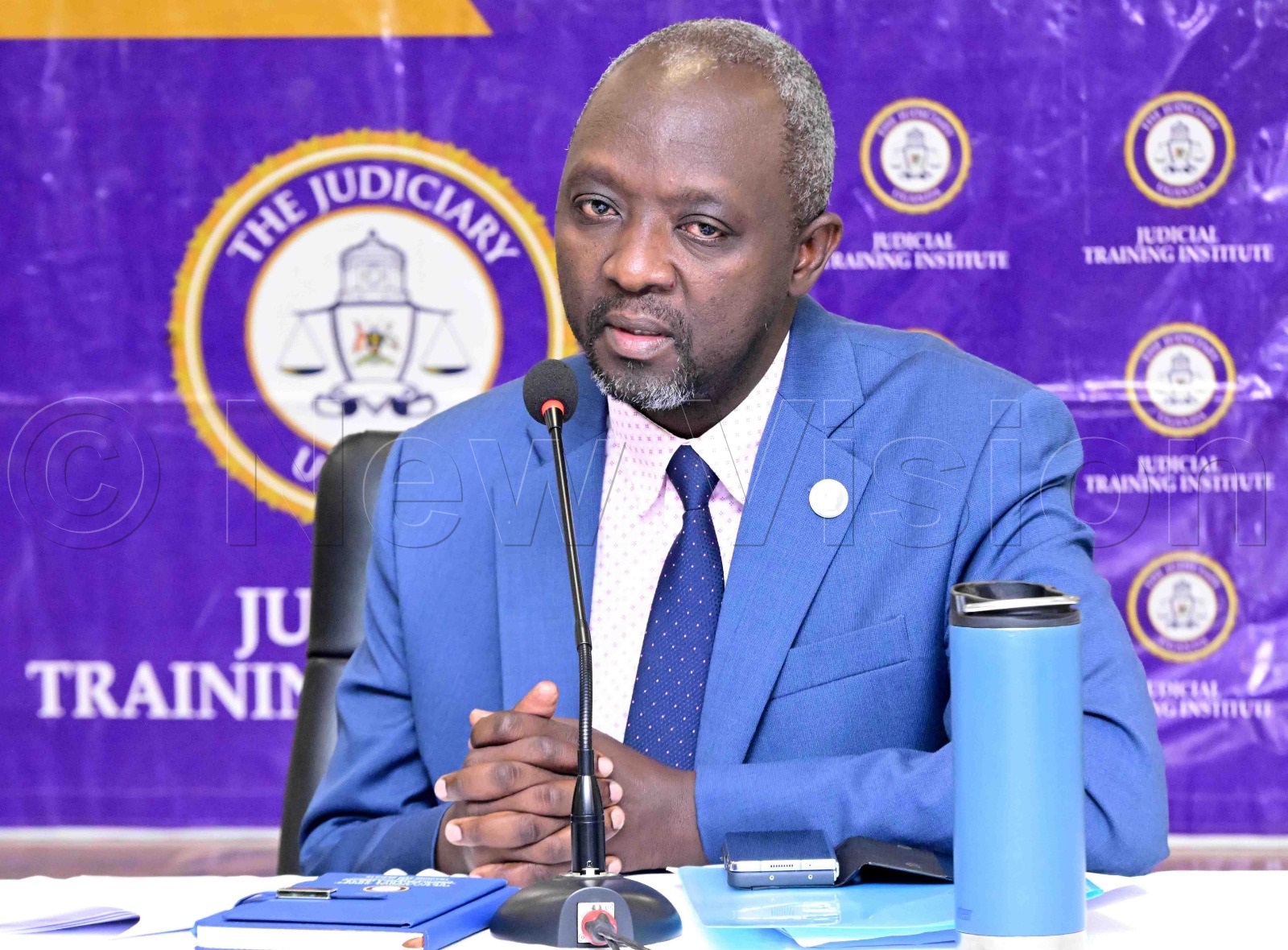
Prof. Andrew Khauka, executive director of the Judicial Training Institute. (Credit: Mpalanyi Ssentongo)
As the Judiciary prepares to handle election petitions, Court of Appeal judge Musa Ssekaana urged research magistrates to stay updated on electoral laws to support judges in resolving cases expeditiously.
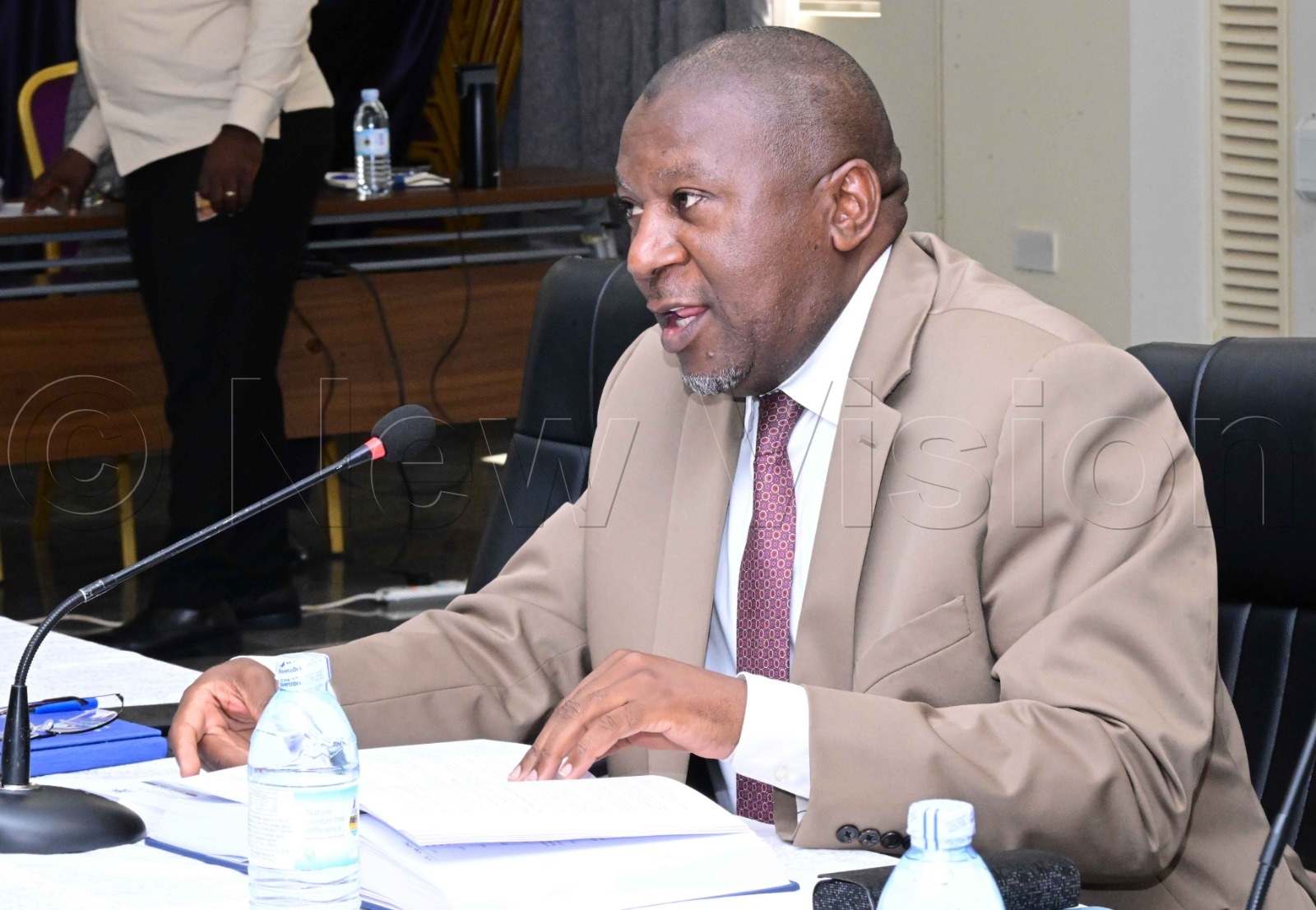
Hon. Justice Musa Ssekaana, Justice of the Court of Appeal, among the facilitators. (Credit: Mpalanyi Ssentongo)
“You should know that if someone filed an election petition before the winner has been published in the gazette, such a case is a nullity. If it is a voter petitioning, his or her case has to be supported by 500 signatures of the voters in such constituencies,” Ssekaana said.
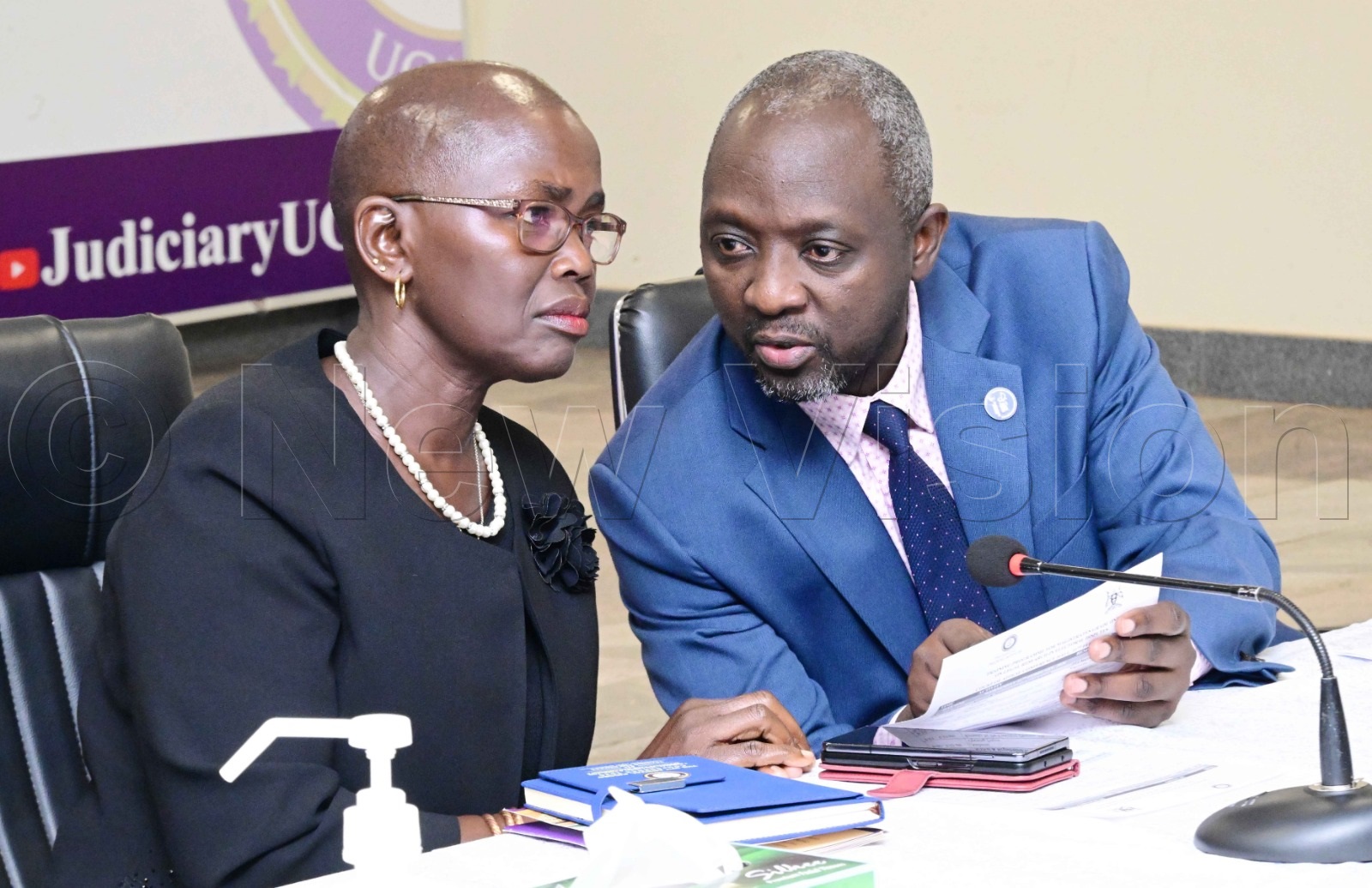
Principal Judge, Hon. Lady Justice Jane Frances Abodo, listening to Hon. Justice Prof. Andrew Khaukha.
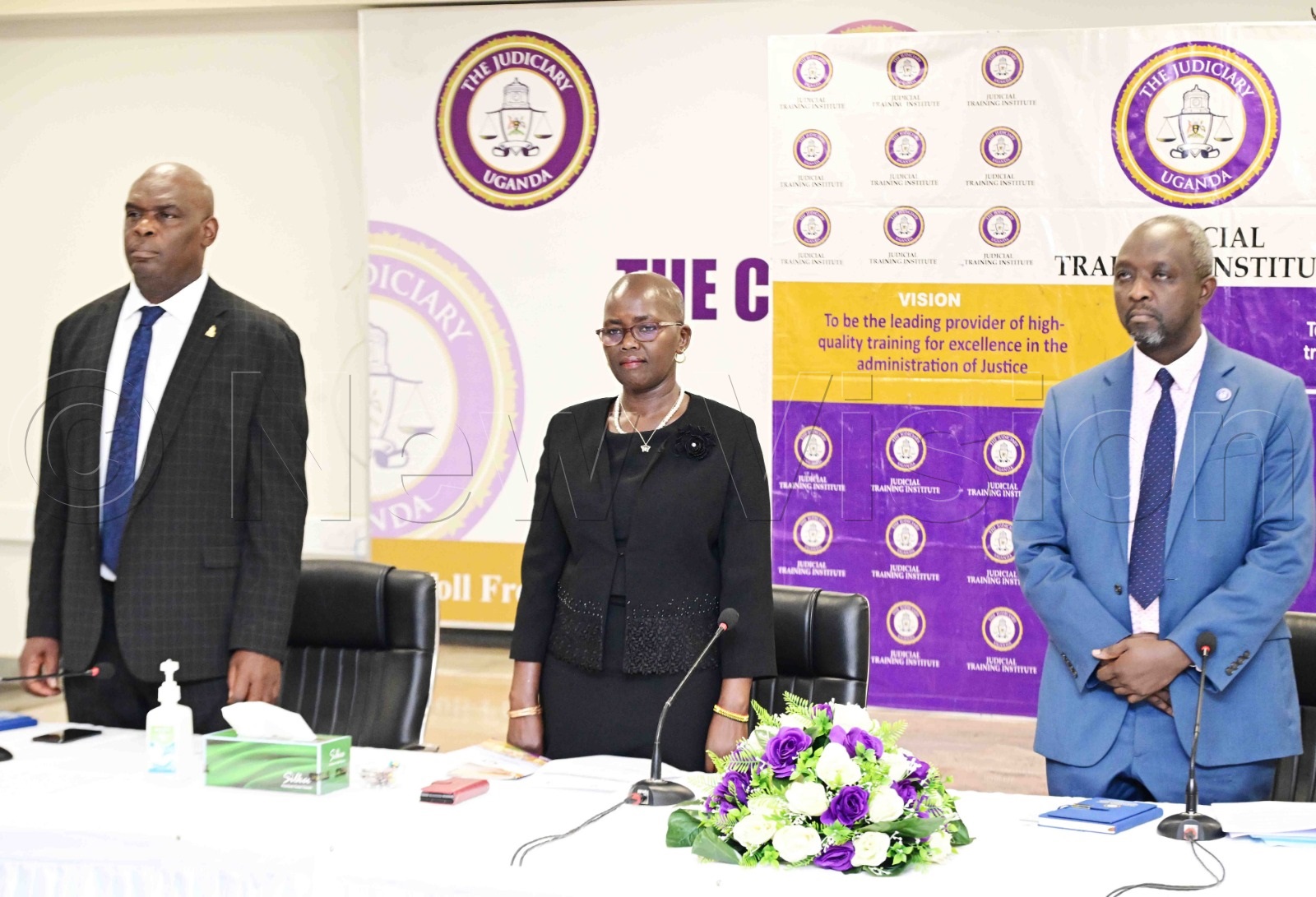
L-R: Supreme Court judge Mike Chibita, Principal Judge Jane Frances Abodo and Prof. Andrew Khauka, executive director of the Judicial Training Institute. (Credit: Mpalanyi Ssentongo)
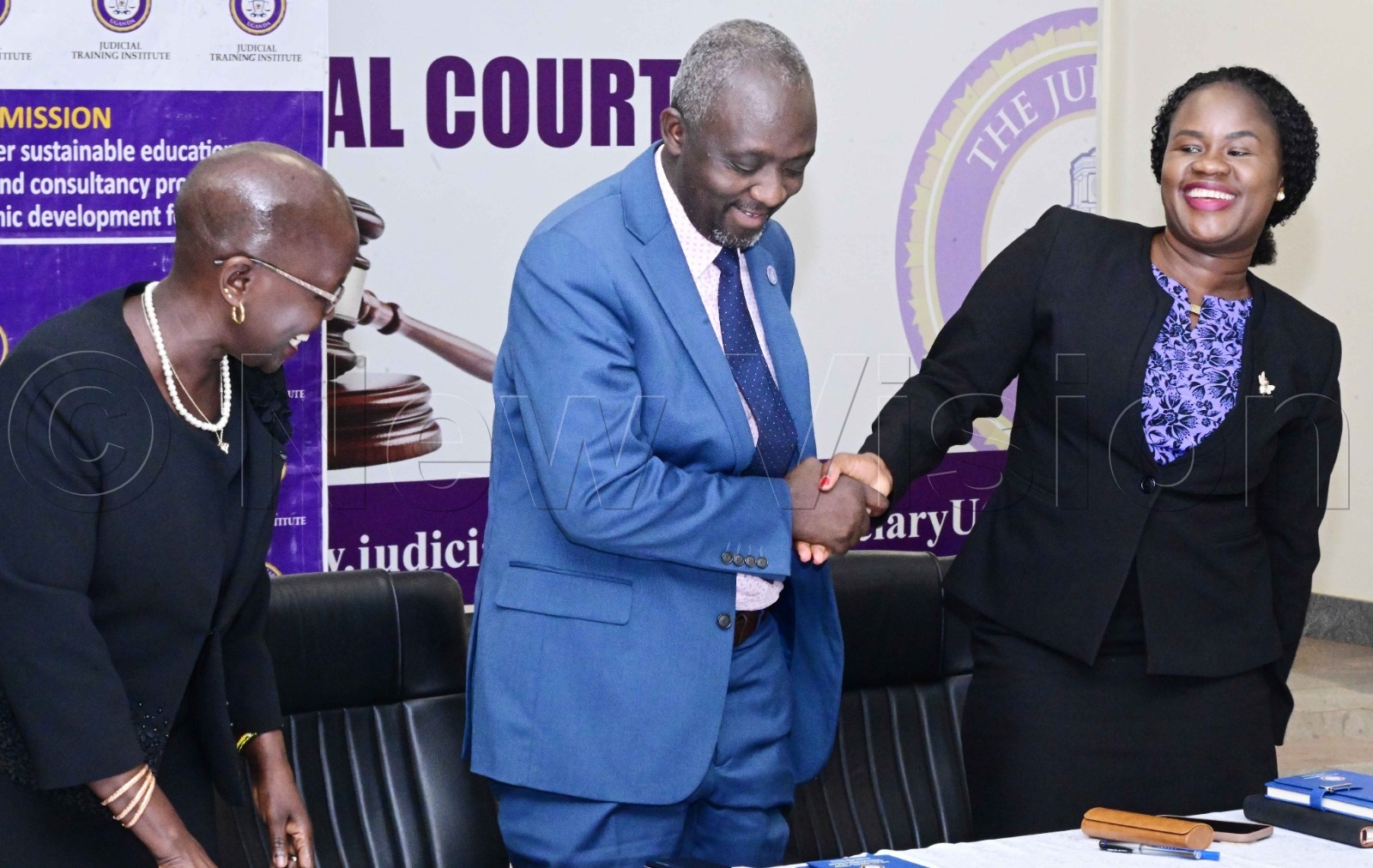
Hon. Justice Prof. Andrew Khaukha (Centre) shaking hands with Pamela Lamunu (Right).
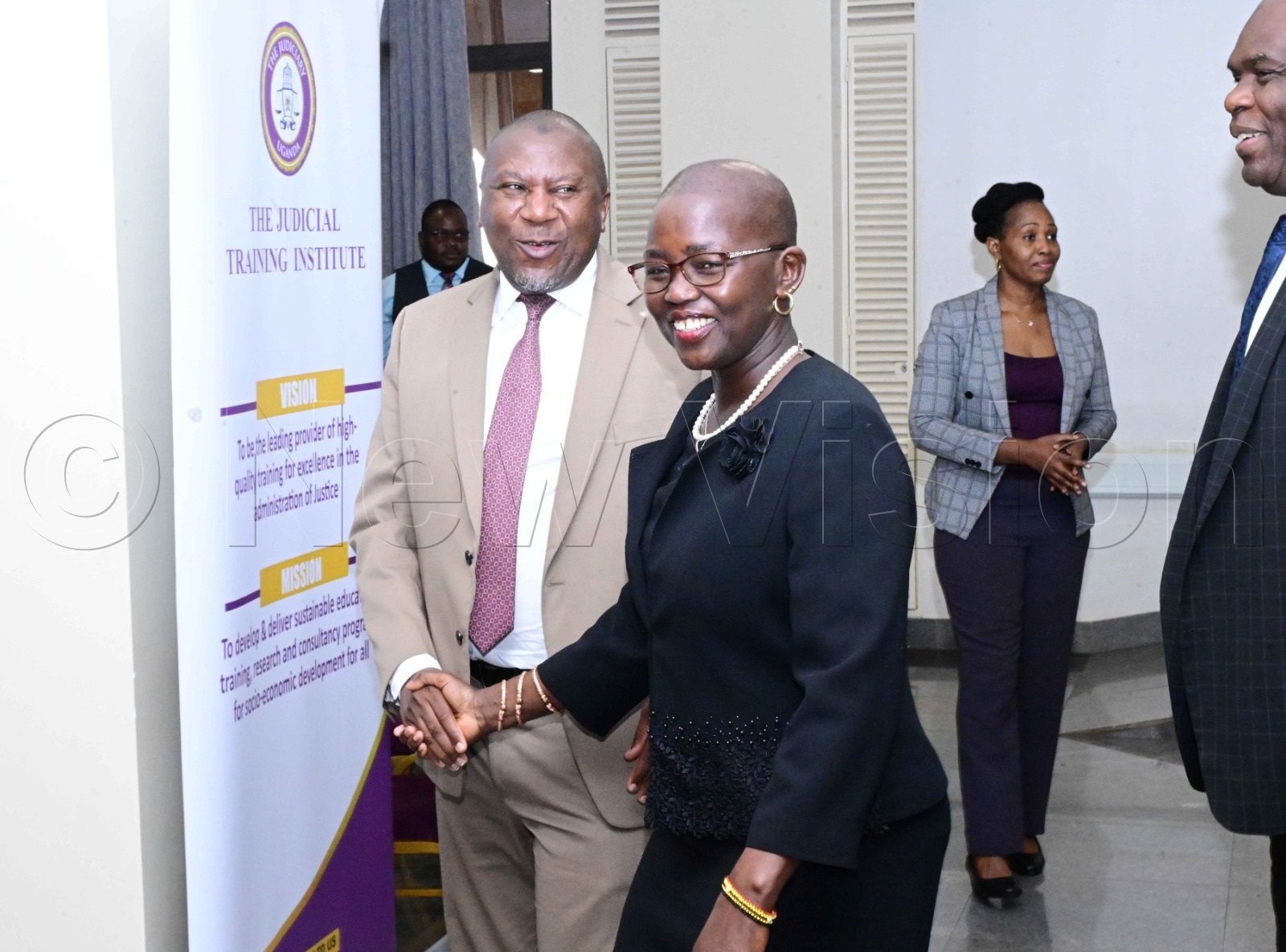
Hon. Justice Musa Ssekaana greeting Lady Justice Jane Frances Abodo.