
US-funded Kaabong lab boosts disease detection in Karamoja region
“With improved laboratory capacity, we can now diagnose more conditions faster and more accurately, which is critical for saving lives,” Dr Kyabayinze said.
The facility was commissioned on April 14, 2026, in Kaabong district through a partnership between the United States government and the government of Uganda. (Courtesy Photos)
________________
A newly constructed and upgraded laboratory at Kaabong General Hospital is set to strengthen disease detection and response in Uganda’s Karamoja sub-region, improving access to critical diagnostic services in one of the country’s most underserved areas.
The facility, commissioned on April 14, 2026, in Kaabong district through a partnership between the United States government and the government of Uganda, is aimed at strengthening diagnostic capacity for major diseases, including HIV, tuberculosis and malaria, as well as maternal and newborn conditions.
Funded by the U.S. Department of State at a cost of about $400,000 (approximately sh1.5 billion), the laboratory upgrade is part of broader efforts to reinforce frontline health systems and improve surveillance in Kaabong and neighbouring Karenga districts.
Dr Daniel Kyabayinze, director of public health at the Ministry of Health, said the upgraded facility will enhance the hospital’s ability to detect diseases early and respond more effectively, particularly in a region that has historically faced gaps in healthcare infrastructure.
“With improved laboratory capacity, we can now diagnose more conditions faster and more accurately, which is critical for saving lives,” Dr Kyabayinze said.
The laboratory is already a key diagnostic hub in the region, conducting about 62,000 tests annually across multiple disciplines, including haematology, microbiology, immunology, parasitology and clinical chemistry. The new infrastructure provides additional space for equipment and future expansion, allowing for increased testing volumes and improved efficiency.
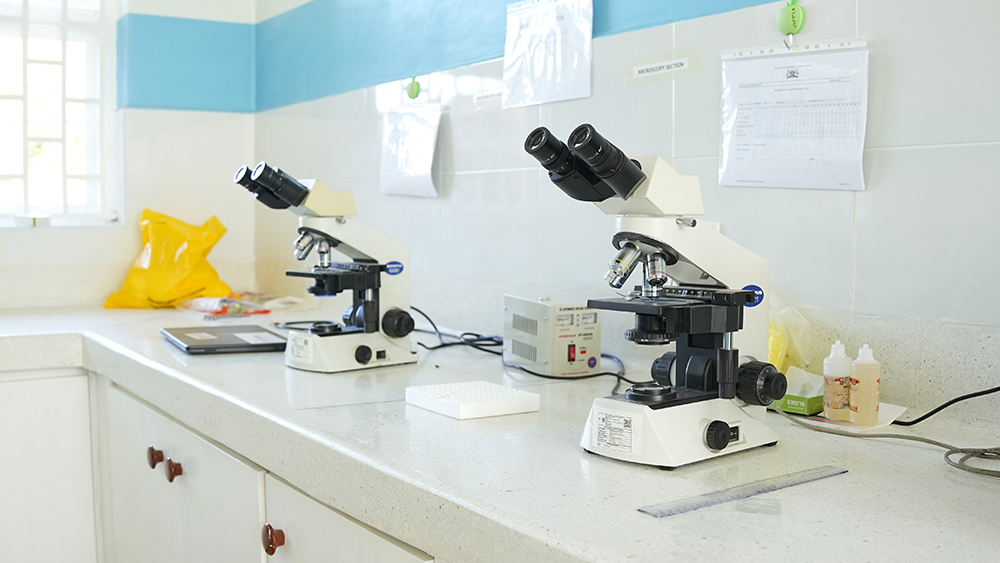
Among the advanced equipment installed are molecular diagnostic platforms such as GeneXpert for tuberculosis testing, as well as systems for viral load and CD4 testing used in HIV care. These technologies are expected to strengthen both routine diagnosis and disease surveillance.
Mary Borgman, global health diplomacy director at the U.S. Embassy in Uganda, said the investment reflects a broader commitment to strengthening health systems and preventing the spread of infectious diseases.
“This laboratory is a tangible demonstration of the United States’ commitment to protecting lives by strengthening health systems where threats emerge, advancing early detection and supporting sustainable, locally led solutions,” she said.
The project was implemented under the U.S.-funded Uganda Health Activity in collaboration with the Ministry of Health, which will continue to provide technical oversight and support.
The upgraded laboratory is expected to play a critical role in monitoring disease trends, improving patient care and supporting rapid response to outbreaks, both within the region and across borders.
However, Ministry of Health officials emphasised the need for sustained government support to ensure the facility remains fully operational.
The Ministry of Health and Kaabong District Local Government are expected to allocate resources for maintenance, utilities and day-to-day operations, a move seen as critical to safeguarding the long-term impact of the investment.
The laboratory upgrade is part of wider U.S. support to Uganda’s health sector, including investments in digital health systems, laboratory networks and disease surveillance platforms. These efforts aim to build a more resilient and self-reliant health system capable of responding to current and future public health threats.