
Surgeons demand urgent reforms as rural care gaps widen
The concerns were raised during the three-day 26th Annual Surgical Scientific Conference held at Speke Resort Convention Centre from March 25 to 27, 2026, where medical leaders challenged the Ministry of Health Uganda to involve frontline practitioners more directly in shaping policy and investment decisions.
The three-day 26th Annual Surgical Scientific Conference held at Speke Resort Convention Centre from March 25 to 27, 2026, where medical leaders challenged the Ministry of Health Uganda to involve frontline practitioners more directly in shaping policy and investment decisions. (Courtesy photo)
___________________
Surgeons have called for urgent health system reforms to address widening gaps in rural surgical care, warning that millions of people remain cut off from life-saving services due to a critical shortage of specialists and weak infrastructure.
The concerns were raised during the three-day 26th Annual Surgical Scientific Conference held at Speke Resort Convention Centre from March 25 to 27, 2026, where medical leaders challenged the Ministry of Health Uganda to involve frontline practitioners more directly in shaping policy and investment decisions.
Frank Asiimwe, president of the Uganda Medical Association, highlighted the persistent shortage of specialists in rural areas and urged the government to adopt a structured approach to attract and retain surgeons outside major cities.
“It’s time to move beyond the city and ensure every Ugandan has access to a specialist,” Asiimwe said, emphasising that equitable healthcare cannot be achieved without deliberate investment in underserved communities.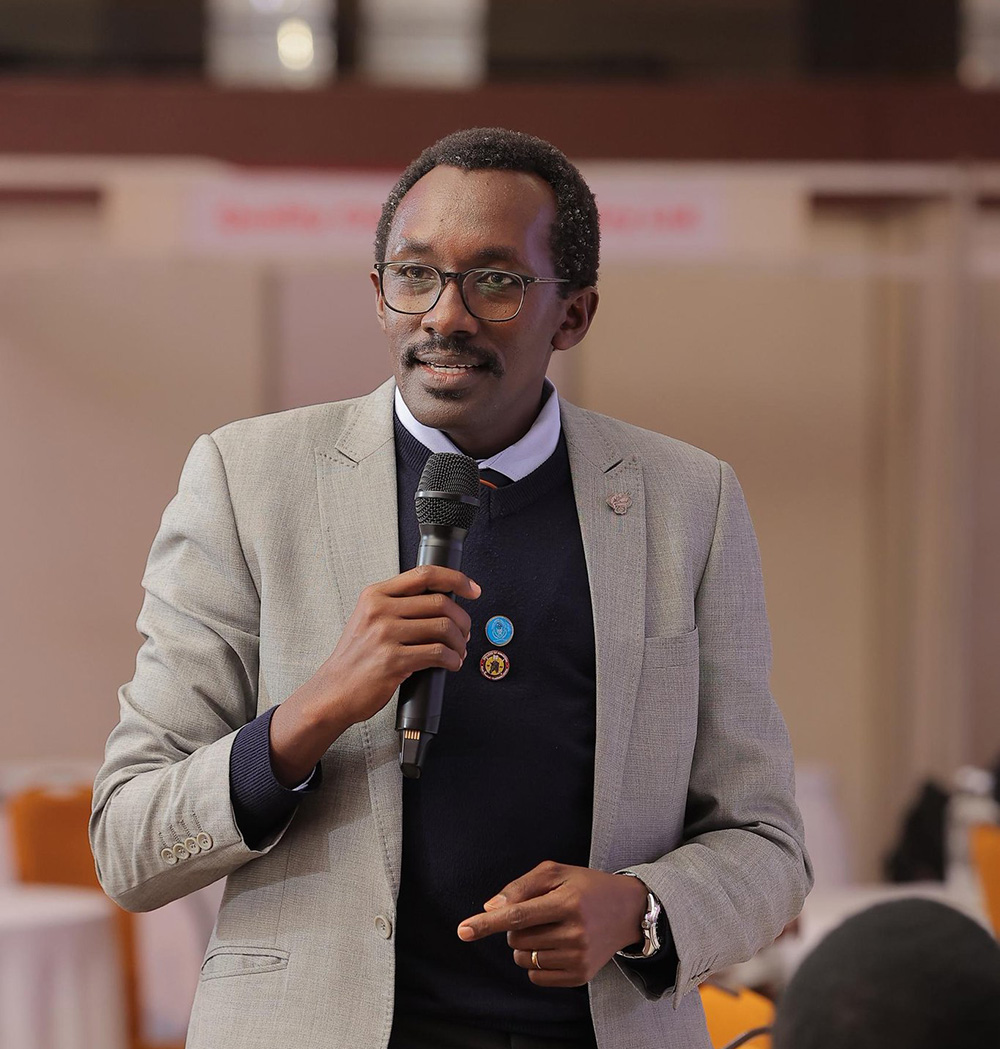
Assoc. Prof. Frank Asiimwe, president of Uganda Medical Association, raised concerns over the persistent shortage of specialists in rural communities. (Courtesy photo)
He outlined a four-point roadmap to strengthen rural surgical services, including expanding specialised training, creating clear career progression pathways, equipping health facilities with essential tools, and improving social amenities such as housing and schools to make rural postings more sustainable.
Uganda, like many countries in sub-Saharan Africa, faces a severe shortage of surgical personnel, with estimates indicating just one surgeon per 100,000 people. The gap is most pronounced in rural districts, where hospitals often lack both skilled staff and the equipment needed to perform even basic procedures.
Uganda is grappling with a deepening rural surgical crisis, with fewer than 25% of the population able to access a functional surgical facility within two hours. Despite more than 80 percent of surgical cases occurring in rural areas, most surgeons remain concentrated in Kampala, leaving nearly half of the country’s surgical needs unmet, with only about 250 registered surgeons.
Beyond workforce challenges, limited infrastructure and supplies are further constraining surgical services. More than 60 percent of patients experience delays in receiving care, largely due to a lack of operating theatre space, shortages of essential materials such as sutures, and the absence of anaesthetists. These systemic bottlenecks, particularly in rural health facilities, continue to undermine timely and effective surgical interventions.
Health experts warned that without urgent intervention, the disparity between urban and rural healthcare access will continue to widen, undermining efforts to achieve universal health coverage.
Filbert Nyeko, executive director of Kabale Regional Referral Hospital, challenged surgeons to take a more active role beyond the operating theatre and engage in national policy discussions.
“If you aren’t at the table, you’re on the menu,” Nyeko said, urging medical professionals to participate in decisions on funding and resource allocation.
He noted that surgeons have historically been underrepresented in key decision-making forums, contributing to the low prioritisation of surgical care in national planning.
“We must move from the operating theatre to the decision-making table,” he added.
The conference also highlighted the need for stronger collaboration between healthcare providers and policymakers to tackle systemic challenges, including workforce shortages, limited infrastructure, and low investment in surgical services.
Moses Galukande, president of the Association of Surgeons of Uganda, underscored the importance of strengthening research and evidence generation to support policy advocacy.
“We must publish our own stories and generate our own evidence,” Galukande said, noting that Uganda still lags behind countries such as Egypt, Nigeria, and South Africa in medical research output.
He said stronger local data would help make the case for increased funding and attention to surgical care.
Participants agreed that improving surgical services is not only a health priority but also a broader development issue, as untreated surgical conditions contribute to disability, lost productivity, and preventable deaths.
Amid the calls for reform, the role of local manufacturing also emerged as a critical component of building a resilient health system.
Brian Kavuya, managing director of East African Medical Vitals, emphasised that producing essential medical supplies locally can reduce dependence on imports and improve system efficiency.
“Local production enhances system efficiency, reduces dependence on imports, and optimises resource utilisation. Since producing our first surgical glove in 2021, we have expanded capacity to ensure hospitals nationwide have access to consistent, high-quality products,” Kavuya said.
He added that structured engagement with surgeons allows manufacturers to gather continuous feedback and develop context-specific innovations tailored to Uganda’s needs.
The three-day meeting came as Uganda pushes to strengthen its health system through reforms aimed at expanding access, improving quality of care, and enhancing workforce capacity. However, experts cautioned that without prioritising surgical services, particularly in rural areas, these broader health goals may remain out of reach.