
Kabarole launches six-month training for community health extension workers
A total of 104 CHEWs, with two representatives selected from each parish, are being trained at Kigarama Primary School in Kiko town council. The initiative, launched April 7, 2026, is expected to enhance health service delivery by deploying trained personnel at the parish level to work closely with existing Village Health Teams (VHTs).
Community Health Extension Workers (CHEWs) during the launch. (Photo by Jonan Tusingwire)
_____________
Kabarole district has launched a six-month training programme for Community Health Extension Workers (CHEWs), a move aimed at strengthening primary health care services and improving disease prevention and control at the grassroots level.
A total of 104 CHEWs, with two representatives selected from each parish, are being trained at Kigarama Primary School in Kiko town council. The initiative, launched April 7, 2026, is expected to enhance health service delivery by deploying trained personnel at the parish level to work closely with existing Village Health Teams (VHTs).
Speaking at the launch, Dr Lillian Manyindo, head of trainers at the Ministry of Health, highlighted the critical role that CHEWs will play in disease surveillance and prevention. She noted that their presence in communities will help reduce congestion at health facilities by addressing health issues early and promoting preventive care.
“The CHEWs are a vital link between communities and the formal health system. They will support disease surveillance, promote hygiene and sanitation, and ensure timely reporting of health concerns,” Dr Manyindo said.
The district senior health educator, Catherine Kemigabo, emphasised the complementary role of CHEWs and VHTs in improving community health outcomes. She explained that while VHTs operate at the village level, CHEWs will be stationed at the parish level to provide oversight and coordination.
“CHEWs will closely monitor community health trends within the parish and work hand in hand with VHTs to promote preventive health practices and strengthen referral systems,” Kemigabo noted.
While officiating at the opening of the training, the assistant resident district commissioner for Kabarole, Frank Asaba, called on the trainees to uphold discipline, time management, and self-respect throughout the programme.
He urged them to embrace their responsibilities as future health ambassadors in their communities.
“You are going to be agents of change. Carry this responsibility with integrity and commitment, and ensure that you transform the health status of your parishes,” Asaba said.
The Kabarole district chairperson, Richard Rwabuhinga, clarified that the newly introduced Community Health Extension Workers will not replace Village Health Teams, but will instead complement their work in improving healthcare service delivery at the grassroots.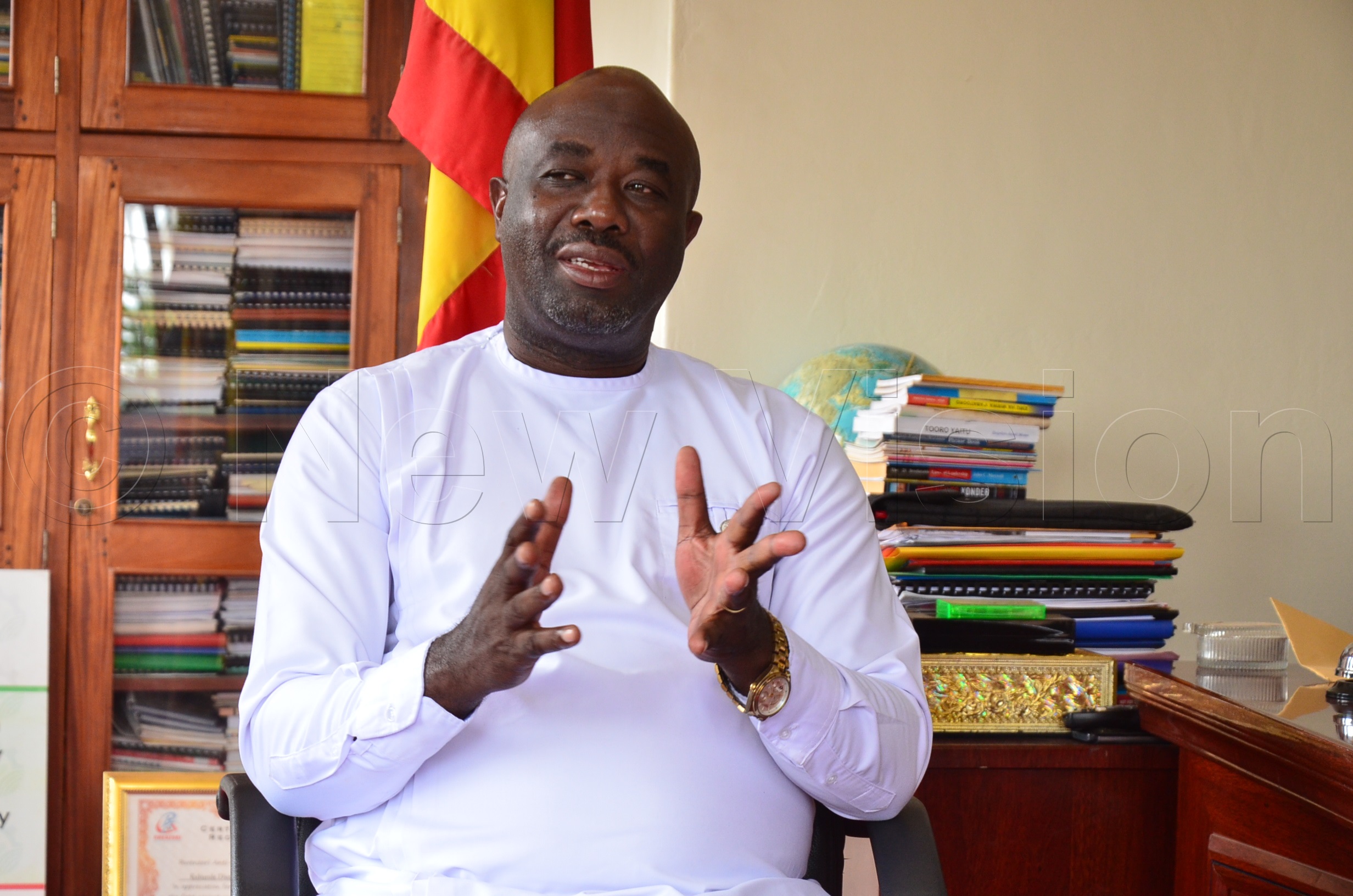
Richard Rwabuhinga. (Photo by Jonan Tusingwire)
The district chairperson emphasised that the government’s move to introduce CHEWs is aimed at strengthening the existing community health system rather than phasing out VHTs, who have long played a crucial role in mobilising communities and offering basic health services.
He noted that VHTs remain an important link between health facilities and communities, particularly in rural areas where access to formal healthcare services is still limited. According to Rwabuhinga, CHEWs will provide additional technical support, supervision, and coordination to enhance the effectiveness of VHTs.
“The introduction of community health extension workers should not be misunderstood. They are here to support and work hand in hand with VHTs to ensure better service delivery,” he said.
Upon completion, the CHEWs will be deployed across all parishes in Kabarole district to support primary health care delivery and strengthen collaboration with VHTs.