
Is what you eat healing your body or slowly harming it?
Yet, without intending to spoil your festive party, it is also important to remember that food has quietly become one of the biggest drivers of disease.
Healthy fats from avocados and olives support heart and brain function. (Photos by Umar Nsubuga)
________________
The festive season is here, and that means one of many things: feasting. For many believers in Uganda and beyond, this is a time of the year when the celebration of the birth of Jesus Christ is punctuated with prayer, reunions, and feasting.
Yet, without intending to spoil your festive party, it is also important to remember that food has quietly become one of the biggest drivers of disease. In equal measure, food is also one of the most powerful tools for healing.
From rising cases of diabetes and heart disease to obesity and chronic fatigue, what people place on their plates matters now more than ever.
Dr Paul Kasenene, a medical doctor and certified functional medicine practitioner specialising in nutrition, functional and lifestyle medicine, argues that many modern illnesses are not accidents; they are outcomes of daily food choices.
He believes true health begins with returning to real, natural food. “We eat too much processed food and too little real food."
The good stuff
Kasenene's approach focuses on foods that nourish the body at a cellular level while avoiding those that cause inflammation and long-term damage.
Among the top foods for health are vegetables such as broccoli, cabbage and sukuma wiki (kale), which are rich in fibre, vitamins and disease-fighting compounds.
Healthy fats from avocados and olives support heart and brain function, while nuts like almonds and walnuts provide protein and essential minerals.
Dark berries, turmeric and garlic are valued for their strong antioxidant and anti-inflammatory properties.
Kasenene also recommends beans, pumpkin, chia and hemp seeds, carrots, pumpkin and sweet potatoes, as well as organic eggs, fish, cocoa and dark chocolate taken in moderation.
Foods to go slow on
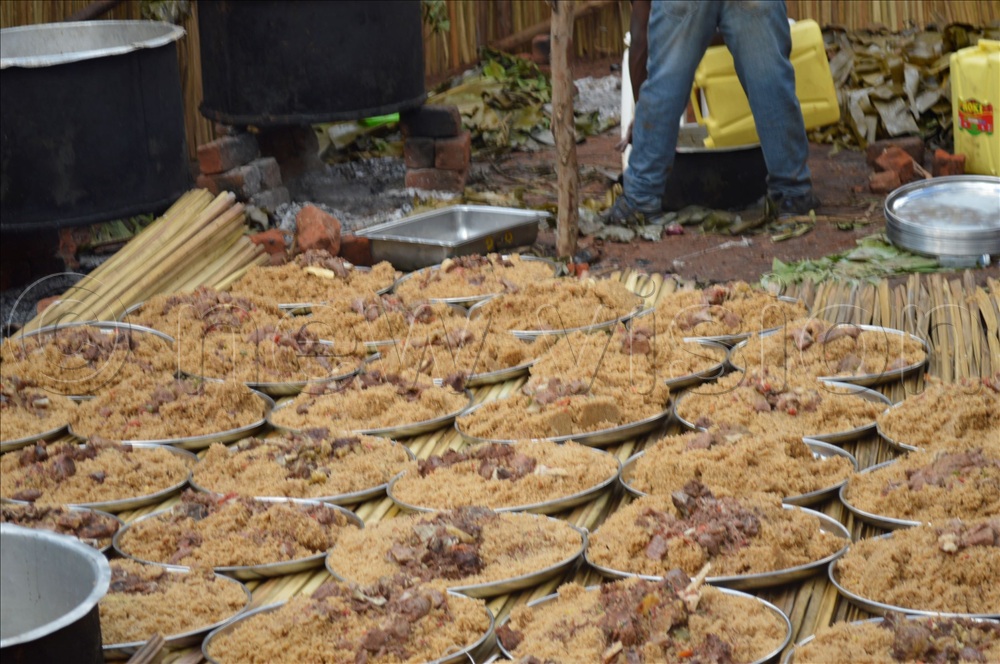
On the other hand, he strongly warns against foods that dominate many modern diets. Mandazi, refined chapati, white bread, biscuits, crisps and fried chips are high in refined carbohydrates and unhealthy fats.
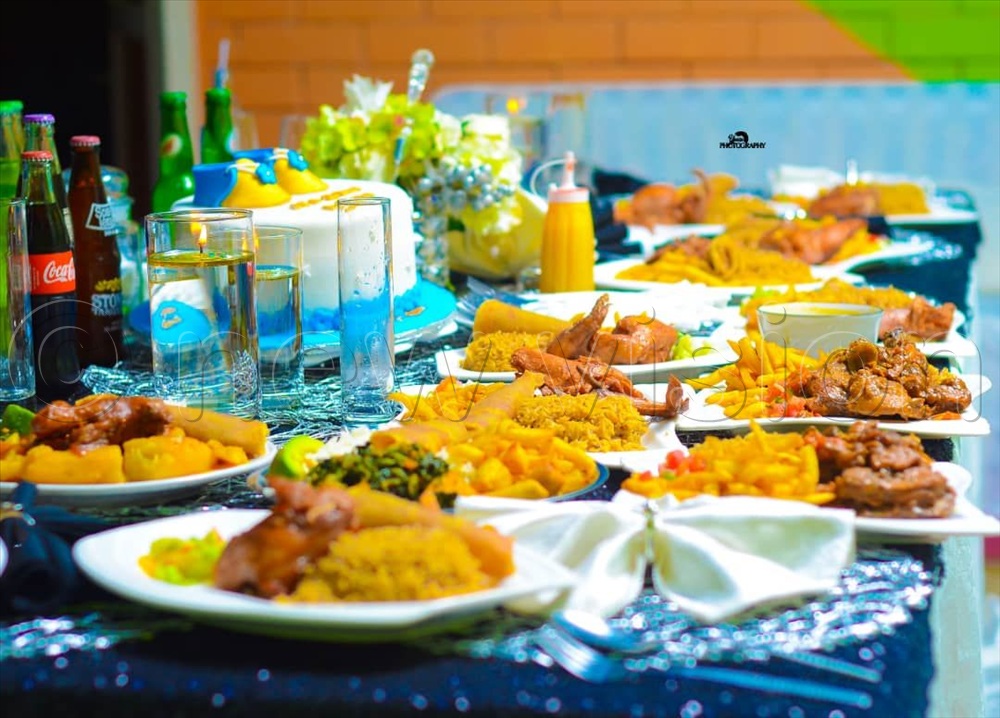
Sugary sodas, table sugar and beer place heavy strain on the body’s metabolism. Processed meats like sausages and bacon, deep-fried pork and chicken, margarine and refined vegetable oils such as sunflower, corn and palm oils are linked to inflammation and chronic disease.
“Sugar is public health enemy number one, it gives short-term pleasure in the mouth but long-term suffering in the body," says Kasenene.
'Eat your fruit whole'
Hajara Nakintu, a nutritionist at Matugga Medical Centre in Wakiso district, says one common question she hears is: If we reduce intake of foods like rice, matooke, posho, millet and potatoes, what shall we eat?
And her answer is simple: more vegetables, fruits, legumes, nuts and seeds.
The problem is that many people cannot imagine a plate without carbohydrates occupying most of the space.
Nakintu also cautions against fruit juices. While fruits are healthy, juicing removes fibre, causing natural sugars to spike in the blood. “Eat your fruit whole."
Plating percentages
Meanwhile, Kasenene follows several guiding principles. For instance, about 90 percent of food should come from plants, with animal foods eaten sparingly, perhaps only on weekends.
He recalls how elders in the past ate meat only a few times a year, compared to today’s regular consumption.
He recommends that half of every plate be filled with vegetables and fruits, with only 25 percent starchy foods and 25 percent protein, preferably plant-based.
Kasenene also encourages eating some food raw daily and practising a minimum 12-hour fasting window.