
Increased malaria cases at Busana landing site worry medics
“As we deliver medicines to you, it is not enough. You must, as communities, understand and accept the services we provide. Prevention must be owned at the household and community level,” Justine Nakintu, outreach coordinator, told the over 600 patients, who gathered at the landing site during a counselling session after receiving treatment from medics.
A medic takes blood samples from a child as her mother looks. This was at Busana landing site along Lake Victoria, Busana village, Nyenga Sub-county in Buikwe district. (Credit: Douglas Mubiru)
BUIKWE - Malaria infection during pregnancy remains a major public health challenge in Uganda, posing serious risks to mothers and newborns, medics have warned, saying infections in the country are rising again after several years of steady decline.
Latest findings show that malaria prevalence among children aged six months to five years increased from 10 percent in 2018/2019 to 13 percent in 2024/2025, reversing gains recorded over the past decade.
The findings are contained in the Uganda Malaria Indicator Survey (UMIS) 2024/2025, released by the Uganda Bureau of Statistics during a dissemination workshop in Kampala.
The findings were also a concern during a one-day medical outreach by St. John Ambulance medics at Busana landing site at the shores of Lake Victoria, Busana village, Nyenga Sub-county in Buikwe district, as they treated more malaria illnesses among mothers and children compared to previous outreaches.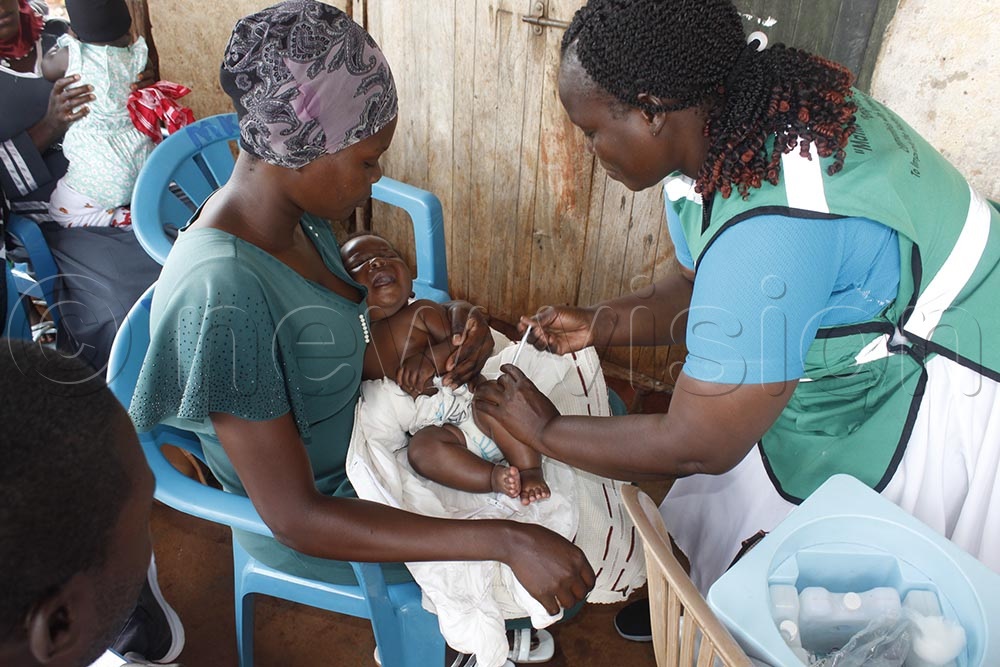
A medic immunizes a child during a health camp on Tuesday at Busana landing site along Lake Victoria, Busana village, Nyenga Sub- County in Buikwe district. (Credit: Douglas Mubiru)
“As we deliver medicines to you, it is not enough. You must, as communities, understand and accept the services we provide. Prevention must be owned at the household and community level,” Justine Nakintu, outreach coordinator, told the over 600 patients, who gathered at the landing site during a counselling session after receiving treatment from medics.
Nakintu emphasised that malaria elimination requires a coordinated community approach, warning that failing to sleep under mosquito nets that they freely provide to communities will instead increase malaria infections among residents.
She urged families to properly use mosquito-treated nets, maintain hygiene around homes and eliminate mosquito breeding grounds such as stagnant water and overgrown bushes.
“For those who have received treatment, make sure that you give children the drugs as prescribed by our medics, and ensure the dose is complete,” she urged.
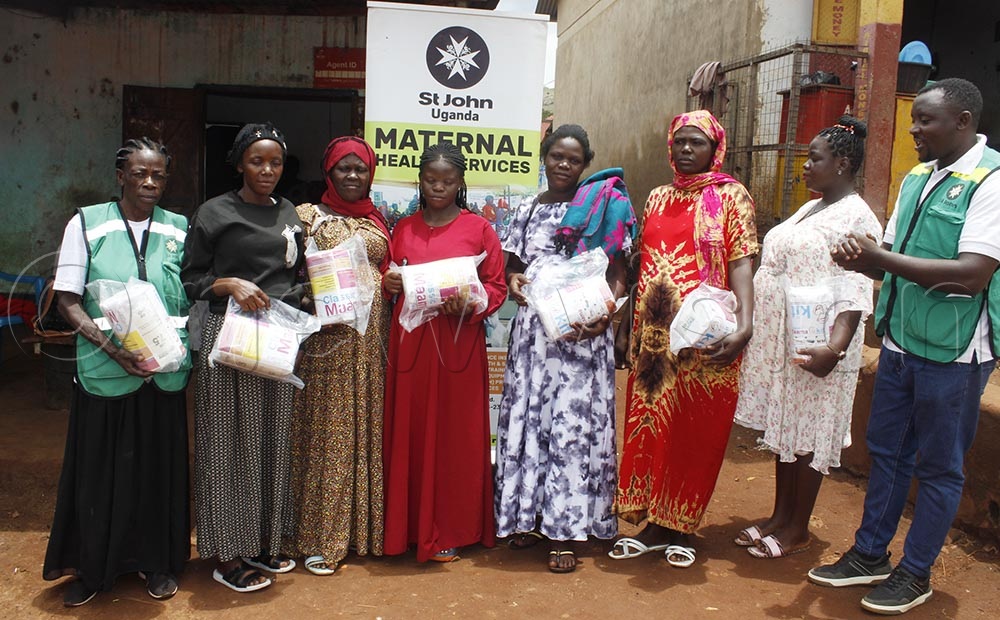
Some of the expectant mothers who were given mama kits by St. John Ambulance. (Credit: Douglas Mubiru)
Supporting expectant mothers
Dr Joseph Kasirye said the health camp placed emphasis on supporting expectant mothers, promoting early child planning literacy, and providing guidance to couples experiencing fertility challenges.
“Reproductive health is foundational to family stability and national development. When maternal health services are accessible, we reduce preventable complications, maternal mortality, and newborn risks. Early screening, timely antenatal care, and informed family planning empower women and couples to make safe, confident decisions about their health,” Kasirye said.
Medics also gave out mama kits to expectant mothers, urging them to always give birth in health centres rather than traditional birth attendants.
Family planning
Medics also dispensed family planning to the fishing community mothers who needed it, warning against the growing misconception among women and girls that contraceptive implants protect them from HIV and other sexually transmitted infections (STIs).
“Family planning is good for you, and child spacing, plus proper planning for your family, but we remind you that an implant does not prevent HIV or STIs. It only prevents pregnancy. We do not want to reduce pregnancies and at the same time increase HIV infections. That would be catastrophic,” Dr Kasirye said.
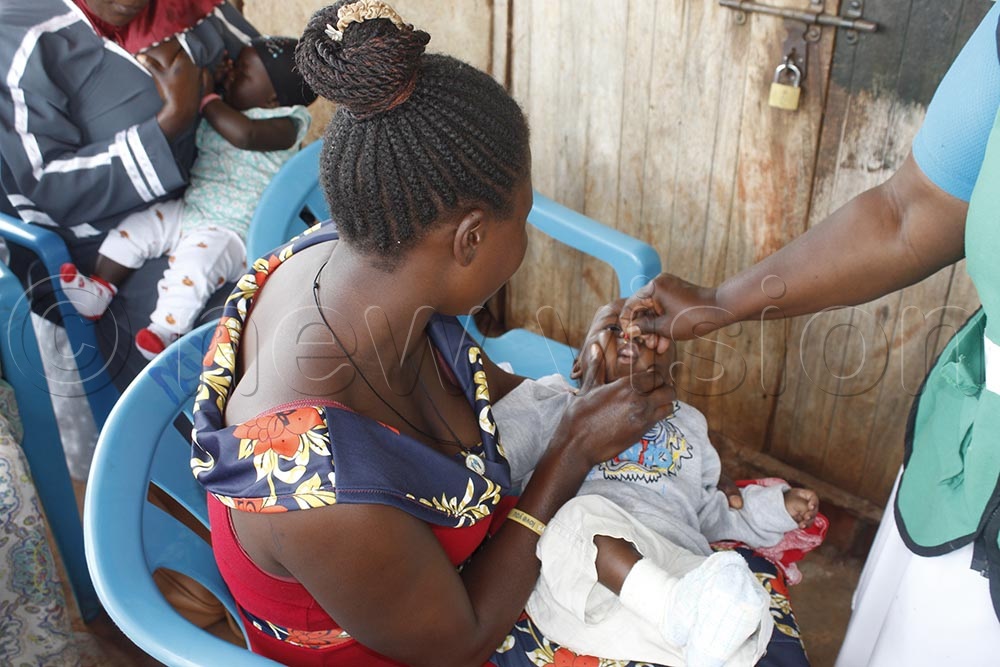
Several children were immunised.
Among other services, the outreach offered was immunisation of children, HIV testing, and counselling, among others.
Teenage mothers laud St. John Ambulance
19-year-old Doreen Akello, who conceived while in Senior three, said she does not hope to return to school, but was embarking on looking after her 2-year-old toddler.
“I really thank St. John, for it is their family planning that has kept me moving; otherwise, I would have given birth to a second child by now. But if they can again bring back baking lessons, so that we train and I get skills to earn a living and help my husband, a builder, to look after our child,” Akello said.
Florence Namukasa, also 19, requested that the organisation (St. John Ambulance) provide them with weekly outreaches.
“These medics are our only hope; we do struggle whenever they take too long to come here. But we pray, they also begin giving us body-building foods like porridge for our babies, we also need clean water at this landing site, and toilets. If God can use them, and we have that, then we shall be more relieved,” remarked Namukasa.