
Experts warn half of mental illnesses begin in childhood
Kalani emphasises that ignoring children’s mental health is not just a personal issue; it affects the whole society.
Children engaged in activity during the national dialogue on mental health and psychosocial support for children in displacement. (Photos by Jacky Achan)
________________
Statistics show that nearly 50% of mental illnesses start before the age of 14, yet they are often identified only in the late teenage years or even adulthood.
“Childhood is a critical period. If we do not address these mental health issues early, children may develop permanent complications because a significant amount of time is lost during the illness,” says Kenneth Okware Kalani, a psychiatrist and senior medical officer at the Mental Health Division of Uganda's Ministry of Health.
“These complications can affect their reasoning, social skills, and even adaptive abilities, which are the skills needed to work and live as responsible adults.”
Kalani emphasises that ignoring children’s mental health is not just a personal issue; it affects the whole society.
“If we do not deliberately identify and support children with mental health issues, we are surrendering our future. Uganda thrives because its people are mentally healthy, productive, and able to contribute to society. Mental illness can undermine that ability, and its effects can continue into adulthood.”
Kalani describes mental health as a cross-cutting issue that affects people throughout their lives.
“There can’t be health without mental health. The brain is the powerhouse, it shapes how we interpret the world, learn, work, cope with daily stress, and contribute to society. This is why mental health, especially in children, must be a priority.”
Kenneth Okware Kalani, a psychiatrist and senior medical officer at the Mental Health Division of Uganda's Ministry of Health.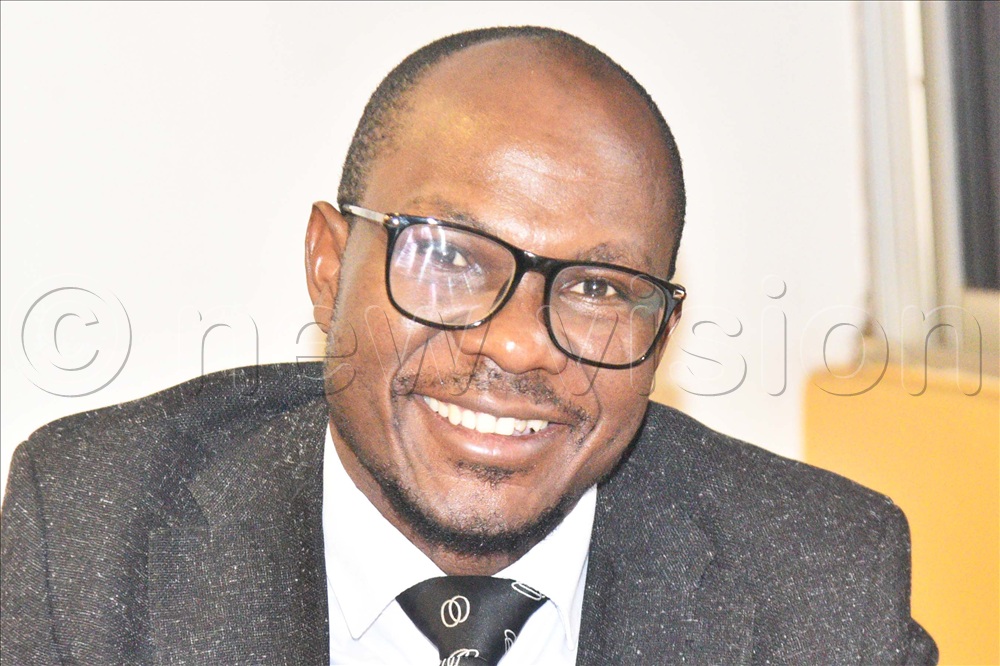
From Uganda’s census report, 42.3% of the population is below 14 years, and when slightly broadened, this figure exceeds 70%. “Uganda is one of the youngest nations in the world,” Kalani notes.
Need to strengthen systems
Kalani explains the long-term importance of early intervention. “We have to adapt our systems to identify and support children’s mental health. Only then can we ensure we will have adults capable of taking care of society as they age.”
He remarked during the National Dialogue on Mental Health and Psychosocial Support for Children in Displacement, held in Kampala on May 13, 2026.
The event, themed “Positioning Children’s Mental Health at the Centre of Service Delivery and Policy Conversations,” organised by the by refugee law project, school of law, Makerere University, gathered policymakers, mental health experts, and development partners to discuss ways of improving child mental health services.
“This dialogue is very important. It is not only necessary but timely, as we make progress to strengthen mental health services in Uganda,” said Kalani, while speaking on behalf of the Ministry of Health’s Assistant Commissioner for the Division of Mental Health and Controlled Substance Abuse.
He said the ministry is particularly committed to advancing mental health services, both generally and specifically for children.