
Ebola: East Africa partner states asked to enhance cross-border preparedness
The new outbreak underscores the continuing threat posed by epidemic-prone diseases and the importance of regional solidarity and preparedness
Workers renovate an Ebola isolation and observation site for suspected cases and close contacts in Goma, the Democratic Republic of the Congo (DRC), on May 19, 2026. (Xinhua)
___________________
East African Community partner states have been asked to heighten surveillance, strengthen emergency preparedness and intensify cross-border coordination following confirmation of a new outbreak of Ebola Bundibugyo Virus Disease (EVD) in the Democratic Republic of the Congo (DRC).
The outbreak was confirmed on May 15, 2026, by the Minister in charge of Public Health and is centred in Ituri Province in eastern DRC, bordering Uganda and South Sudan. The response is being led by the Ministry of Public Health, Hygiene and Social Welfare of the DRC with support from different partners.
Preliminary reports indicate that the outbreak is affecting mainly the Mongwalu and Rwampara health zones, with suspected cases also reported in Bunia, the provincial capital and a major transport hub in the region.
The current outbreak is the 17th recorded Ebola outbreak in the DRC since the disease was first identified in 1976 near the Ebola River. Two cases of Ebola Bundibugyo Virus, linked to travellers from the DRC, have been laboratory confirmed in Uganda, with one death reported in the capital city of Kampala.
On Tuesday (May 19), the EAC Deputy Secretary General in charge of Infrastructure, Productive, Social and Political Sectors, Andrea Aguer Ariik Malueth, said the new outbreak underscores the continuing threat posed by epidemic-prone diseases and the importance of regional solidarity and preparedness.
The East African member states are: Uganda, Kenya, Burundi, Democratic Republic of the Congo (DRC), Rwanda, Somalia, South Sudan and Tanzania.
“The EAC remains vigilant and fully committed to supporting Partner States in strengthening surveillance, laboratory diagnosis, infection prevention and control, risk communication and community engagement, particularly in border areas,” he said in a statement released by the Tanzania-based East African Community (EAC) Secretariat.
Ariik further added that given the high level of movement of people and goods across our region, coordinated preparedness and rapid information sharing are essential to preventing cross-border transmission and protecting the health and livelihoods of East Africans.
The EAC secretariat urges partner states to activate national and cross-border preparedness plans, enhance screening and surveillance at points of entry, and ensure health workers and rapid response teams are equipped and trained to detect and respond to any suspected cases.
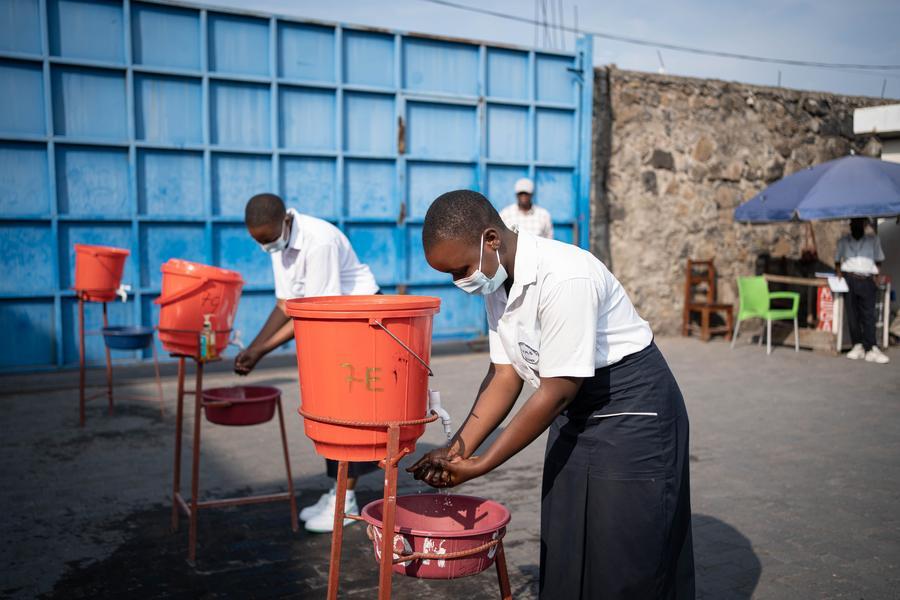
Local residents wash hands under the instruction of medical workers in Goma, the Democratic Republic of the Congo (DRC), on May 19, 2026. (Xinhua)
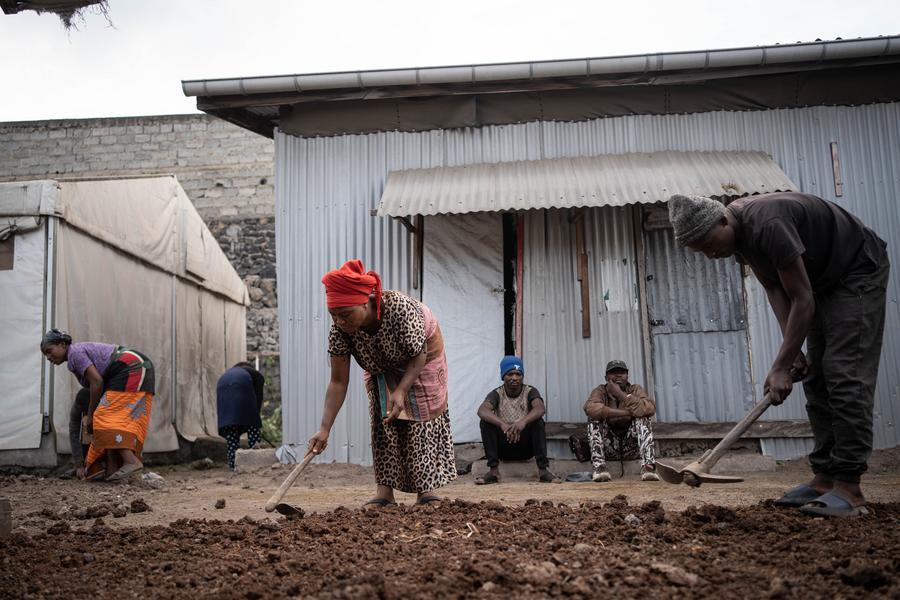
Workers renovate an Ebola isolation and observation site for suspected cases and close contacts in Goma, the Democratic Republic of the Congo (DRC), on May 19, 2026. (Xinhua
A media release from EAC headquarters in Arusha states that the secretariat is working closely with national ministries of health, regional institutions, Africa CDC, WHO and development partners, including the Deutsche Gesellschaft für Internationale Zusammenarbeit (GIZ) GmbH, Kreditanstalt für Wiederaufbau (KfW) and the Bernhard Nocht Institute for Tropical Medicine (BNITM), to strengthen pandemic prevention, preparedness and response capacities across the region.
Prevention measures include: rapid activation of the EAC mobile laboratory network to support cross-border surveillance along the DRC border, with UVRI as the EAC Regional Centre of Excellence working closely with the EAC and BNITM to strengthen the laboratory diagnostic response in the region.
The EAC Secretariat encouraged the public to remain calm, seek information from official sources and observe public health guidance.
Communities are advised to avoid contact with sick individuals and human remains, practice frequent hand hygiene, and report any suspected symptoms promptly to health authorities.
Ebola Bundibugyo Virus Disease (EVD)
Ebola Virus Disease is a severe and often fatal illness that affects humans and other primates. It is transmitted through direct contact with the blood or other body fluids of infected individuals, contaminated surfaces and materials, the bodies of people who have died from Ebola and infected animals such as bats and non-human primates.
The incubation period ranges from 2 to 21 days, and infected persons are not contagious until symptoms develop. Early symptoms include sudden fever, severe weakness, headache, muscle pain and sore throat, followed by vomiting, diarrhoea, abdominal pain and, in some cases, unexplained bleeding or bruising. Depending on the virus species and the availability of quality supportive care, case fatality rates can range from 25 per cent to more than 70 per cent.
There is currently no universally approved treatment for all species of Ebola virus, but early supportive care, including rehydration and treatment of specific symptoms, significantly improves survival. Vaccines and therapeutics are available for some strains and continue to play an important role in outbreak control.