
Ugandan youth, universities called to pursue EU study opportunities
Speaking during a meeting at the EU offices in Kampala on February 23, 2026, Juliette Rubenstein, programme manager in charge of education and higher education at the EU Delegation, outlined ongoing opportunities available to both individuals and organisations.
Juliette Rubenstein, Programme Manager in charge of Education and Higher Education at the EU Delegation, outlined ongoing opportunities for both individuals and organisations. (Photo by Sharon Nabasirye)
_________________
The European Union has urged Ugandan students and institutions to make greater use of opportunities under the Erasmus+ programme, describing it as a key platform for academic exchange, youth empowerment and institutional growth.
Speaking during a meeting at the EU offices in Kampala on February 23, 2026, Juliette Rubenstein, programme manager in charge of education and higher education at the EU Delegation, outlined ongoing opportunities available to both individuals and organisations.
For individuals, Rubenstein highlighted the Erasmus Mundus Joint Masters, which offers about 200 master’s programmes across European universities. According to the EU, Ugandan graduates who already hold bachelor’s degrees can apply between December and the end of January for admission in the following academic year.
She also pointed to nearly 100 existing partnerships between European and Ugandan universities that provide short-term mobility opportunities ranging from two to 12 months. Students were encouraged to consult their universities’ international relations offices to identify available exchange programmes.
The awareness meeting attracted officials from the Ministry of Education, representatives from the EU, university students, organisations that have benefited from the programme and those planning to apply for funding. Erasmus+ in Uganda offers significant opportunities for students, staff and higher education institutions through a range of mobility and capacity-building programmes funded by the European Union.
Hajji Muzamir Mukwatampola, commissioner for admissions, scholarships and student affairs at the Ministry of Education, described the programme as a transformative engine for innovation, exchange and development.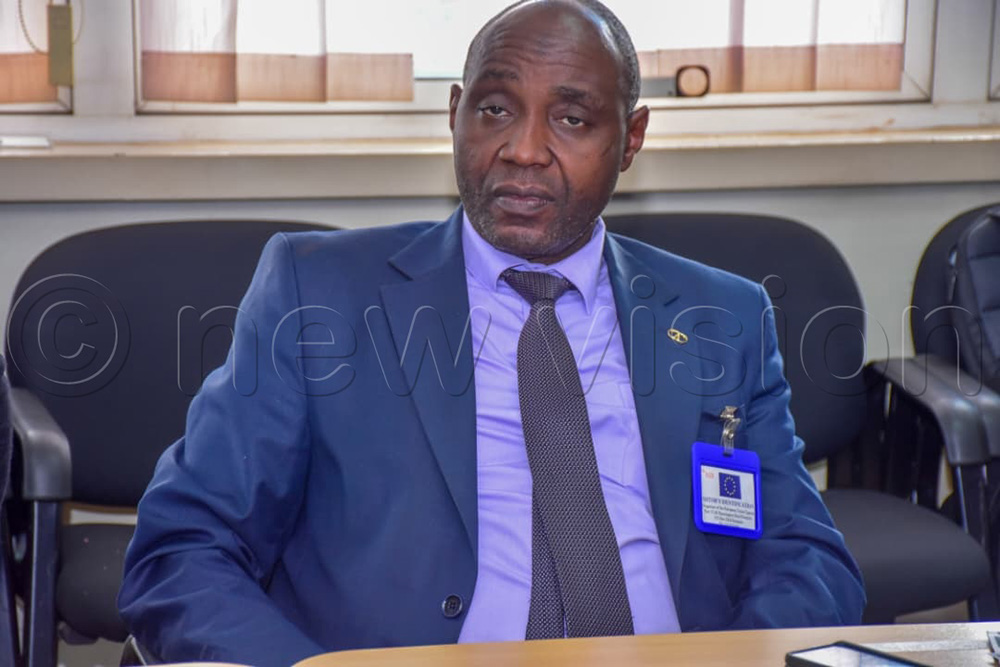
He guided participants on how to navigate the European Commission’s funding and tenders opportunities portal and obtain a Participant Identification Code, a mandatory requirement for organisations applying for funding.
Mukwatampola encouraged universities and youth organisations to actively engage with the programme, refine their project ideas and build strong international partnerships capable of creating lasting impact for young people in Uganda.
Rubenstein emphasised youth mobility and capacity-building initiatives, including virtual exchanges that link youth organisations in Uganda with counterparts in Europe. These exchanges focus on shared priorities such as climate change, digitalisation and peacebuilding.
She advised Ugandan institutions to first identify reliable European partners, since most Erasmus+ calls require a Europe-based lead applicant.
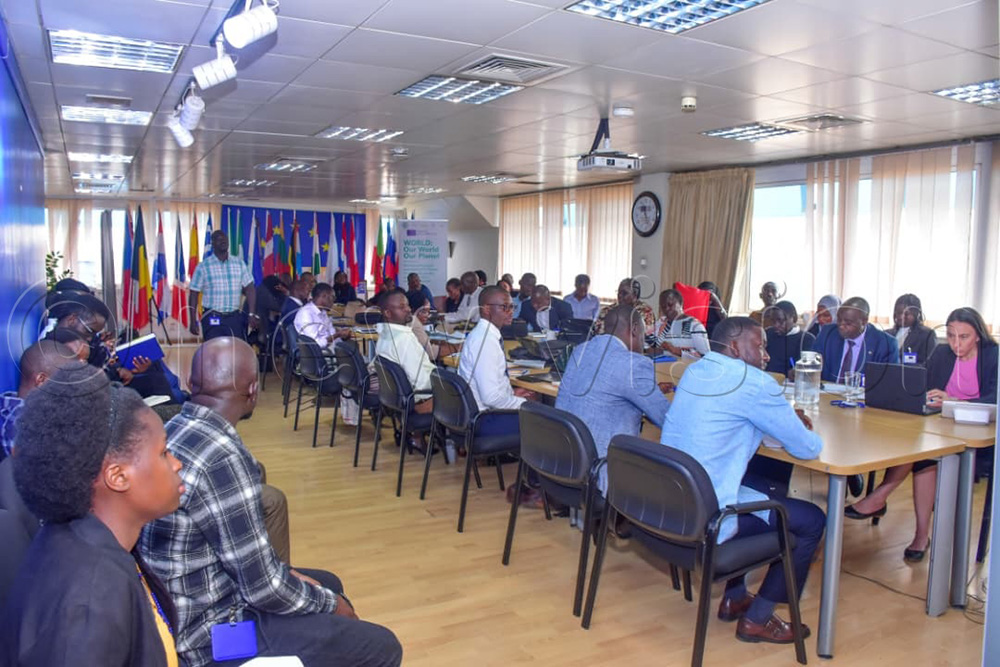
The awareness meeting attracted officials from the Ministry of Education, EU, university students, organisations that have benefited from this programme and those planning to apply for funding. (Photo by Sharon Nabasirye)
“The first step is to find a reliable partner in Europe. Then together you build a robust project with clear objectives and relevant activities,” she said.
Rubenstein stressed that Erasmus+ complements rather than replaces the work of the Ministry of Education and Sports, noting that the programme focuses specifically on international exchanges and mutual learning.
“We are not substituting what government is doing. This is about exchanges between the EU and other countries to learn from each other,” she explained.