
Sh930m IUIU skills laboratory boosts women’s medical training
Funded by the Islamic Solidarity Fund (ISF) under the Organisation of Islamic Co-operation (OIC), the facility is valued at shillings 930 million ($260,000) and is intended to ease long-standing infrastructure gaps at the campus.
Sh930m IUIU skills laboratory boosts women’s medical training
WAKISO - The Islamic University in Uganda (IUIU) has commissioned a new skills laboratory at its Females’ Campus in Kabojja, Wakiso district. The facility is expected to strengthen the training of female students in health-related courses and improve practical learning.
Funded by the Islamic Solidarity Fund (ISF) under the Organisation of Islamic Co-operation (OIC), the facility is valued at shillings 930 million ($260,000) and is intended to ease long-standing infrastructure gaps at the campus.
The laboratory, housed under the Faculty of Health Sciences, is expected to significantly improve practical training for female students pursuing medicine, nursing and public health.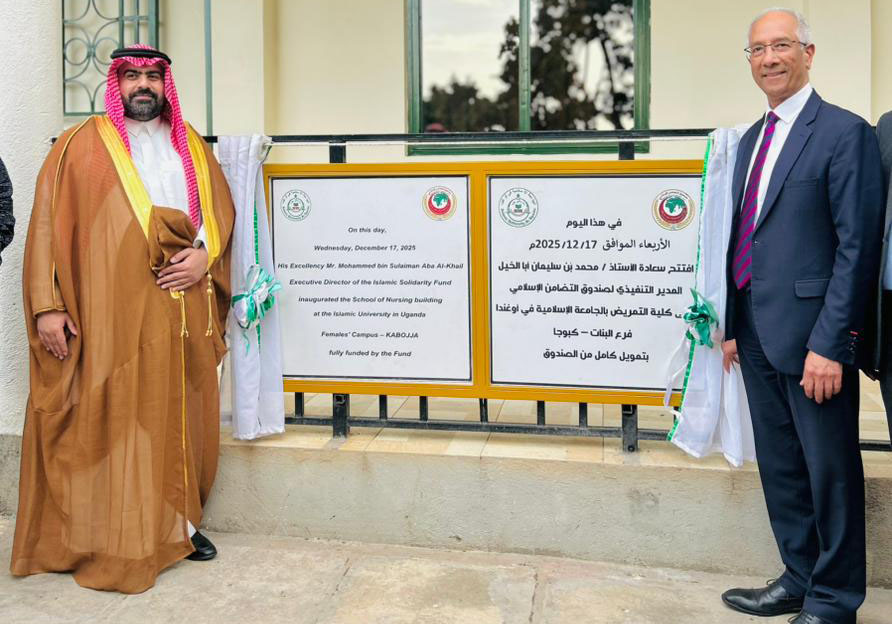
Beyond infrastructure, speakers stressed the humanitarian role of education, particularly in times of conflict.
Campus director Associate Professor Madina Nabukeera said the project responds to urgent needs that have constrained growth for years.
“Our campus has struggled with limited infrastructure, especially hostels, classrooms and laboratories. This building is a dream fulfilled. It will directly support the training of health professionals who are badly needed in Uganda and the region,” she said.
So far, shillings 464 million ($130,000) of the total grant has been disbursed, with the remainder expected to complete the project. University officials say the facility will allow more students to gain hands-on clinical skills, improving both the quality and scale of training offered at the female-only campus.
The commissioning ceremony on December 9, 2025, also highlighted the long-standing relationship between IUIU and the Islamic Solidarity Fund. Prof. Ismail Simba Gyagenda, representing the university’s management, said ISF support dates back to 2008, when the fund helped the university acquire land for the female campus.
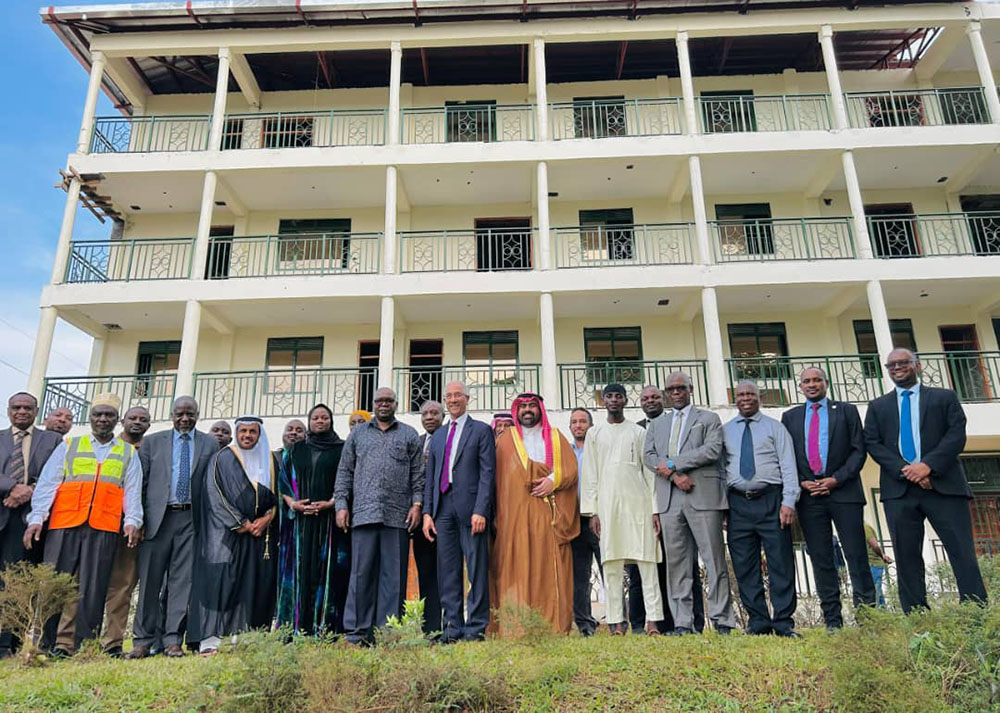
“At that time, the campus had about 300 students. Today, we have over 1,600. ISF has been part of this journey for many years, supporting not just infrastructure but also the values that shape our graduates,” Gyagenda said.
He added that IUIU’s emphasis on academic excellence, discipline and religious formation has helped its alumni gain trust in workplaces across the country.
“Our graduates are easily employed because society knows what they stand for,” he said.
That view was echoed by IUIU Estates Committee chairperson Nusurah Tiperu, who praised the contribution of female graduates to public service and private institutions.
“The girls who graduate from IUIU are among the most disciplined in our societies and in the civil service. They have been entrusted with institutions, companies and ministries because of their culture and manner,” she said.
Tiperu also linked the success of female education to government policy, citing affirmative action measures that award extra entry points to female university applicants.
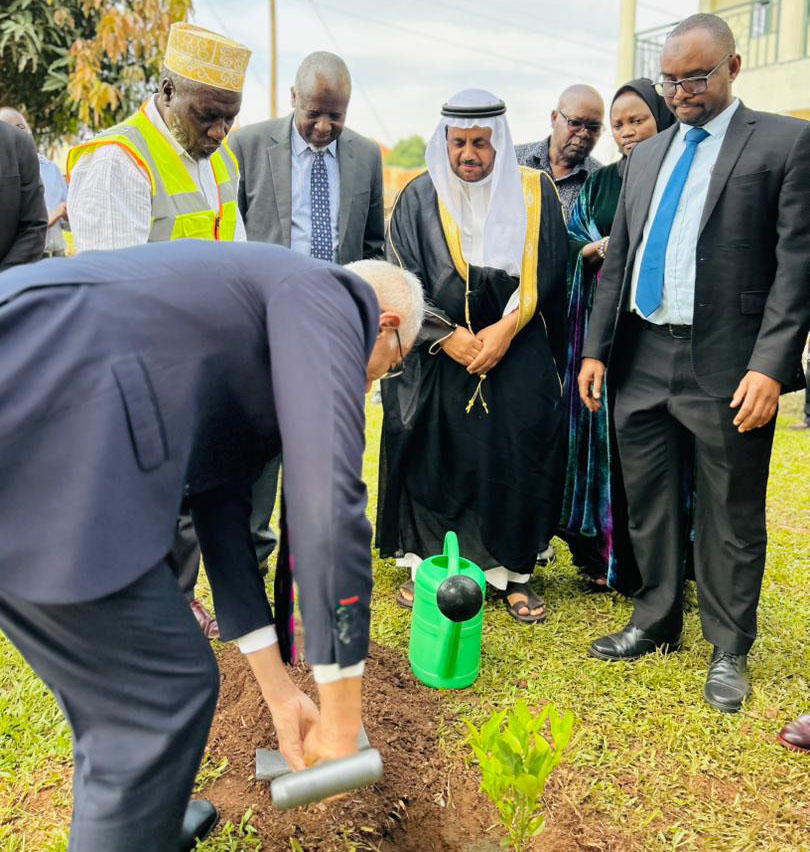
Dr Saleh Hamad A. Alsuhaiban, Vice President of the Islamic Solidarity Fund, plants a tree.
She credited the policy, championed by President Yoweri Museveni, with widening access to higher education and preparing more women for leadership roles.
Beyond infrastructure, speakers stressed the humanitarian role of education, particularly in times of conflict.
Prof Nabukeera appealed for increased scholarships for students from Sudan, many of whom have been displaced by ongoing conflict and are already receiving support through ISF programs.
Islamic Solidarity Fund vice-president Dr Saleh Hamad A. Alsuhaiban, also Saudi Arabia’s Permanent Representative to the OIC, said investing in education must go beyond buildings.
“Investing in a building is easy. The real challenge is investing in human beings.” he told journalists.
He urged the Muslim community to use knowledge for the benefit of society, describing education as the most sustainable form of development.
The Organisation of Islamic Cooperation described the project as part of a broader historical commitment. Professor Dr Aftab Ahmad Khokher, OIC Assistant Secretary General for Science and Technology, said the idea of establishing IUIU was conceived in the 1970s, with discussions beginning in Pakistan.
Dr Khokher called for stronger unity among Muslim countries to advance education, science and technology, and pledged to support more projects at the IUIU female campus.
His vision, he said, is to see the university grow into a globally recognised institution.