
Inclusion education to bridge gap with refugee host communities
Centred on inclusion education to bridge the gap with refugee host communities, the initiative is expected to equip refugees with critical digital and soft skills while cultivating empathy-driven integration.
Operating across Italy, Lithuania, Tanzania, and Ghana, the REFLECT project aims to develop a global framework for host nations. (Photos by Wilfred Sanya)
________________
To dismantle barriers and foster mutual understanding between displaced populations and their neighbours, the European Union (EU) has launched a pioneering partnership with the Uganda Small Industries Association Scale (USSIA).
Centred on inclusion education to bridge the gap with refugee host communities, the initiative is expected to equip refugees with critical digital and soft skills while cultivating empathy-driven integration. This is expected to enable them to actively contribute to Uganda’s economy.
Project manager Sam Walusimbi of Vocax Startup Hub and Training Centre says this refugee-led initiative prioritises empathy, exchange and critical thinking among trainers.
Speaking at USSIA’s headquarters at Lugogo in Kampala city on April 28, 2026, Walusimbi said: "As the modern job market requires a lot of digital skills, this project intends to deliver targeted training in digital and soft skills to enhance participants’ employability."
Crucially, it includes a virtual exchange component designed to build intercultural dialogue and digital inclusion for refugees and youth in conflict-affected regions who often lack access to stable education.
Operating across Italy, Lithuania, Tanzania, and Ghana, the REFLECT project aims to develop a global framework for host nations.
"We feel the training will offer the refugees an opportunity to communicate, collaborate across cultures and participate in our society. And will enable the refugees to open up, as some of them are trained, but they only have the barrier to open up," Walusimbi said.
"If we train them and bring them closer to learn everything, they need to add value in our economy and at the same time transform their lives to stop donor dependence."
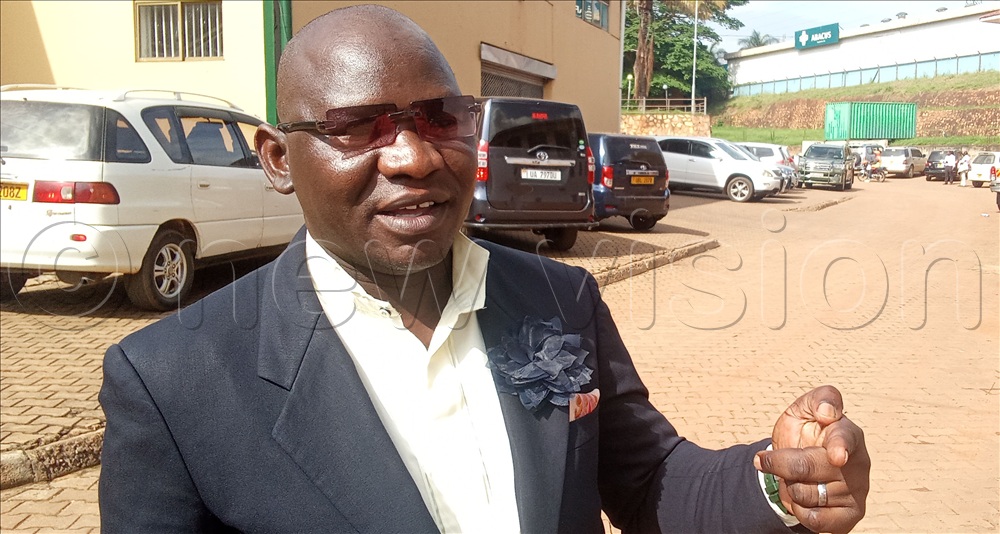
The initiative’s success hinges on understanding refugees’ psychological transitions.
George Ssebanenya, a counselling psychologist specialising in refugee education at YMCA, said: "When we see refugees spending a lot of money, they have a lot of stress. Handling them requires a trained counsellor with patience and empathy."
Patrick Apita, the academic co-ordinator at Lugogo Industrial Training Institute, said the training is aligned with technical and vocational education and training (TVET) goals.
While commending the focus on Advanced Certificate of Education graduates, he stressed practical outcomes: "Taking into consideration the people we train should be going through such training to be able to set up their own business once they leave training, they will have the opportunity to survive."