
Feed the future: Inspectors rally to save school meal programs
In response to these growing concerns, inspectors of schools from Karamoja, Acholi and West Nile gathered at Churchill Hotel in Gulu on April 3, 2026, for a high-level training aimed at standardising school feeding programmes. Supported by the World Food Program, the Ministry of Health and NEMA, the initiative equipped school managers with tools to maintain health and safety standards.
Jenniffer Namono, Inspector of schools in Nabilatuk district. (Photo by Claude Omona)
_______________
School feeding programmes across Northern Uganda are under fresh scrutiny, as education officials warn that the looming withdrawal of international aid could undermine student enrolment and academic performance.
To bridge the gap, authorities are urging parental contributions and the adoption of school gardens to ensure no child learns on an empty stomach.
A regional strategy for nutritional security
In response to these growing concerns, inspectors of schools from Karamoja, Acholi and West Nile gathered at Churchill Hotel in Gulu on April 3, 2026, for a high-level training aimed at standardising school feeding programmes.
Supported by the World Food Program, the Ministry of Health and NEMA, the initiative equipped school managers with tools to maintain health and safety standards.
While the training highlighted that private schools are currently outperforming government institutions, the focus remained on sustaining progress made by the Ministry of Education and Sports and communities.
Push for agricultural self-reliance
Charles Ojok Egwang, the head of education standards for the Northern Region, emphasised that schools can no longer rely solely on external supplies. He urged institutions to embrace school gardens as a sustainable source of food.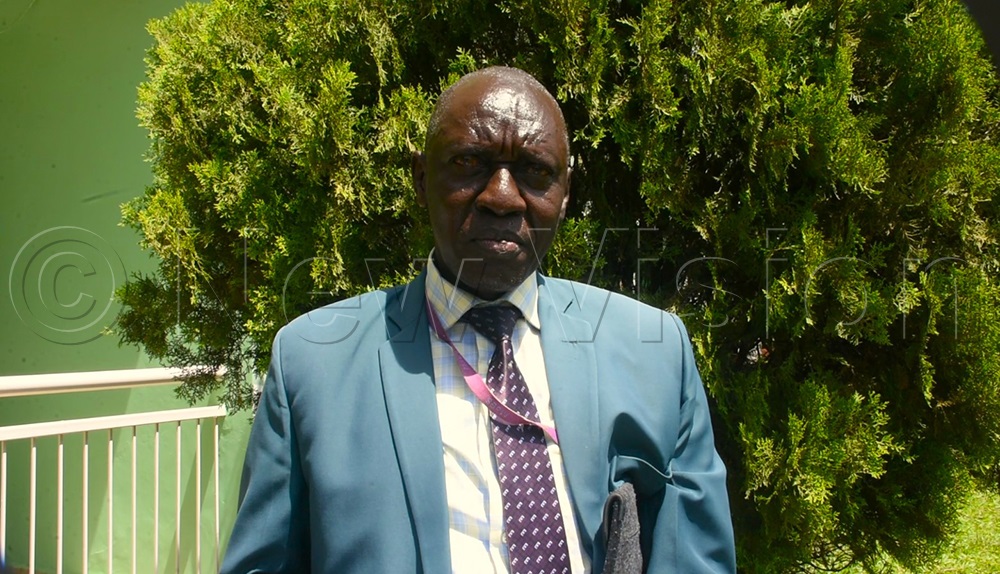
Charles Ojok Egwang, the head of education standards for the Northern Region. (Photo by Claude Omona)
Beyond food production, the training also addressed the environmental cost of cooking, with schools directed to transition to energy-saving stoves to protect the environment and reduce fuel costs.
The Karamoja crisis and WFP exit
Concern is mounting in the Karamoja region following the World Food Program’s plans to withdraw support from secondary schools. Jessica Namono, the inspector of schools for Nabilatuk district, expressed deep concern over the transition.
“The World Food Program has done a lot in Nabilatuk district, and many learners have been able to stay in school, learn and pass examinations”, said Namono.
She warned that without this support, the impact would be severe: “The parents are poor, and they cannot afford to pay money since they do not always grow crops.”
Parental responsibility and the 'No Pay, No Food' policy
Education leaders are now calling on parents to take greater responsibility. Gaspher Mwaka, chairperson of the Uganda National Inspector of Schools (UNISA), noted that many successful schools require parents to contribute food items such as maize or cassava.
“It’s the responsibility of a parent to make sure that their children eat and perform well in school,” Mwaka recommends.
Addressing the strict enforcement of these contributions, Charles Ojok Egwang explained the reasoning behind the "no pay, no food" stance: “If the parent has not contributed, their children should not be allowed to get meals,” said Ojok.
He further warned that the lack of local government support following the WFP exit “would impact negatively on the enrolment, retention and performances in schools if the Local Government does not support this challenge soon.”
Lessons from Gulu’s success
While other areas struggle, Gulu city and district remain examples of success. This progress was sparked by a school feeding initiative launched by the Minister of Education and Sports, Janet Kataha Museveni, on May 9, 2018.
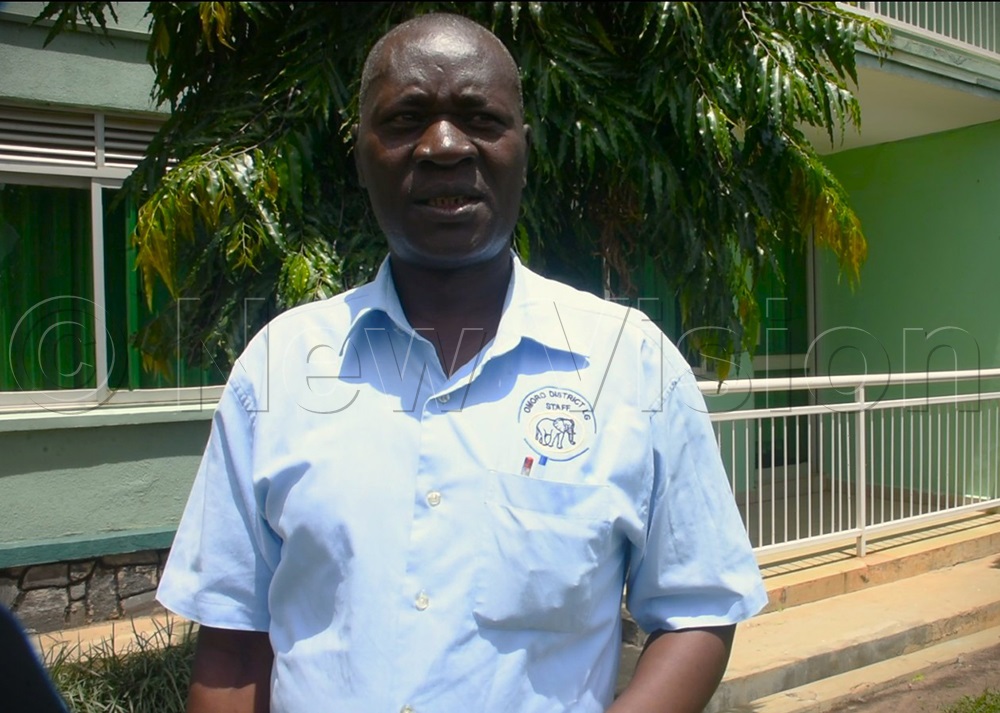
Mwaka Gaspher, the chairperson for Inspectors of Schools in Acholi. (Photo By Claude Omona)
Gaspher Mwaka noted that parents in these areas are proactive, offering a model for the rest of the country.
“In some schools I visited, I found some parents were bringing food Items such as Maize, cassava or even potatoes which is a very good idea that many schools should emulate,” said Mwaka.