
West Nile trader outcry triggers govt response in fake goods fight
The region, a hub for cross-border trade, has long struggled with substandard and counterfeit products such as cosmetics, medicines, toxic food, and other hazardous materials, which undermine legitimate businesses and threaten consumer welfare. For every shilling they invest in quality, traders grapple with unfair competition from illicit imports, threatening livelihood and regional trust.
Trucks crossing from Uganda to DRC, where the Vurra border customs in Arua district, where fake goods sometimes cross to the West Nile region. (Photo by Robert Adiga)
_________________
West Nile region's city of Arua is a bustling trade hub, but legitimate businesses are reeling from an onslaught of suspected cheap, substandard and counterfeit goods pouring in from the Democratic Republic of Congo (DRC) and South Sudan.
The region, a hub for cross-border trade, has long struggled with substandard and counterfeit products such as cosmetics, medicines, toxic food, and other hazardous materials, which undermine legitimate businesses and threaten consumer welfare.
For every shilling they invest in quality, traders grapple with unfair competition from illicit imports, threatening livelihood and regional trust.
“We cannot compete with fake good”, Moses Obeta, the chairperson of the Greater Arua Business Community, says.
"They are cheaper but dangerous because everybody wants to buy the cheapest product, and the effect is double-edged. On the one it reduces the sales of good quality products for us, the businesspersons dealing in genuine products, and on the other side, it affects the users themselves, including posing threats to health and life,” Obeta adds.
Need to improve checks and balances
Obeta says, despite the majority of the products crossing through the gazetted entry points into West Nile, the responsible government entities do not do enough checks and balances before clearance.
“Most of these products are sold within the business points like shops and supermarkets, and yet you don’t see the counterfeit products being confiscated, yet these control measures are supposed to be regularly done by the government. Therefore, UNBS and other enforcement agencies need to up their game and save the business community that pays taxes in this country”, said Obeta.
Why it is a hotspot
West Nile is a dangerous mix of substandard, counterfeit and fake goods that are suspected of flooding markets through porous borders with DRC and South Sudan.
A recent report by Uganda Revenue Authority has indicated that there are over 400 illegal entry points across the West Nile stretch from Pakwach to Adjumani district, offering a safe haven for those dealing in fake products to access the West Nile markets.
Now it is upon this background that the Uganda National Bureau of Standards (UNBS), the Uganda Revenue Authority, the National Drug Authority (NDA) and other government agencies have joined forces to protect citizens and legitimate businesses from this trade threat.
Arua City Chamber of Commerce blames the mess on the lack of a UNBS office.
Silas Anguzu, the acting chairperson of the National Chamber of Commerce, Arua city, attributes the continued entry of substandard and fake products to the lack of UNBS office in West Nile.
He says that as a result of massive smuggling, entrepreneurs in the city are suffering since their businesses are not protected.
“I don’t think there is political will on their side of the entities because at first I thought it was due to elections but now elections are over but you still don’t see them vivid on ground, even those want to report any case of suspected substandard goo, you cannot find an office, so the different entities need to step up”, Anguzu lamented.
Chamber to strengthen advocacy
Anguzu added that, as the chamber of commerce, their major role stops at advocacy and lobbying for the government.
“It is the government which is responsible for enforcement. So, our duty is to continue making noise to remind them that they should do their job. Let’s have the borders tight, let us have regulations and ensure our businesses are protected, and our people consume the right products”, added Anguzu.
UNBS boosts vigilance through recruitment
UNBS standards officer Enock Kalabika has commended the Government for boosting the budget of UNBS, enabling the body to do more recruitment for staff, as the country and particularly West Nile.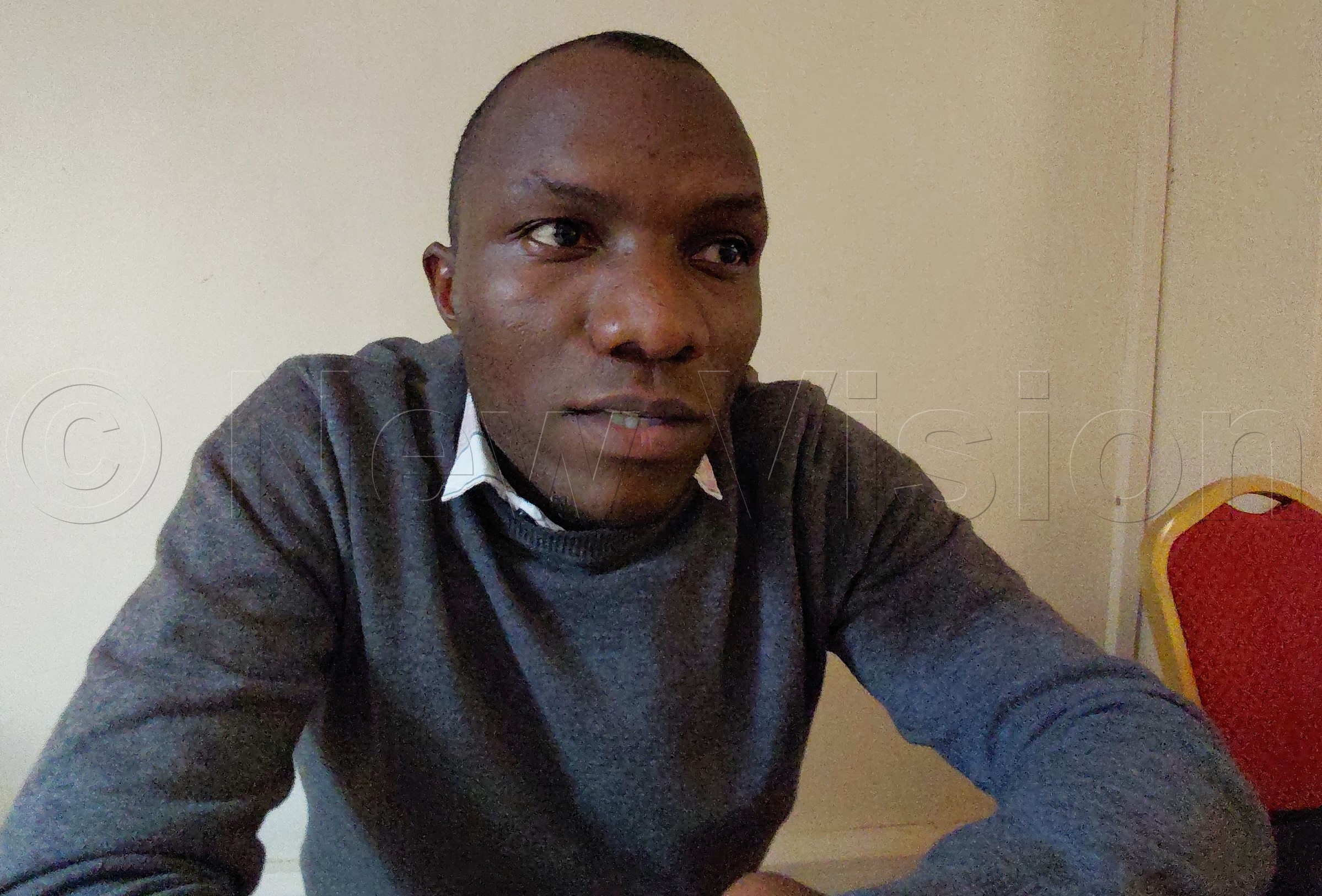
Enock Kalabika, the standards Officer UNBS. (Photo by Robert Adiga)
“We have very many border points and many of these have porous points because we never had staff to man but now we have done more recruitment, and in this, it is going to help UNBS staff to be in most of the border points and all three are going to ensure that they prevent entry of substandard products in the country,” Kalabika said.
UNBS partnership with other entities
Kalabika adds that UNBS does not work in isolation but in collaboration with other partners, including URA, NDA, the trade ministry, health ministry, and that of agriculture, in curbing the entry of substandard and counterfeit products into the country.
“For example, in every entry point, there is an officer of UNBS and an officer of URA and the platform we use to clear goods at the border, we share it where URA clears, and then UNBS clears all with the aim of ensuring that no substandard goods enter the region”, Kalabika assured.
Fake cosmetics impounded
Josephine Teddy Oyergiu, the supervisor in charge of West Nile region Customs Field Services, Uganda Revenue Authority, acknowledged registering fake and substandard cosmetics products along the entry points in the region.
“When we get consignments, majority of them are already tagged to UNBS certification meaning that when a consignment arrives there is a trigger to call UNBS and where possible we do joint verification and we are already aware that UNBS is the last person to grant releasing into the market any products and where they say a particular product does not meet standards, URA does not clear the product,” Oyergiu said.
She, however, said that many substandard products enter the country through ungazetted entry points and, in most cases, upon discovery, they impound the goods and are destroyed accordingly.
Substandard Cosmetics destroyed
Oyergiu added that many times, harmful cosmetic products have been smuggled into the country through the porous borders, and they have been subsequently destroyed.
“We have always impounded substandard goods and forfeited to the state, and they were destroyed, and we usually get the destruction reports, and that does not go without penalty because the destruction is done at the cost of the offender, meant to deter future happenings,” Oyergiu says.
Concerted effort needed
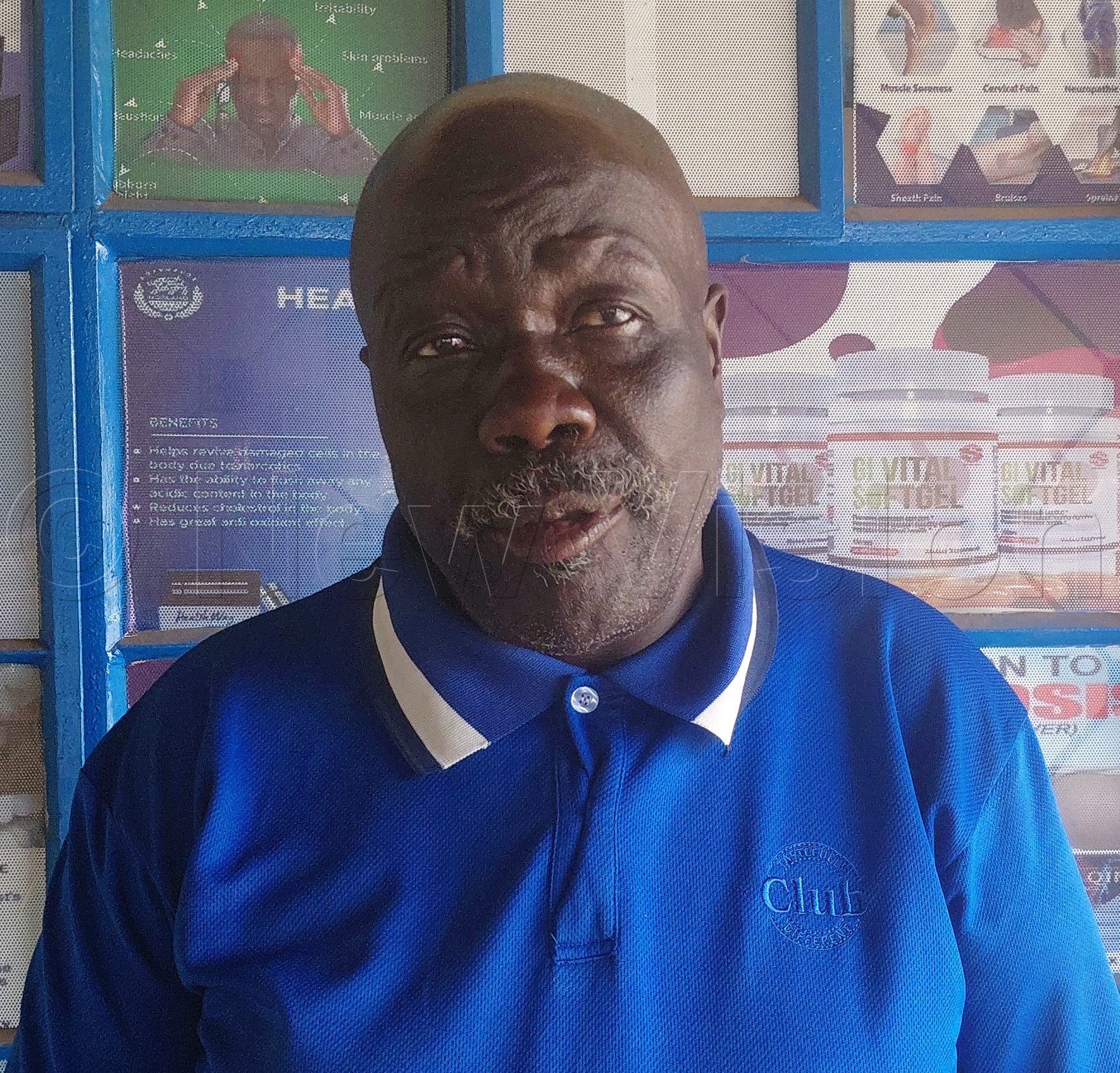
Dr Isaac Atiku, a retired public health expert and minister of health in the Lugbara cultural institution. (Photo by Robert Adiga)
Dr Isaac Atiku, a retired public health expert and health minister in the Lugbara cultural institution, says the region is in danger due to neighbouring countries.
“Especially given that a lot of unregistered drugs, energy drinks, and other food items not cleared by the authorities have found their way into Uganda,” Atiku says.
He adds that as a cultural institution, they are ready to work in liaison with the relevant agencies like NDA, UNBS, and URA, among others, to train their subjects on the issue of reporting suspected fake products entering the region through porous borders.
NDA intensifies supervision and detection mechanisms
NDA's spokesperson in charge of strategic engagements, Fred Kalungi Kabuye, said the body has been carrying out several operations for compliance due to persistent illegality carried out by the Ugandans, especially along porous borders.
In 2025, URA and UNBS unveiled new technological solutions in a concerted effort to combat illicit trade, a challenge they both recognise as a national concern.
The agencies are deploying digital tools to improve product traceability and protect consumers from substandard goods.
According to URA’s tax enforcement manager, Moses Kyomuhendo, the tax body is using digital tax stamps to increase oversight, particularly on excisable goods like soft drinks, alcohol and tobacco.
“These stamps, embedded with unique security features, allow the URA to track products that previously went unmonitored”, said Kyomuhendo.
The UNBS also launched the Digital Conformity Marking (DCM) programme.
This system provides a track-and-trace mechanism that helps consumers, retailers, and authorities distinguish between certified and substandard products.
UNBS spokesperson Sylvia Kirabo said the digital marks contain information such as product details, certification date, and manufacturer’s name.
The push for technological solutions comes as the country continues to lose significant revenue to illegal trade, with URA reporting a loss of more than shillings 91 billion in 2022 alone.
Recent reports also show that illicit alcohol accounts for a staggering 67 percent of the market.
Government support assurance
In August 2024, the trade minister Wilson Mbasu Mbadi reaffirmed his commitment to support UNBS activities geared towards facilitating trade, improving the competitiveness of Uganda's products and protecting Ugandan consumers against substandard products.
This was announced during the minister’s maiden visit to the Uganda National Bureau of Standards (UNBS) head offices in Bweyogerere.
In a report to the minister, the then UNBS acting executive director, Daniel Richard Makayi Nangalama, noted that the standards body was grappling with an inadequate budget and manpower to ably execute its mandate.
On his part, Mbadi promised to support the UNBS to perform its functions and deliver on its mandate.
Dangers of dealing in or consuming counterfeit products.
Health and safety risks
Many counterfeit products, especially pharmaceuticals, cosmetics, and electronics, bypass safety regulations. Fake medicines may contain incorrect or dangerous ingredients, while counterfeit cosmetics often include toxic chemicals like lead or mercury.
Similarly, counterfeit electronics can overheat, catch fire, or cause electric shocks due to substandard components.
Economic impact
Counterfeit goods drain billions of dollars from legitimate businesses every year. This erosion of revenue hurts innovation, as companies lose the incentive and resources to invest in research and development. Counterfeiting also undermines jobs, reducing employment opportunities in industries targeted by fake products.
Links to organised crime
The counterfeit trade is not a victimless crime. Many operations are linked to organised crime networks and even terrorism financing.
By purchasing counterfeit goods, consumers may unintentionally support illegal enterprises that traffic in human exploitation, drug smuggling, and other criminal activities.