
Business
'Uganda cuts border crossing time by 70%, saves $63m annually'
Lugolobi said the reforms have significantly improved the efficiency of cross-border trade and boosted Uganda’s competitiveness in regional markets.
'Uganda cuts border crossing time by 70%, saves $63m annually'
By: John Masaba, Journalist @New Vision
__________________
Uganda has reduced border-crossing time by 70 per cent through the establishment of one-stop border posts and other trade facilitation reforms, State Minister for Planning Amos Lugolobi has said.
Lugolobi said the reforms have significantly improved the efficiency of cross-border trade and boosted Uganda’s competitiveness in regional markets.
“By March 2025, over 15 one-stop border posts had been established, reducing border crossing time by 70 per cent and generating annual savings of approximately $63m (about sh232.7b),” Lugolobi said.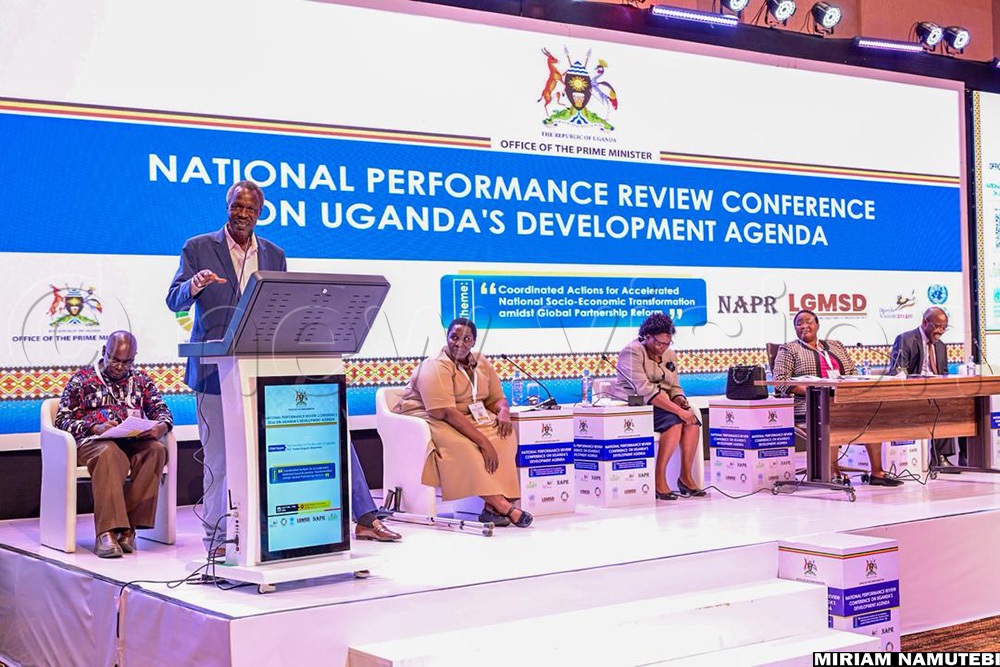
He was speaking during the National Performance Review Conference (NPRC), a high-level government forum aimed at assessing progress on Uganda’s development agenda.
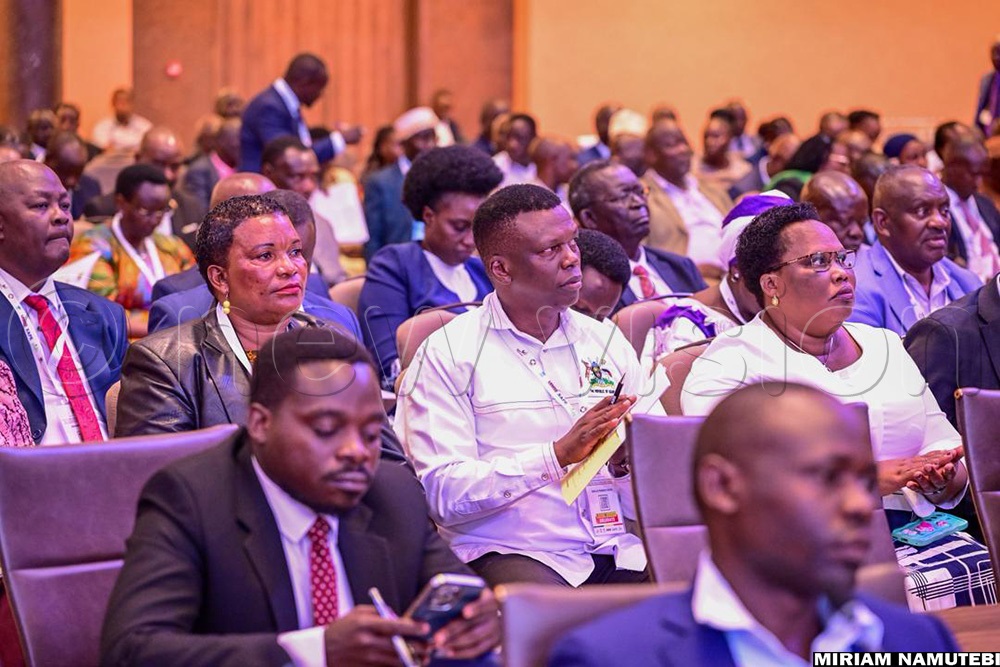
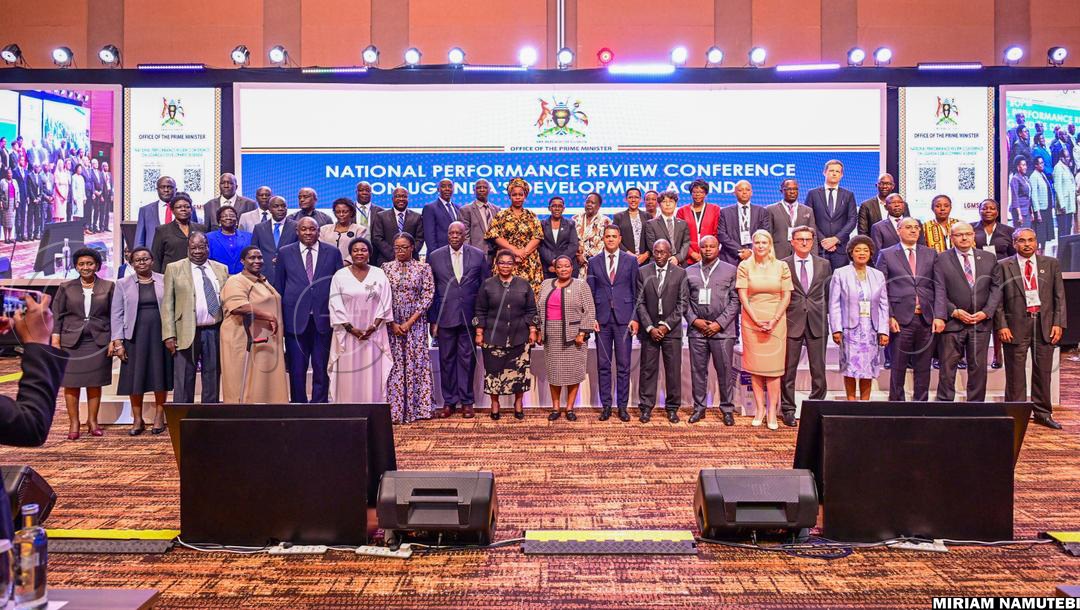
The three-day conference, convened by the Office of the Prime Minister, is taking place at Speke Resort Munyonyo and has brought together senior government officials, development partners, civil society representatives, academia and private sector leaders.
According to Lugolobi, who was giving the finance sector progress update at the event, the border reforms are part of broader government efforts to strengthen Uganda’s trade infrastructure and deepen regional integration under frameworks such as the East African Community (EAC) and the African Continental Free Trade Area (AfCFTA).
He said the government, working with development partners including TradeMark Africa, has invested in strategic trade infrastructure such as one-stop border posts, single customs territory systems and regulatory testing centres.
“These investments in physical infrastructure and intra-trade solutions have significantly improved the efficiency and effectiveness of cross-border trade cooperation,” he said.
Lugolobi noted, however, that challenges remain and called for further improvements, particularly in transport connectivity between Uganda and neighbouring countries.
“We still need to do more to improve transport and border infrastructure between Uganda and our regional trading partners,” he said.
The minister said improved border efficiency is expected to enhance export competitiveness, reduce business costs and support private sector growth.
Uganda’s private sector, dominated by micro, small and medium enterprises (MSMEs), accounts for 90 per cent of businesses, contributes 75 per cent of GDP and employs more than three million people, according to Lugolobi.
He said regional and global market integration remains critical for Uganda’s economic transformation.
“What we produce cannot be entirely consumed by the Ugandan market. We need to integrate across the continent and also bilaterally,” he said.
The minister added that the government is pursuing complementary measures, including online business registration, export readiness programmes and increased financing for enterprises to support trade-led growth.
The annual review conference is intended to strengthen coordination, promote accountability and ensure government programmes remain aligned with national development priorities.
The NPRC comes at a time when Uganda is pursuing its long-term ambition of transforming into a $500 billion economy by 2040 through the implementation of Uganda Vision 2040 and successive national development plans.
The review is particularly significant as the government shifts its focus to the Fourth National Development Plan, with an emphasis on identifying service delivery gaps and ensuring that public resources are used efficiently.
The minister said improved border efficiency is expected to enhance export competitiveness, reduce business costs and support private sector growth.
Uganda’s private sector, dominated by micro, small and medium enterprises (MSMEs), accounts for 90 per cent of businesses, contributes 75 per cent of GDP and employs more than three million people, according to Lugolobi.
He said regional and global market integration remains critical for Uganda’s economic transformation.
“What we produce cannot be entirely consumed by the Ugandan market. We need to integrate across the continent and also bilaterally,” he said.
The minister added that the government is pursuing complementary measures, including online business registration, export readiness programmes and increased financing for enterprises to support trade-led growth.
The annual review conference is intended to strengthen coordination, promote accountability and ensure government programmes remain aligned with national development priorities.
The NPRC comes at a time when Uganda is pursuing its long-term ambition of transforming into a $500 billion economy by 2040 through the implementation of Uganda Vision 2040 and successive national development plans.
The review is particularly significant as the government shifts its focus to the Fourth National Development Plan, with an emphasis on identifying service delivery gaps and ensuring that public resources are used efficiently.
At the centre of the current agenda is the government's Tenfold Growth Strategy, which seeks to expand Uganda’s economy from about $50 billion to $500 billion over the next 15 years.
While presiding over the opening ceremony on behalf of President Yoweri Museveni, Prime Minister Robinah Nabbanja said the government had, since 2023, deepened its focus on results-oriented leadership through strengthened national results frameworks and improved data systems to better track performance.
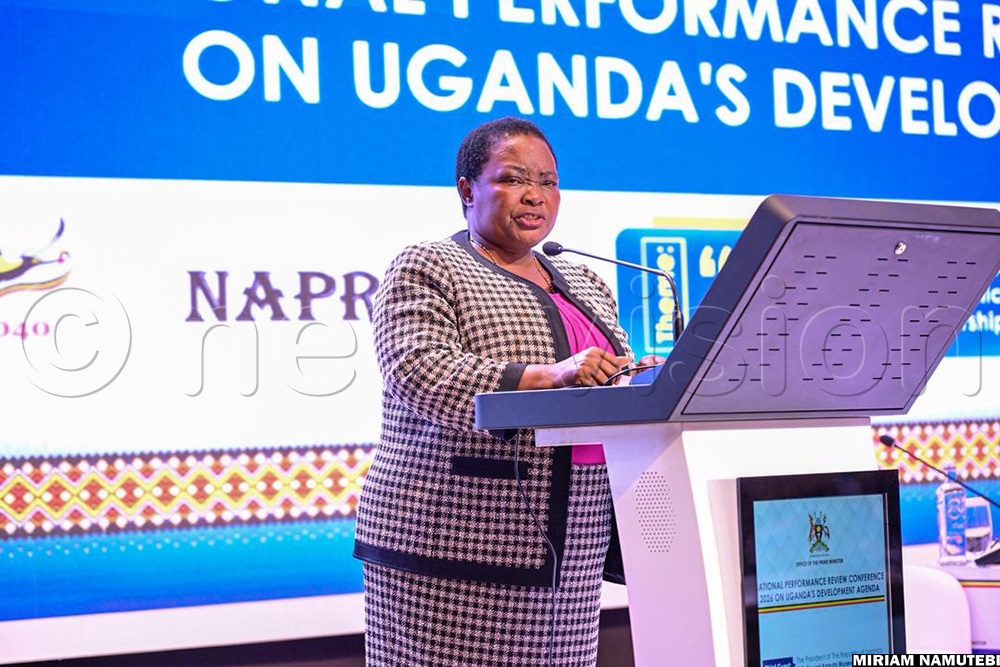
She said the conference provides an opportunity for the government to take stock of collective performance and assess progress across sectors and local governments.
“This conference is not merely a routine engagement; it is a strategic platform for honest reflection on where we are succeeding, where we are falling short, and what corrective action is required to improve performance,” Nabbanja said.
While acknowledging resource constraints and implementation bottlenecks, she urged participants to candidly interrogate the challenges and agree on practical steps to accelerate service delivery.
Linking the conference to the ongoing leadership retreat in Kyankwanzi, Nabbanja said effective leadership must be anchored on discipline, patriotism and measurable results.
“As leader of government business, I place great importance on ensuring that what is approved in policy and budget is effectively implemented on the ground. The insights from this conference will directly inform government decision-making, strengthen accountability across institutions and guide our engagement with Parliament and development partners,” she said.
She added that the ultimate objective of the conference is to improve service delivery, create opportunities for citizens and ensure that no Ugandan is left behind.
“Our citizens expect results from government programmes, and it is our responsibility as leaders to ensure that public resources translate into tangible improvements in the lives of Ugandans,” Nabbanja said.
Nabbanja also highlighted Uganda’s growing regional profile, citing the country’s successful hosting of the 11th Africa Regional Forum on Sustainable Development and progress on the Kampala Declaration.
While presiding over the opening ceremony on behalf of President Yoweri Museveni, Prime Minister Robinah Nabbanja said the government had, since 2023, deepened its focus on results-oriented leadership through strengthened national results frameworks and improved data systems to better track performance.
She said the conference provides an opportunity for the government to take stock of collective performance and assess progress across sectors and local governments.
“This conference is not merely a routine engagement; it is a strategic platform for honest reflection on where we are succeeding, where we are falling short, and what corrective action is required to improve performance,” Nabbanja said.
While acknowledging resource constraints and implementation bottlenecks, she urged participants to candidly interrogate the challenges and agree on practical steps to accelerate service delivery.
Linking the conference to the ongoing leadership retreat in Kyankwanzi, Nabbanja said effective leadership must be anchored on discipline, patriotism and measurable results.
“As leader of government business, I place great importance on ensuring that what is approved in policy and budget is effectively implemented on the ground. The insights from this conference will directly inform government decision-making, strengthen accountability across institutions and guide our engagement with Parliament and development partners,” she said.
She added that the ultimate objective of the conference is to improve service delivery, create opportunities for citizens and ensure that no Ugandan is left behind.
“Our citizens expect results from government programmes, and it is our responsibility as leaders to ensure that public resources translate into tangible improvements in the lives of Ugandans,” Nabbanja said.
Nabbanja also highlighted Uganda’s growing regional profile, citing the country’s successful hosting of the 11th Africa Regional Forum on Sustainable Development and progress on the Kampala Declaration.