
Business
Uganda boosts agriculture drive with fleet handover to 69 districts
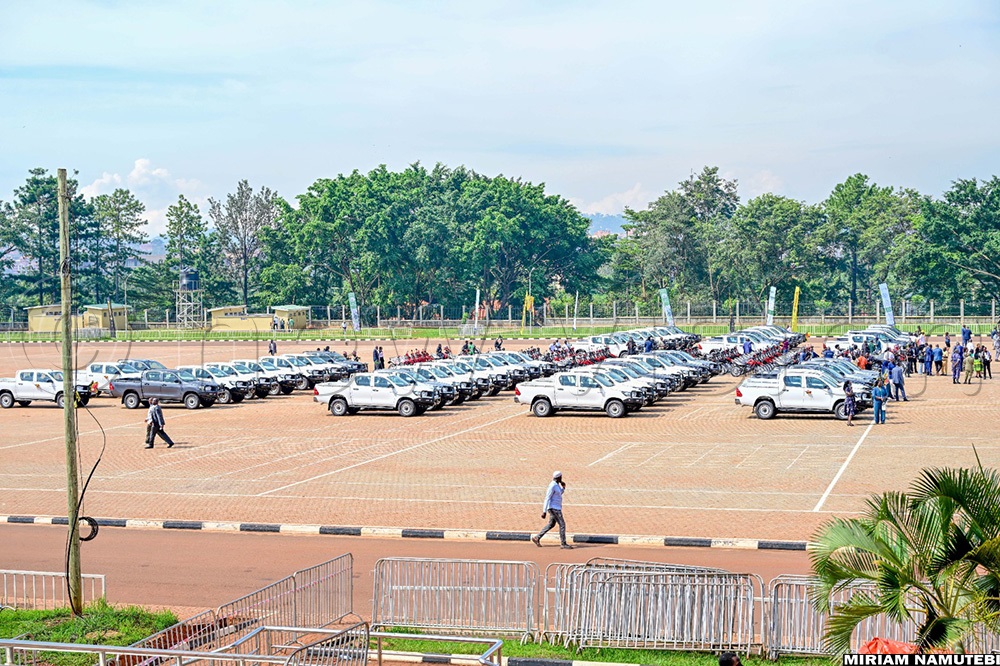
The permanent secretary in the Ministry of Agriculture, Animal Industry and Fisheries, David Kasura Kyomukama, on Tuesday (April 21) handed over the fleet under the Uganda Climate Smart Agricultural Transformation Project (UCSATP).
Uganda boosts agriculture drive with fleet handover to 69 districts
By: John Masaba, Journalist @New Vision
__________________
The government has stepped up efforts to modernise agriculture with the deployment of vehicles and motorcycles to 69 districts.
The move is aimed at strengthening extension services and farmer outreach across the country.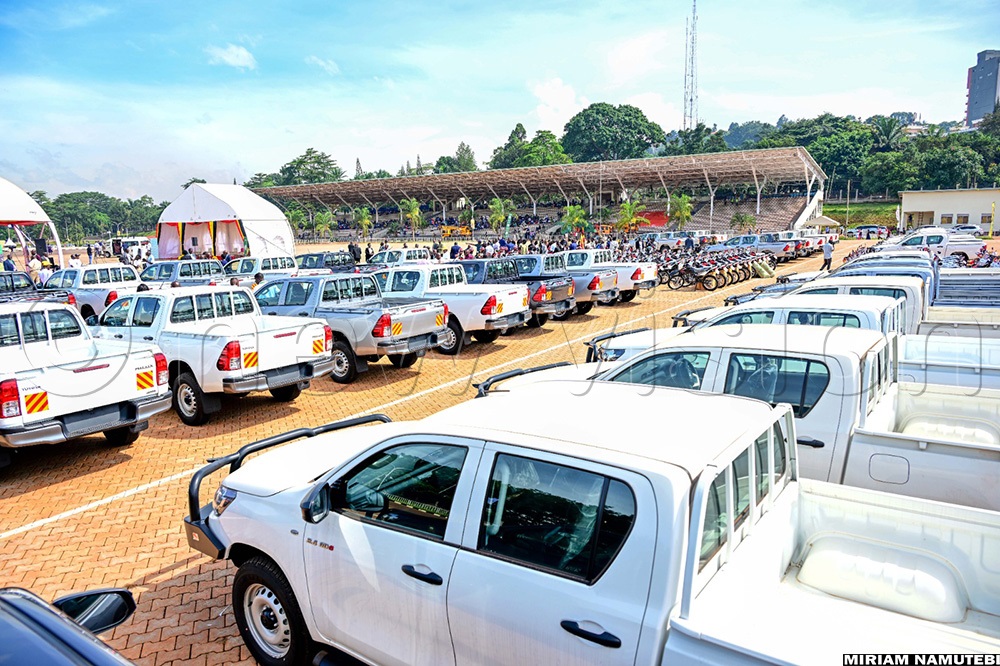
Mary Aacha Orikiriza, Undersecretary at the Ministry of Agriculture, Animal Industry and Fisheries (MAAIF), represented the Permanent Secretary, Maj. Gen. David Kasura Kyomukama, at the handover of the fleet on Tuesday (April 12) under the Uganda Climate Smart Agriculture Transformation Project (UCSATP).
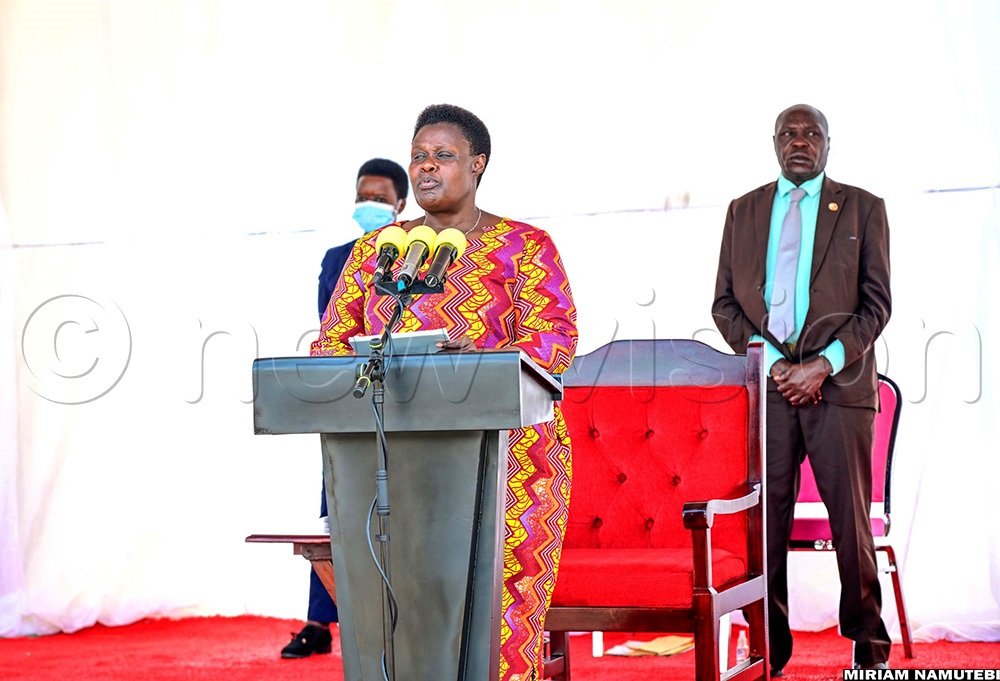
The function, which took place at Kololo Ceremonial Grounds, was presided over by Vice President Jessica Alupo and attended by Agriculture Minister Frank Tumwebaze, alongside representatives from the World Bank.
The deployment marks a critical step in improving supervision and delivery of agricultural services at district, sub-county and parish levels.
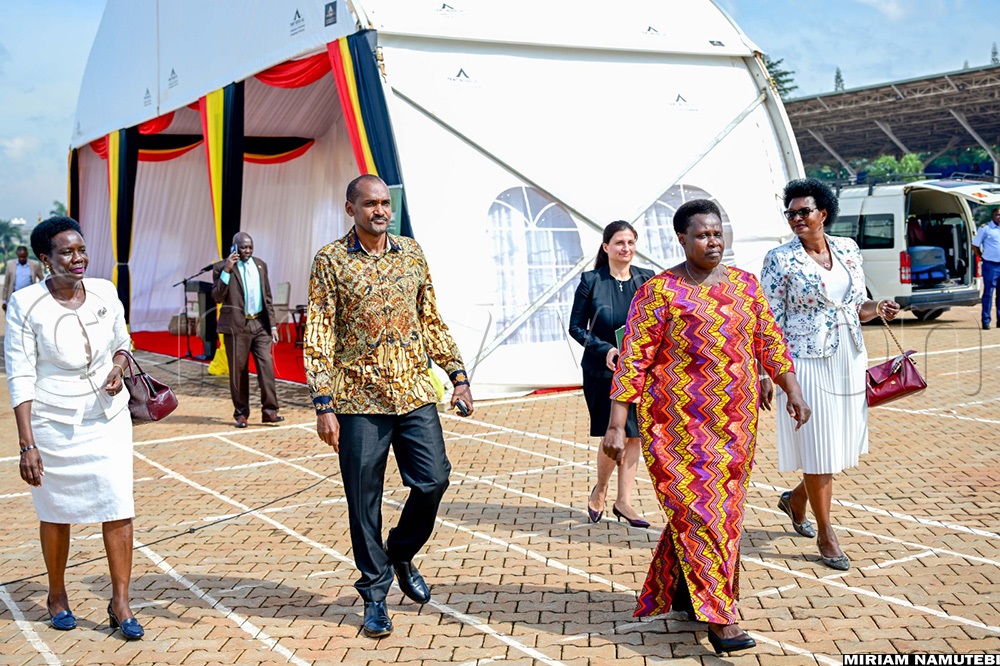
Kyomukama stressed that the vehicles are strictly for official work and must directly benefit farmers.
“This project must deliver results to the farmer, not on paper, but in reality. That is our benchmark,” he said.
Strengthening frontline services
The fleet is expected to ease mobility constraints that have long undermined extension services, particularly in remote areas. District technical teams will use the vehicles to support farmer training, monitor field activities and improve access to inputs and advisory services.
UCSATP is a $354m government programme targeting 3.9 million beneficiaries across 69 districts, including refugee-hosting areas.
The project seeks to tackle long-standing challenges in the sector, including low productivity, weak extension systems, climate shocks, limited access to quality inputs and heavy reliance on manual labour.
Agriculture remains Uganda’s economic backbone, employing more than 68 percent of the population.
Funding gaps
Strengthening frontline services
The fleet is expected to ease mobility constraints that have long undermined extension services, particularly in remote areas. District technical teams will use the vehicles to support farmer training, monitor field activities and improve access to inputs and advisory services.
UCSATP is a $354m government programme targeting 3.9 million beneficiaries across 69 districts, including refugee-hosting areas.
The project seeks to tackle long-standing challenges in the sector, including low productivity, weak extension systems, climate shocks, limited access to quality inputs and heavy reliance on manual labour.
Agriculture remains Uganda’s economic backbone, employing more than 68 percent of the population.
Funding gaps
Despite the progress, officials acknowledged gaps in the project’s initial design, particularly underfunding of critical infrastructure such as irrigation systems, mechanisation centres and market facilities.

The government is now prioritising these investments to ensure increased production translates into higher household incomes and reduced post-harvest losses.
Districts put on the spot
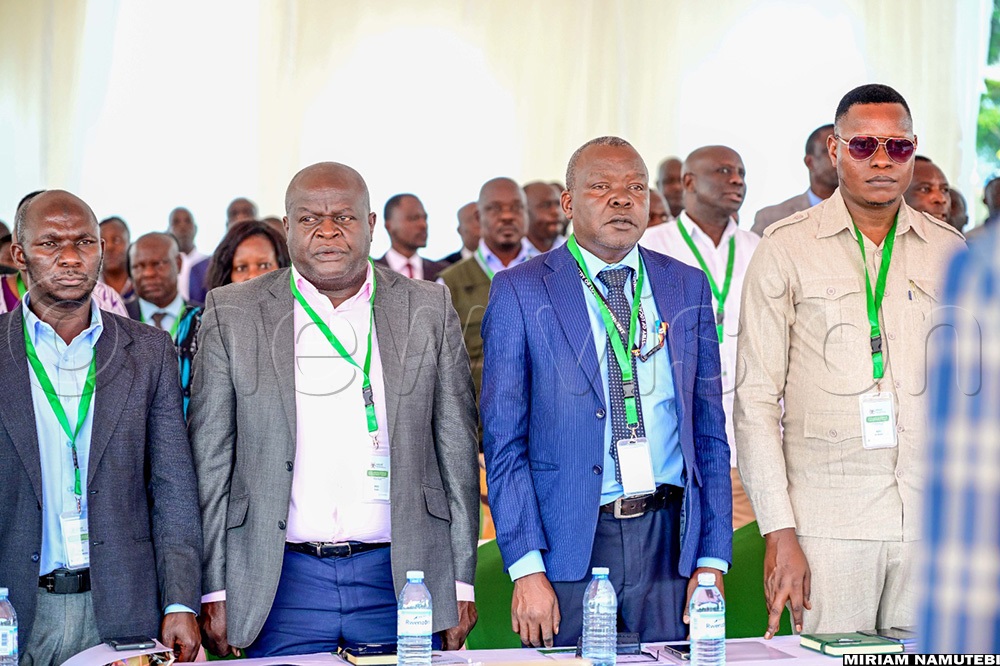
During the event, district leaders were described as central to the project’s success, with Kyomukama urging them to eliminate bureaucratic delays and accelerate implementation.

He emphasised the rollout of the e-voucher system, which allows farmers to co-finance agricultural inputs at 20 percent, as a key intervention to boost productivity.
At the event, Kyomukama said the success of UCSATP will not be judged by the number of vehicles distributed, but by measurable improvements in farmers’ livelihoods.
Agriculture in Uganda employs about 65–70 percent of the workforce. According to the Uganda Bureau of Statistics, roughly 70 percent of households in the country, around 7.12 million, participate in farming. Of these households, an estimated 53–68.9 percent practise subsistence farming, while about 17 percent engage in commercial agriculture. Regional participation is highest in Teso (87 percent) and Lango (83 percent).
The government is now prioritising these investments to ensure increased production translates into higher household incomes and reduced post-harvest losses.
Districts put on the spot
During the event, district leaders were described as central to the project’s success, with Kyomukama urging them to eliminate bureaucratic delays and accelerate implementation.
He emphasised the rollout of the e-voucher system, which allows farmers to co-finance agricultural inputs at 20 percent, as a key intervention to boost productivity.
At the event, Kyomukama said the success of UCSATP will not be judged by the number of vehicles distributed, but by measurable improvements in farmers’ livelihoods.
Agriculture in Uganda employs about 65–70 percent of the workforce. According to the Uganda Bureau of Statistics, roughly 70 percent of households in the country, around 7.12 million, participate in farming. Of these households, an estimated 53–68.9 percent practise subsistence farming, while about 17 percent engage in commercial agriculture. Regional participation is highest in Teso (87 percent) and Lango (83 percent).